
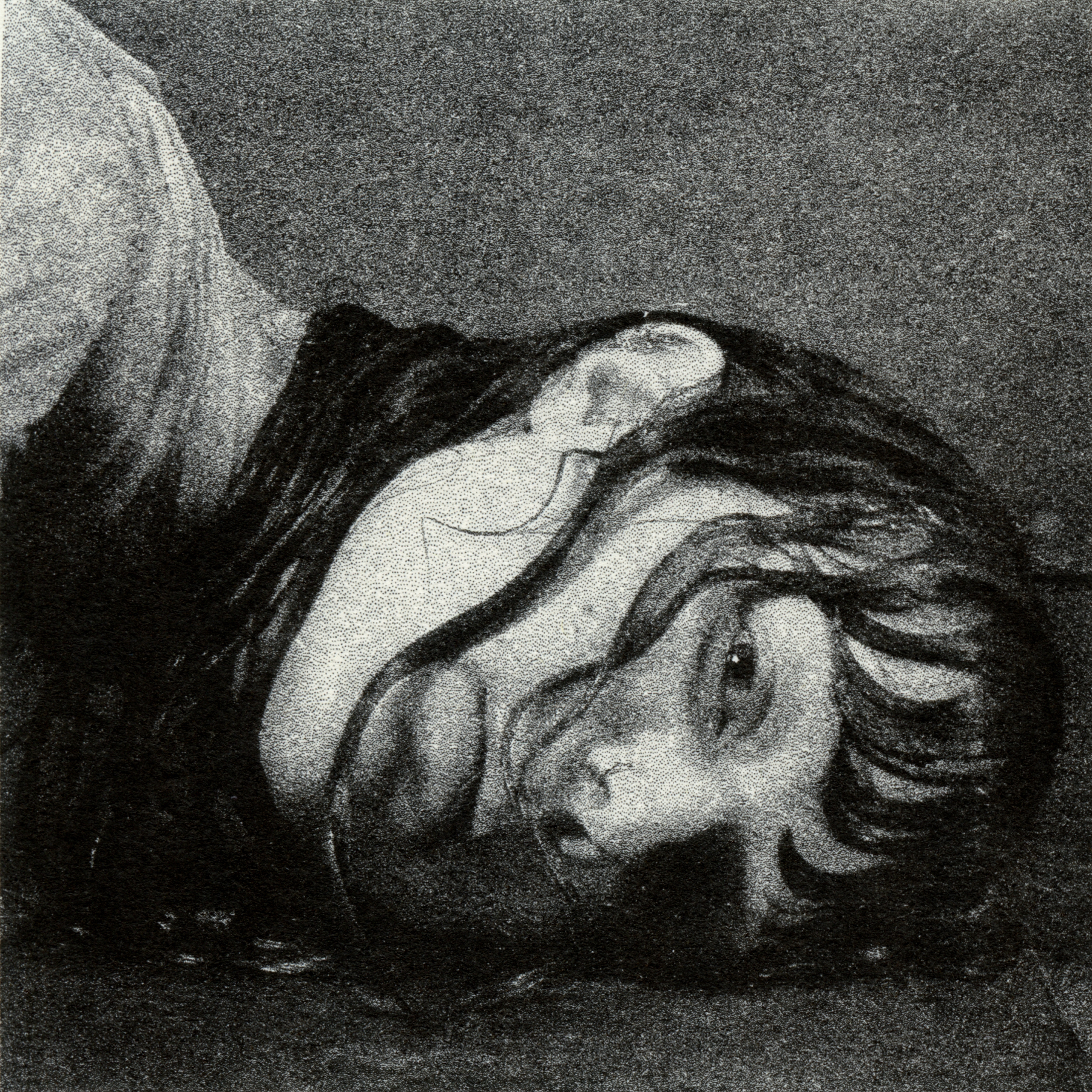
With a body of work that thrives on tension, restraint, and emotional depth, Lucy Kruger & The Lost Boys have built a reputation for music that lingers long after it’s heard. As they move closer to the release of their new album Pale Bloom, the band continue to explore the fragile spaces between feeling and expression, intimacy and collapse on the haunting new single ‘Damp’.
We spoke with band leader Lucy (Kruger) about the writing process behind the latest single, the collaborative dynamics within the band, and how the new songs found on the upcoming album are evolving as they make their way from the studio to the stage.
When you begin a song in a very minimal or intimate form, what usually tells you how far it needs to be pushed or expanded before it feels complete?
I think I’m not so afraid of minimalism – if anything, I probably need to be pushed a little to shape songs further. If I hear the feeling in a song, I’m almost satisfied. Luckily, I have a band that helps me get to a place where the story feels more complete. I started this album with sketches and then took the songs to the various band members, who stretched them. The band has been playing together for a long while now, and I really wanted their voices on this record – and that’s what we did. The instruments you’ll hear on stage are the instruments you’ll hear on the record. There aren’t a ton of layers.
There’s a strong sense of tension in this new single – between motion and restraint, closeness and distance. How conscious are you of shaping those emotional contradictions while writing?
I want to say that I’m fairly conscious of managing those contradictions – or opposing forces, rather – that allow the counterpoint to come to light, or to feel more tangible or acceptable. The strength of one element makes the fragility of another more possible to bear. I’m not sure how much of that happens in the initial stages of writing, though. Perhaps it comes more often in the arranging or producing of a song. Mostly, it’s about finding a container that can frame the emotion in a meaningful – and hopefully nuanced – way.
Many of your songs seem to sit in the space between what’s felt and what’s spoken. Do you find music allows you to express things you’d struggle to articulate in words alone?
Definitely. I don’t really like not making sense when I’m speaking, and I don’t really like to spill – in general. But I am a mess, so that doesn’t always work out so well for me. Music makes a lot of room for the chaos and confusion – whether it’s tender or terrifying or just a bit tired. There seems to be more space for the abstract and the unknown – and often the vulnerable – in music.
How does collaboration within the band influence the emotional direction of a song once it leaves your hands and becomes a shared piece of work?
Mostly – which seems quite lucky now that I reflect on it – it’s less about changing direction and more about drawing out what I imagine is already there, but far from articulated, though perhaps it only seems that way in retrospect. It’s also possible that the band brings a kind of depth or shape I didn’t imagine was there, which then feels obvious or inevitable once it’s formed. More than imagining a final sound, I think I imagine a size or shape of feeling, and I’m happy to get there in any way that works. Damp is a good example on Pale Bloom – it started off small and fragile and then veered off in another direction. The vocal stayed the same, but everything else around it ramped up. Still, I feel it only serves to bring the emotion closer to its original intent.
As the album comes together as a whole, what kind of emotional or narrative journey were you hoping listeners would experience from start to finish?
It’s a bit of a roller coaster, really – lots of insular drama and existential angst. Tenderness, tension, release, reflection. Perhaps I hope it might both unsettle and soothe. That’s often what I look for in music – something that presses on or points to something that hurts, and then offers a balm. Being seen and sung to.
Compared to your earlier records, did you approach sound, dynamics, or arrangement differently this time around – and if so, what prompted those shifts?
I think I wanted this album to have sweet, sentimental highs – something more traditionally beautiful – set against a base of something more brutal, or primal at least. The album gently rages against the narrowing idea of the human as a clean or pure form. I wanted to touch on the beauty of myth – the stories we tell ourselves in order to live on eternally or symbolically – as well as the mess of mortality: bodies and hearts that leak and lurch and love and leave. On a basic level, the arrangements often place driving, repetitive beats beneath more dreamlike, hymnal strings. The voice is steady but still sentimental, while the guitar carries a rawness that’s harder to articulate – something that sits just below the surface of the songs, and of the human experience in general.
How do these new songs change once they’re brought into a live setting, and what excites you most about translating this material onto the stage?
They’re much more alive in real life – that’s one of my favourite things. To feel what happens to a song on stage. I think it has something to do with impermanence. There’s no sense that the moment has to last forever. In that way, the stakes are both higher and lower, and the moment becomes very heightened. I must say this thing like I mean it now. It’s also a direct conversation, which is very different. The songs become a kind of vessel for communication, and depending on their shape, they offer different possibilities. It’s exciting to see what those possibilities are.
Looking ahead to the upcoming tour, what are you hoping audiences take away from these performances beyond the music itself?
The other day I went to see a show in Berlin and stood behind the crowd, wondering what all those bodies were doing there – what they were hoping to feel or take away. I’m still not sure. I felt a lot that night. The artist created a space for me to feel, but in turn the audience held space for her, allowing her to share something that felt very personal – to both her and to us. I also felt strangely held by those around me. This all sounds quite esoteric, and part of me wants to resist trying to understand it too much. As someone who feels a bit cut off from cultural richness, this is, in a sense, my place of ritual – of communing, of standing together to allow. It’s also just a sweet moment of distraction – an excuse to leave the house, to enter a different environment where your thoughts are free to wander.
Listen to the new single below, and keep an eye out for the upcoming album:


