Written by Lara Eidi
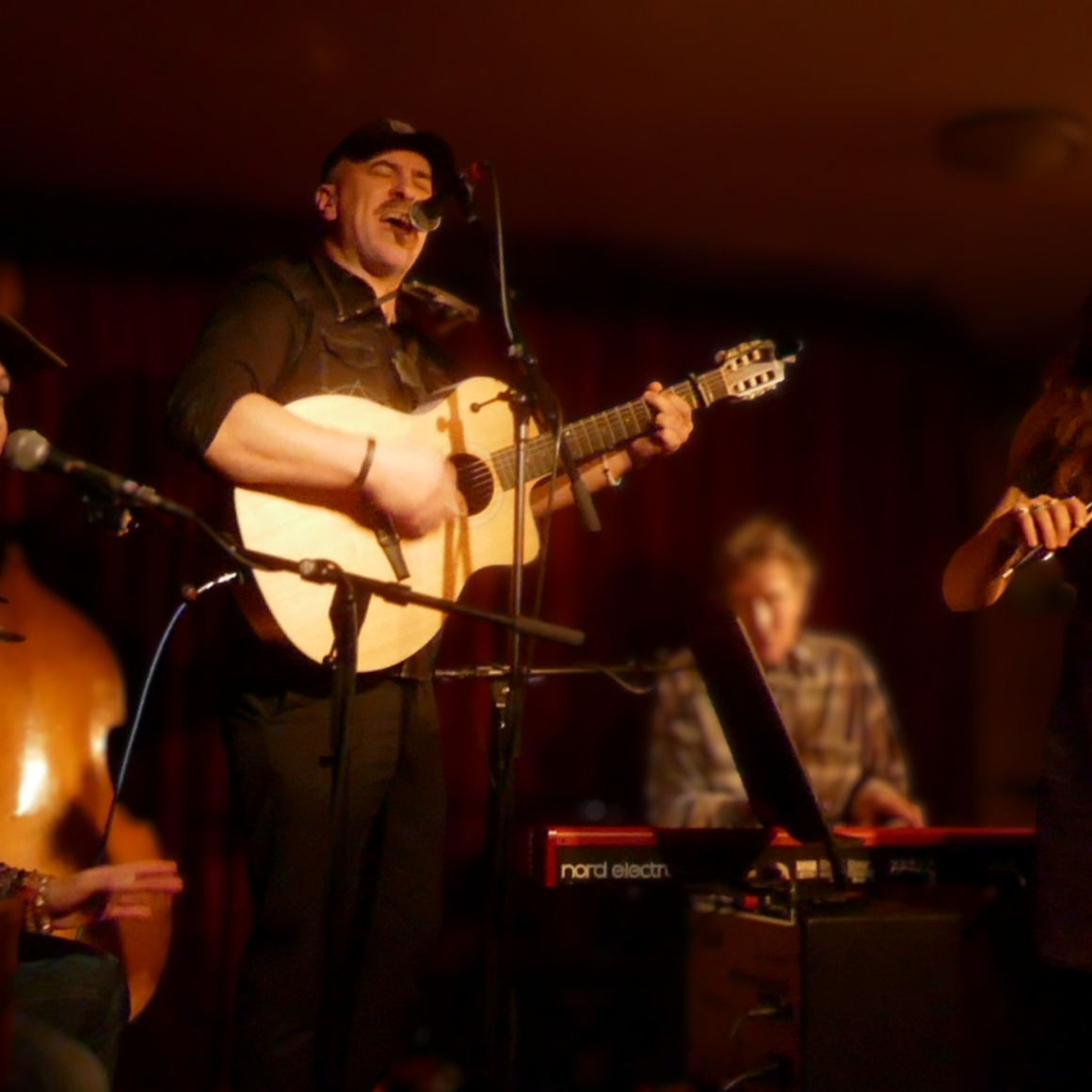
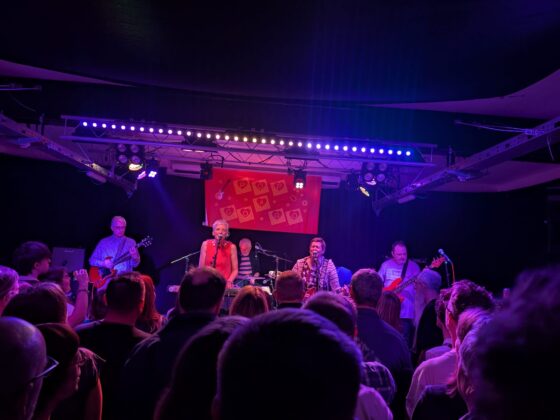
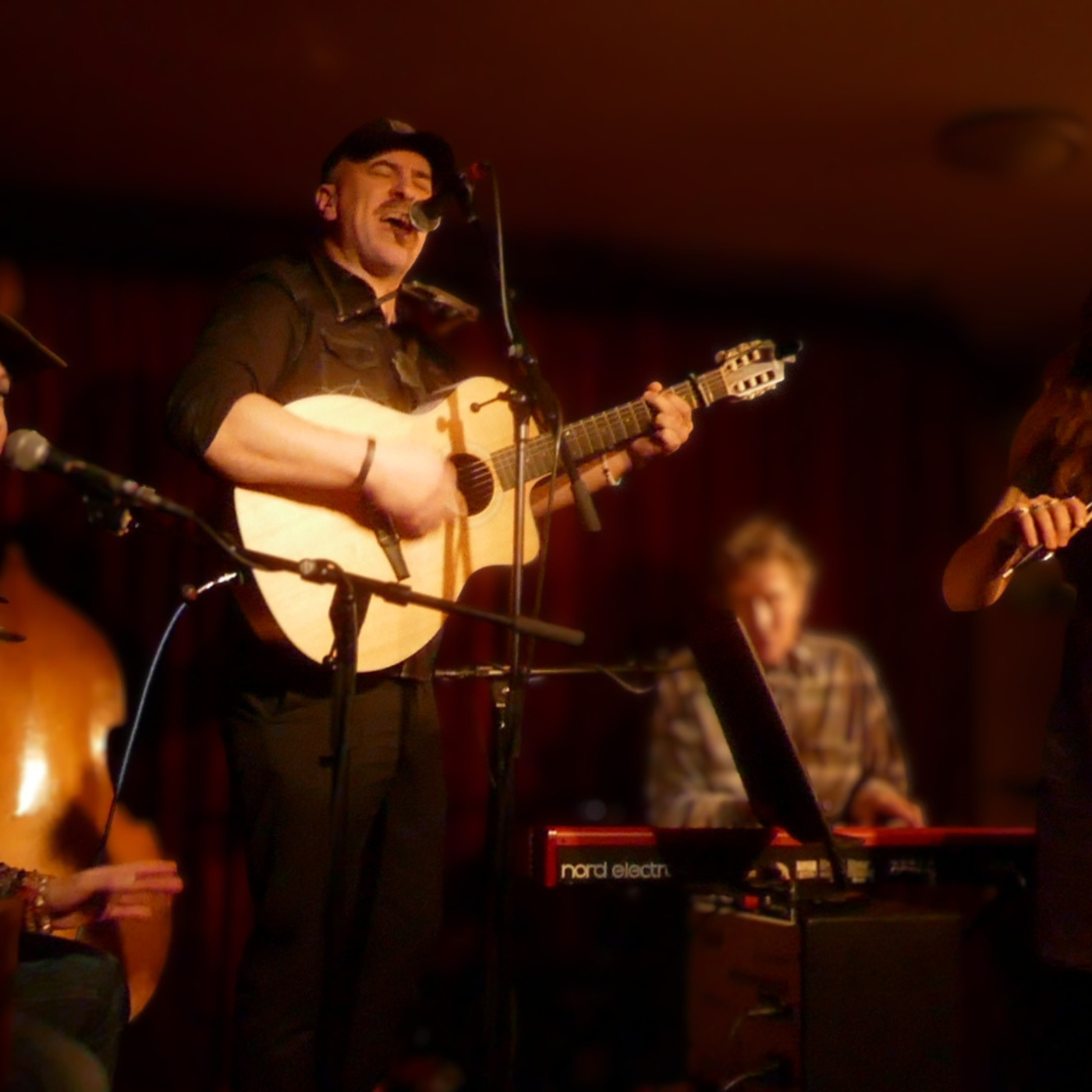
If Van Morrison met Rory Gallagher in London and the two conjured a collaborative album, it might sound something like Rob Corcoran. The Irish-born, London-based troubadour , a much respected figure on the London roots scene channels both artists through a voice and message entirely his own. The wit of the Irish—though, suffice to say, I try to refrain from stereotypes—runs through Corcoran’s stage persona. The first five minutes of his sold-out Good Friday show at Camden Town’s infamous folk venue, Green Note, had the audience in raucous cheers as he joked about Willie Nelson, while assuring us that the setlist would balance lighter moments with songs that force you to reflect on your own humanity. Over the next two hours, he delivered exactly that, backed by his stellar band, the aptly named Necessary Evils.
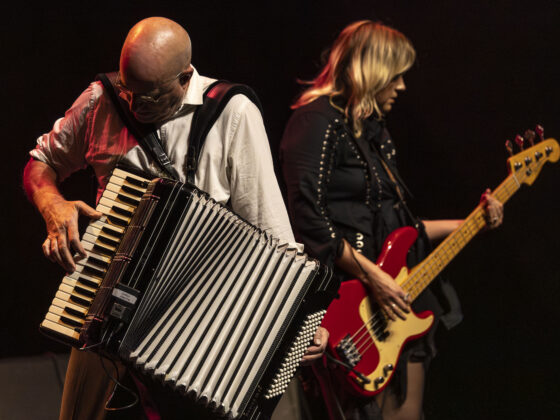
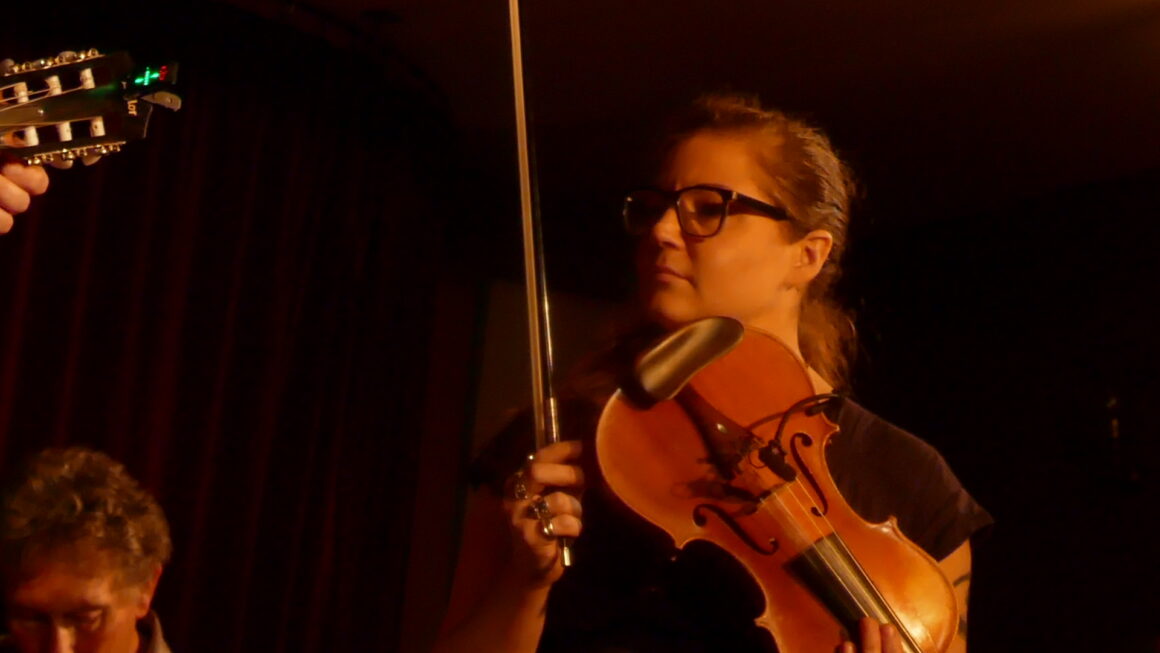
The first set rang with themes of justice and heartbreak, showcasing Corcoran’s gift for writing lyrics that feel both deeply personal and strikingly universal. Opening with the enigmatic ‘Sake of a Song’, the band were immediately on top form, with Roger Askew (keys, electric guitar, backing vocals), Basia Bartz (violin), and Hjordis Moon Badford (percussion, backing vocals) providing rich, textured support. ‘Blackhearted Man’, a modern-day ballad of fractured love, had the audience visibly moved early on. There is a real art to constructing a setlist that holds attention, and Corcoran wastes no time easing his audience in. A rousing rendition of Bob Dylan’s ‘Masters of War’ marked the first of the evening’s political moments, setting the tone for what was to come. The band’s longstanding camaraderie was evident throughout, with Badford’s attentive, grounded presence anchoring the groove, while Askew’s musical pedigree (including work with Peggy Seeger, Arbre, and Bliss) shone through. The first true showstopper arrived with a stripped-back performance of ‘Beaming Love’, a devastating meditation on grief and memory. As Bartz’s violin swelled, adding both ache and beauty, the room seemed to collectively hold its breath.
Corcoran paid homage to the place that helped shape his musical journey with ‘Pub on a Hill’, a song so personal it becomes universally relatable—particularly for anyone trying to carve out a life in a city like London. The story traces back to then named Filthy McNasty’s pub and its weekly trad session, where the late Sonya Rose first coaxed him into performing. Encouraged to return, Corcoran became a regular, alongside figures such as Celtic-punk icon Leeson O’Keefe, who later accompanied him on banjo for his first full set of original material. ‘Pub on the Hill’ stands as a tribute to those formative moments.) The mood then lifted with the sharply satirical ‘Joseph and Jesus’, the first of several songs highlighting Corcoran’s knack for blending sardonic humour with melodic charm. “After all, you came out on Good Friday, didn’t ya?” he quipped, prompting knowing laughter from an audience that seemed to already know every word.
The set closed on an emotional high with ‘Holloway Island’, perhaps the most vulnerable example of Corcoran’s storytelling—no small feat in a catalogue already rich with heartbreak. This was followed by a tender homage to one of his key influences, Leonard Cohen, with an a cappella performance of ‘Hanging On To Hope’. It was a reminder of the growing strength of Irish songwriting: music not merely as expression, but as necessity—a means of articulating what might otherwise remain unsaid.
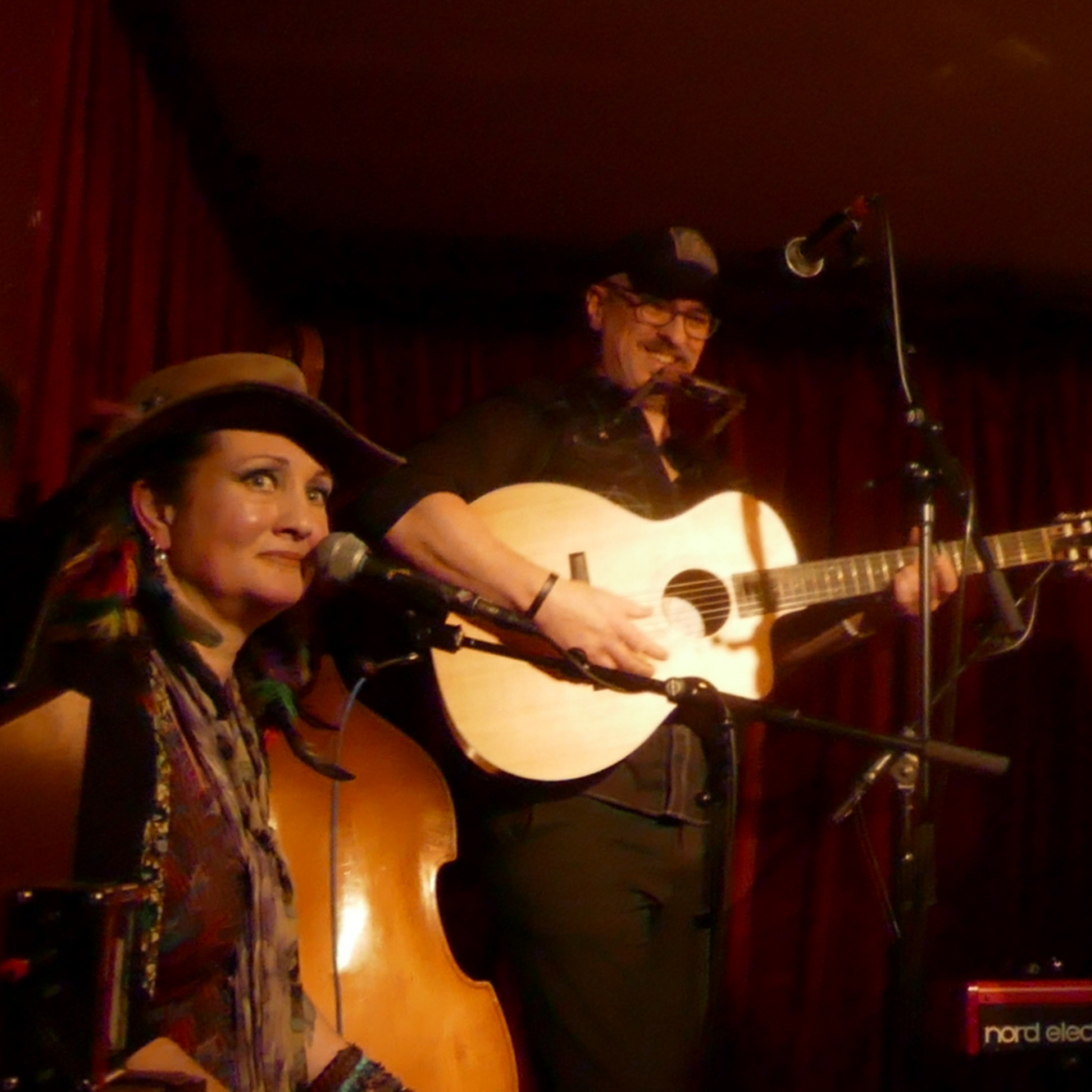
The second set introduced acclaimed Scottish-born, London-based singer-songwriter Adam Beattie, stepping in for Lyle Zimmerman. Beattie’s sensitivity to the material—particularly its lyric-driven core—added a new dimension, his understated playing lifting the band’s dynamic with ease. Opening with audience favourite ‘Hurts Me Too’, the set leaned further into Corcoran’s absurdist, darkly comic sensibility. ‘How Many Hands’ stood out as a protest song for the present moment, followed by ‘Get To You’, a poignant reflection on displacement, and ‘Hosepipe Ban’, in which a conspiracy theorist’s trivial frustrations spiral into something far more pointed. By this stage, it felt clear that Corcoran’s mission is not just to entertain, but to challenge—to draw listeners in and gently dismantle their certainties. The second showstopper came with ‘Ringing That Bell’, his most critically acclaimed song, championed by Irish icon Christy Moore. Echoes of early Bob Dylan run through it, culminating in a refrain that resonates with a deep, collective loneliness.
“Still they keep on ringing that bell
Through the blacked-out windows of my bedsit hell
Still they keep on ringing that bell”
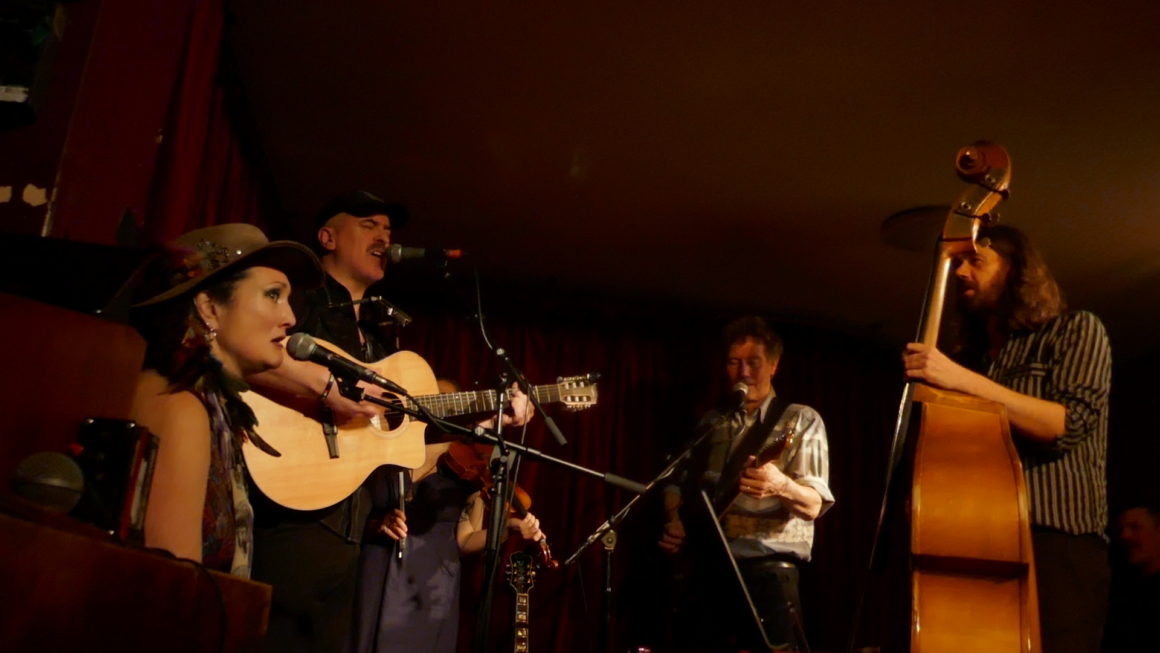
That sense of reflection didn’t fade—it carried through the room. By this point, the audience seemed to have already taken the lesson on board, something made clear during ‘ADHD’, a song explaining the neuroscience behind the condition, its chorus inviting everyone to join in. Corcoran has a rare ability to slip past defences, embedding his ideas in melody and wit. It provided a fitting close before the inevitable encore, where he returned with a powerful rendition of Neil Young’s ‘Keep on Rocking in the Free World’. Though a familiar anthem, it took on renewed urgency here—particularly with Corcoran’s additional verse, which drew a sharp and sobering line to present realities.
“They’ve been targeting the children, they’ve been bombing them to death
They’ve been bombing them with weapons made in Bristol and Kent
Our leaders try to tell us that it’s really complex and scare us into thinking that it’s really complex “
The message from this outstanding Irish troubadour is clear: the music must carry on—and so must the message.
Listen to Rob Corcoran on robcorcoranmusic.com and follow on Instagram @robcorcoranmusic