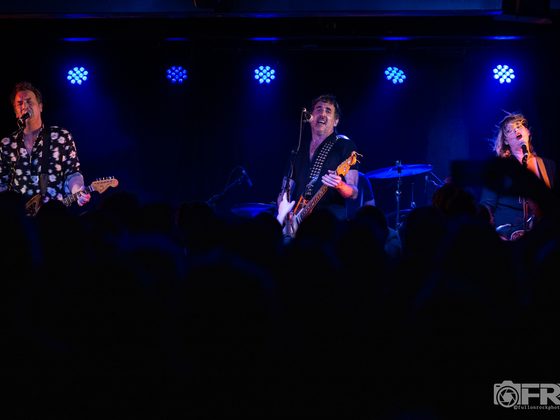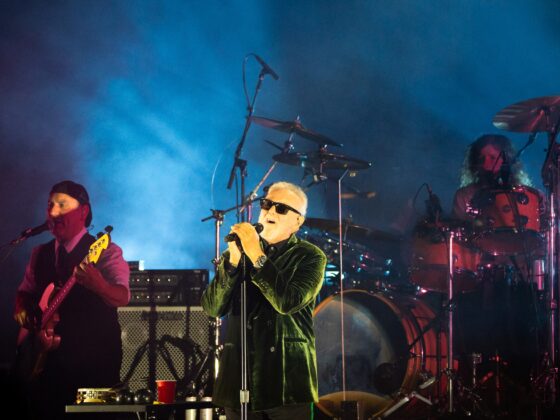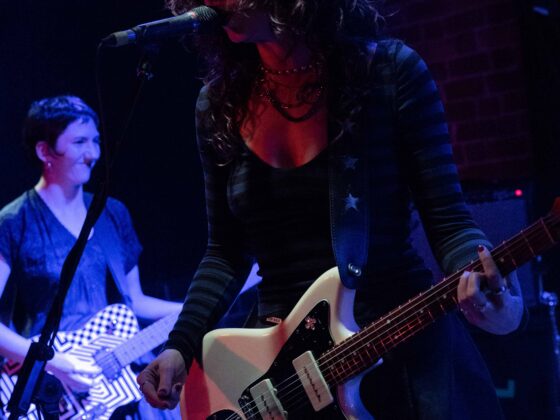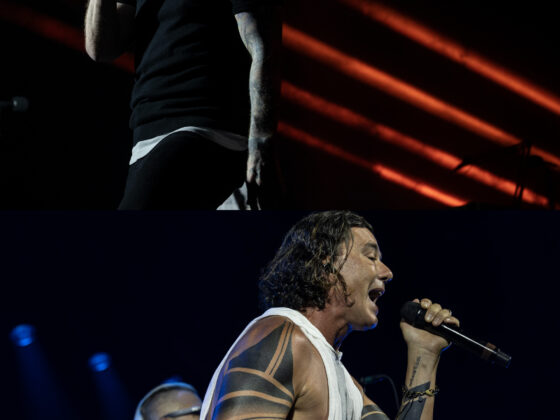
There is always something slightly bittersweet about the final day of Bloodstock. After several days of loud guitars, pounding drums, huge crowds and an atmosphere that seems almost impossible to replicate anywhere else, Sunday arrives with the knowledge that the end is now firmly in sight. The final day of the festival has to carry the weight of everything that has come before it, but thankfully, Bloodstock had assembled a lineup capable of doing exactly that.
Sunday offered an impressive mixture of styles across both the Main Stage and Sophie Lancaster Stage. There was old-school Heavy Metal, Thrash, Death Metal, Black Metal, Hardcore, Industrial Metal, electronic music and everything in between. More importantly, the performances themselves showed why Bloodstock continues to be such an important fixture in the British Metal calendar. From technically precise musicianship to raw, chaotic energy, there was very little opportunity to stand still.
With the Main Stage and Sophie Stage alternating throughout the day, there was always something worth seeing. It was a long day, a loud day and, ultimately, a hugely satisfying way to bring the festival to a close.
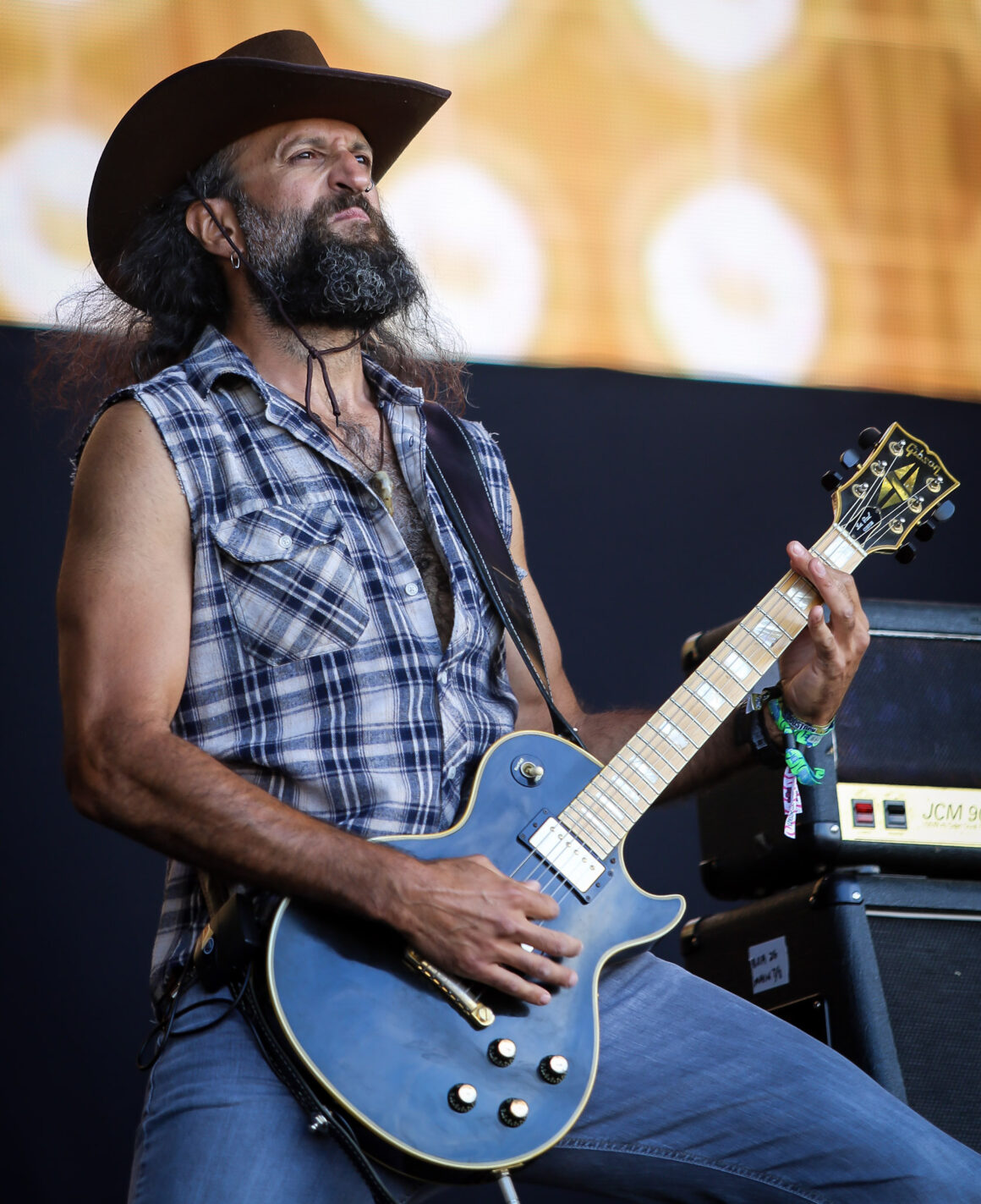
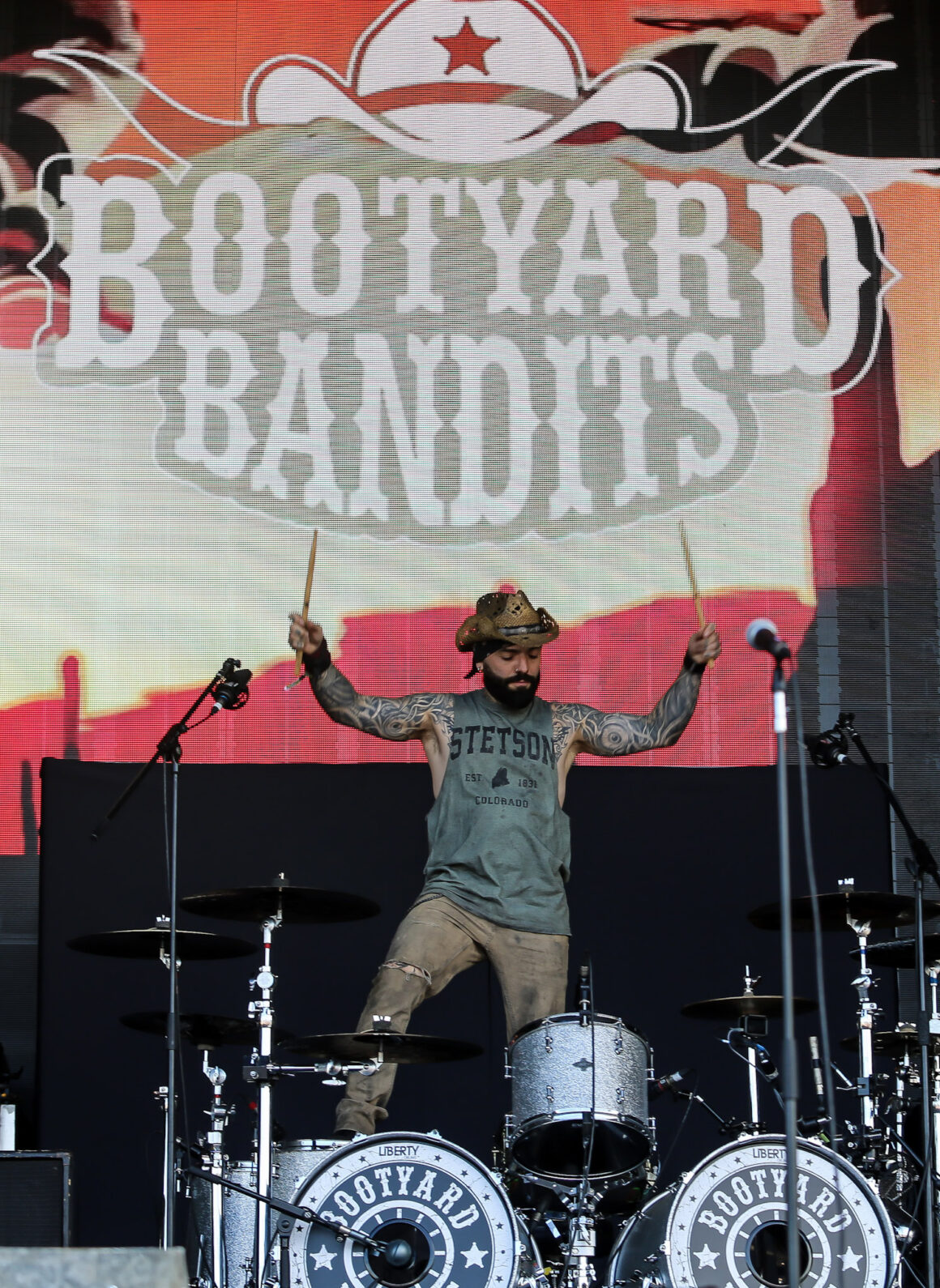
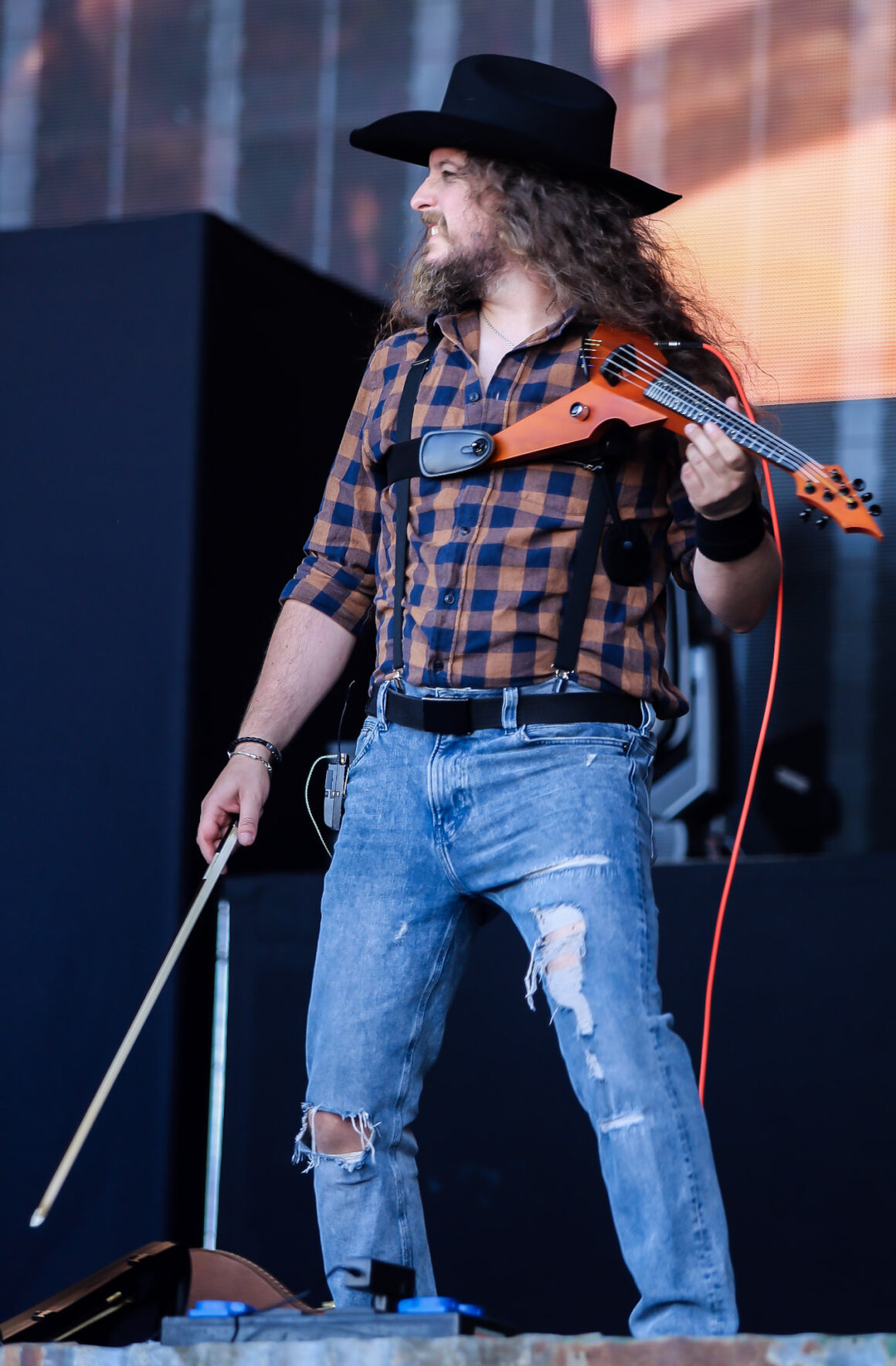
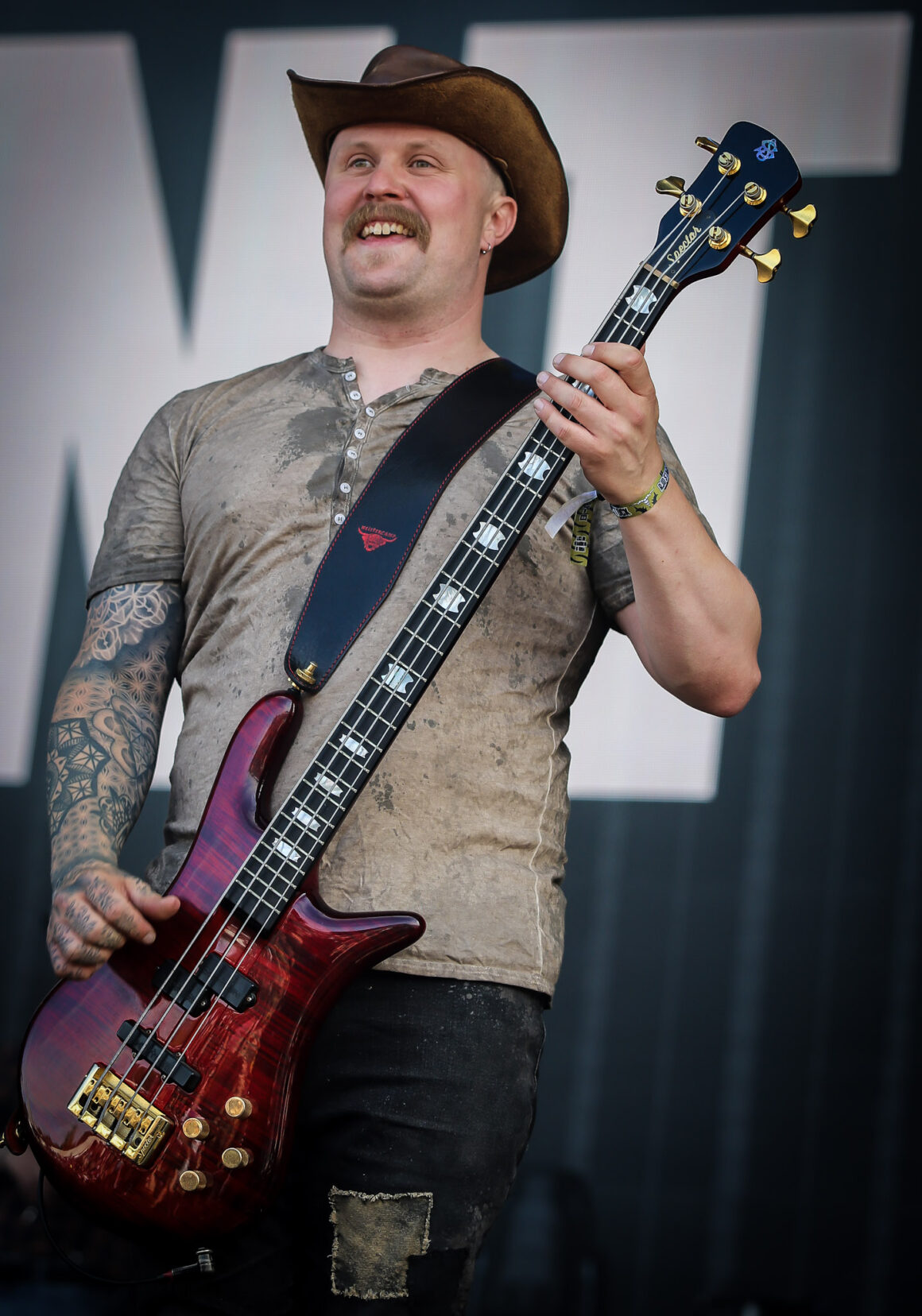
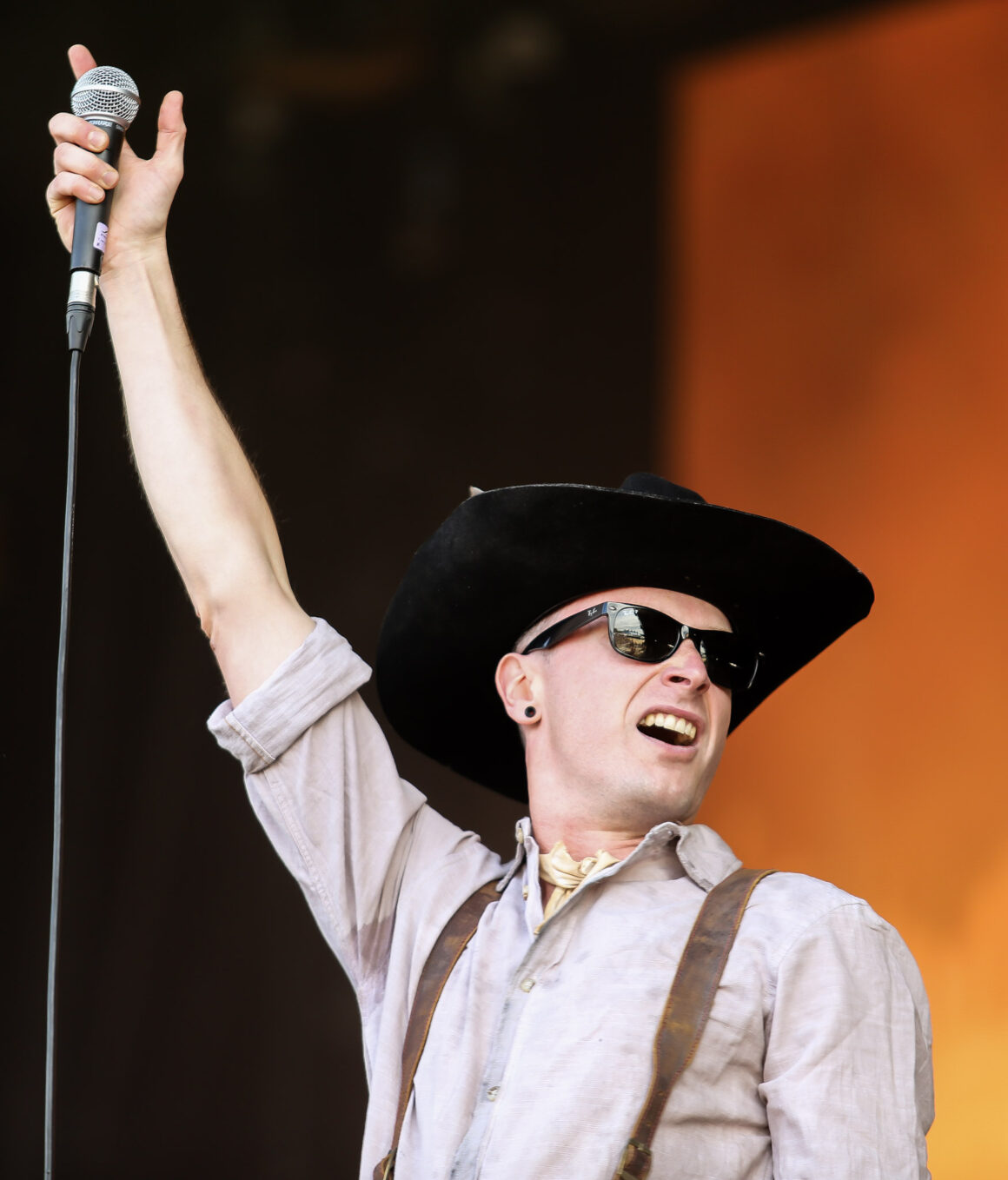
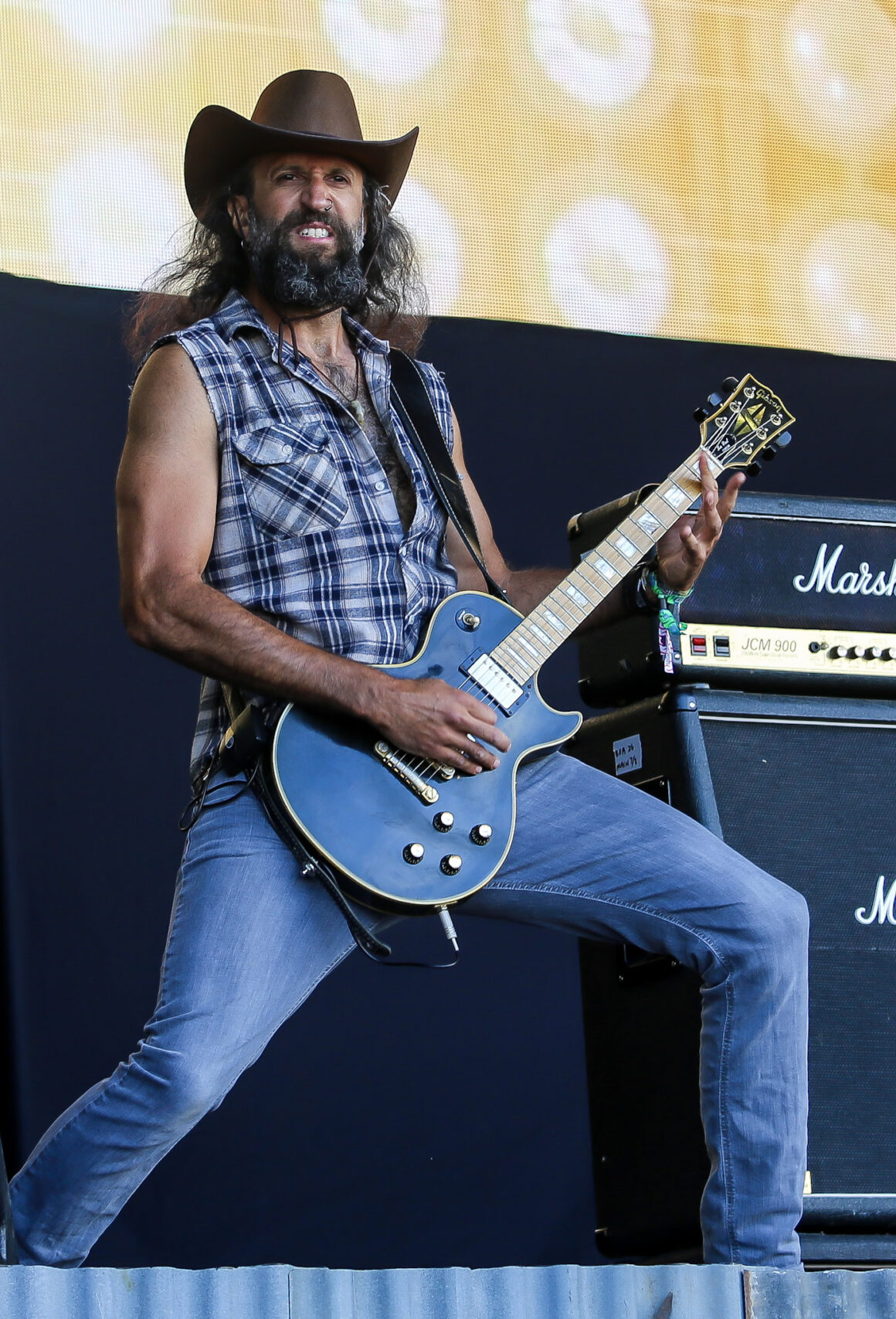
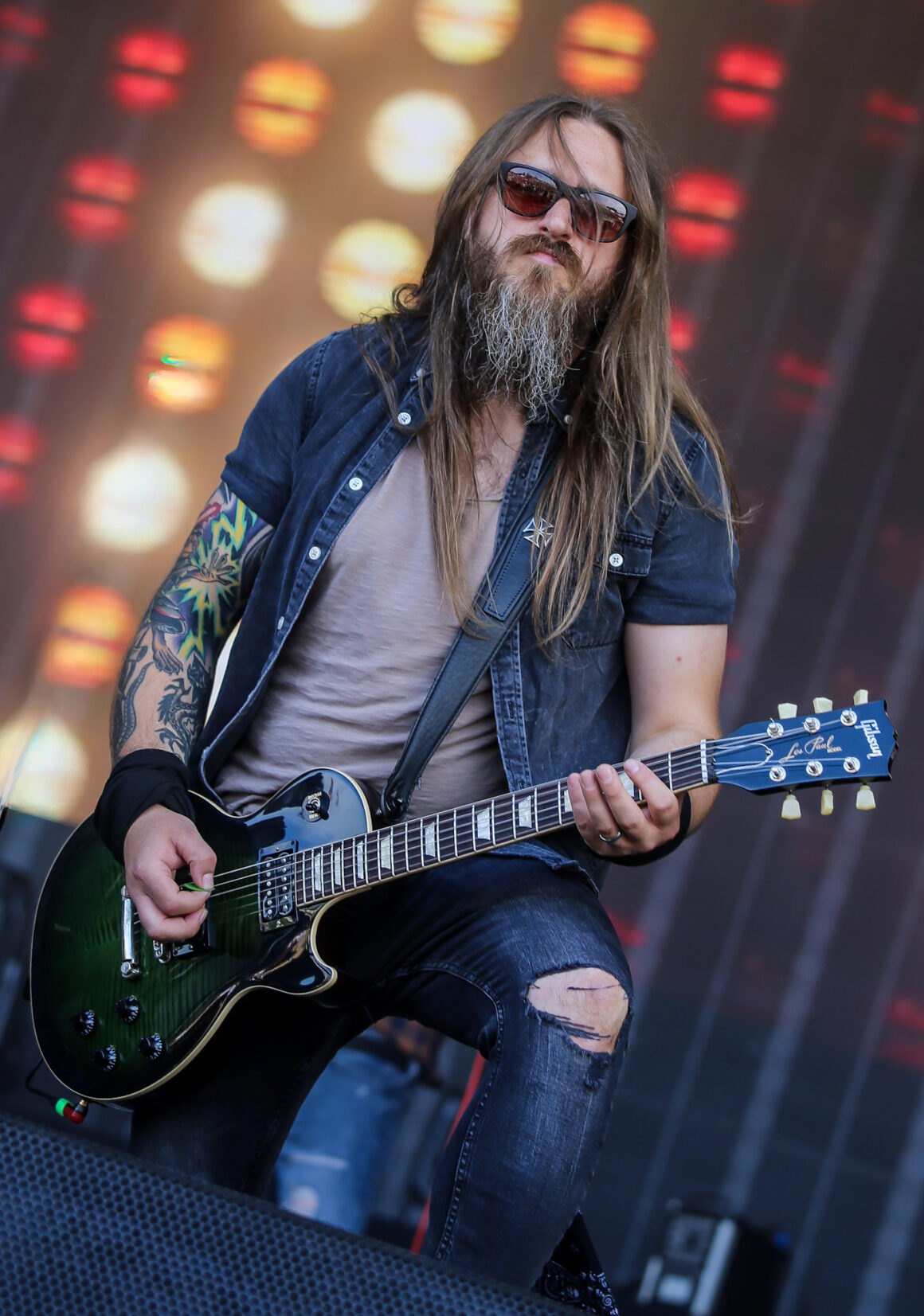
Opening the Main Stage were Bootyard Bandits, who had the unenviable task of getting the final day underway. Rather than easing the crowd gently into Sunday, they went straight for the energy. Their performance was full of personality, with the vocals delivered with plenty of attitude and character. There was a real sense of fun to the way the band approached the stage, but underneath the humour was a tight musical performance. The guitars provided a solid, riff-driven foundation, switching between chunky rhythm parts and more energetic lead work, while the drums kept everything moving with plenty of punch.
The rhythm section deserves particular credit for keeping the band’s high-energy approach together. The drums were crisp and forceful, giving the guitars plenty of room to breathe while maintaining the momentum needed to keep an early-morning festival crowd engaged. Bootyard Bandits were a smart choice to open the Main Stage. They brought a sense of fun without sacrificing the heaviness, and by the end of the set the crowd was well and truly awake.
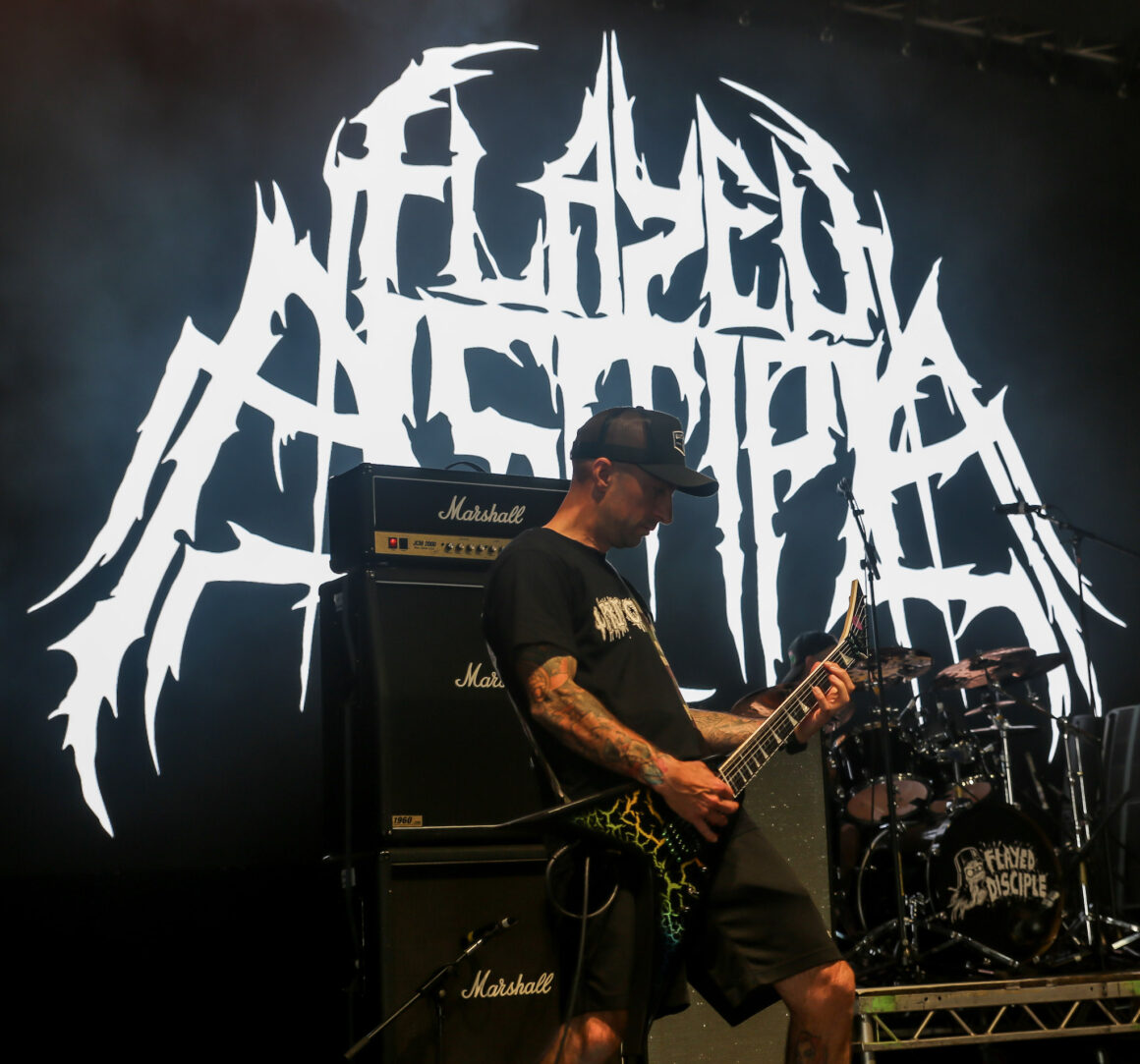
Over on the Sophie Lancaster Stage, Flayed Disciple provided a much darker opening to the day’s proceedings. The contrast between the two stages was immediately apparent. Where Bootyard Bandits brought humour and energy, Flayed Disciple delivered a far more aggressive and sinister sound. The vocals had the harshness and intensity you’d expect from a band operating in the heavier end of the metal spectrum, cutting through the mix with a ferocious delivery.
The guitar work was particularly effective, with dense riffs creating an imposing wall of sound. The musicianship never became lost beneath the sheer weight of the material, however. The guitars remained articulate enough for the individual riffs to have an impact, while the drums added another layer of aggression. The percussion was relentless, with hard-hitting kick drums and powerful fills helping drive the songs forward. There was a physicality to the performance that worked particularly well in the confines of the Sophie Stage. It was a brutal way to start the stage and an early indication that Sunday wasn’t going to be taking things easy.
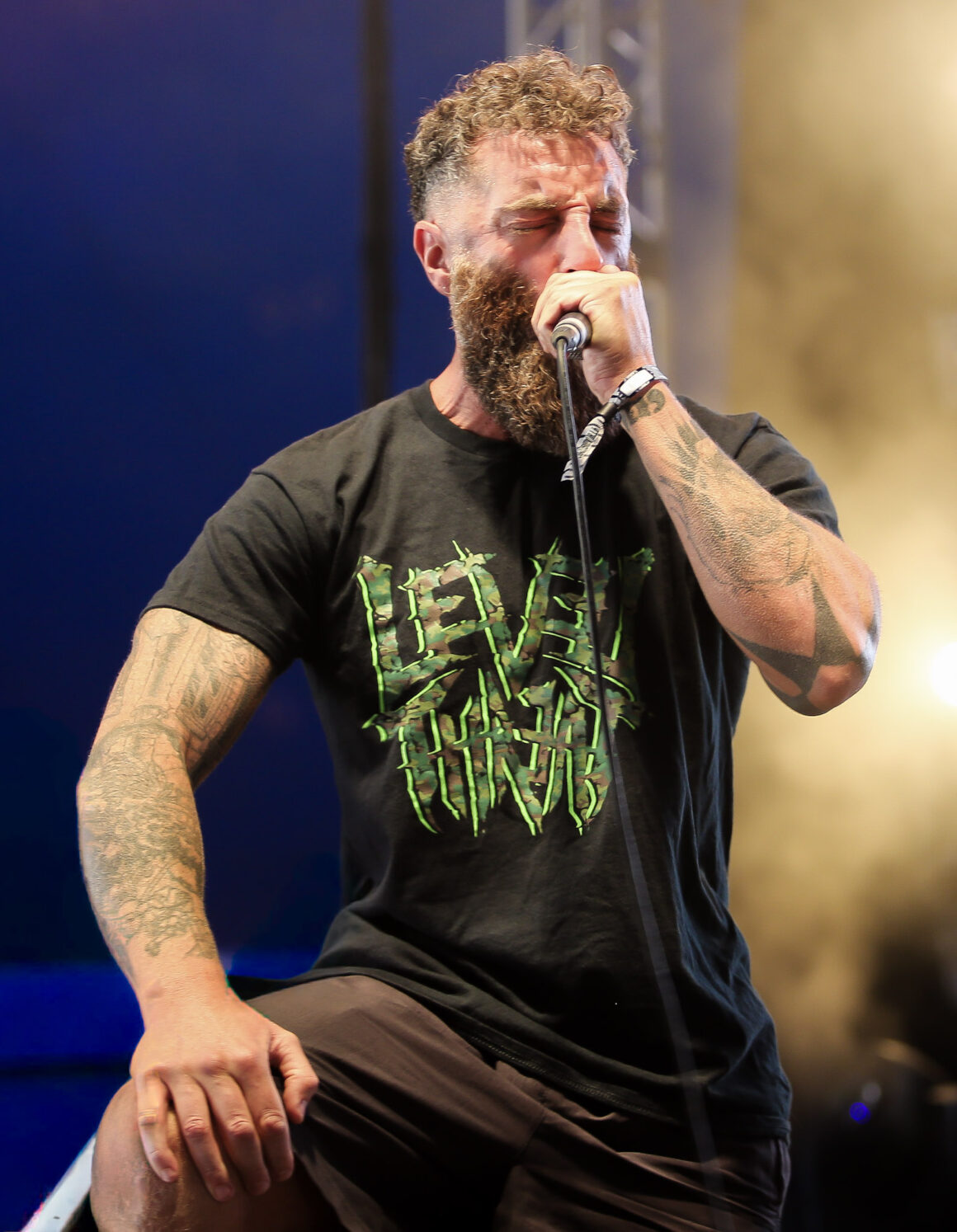
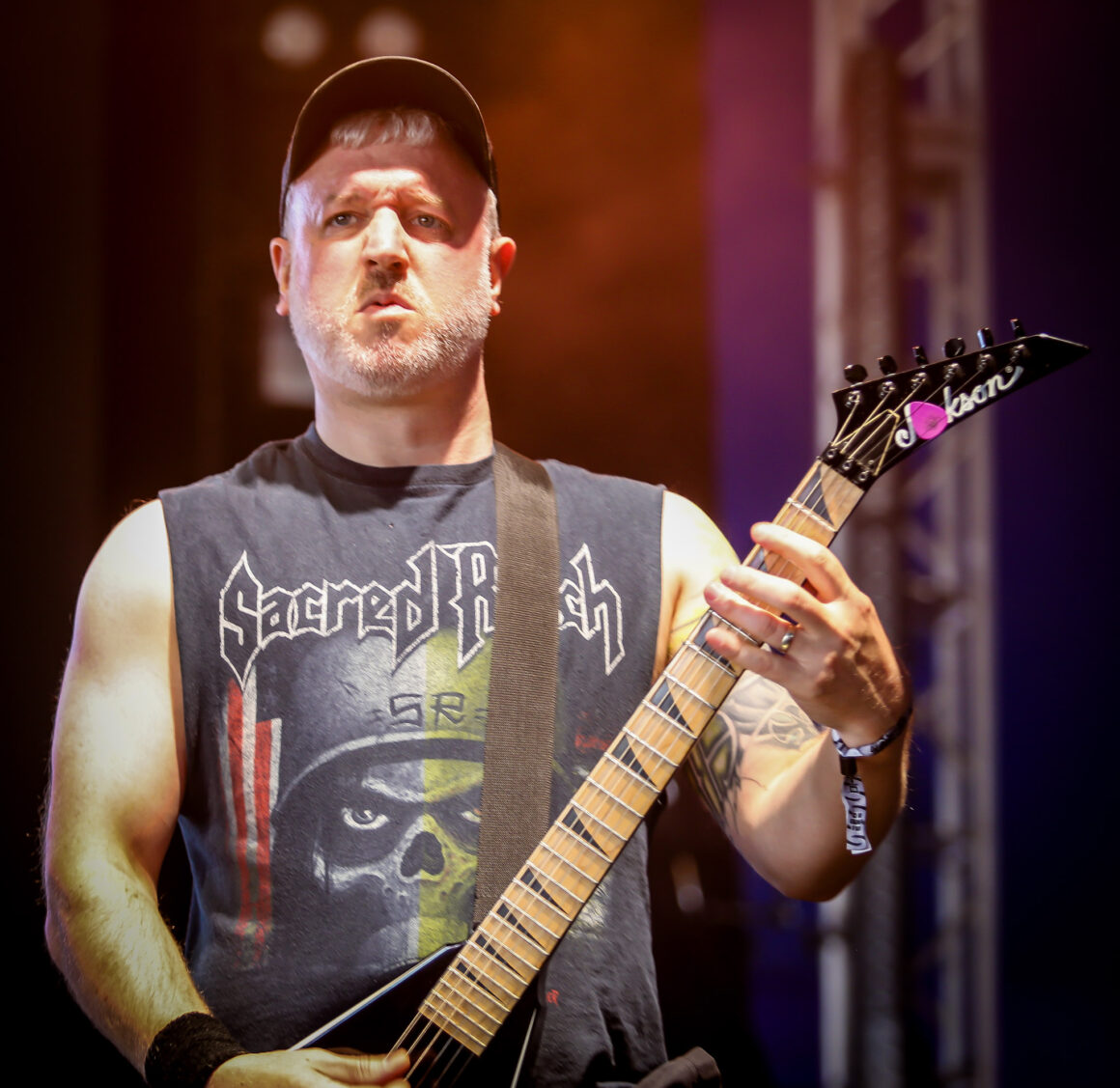
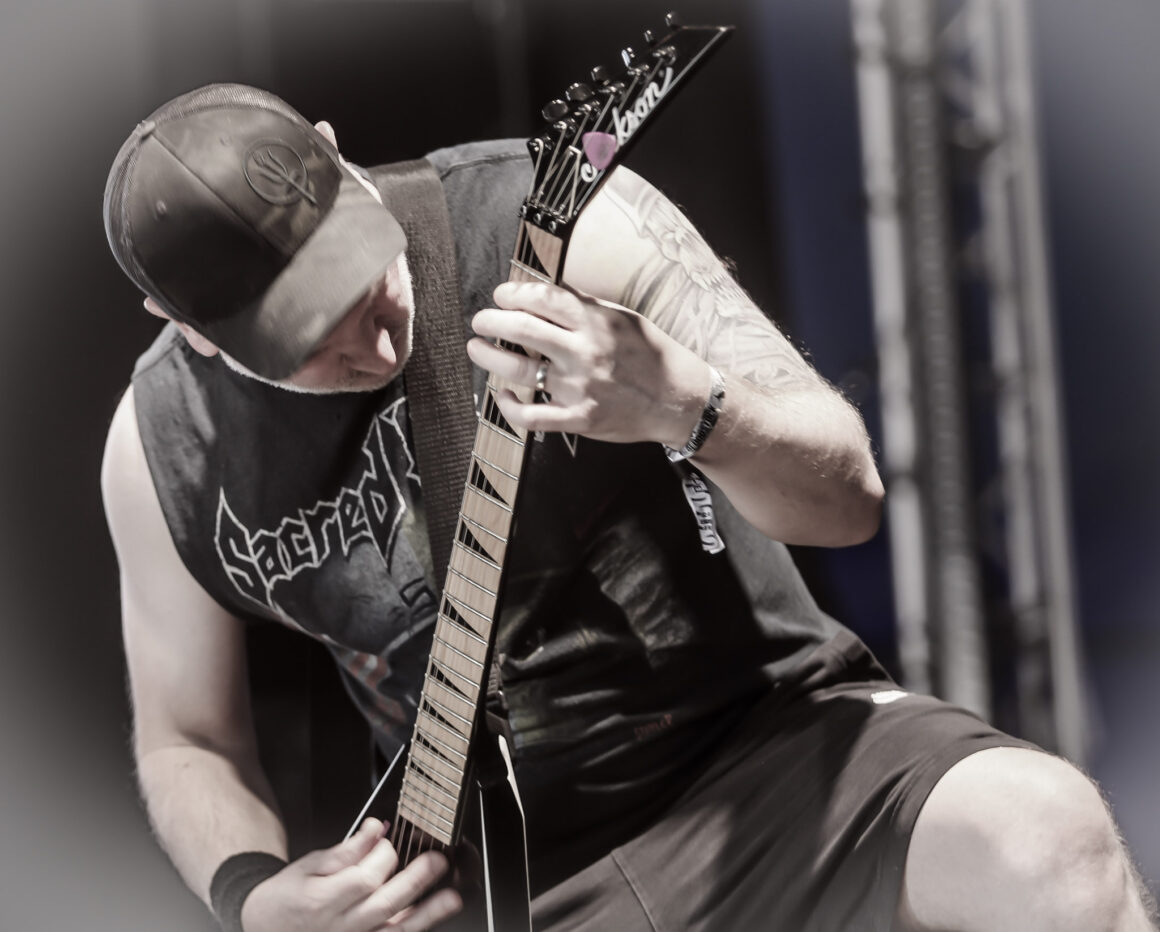
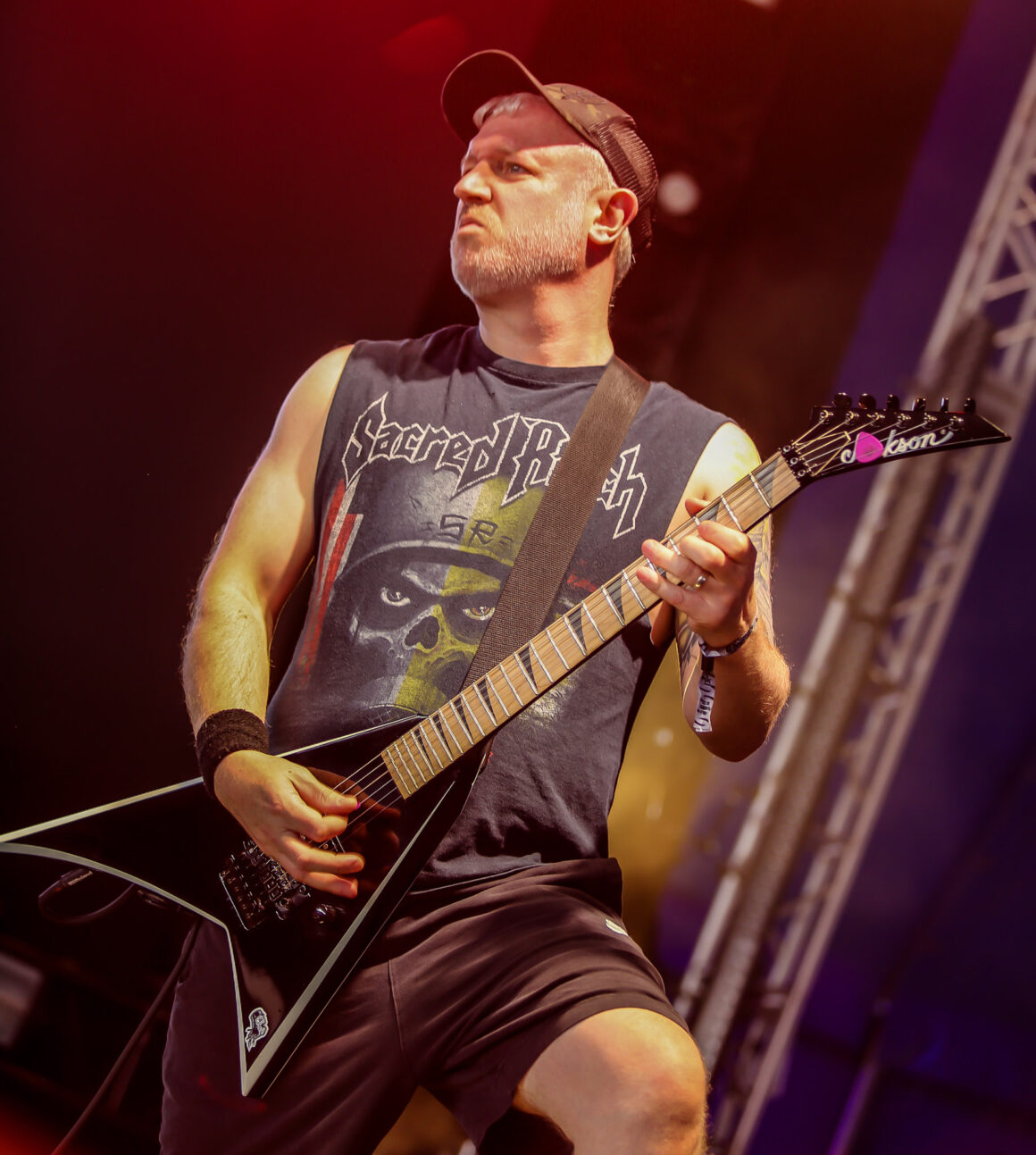
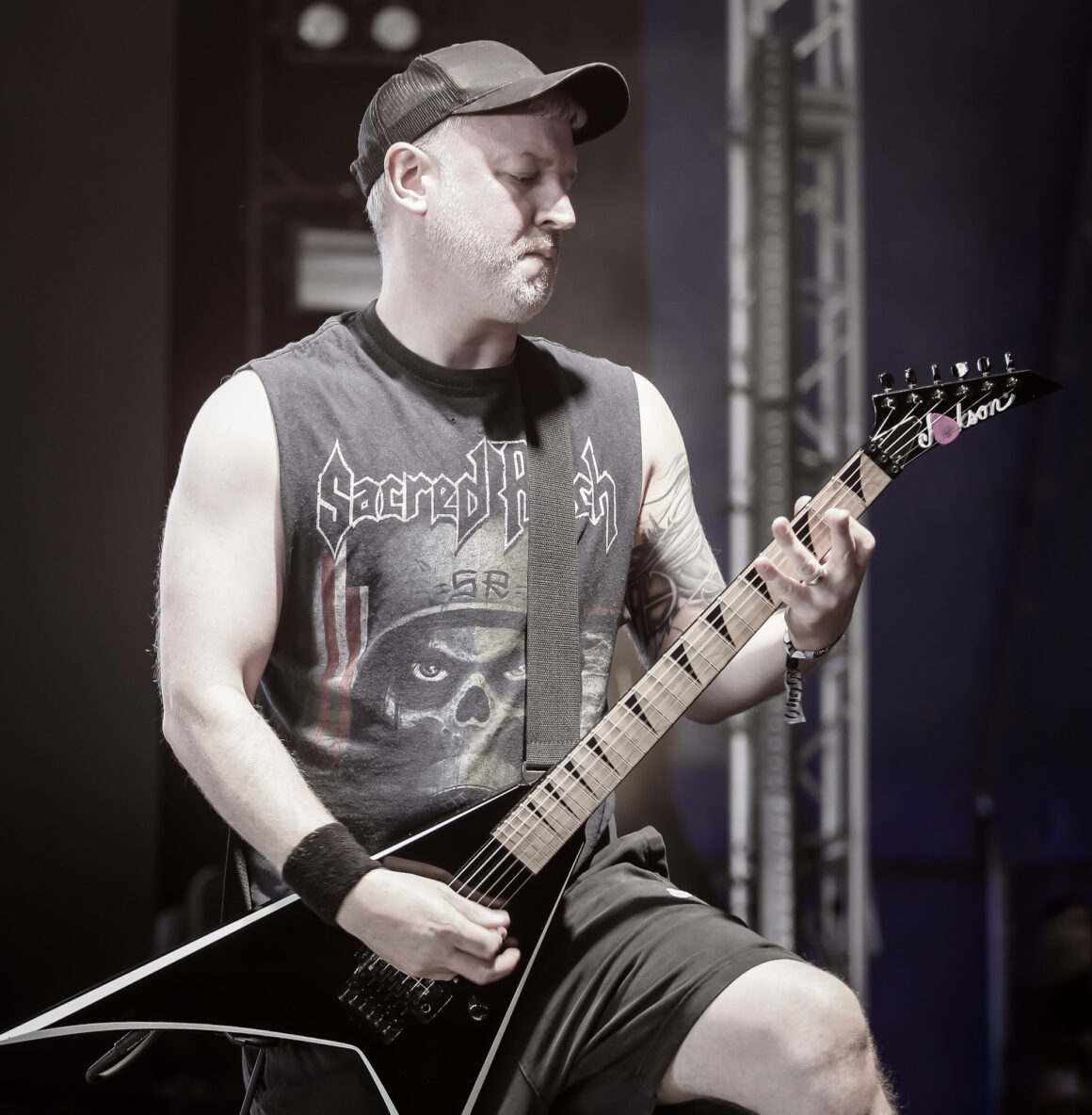
Back on the Main Stage, Graphic Nature continued the day’s assault with a performance built around modern metal’s love of crushing riffs and devastating breakdowns. The vocals were one of the strongest aspects of the set. The harsh delivery had plenty of aggression behind it, moving effectively between different textures rather than relying on a single vocal style. That variation gave the songs an additional sense of dynamics and helped the heavier sections hit even harder.
The guitar work was huge. Thick, low-end riffs dominated the sound, with the guitars locking tightly into the bass and drums. When the breakdowns arrived, they had exactly the kind of impact you’d want from a festival set, with the crowd responding to every drop. The drums were equally important. The drummer attacked the kit with plenty of force, particularly during the faster passages and breakdowns. The kick work provided a solid foundation beneath the guitars, while the fills added movement without becoming unnecessarily complicated. Graphic Nature demonstrated just how powerful modern Metal can sound on a large festival stage. Their performance was aggressive, polished and uncompromising.
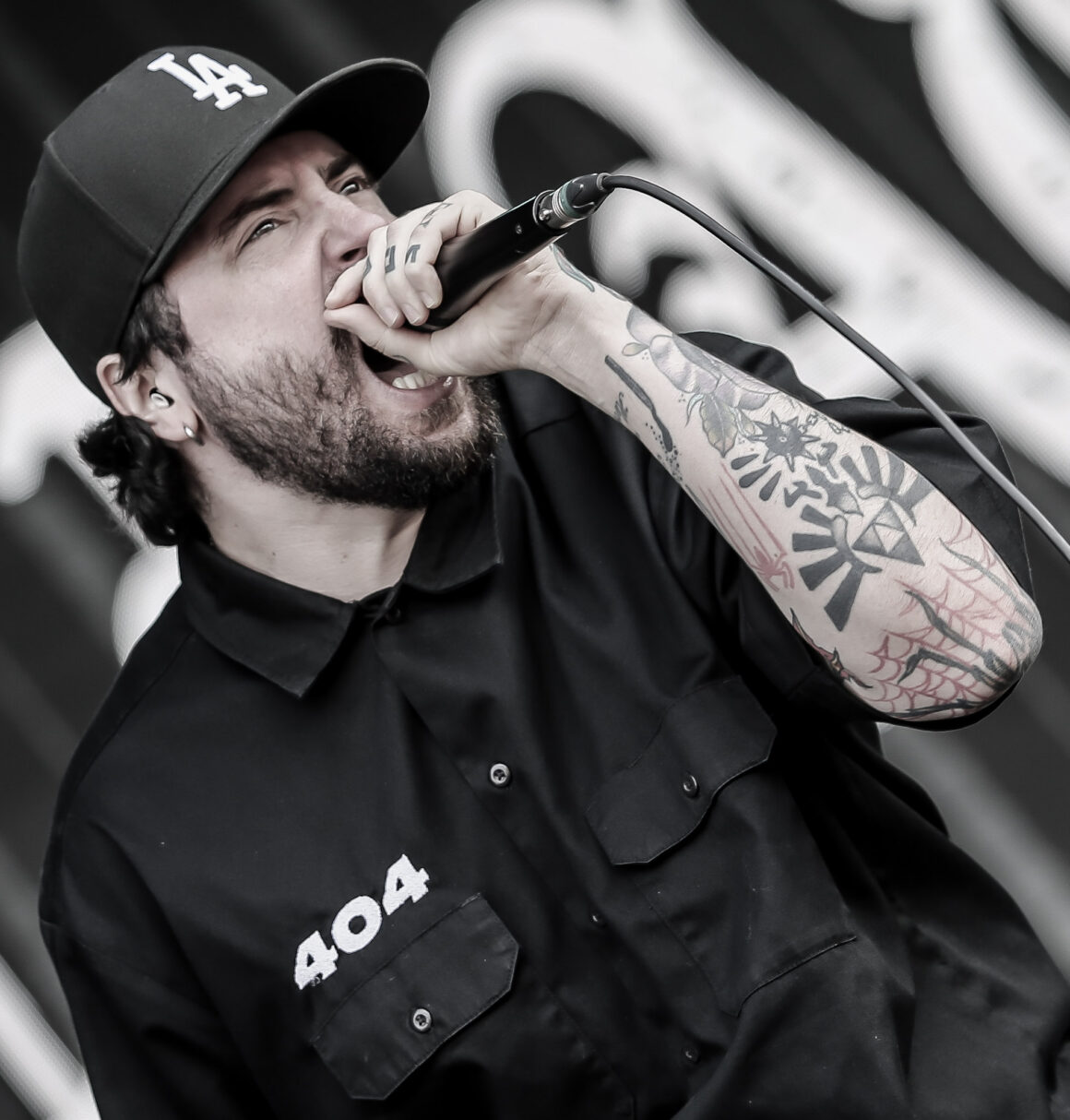
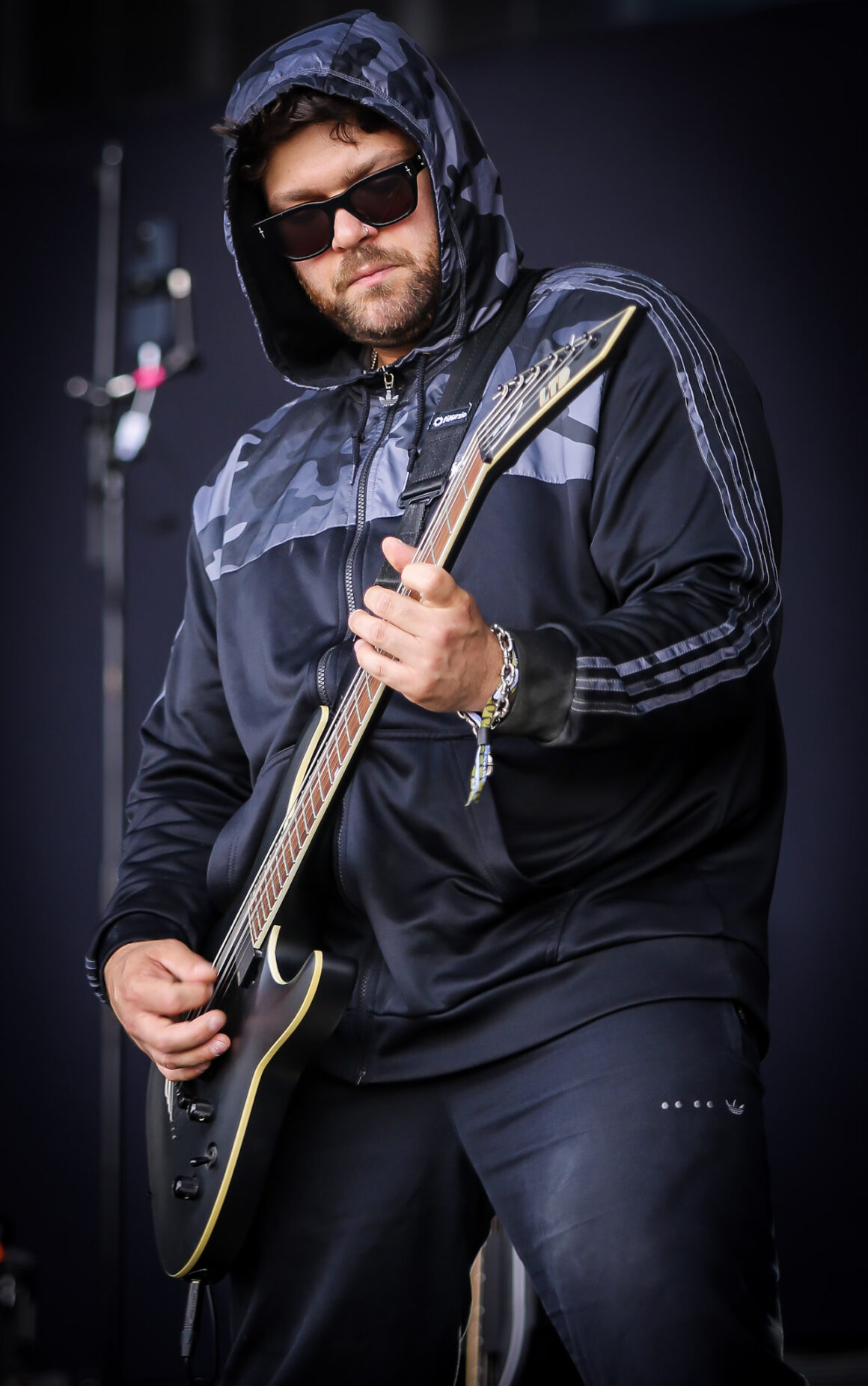
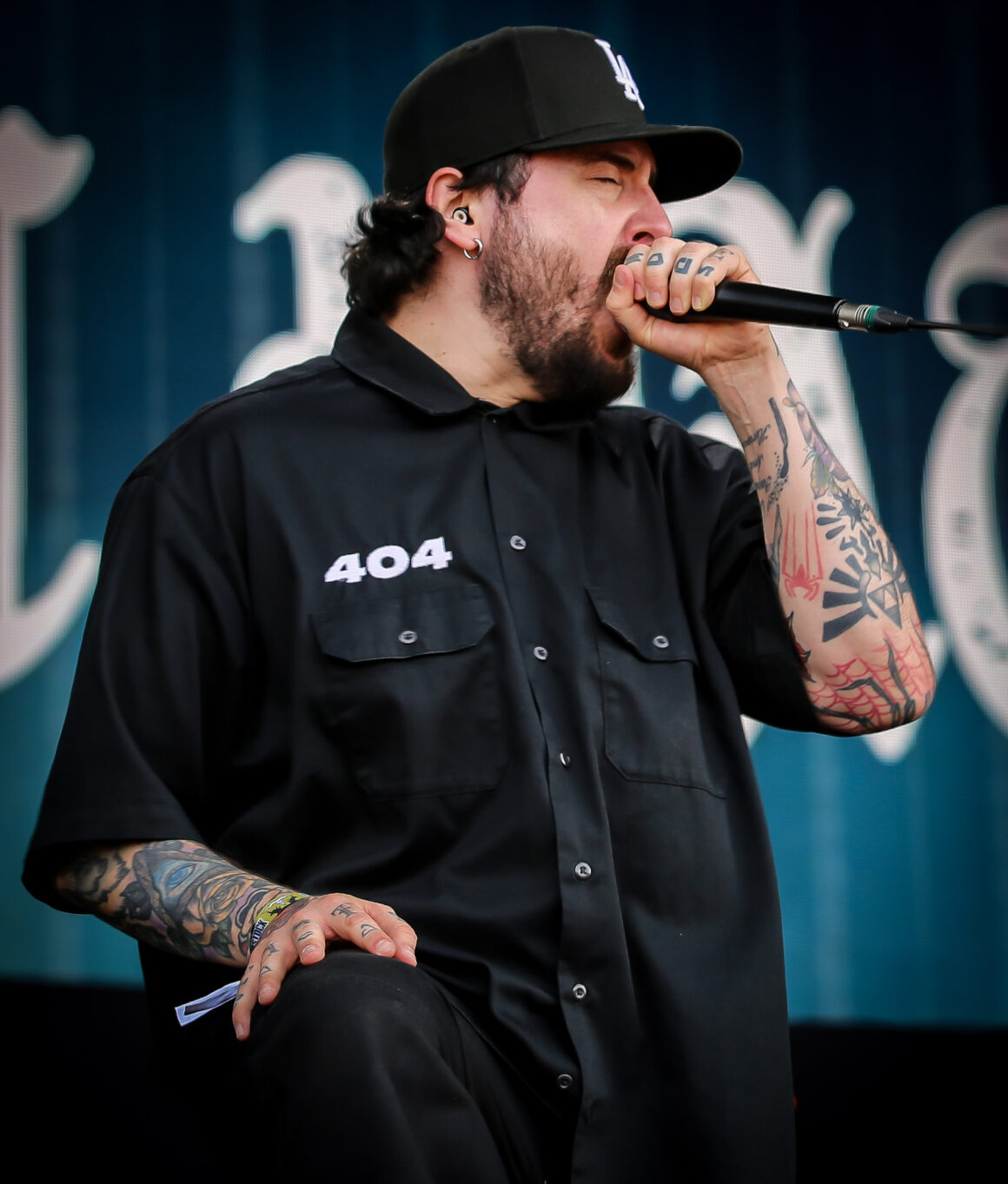
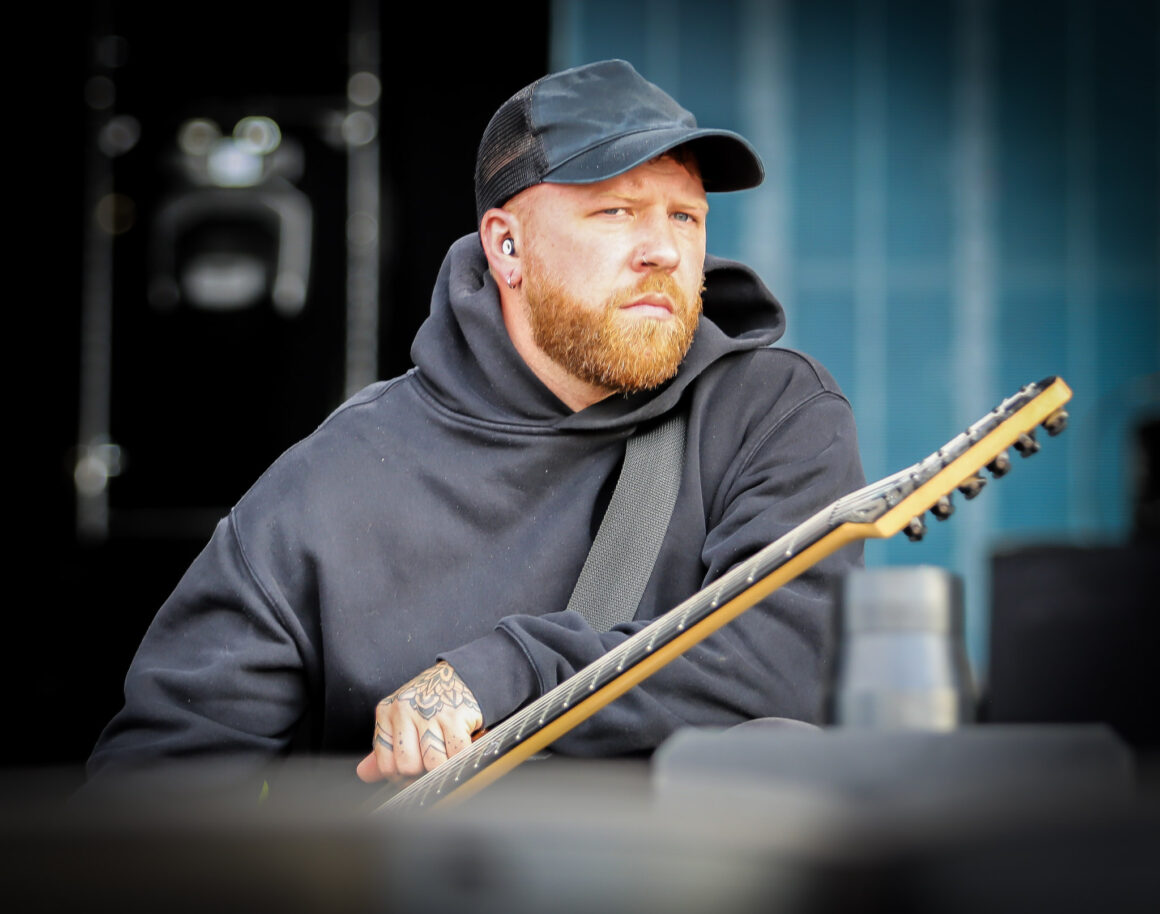
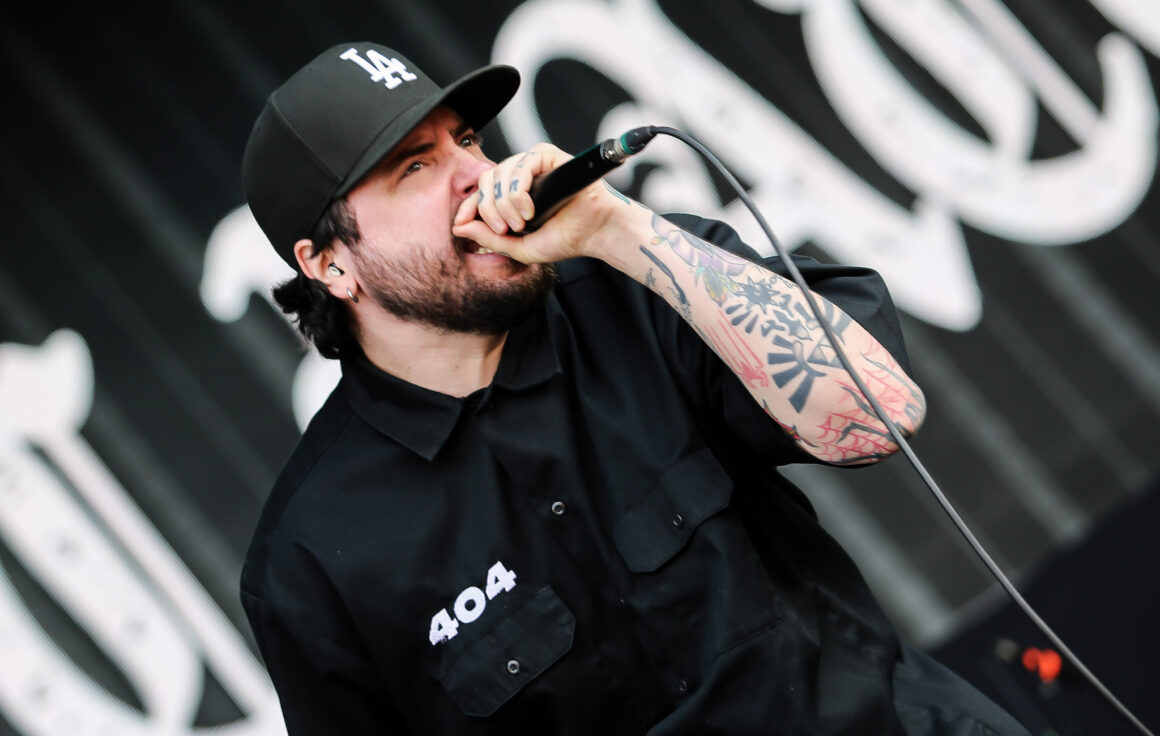
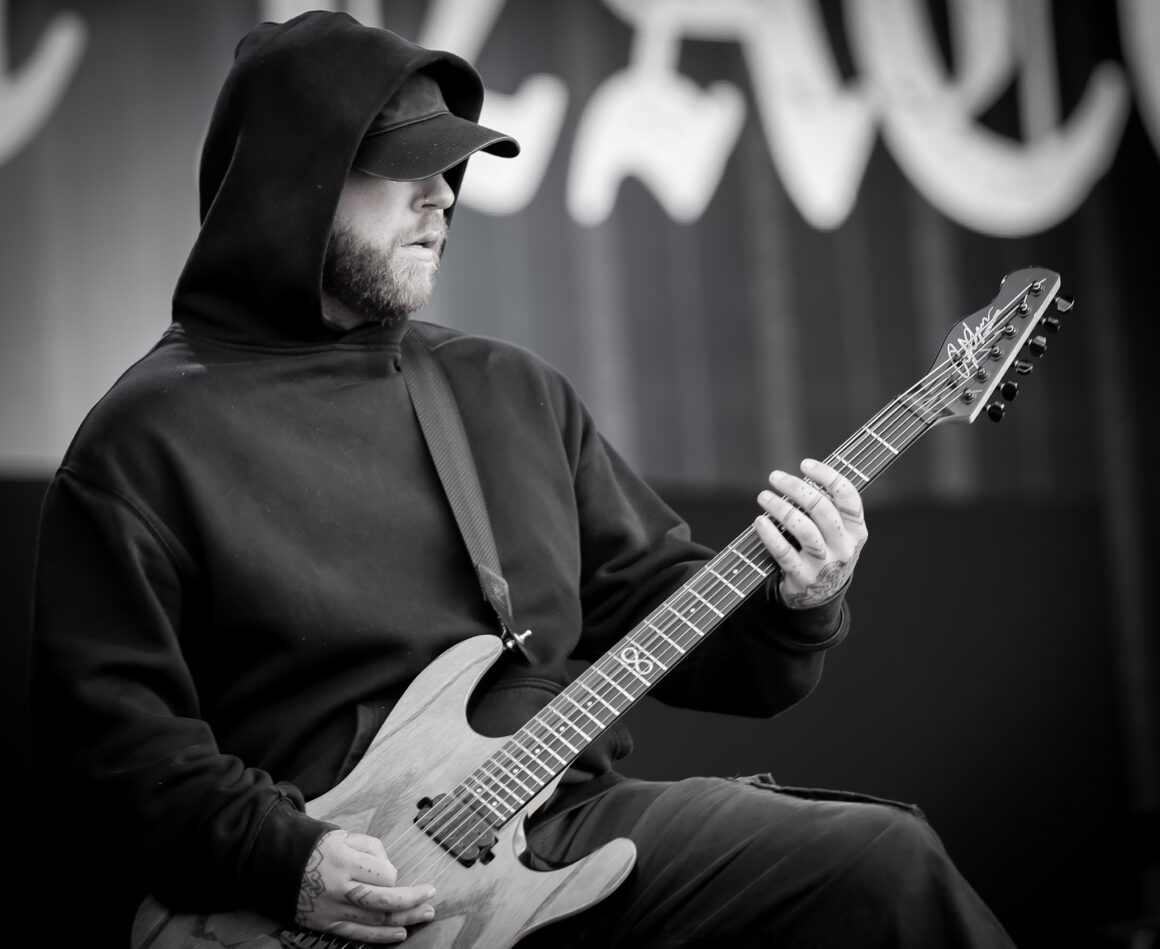
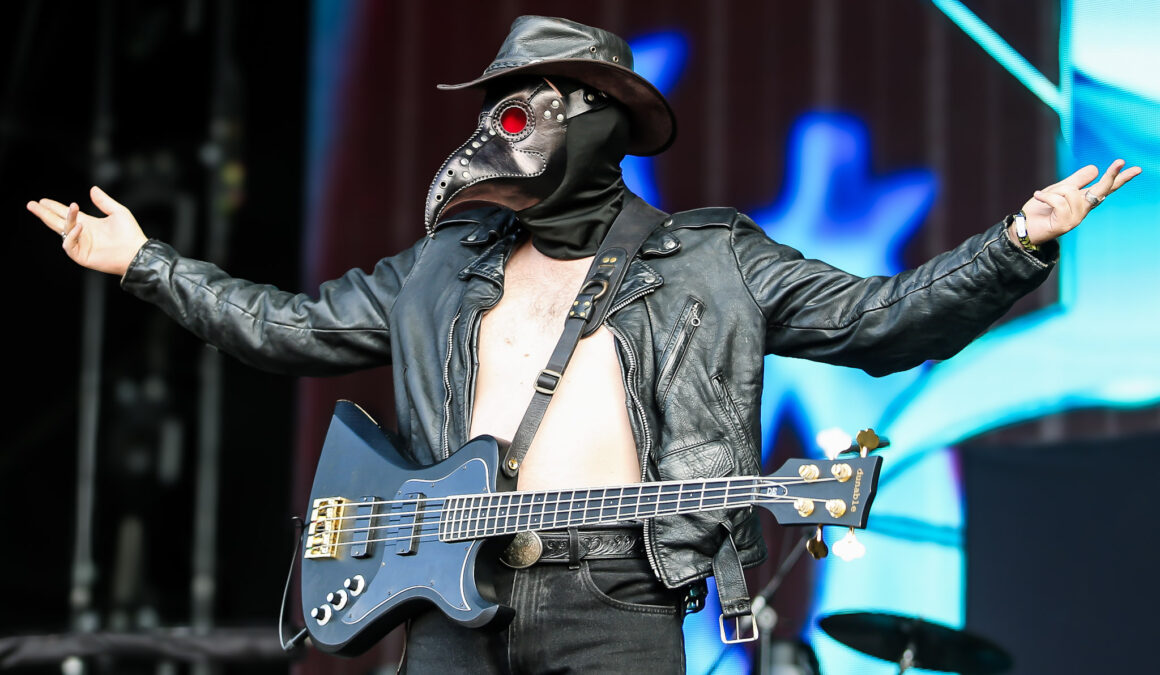
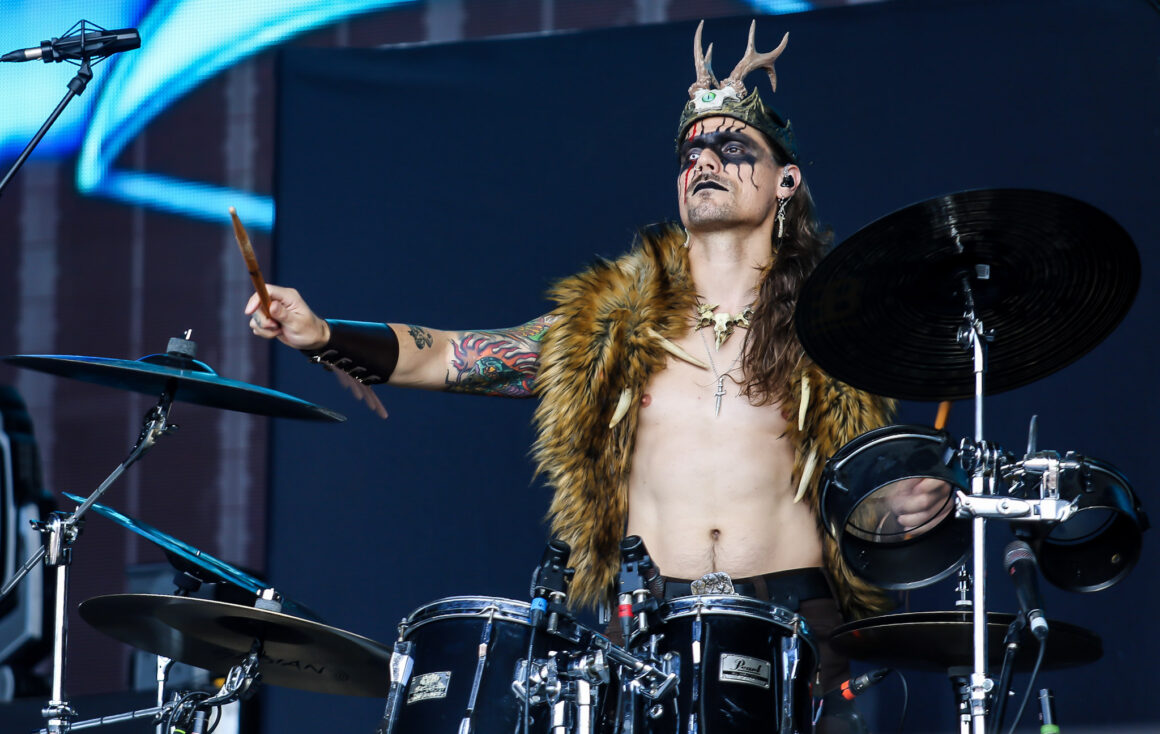
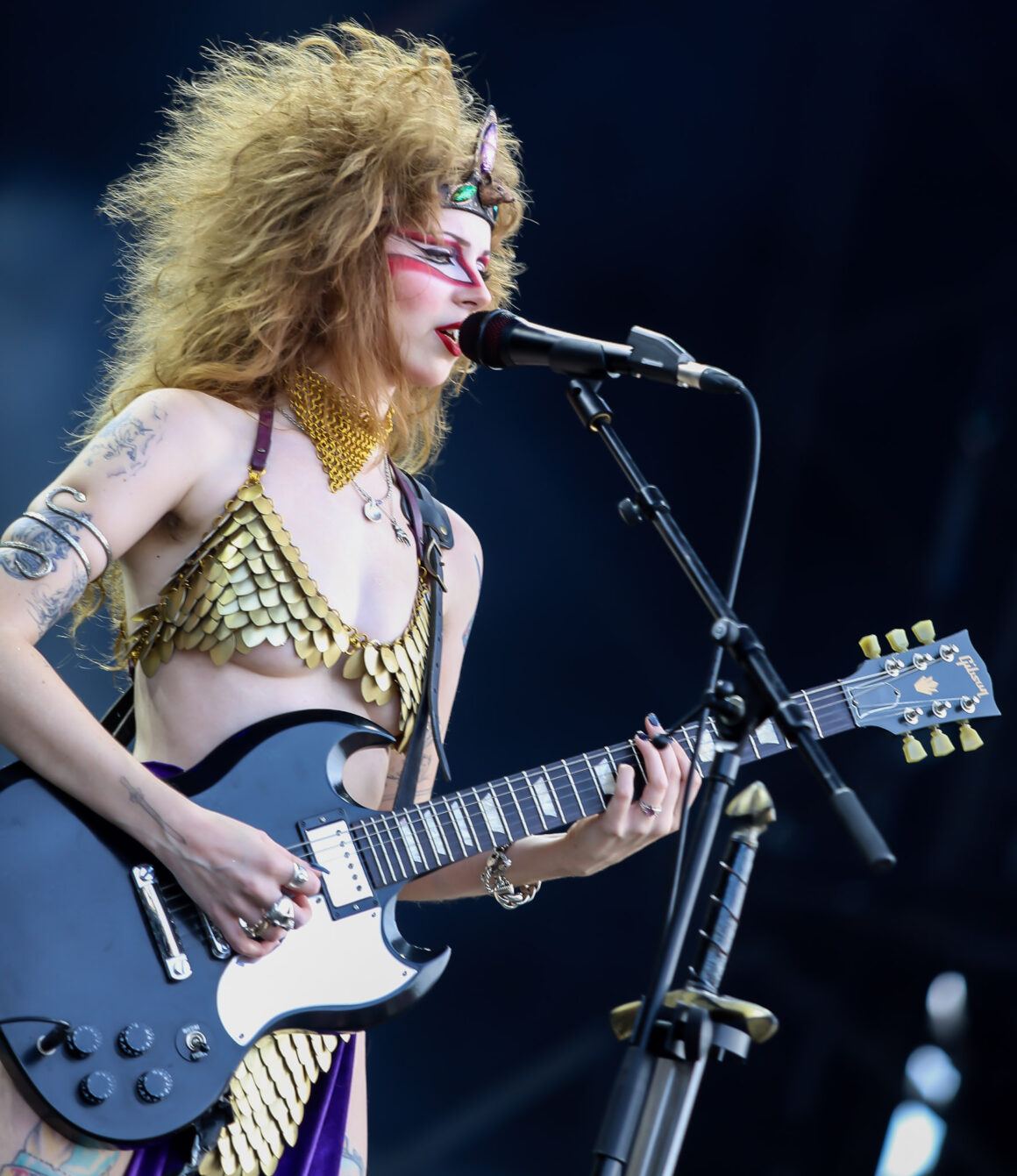
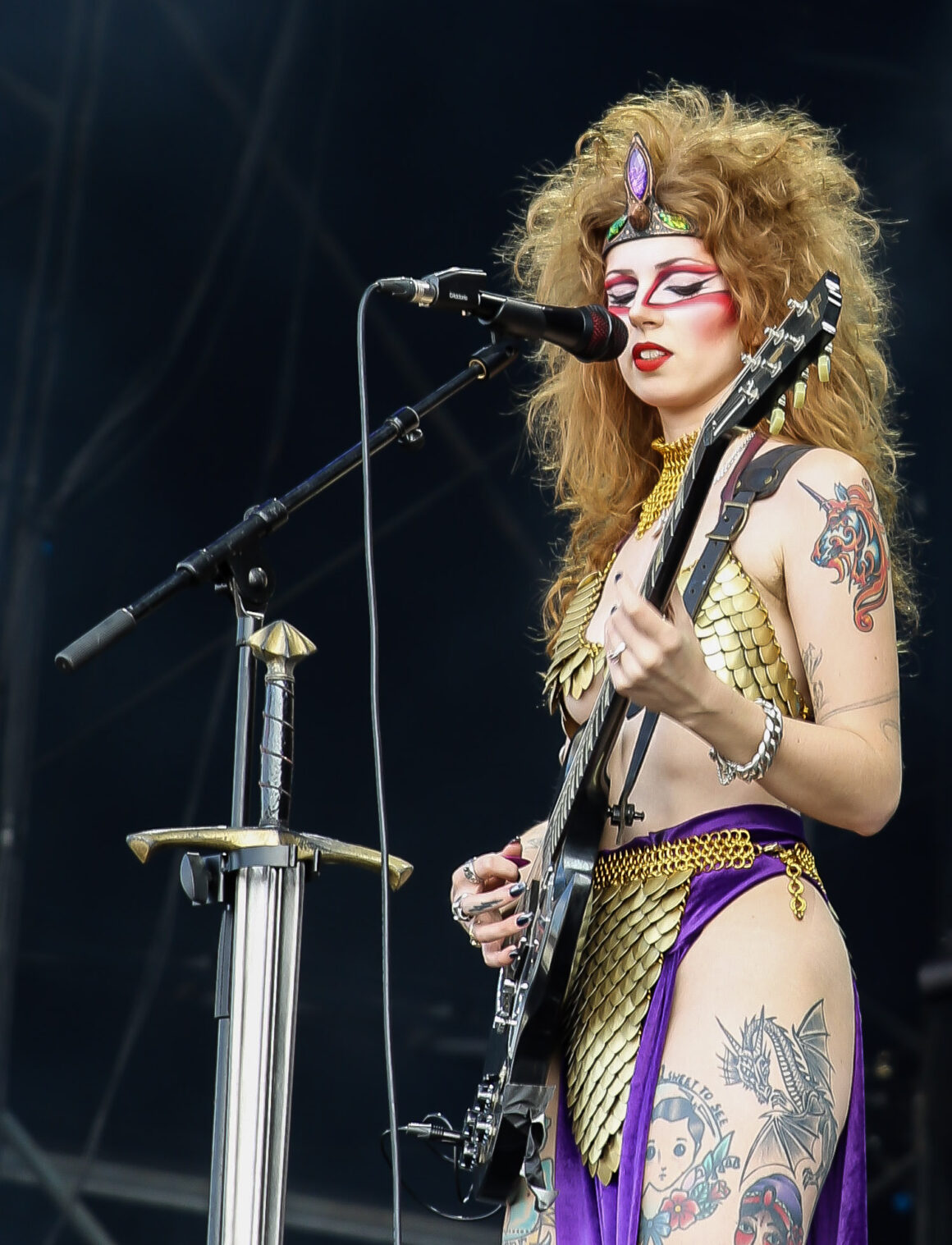
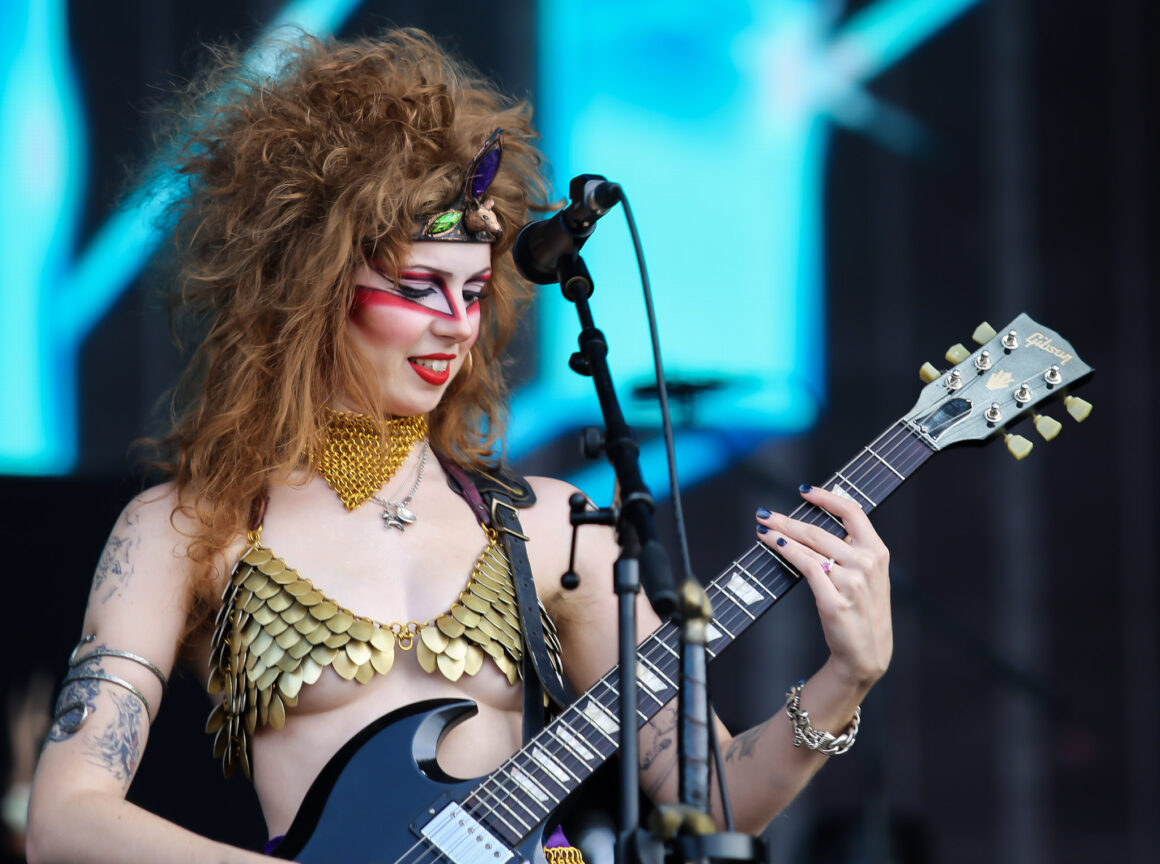
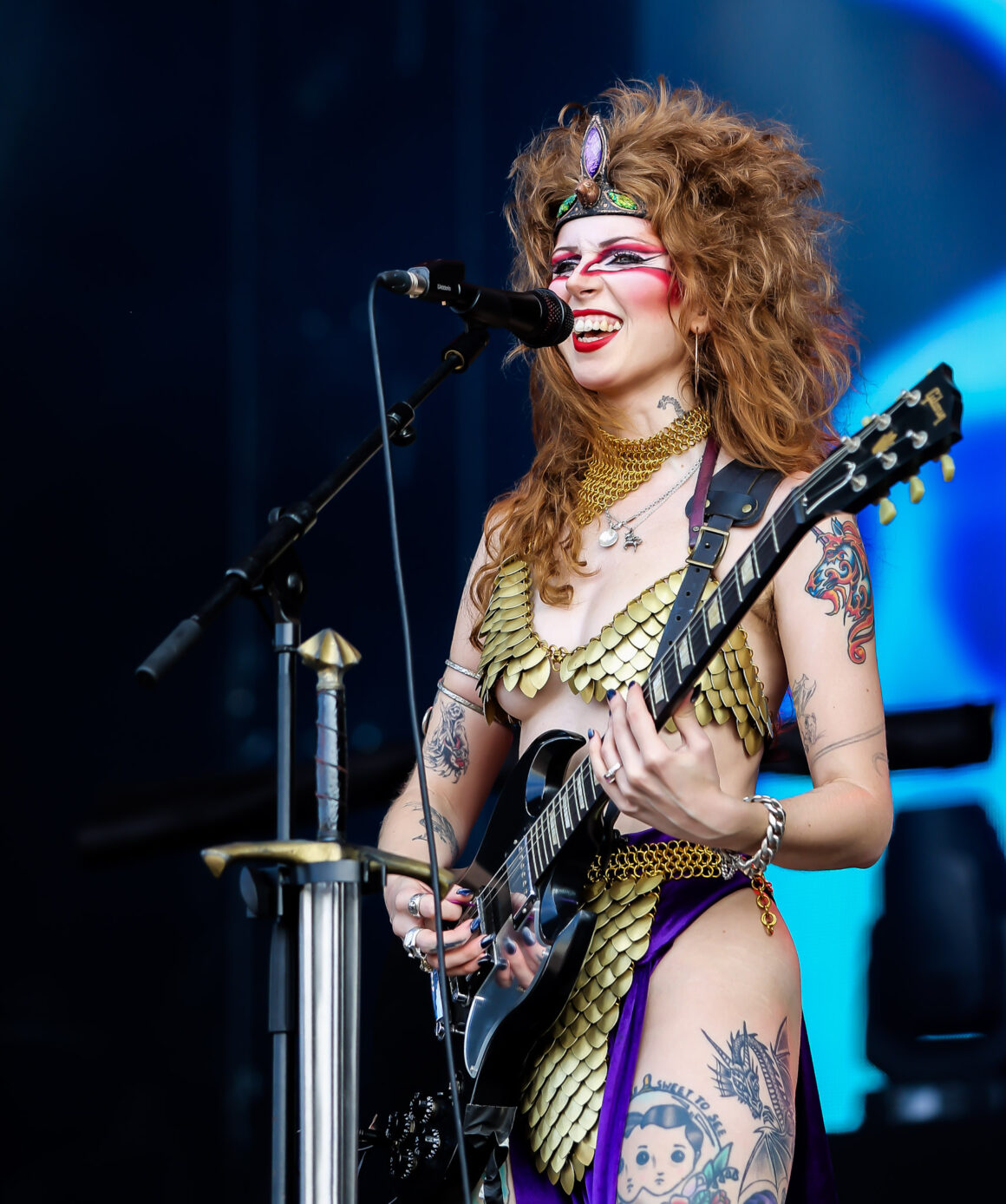
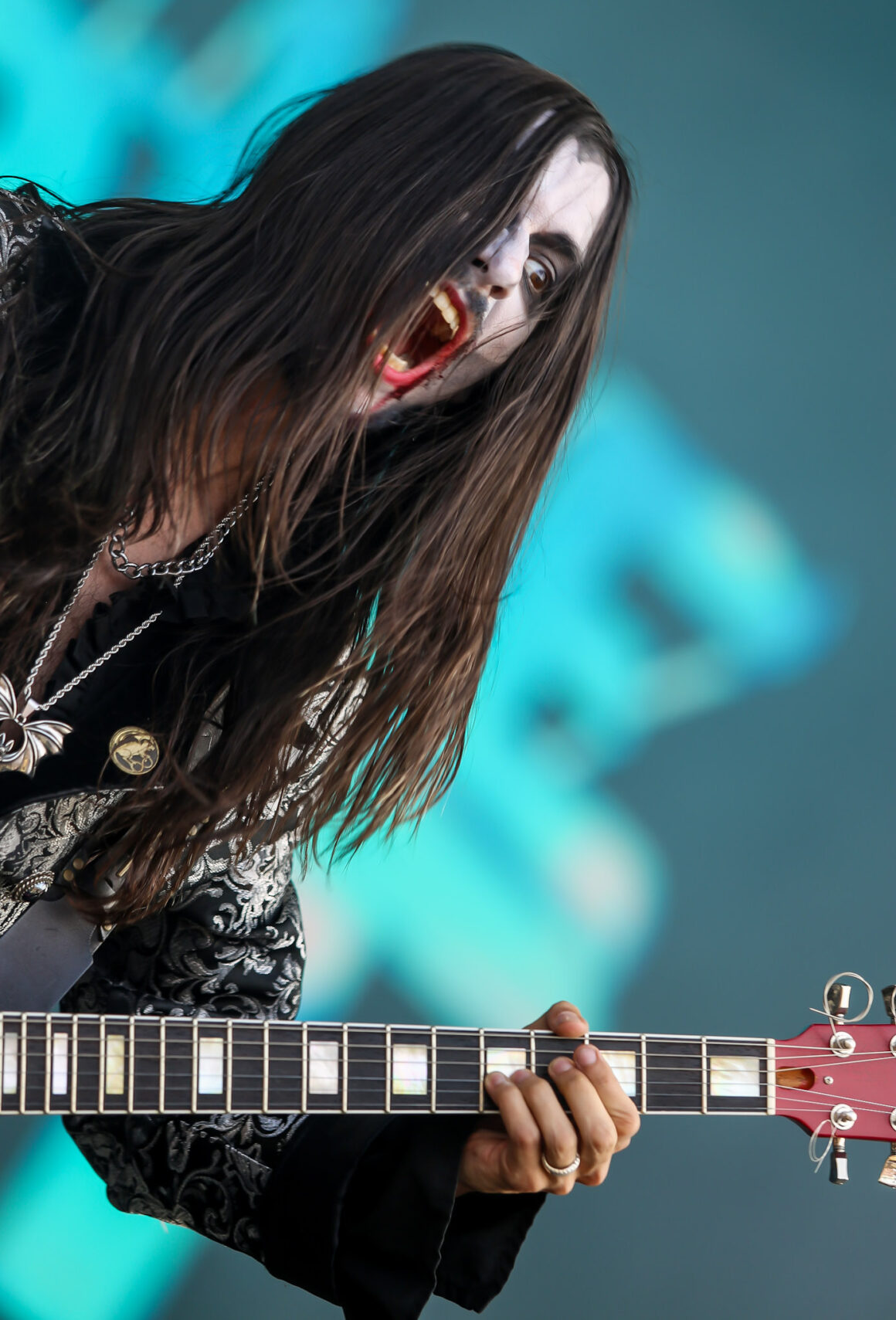
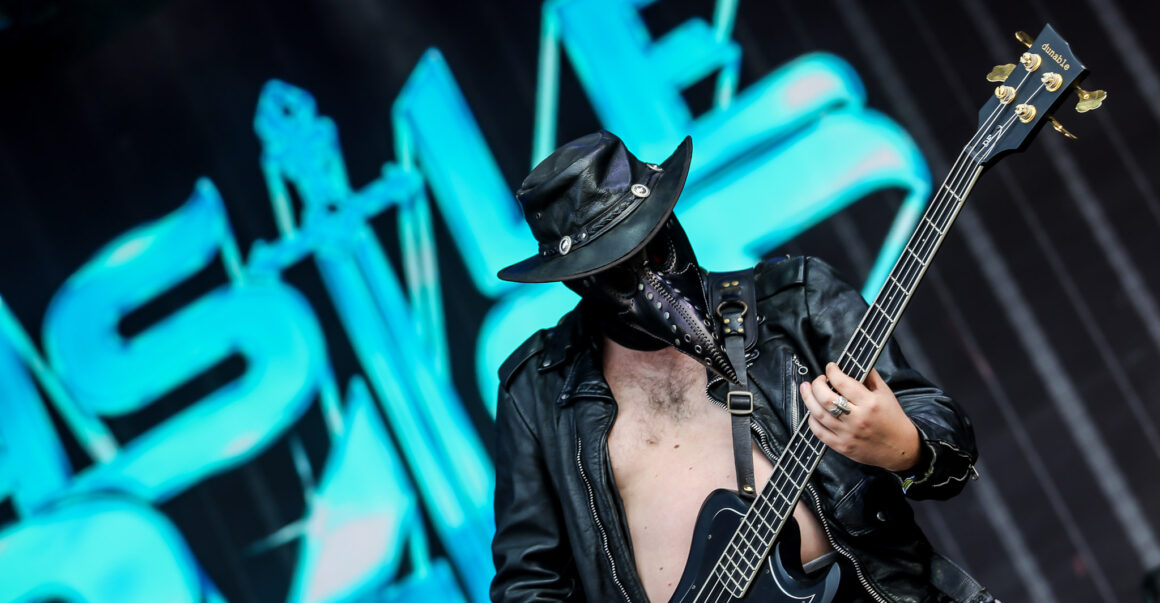
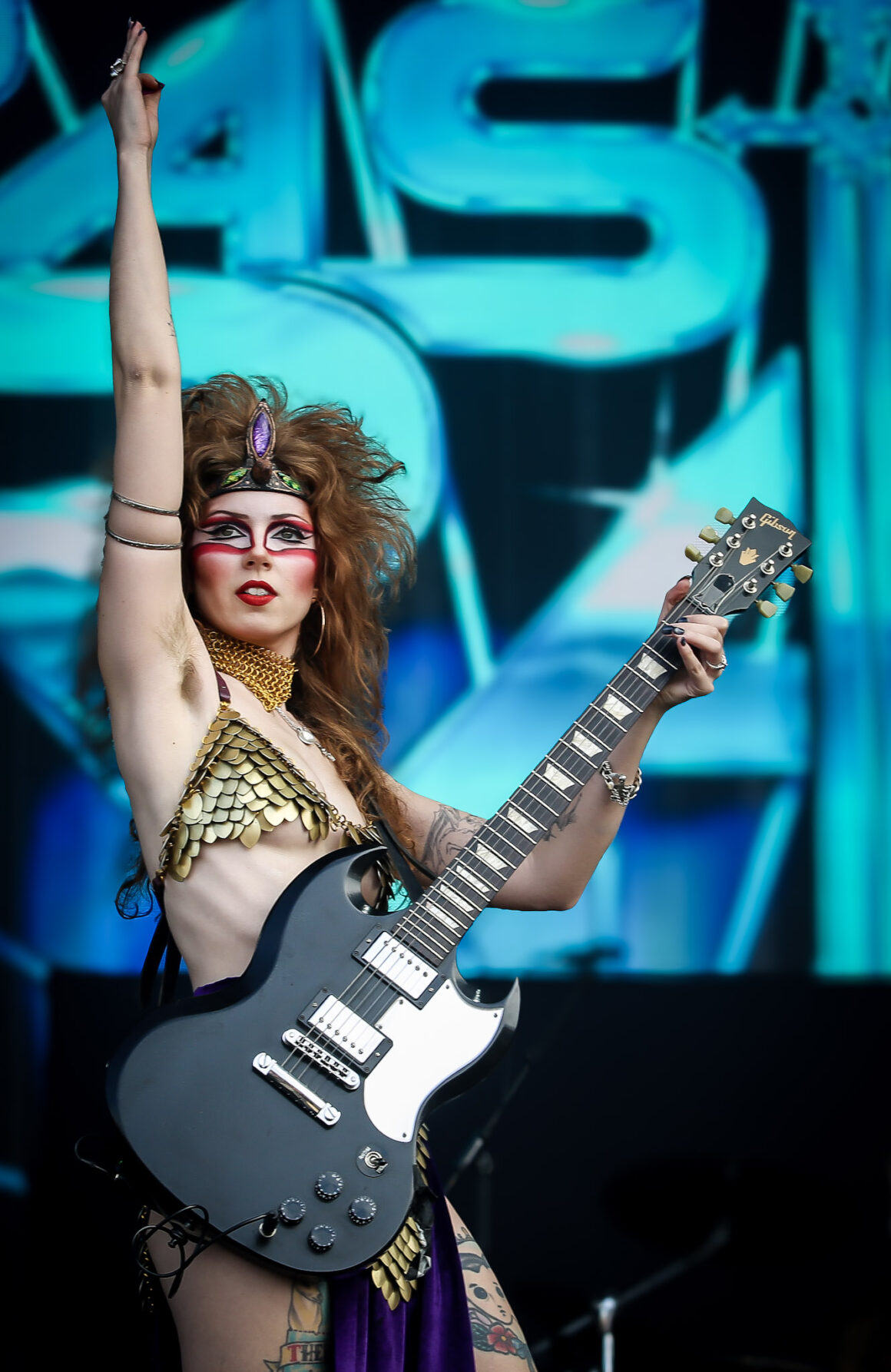
Castle Rat then brought something altogether different to the Main Stage. Their performance was as much about atmosphere and presentation as it was about the music. There was a theatrical quality running through the set, giving the band a distinctive identity that stood apart from many of the heavier, more straightforward performances around them. The vocals played a major part in creating that atmosphere. Rather than simply sitting on top of the instrumental performance, they became another part of the band’s overall character. The delivery had an eerie, dramatic quality that worked perfectly with the band’s darker musical aesthetic.
The guitars leaned heavily into classic heavy and doom-influenced territory, with riffs allowed to breathe rather than being packed together at breakneck speed. There was a satisfying weight to the guitar tone, and the lead work added colour without taking away from the atmosphere. Behind it all, the drums provided a deliberate and powerful backbone. The slower passages benefited from every hit feeling significant, while the drummer’s fills helped transition between sections without disrupting the overall mood. Castle Rat showed that being heavy doesn’t necessarily mean being relentlessly aggressive. Sometimes atmosphere, theatricality and a huge guitar tone can be just as effective.
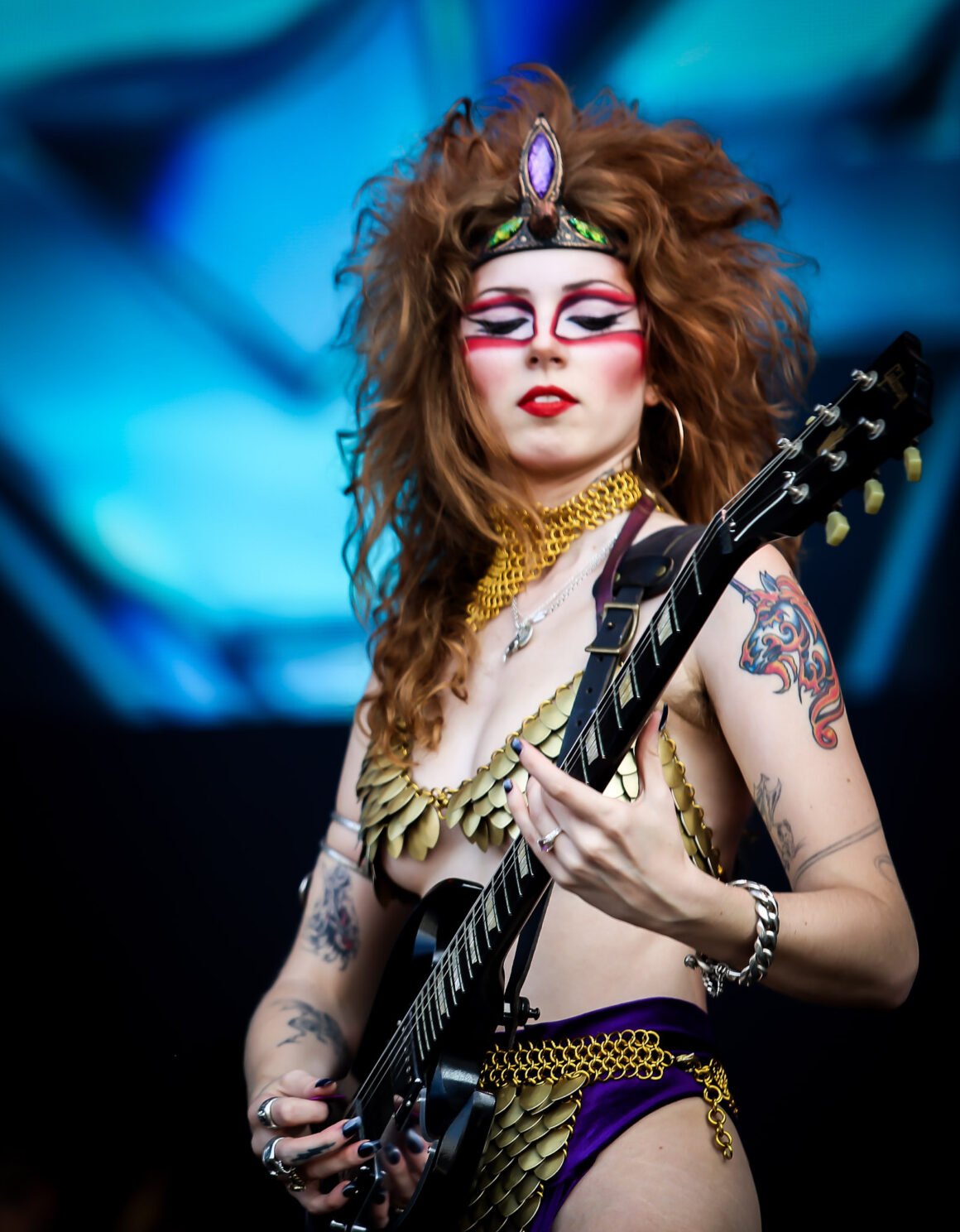
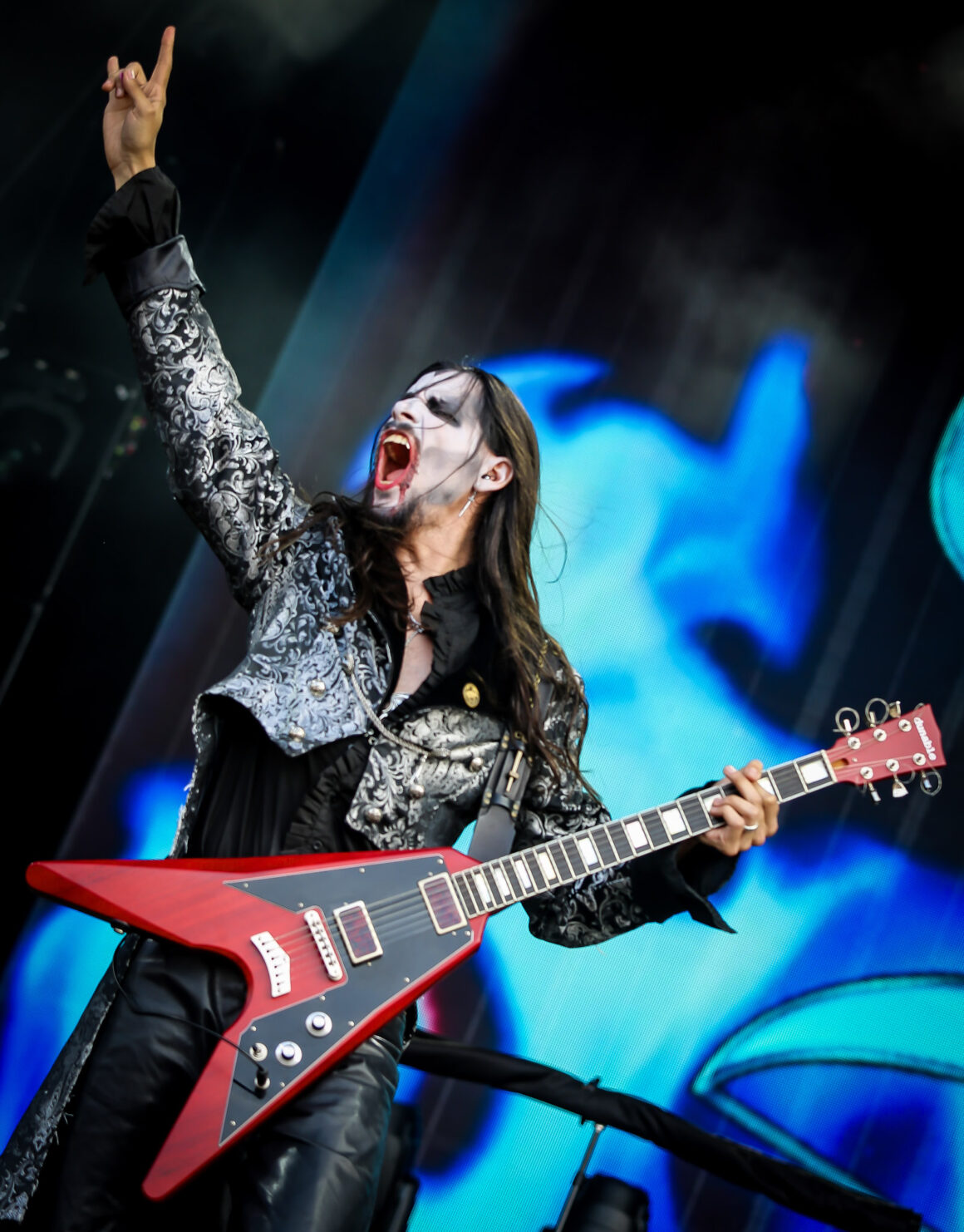
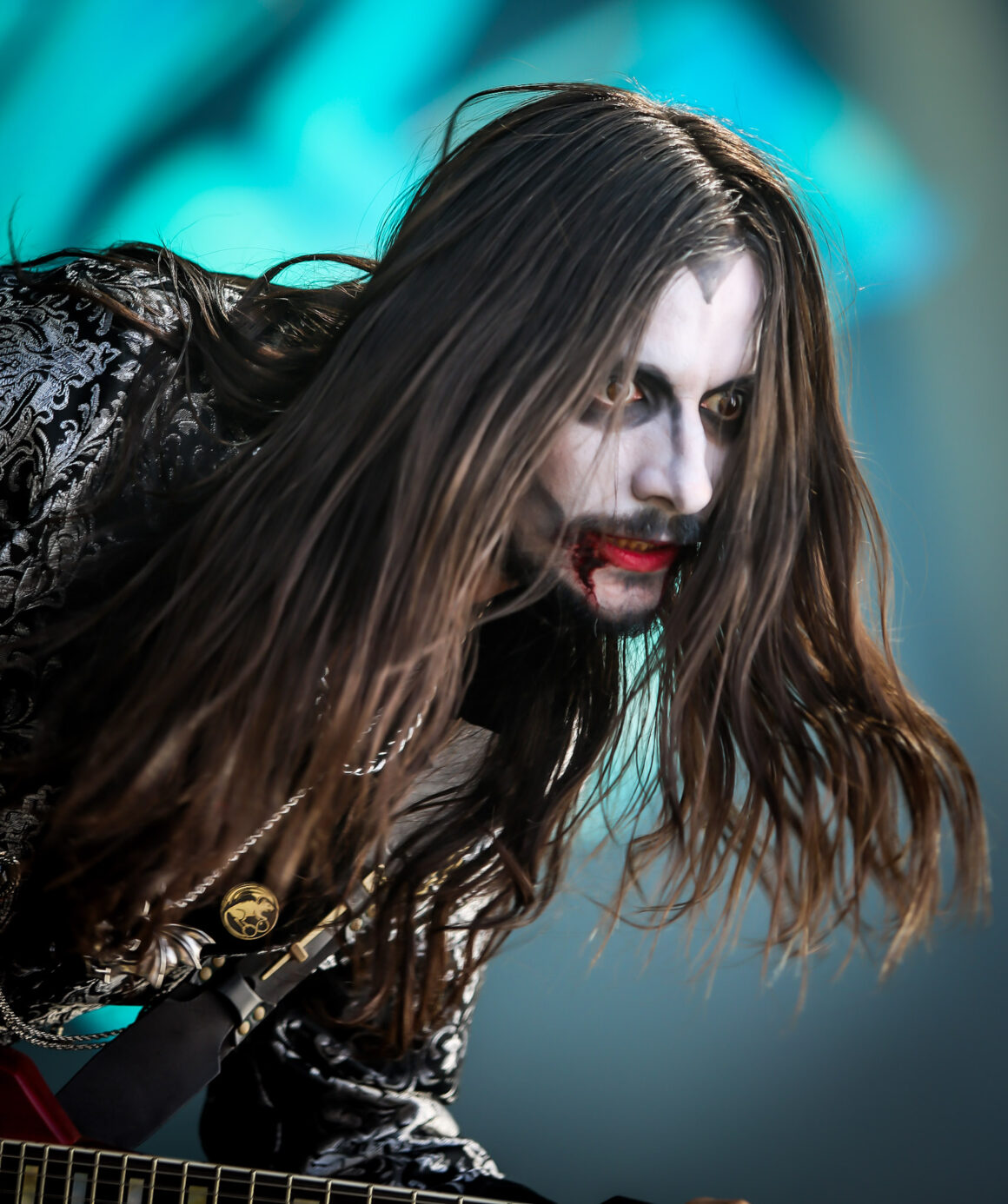
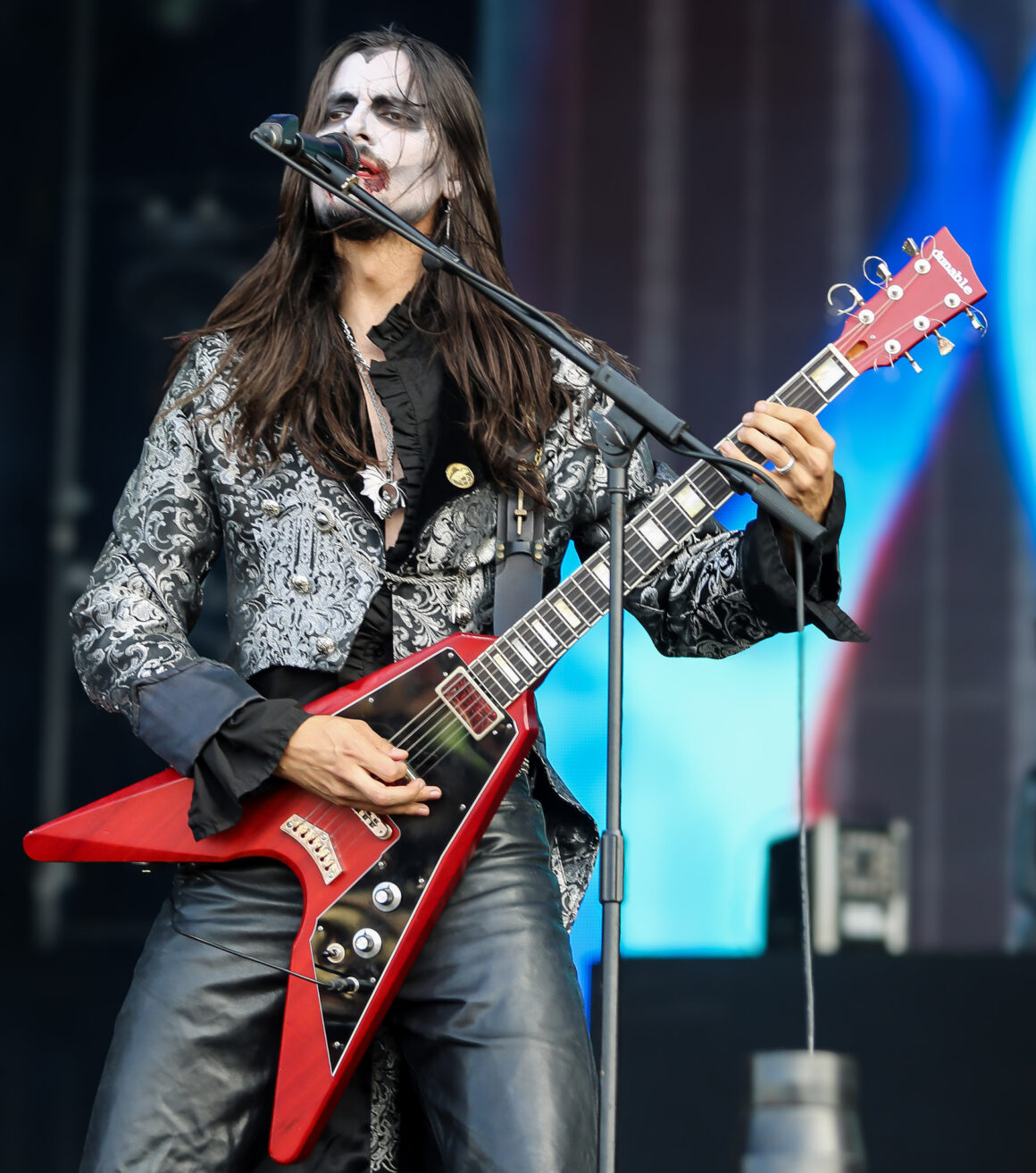
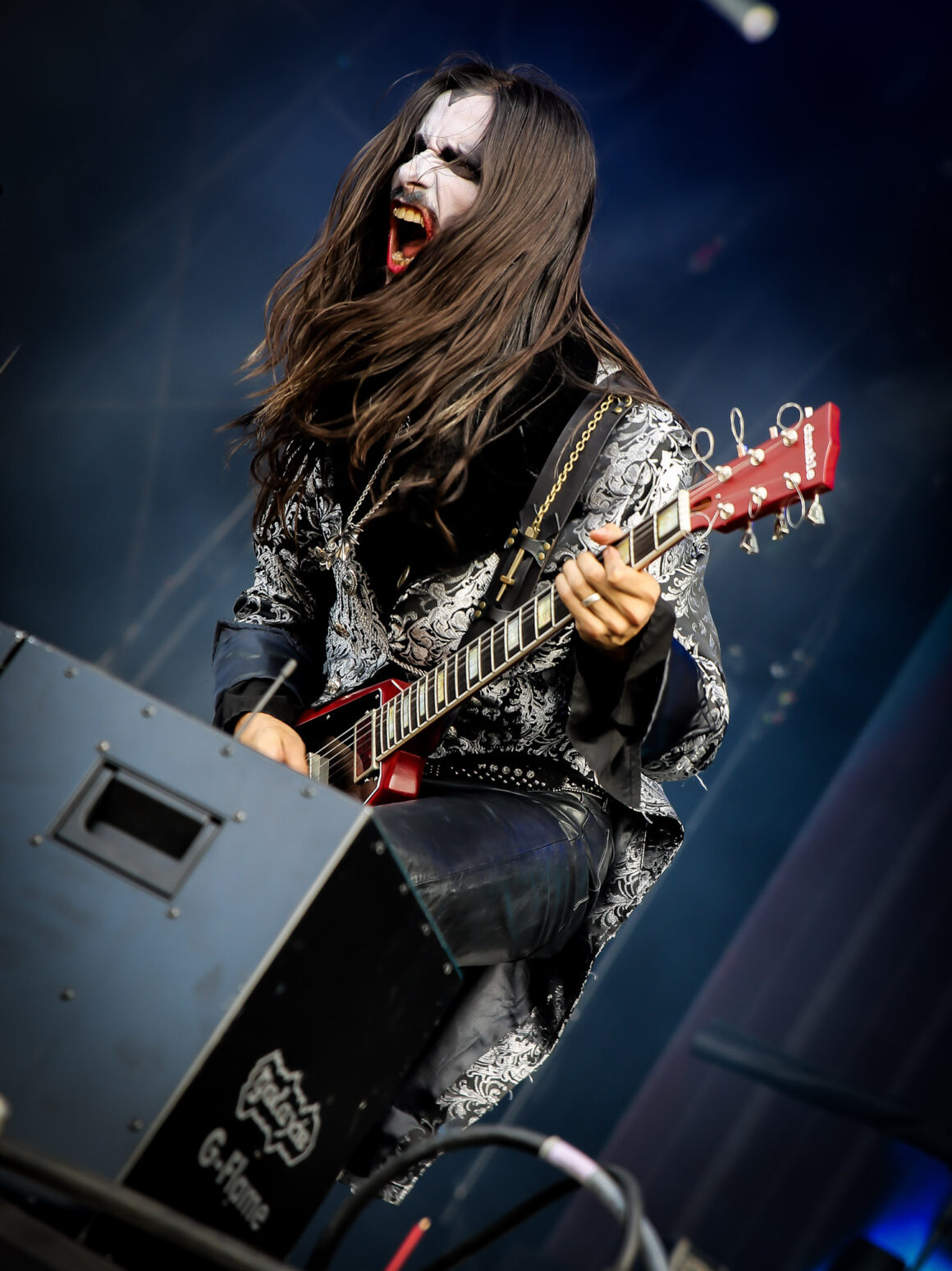
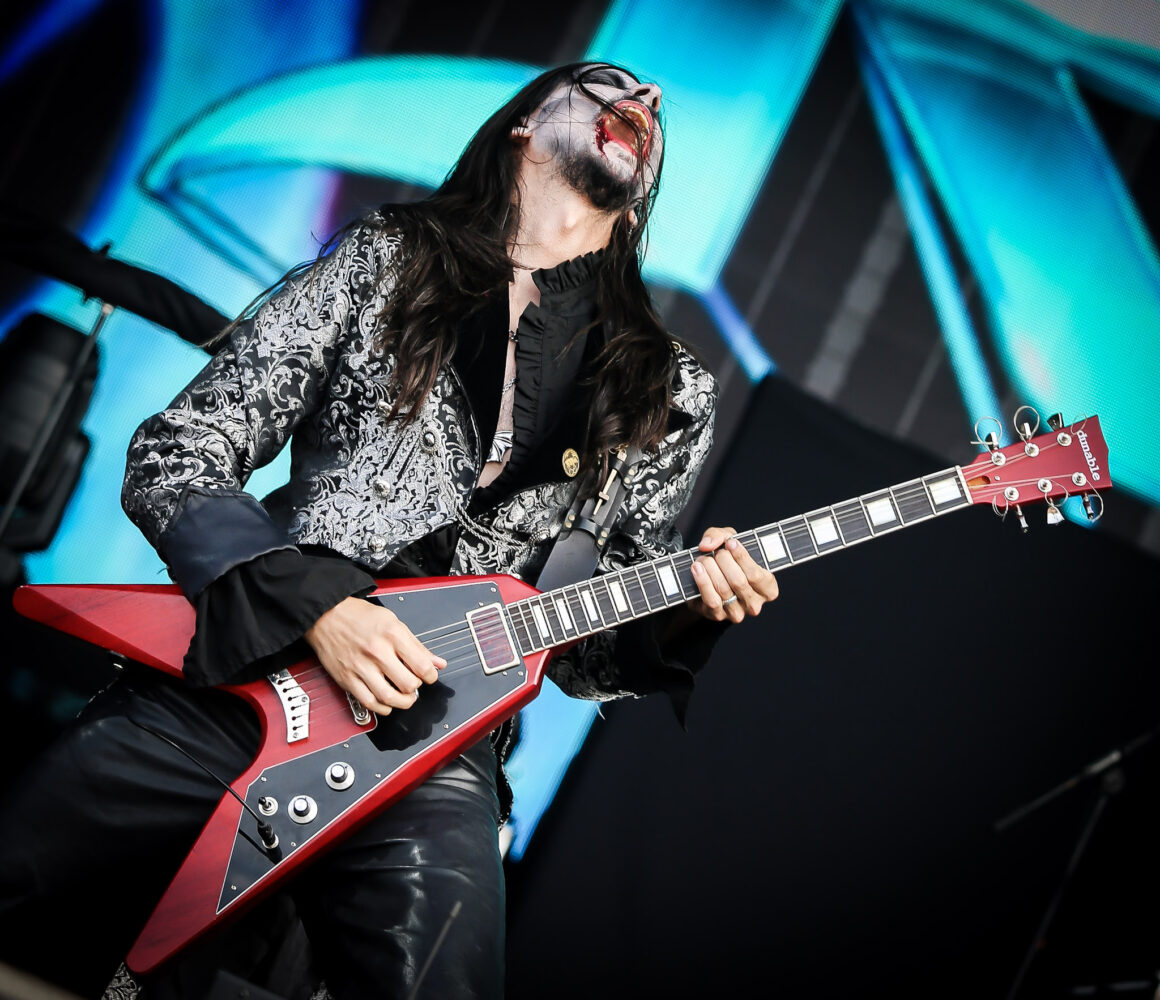
The Sophie Stage then became considerably darker with Trivax. Their performance brought a particularly sinister edge to the day, with the band’s blackened sound creating an atmosphere that was almost completely different from what had been happening on the Main Stage. The vocals were suitably harsh and venomous, cutting through the dense instrumental attack with an almost hostile quality. The delivery felt less like conventional singing and more like another weapon in the band’s arsenal.
The guitars were particularly impressive. Tremolo-picked passages created a constant sense of movement, while the heavier riffs gave the songs their weight. The guitarists maintained a balance between speed and atmosphere, allowing the music to sound chaotic without ever feeling completely uncontrolled. The drums were relentless. Rapid double-kick patterns and sharp fills added urgency, while the cymbal work helped create that swirling, overwhelming quality that works so well within Metal. Trivax offered one of the day’s most uncompromising performances and showed exactly why the Sophie Stage can be such an important part of Bloodstock’s overall experience.
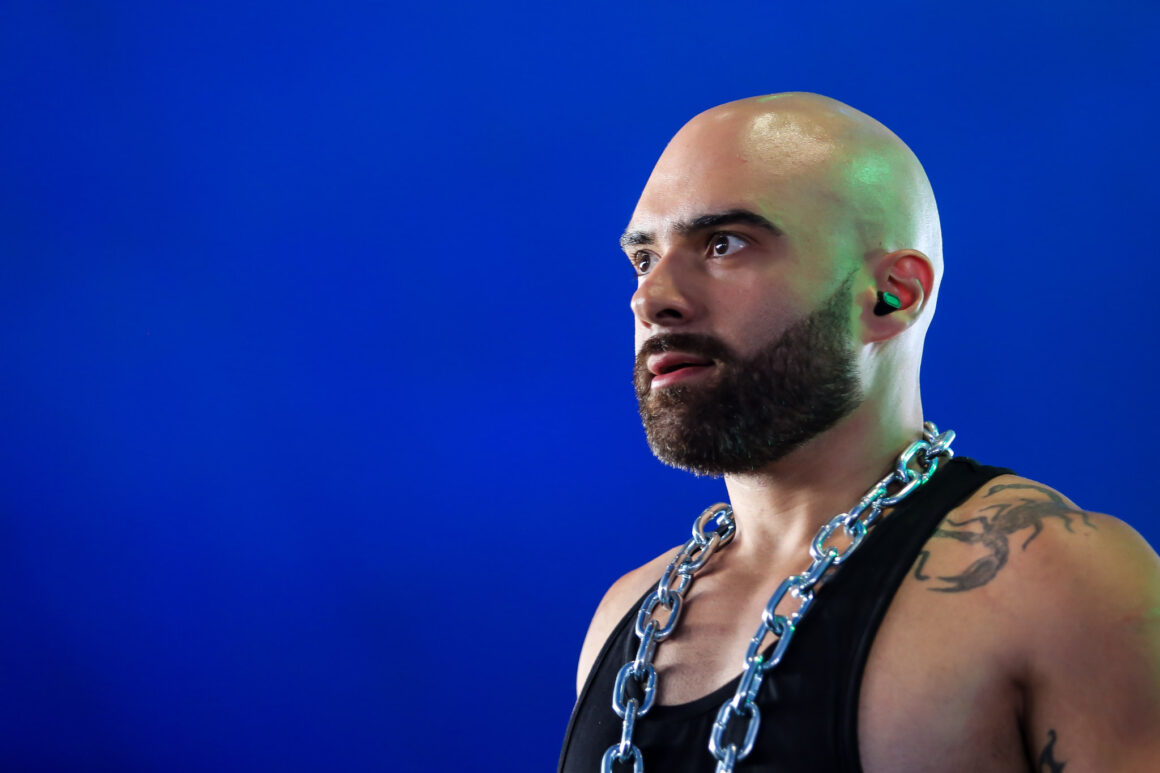
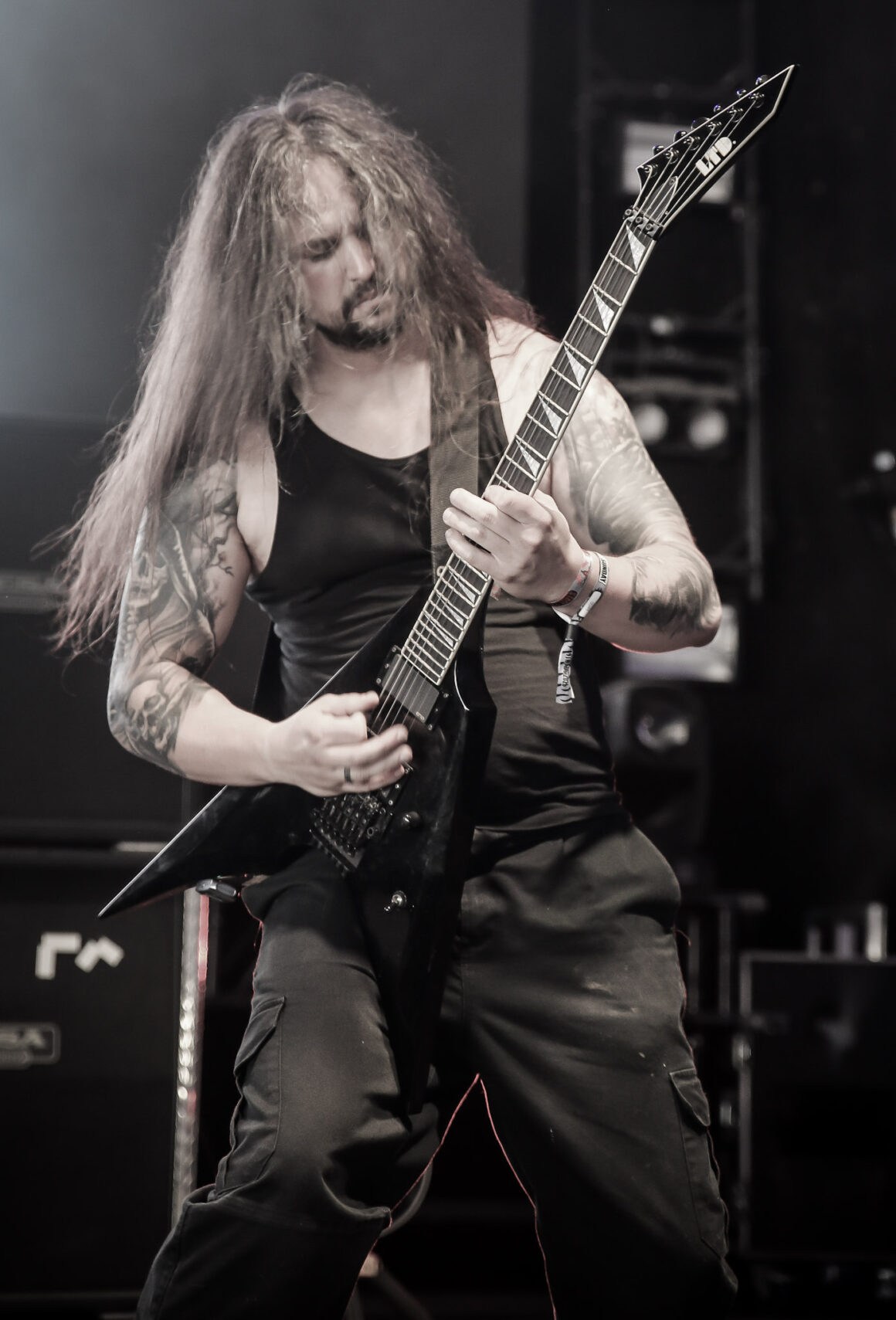
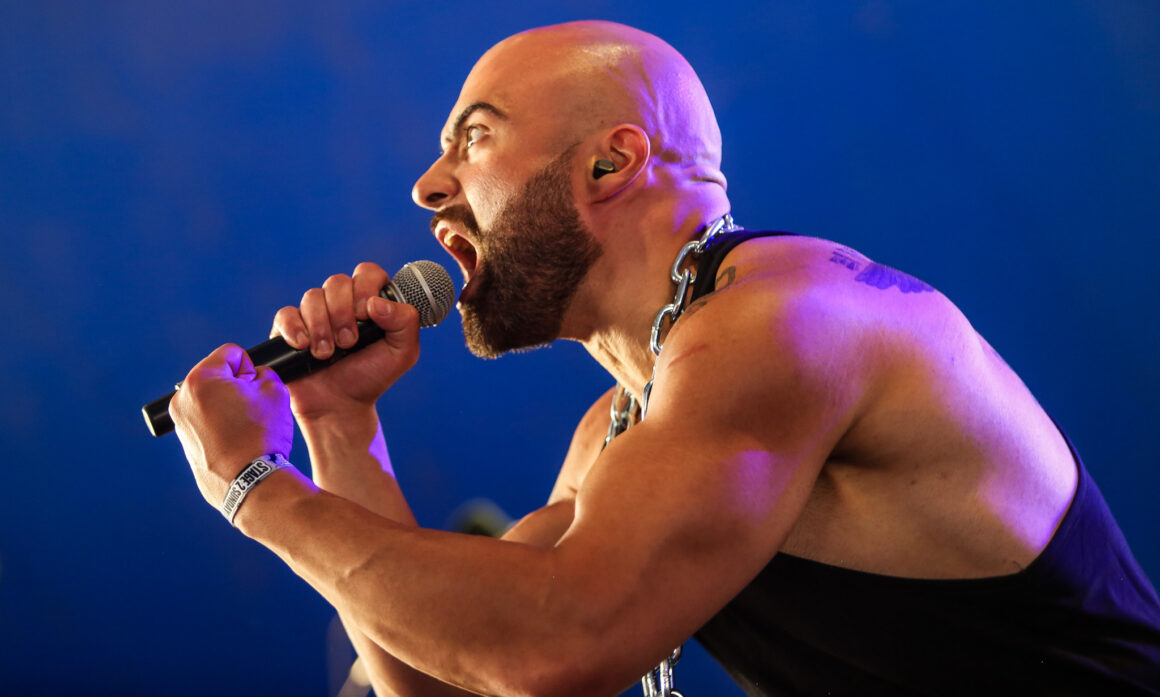
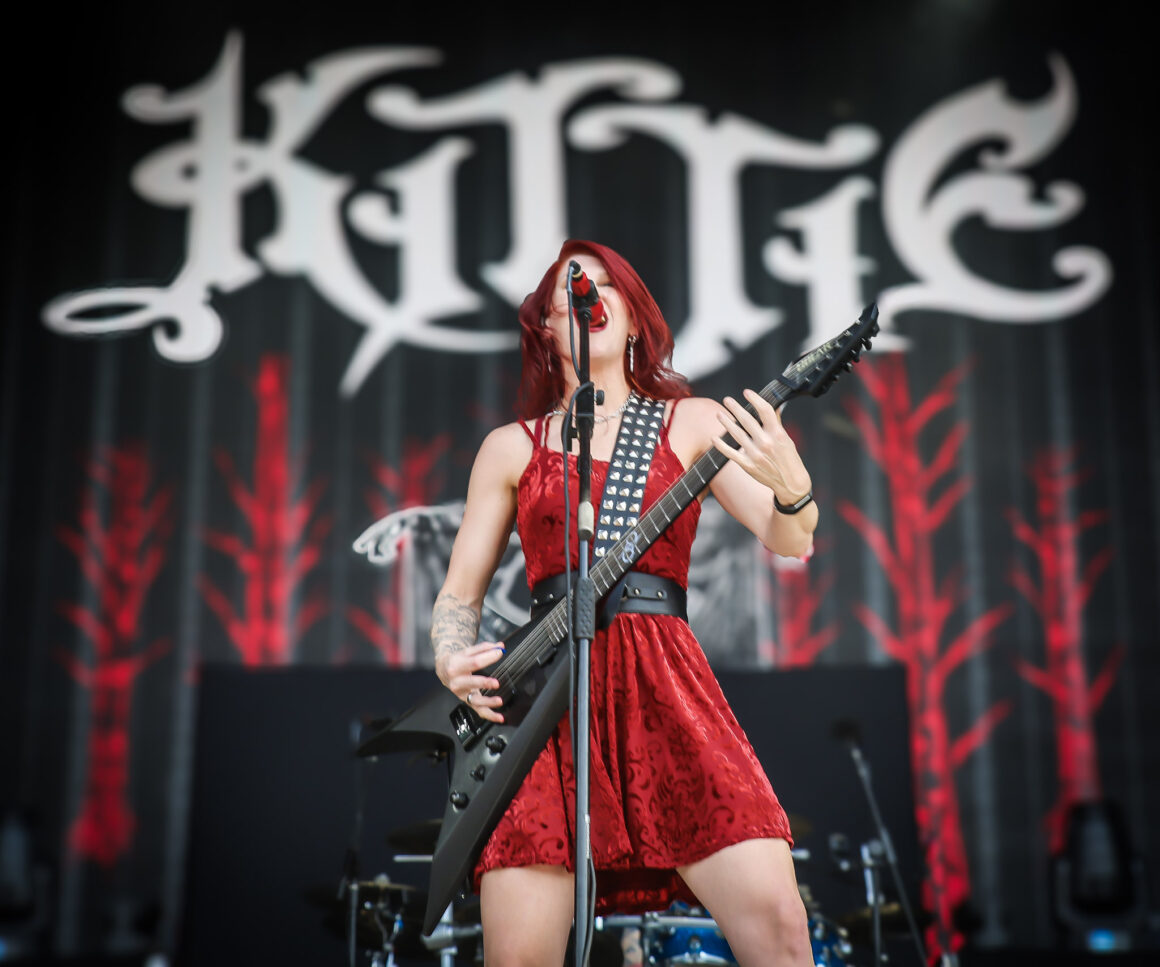
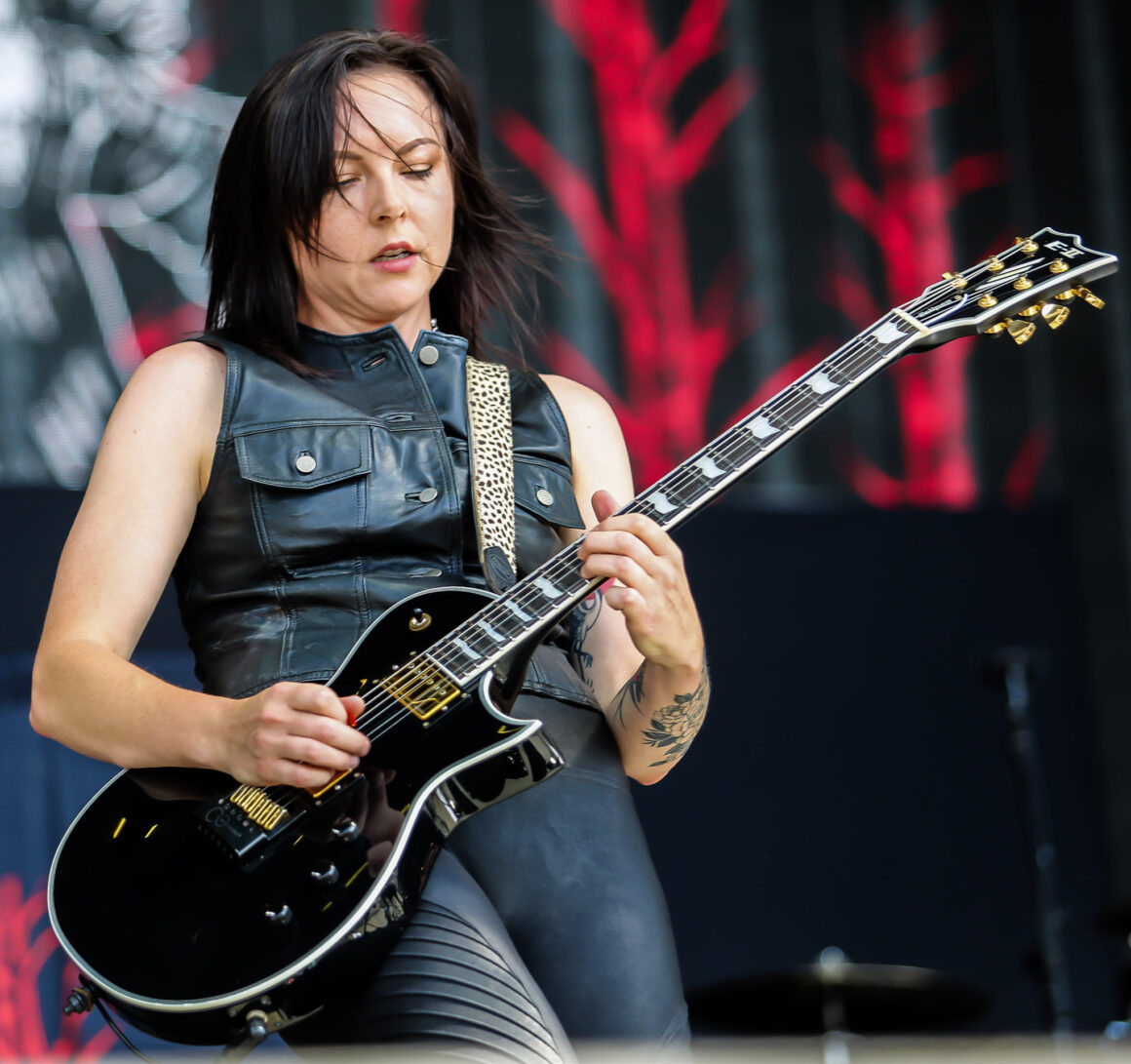
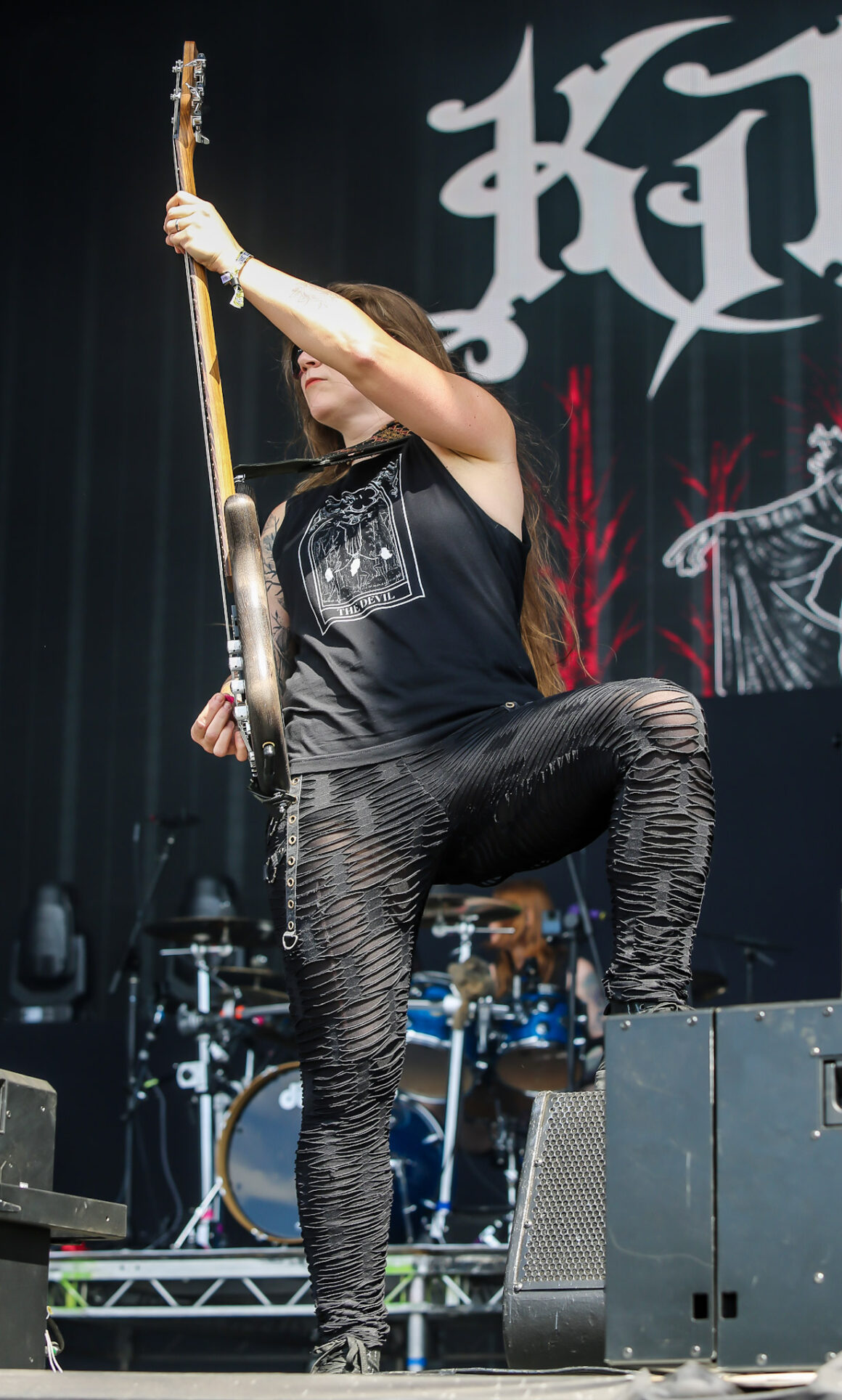
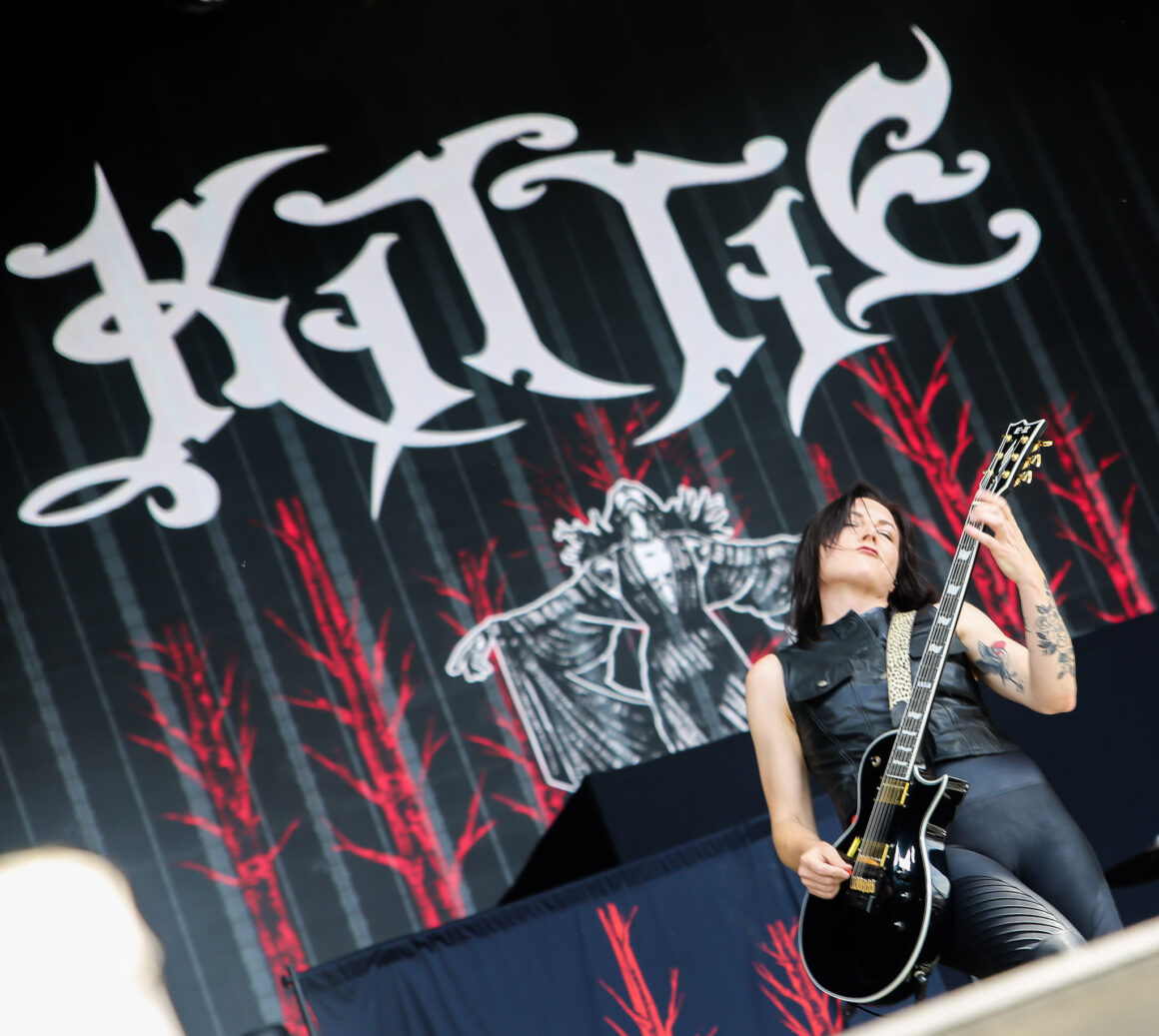
Then came Kittie, one of the day’s most anticipated Main Stage performances. Their set demonstrated the experience that comes from years of performing at the highest level. The vocals were powerful and controlled, capable of shifting between melodic passages and more aggressive delivery without losing their impact. There was a confidence to the performance that immediately connected with the crowd.
The guitar work was another major highlight. The riffs had plenty of weight, but there was also an impressive level of detail in the lead playing. The guitars moved between heavy rhythm sections and more melodic passages, giving the songs a dynamic quality that worked particularly well in a large outdoor setting. The drums provided a huge amount of power. The playing was tight and precise, but it never sounded clinical. Every kick, snare hit and fill contributed to the overall impact of the songs, with the drummer providing the backbone for the band’s heavier moments. Kittie delivered a performance that felt both powerful and assured, reminding everyone why they have remained such an influential name in heavy music.
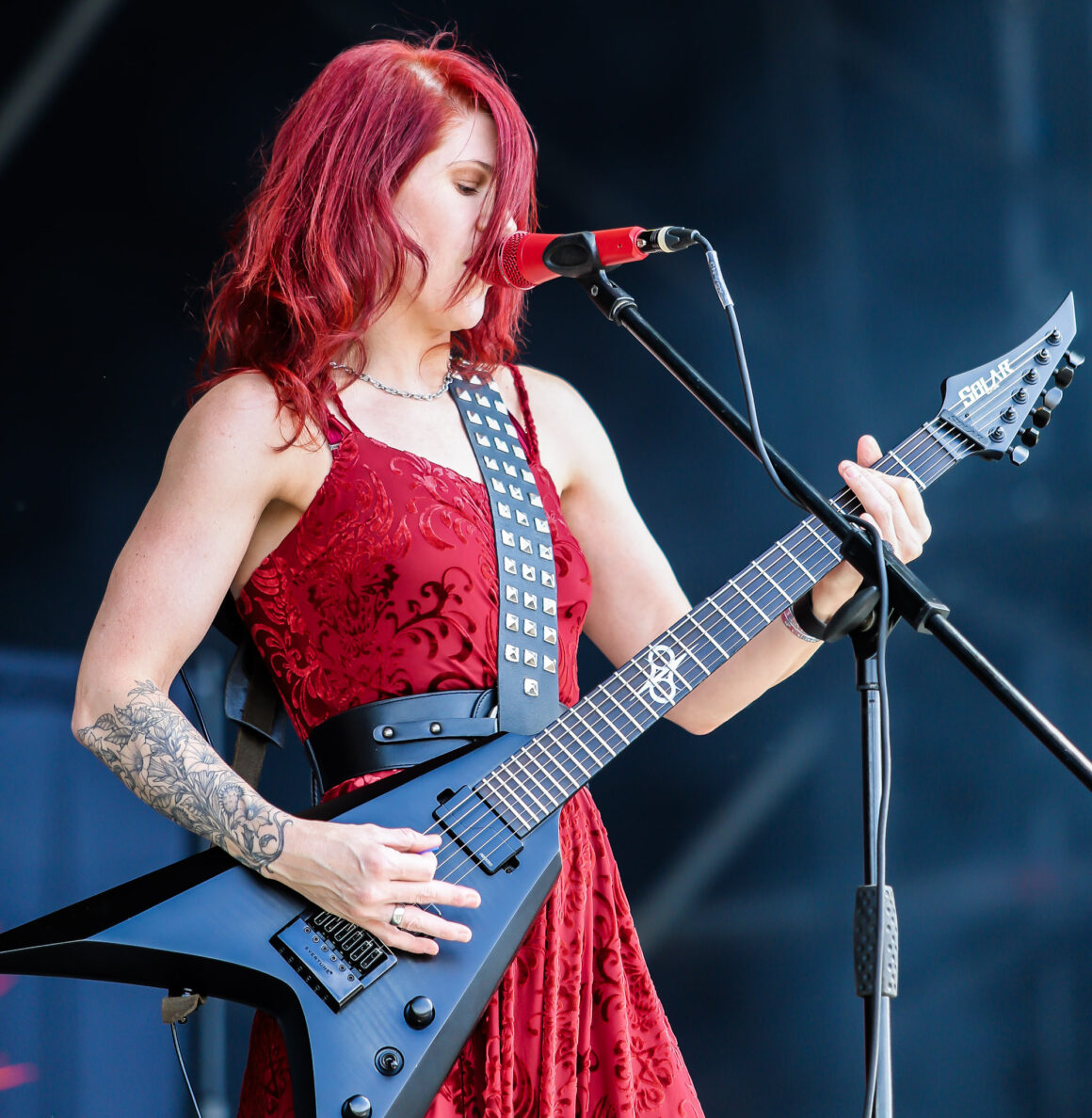
Orbit Culture followed with another dose of modern heaviness. Their sound is built around huge riffs, and those riffs sounded enormous on the Main Stage. The guitars were tuned low and delivered with an impressive amount of clarity, allowing the individual rhythmic patterns to remain audible even when the band was at full volume. The vocals were aggressive but varied, moving between harsh screams and more controlled passages. That contrast added considerable depth to the performance and stopped the set from becoming one long wall of sound.
The drum work was equally impressive. The drummer maintained a punishing pace through the heavier material, with the kick drums providing the low-end drive while the snare and cymbal work added definition. The precision required to keep up with Orbit Culture’s tightly arranged riffs should not be underestimated. The result was a set that felt enormous without becoming messy. Every part of the band worked together, producing the kind of modern metal sound that is made for a festival stage.
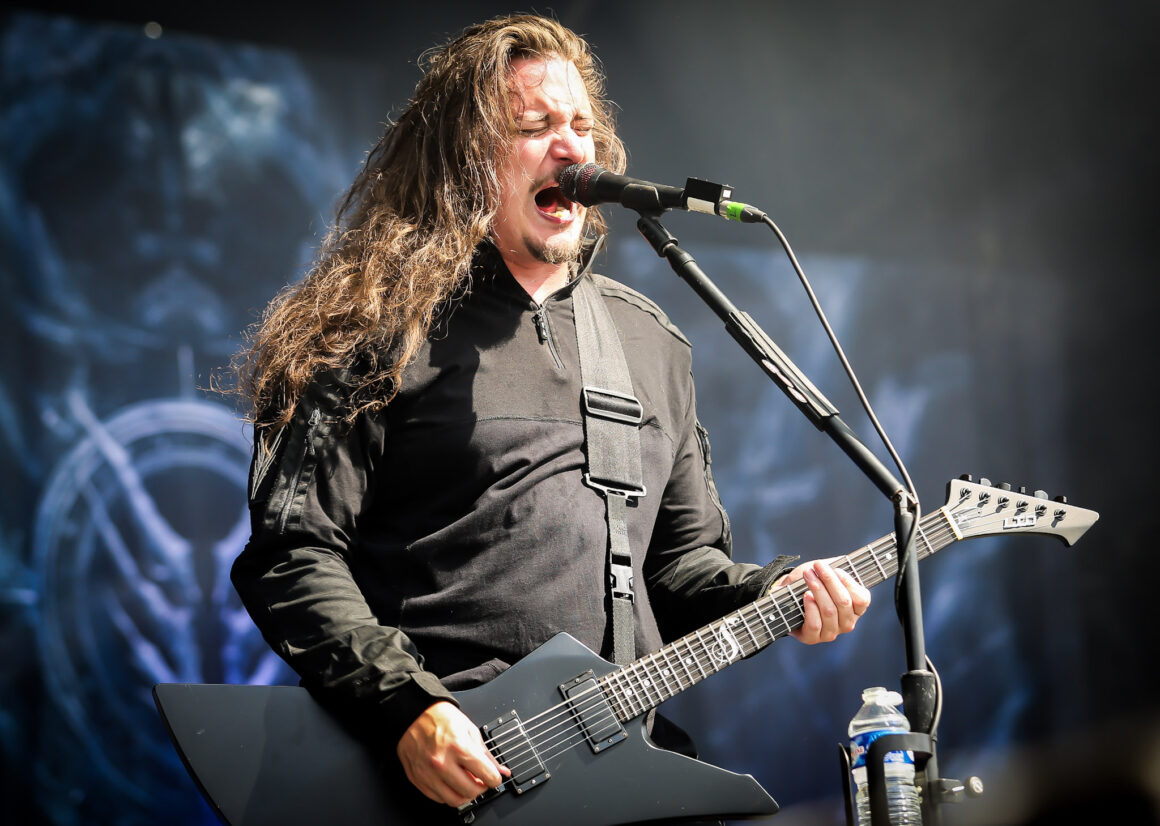
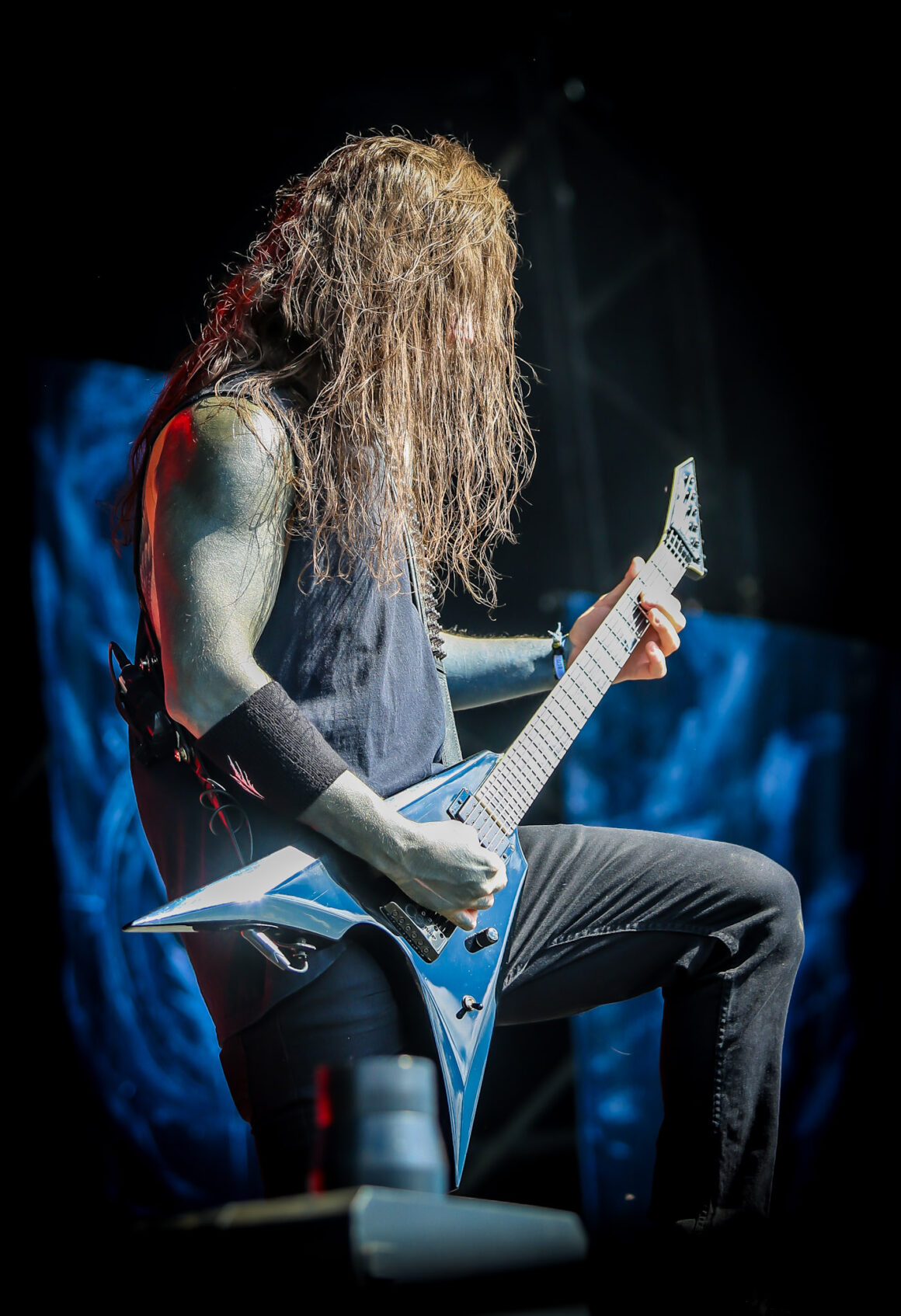
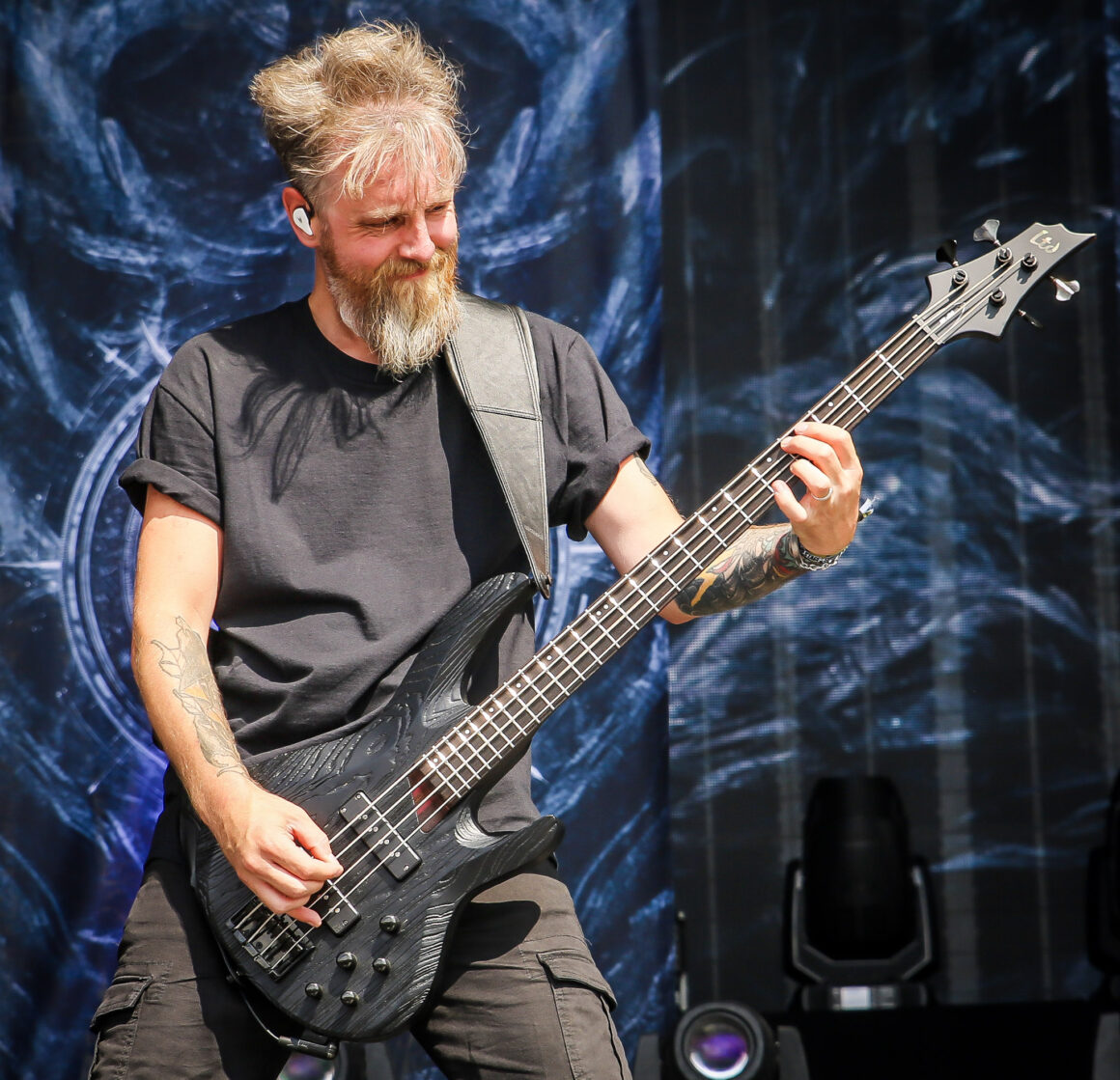
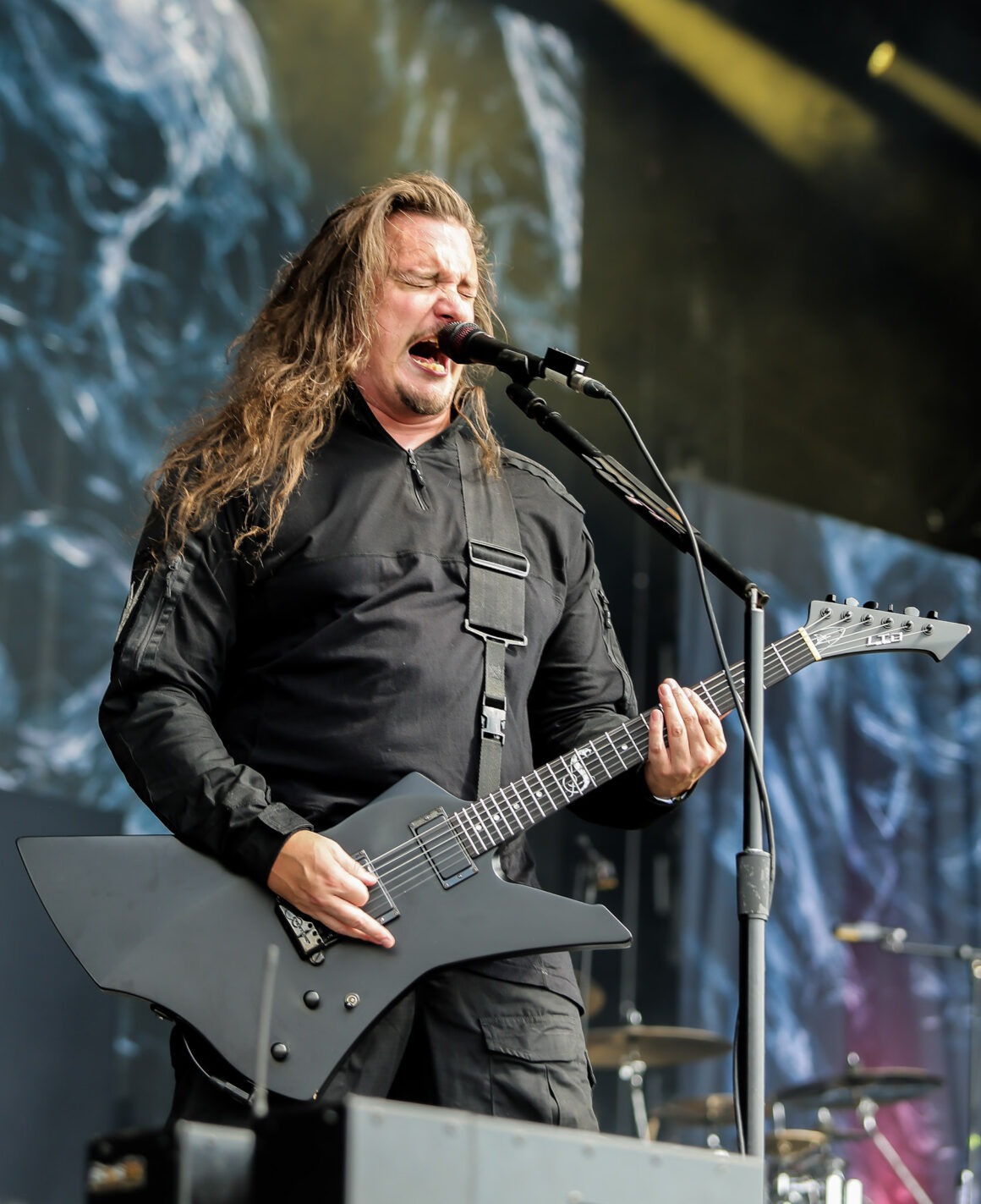
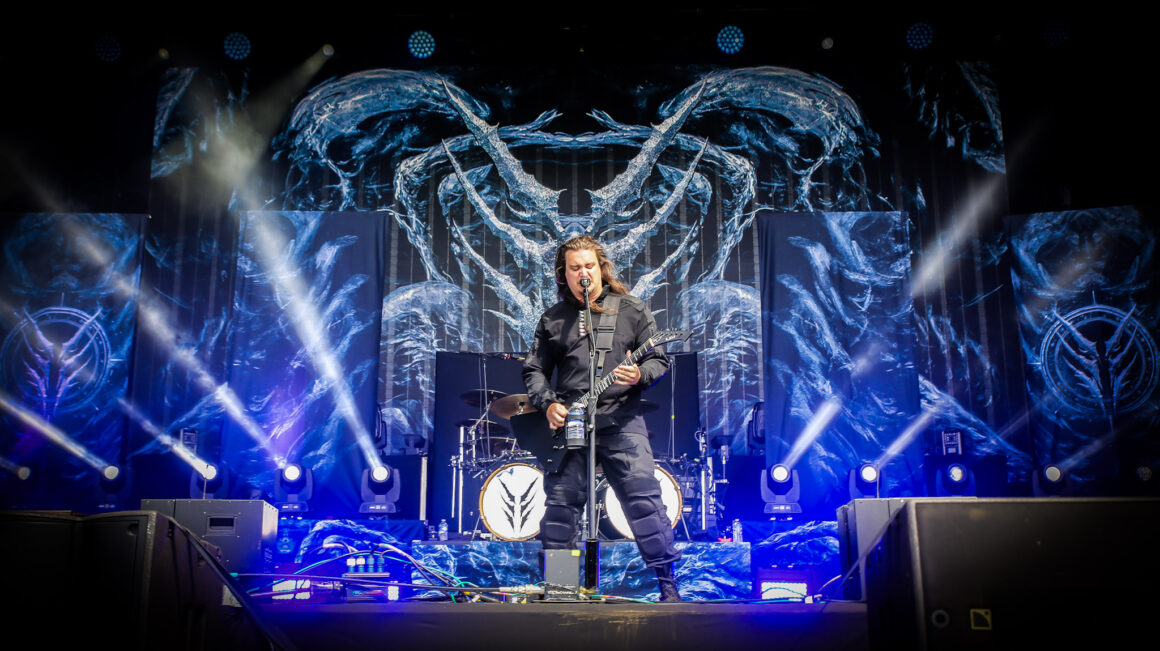
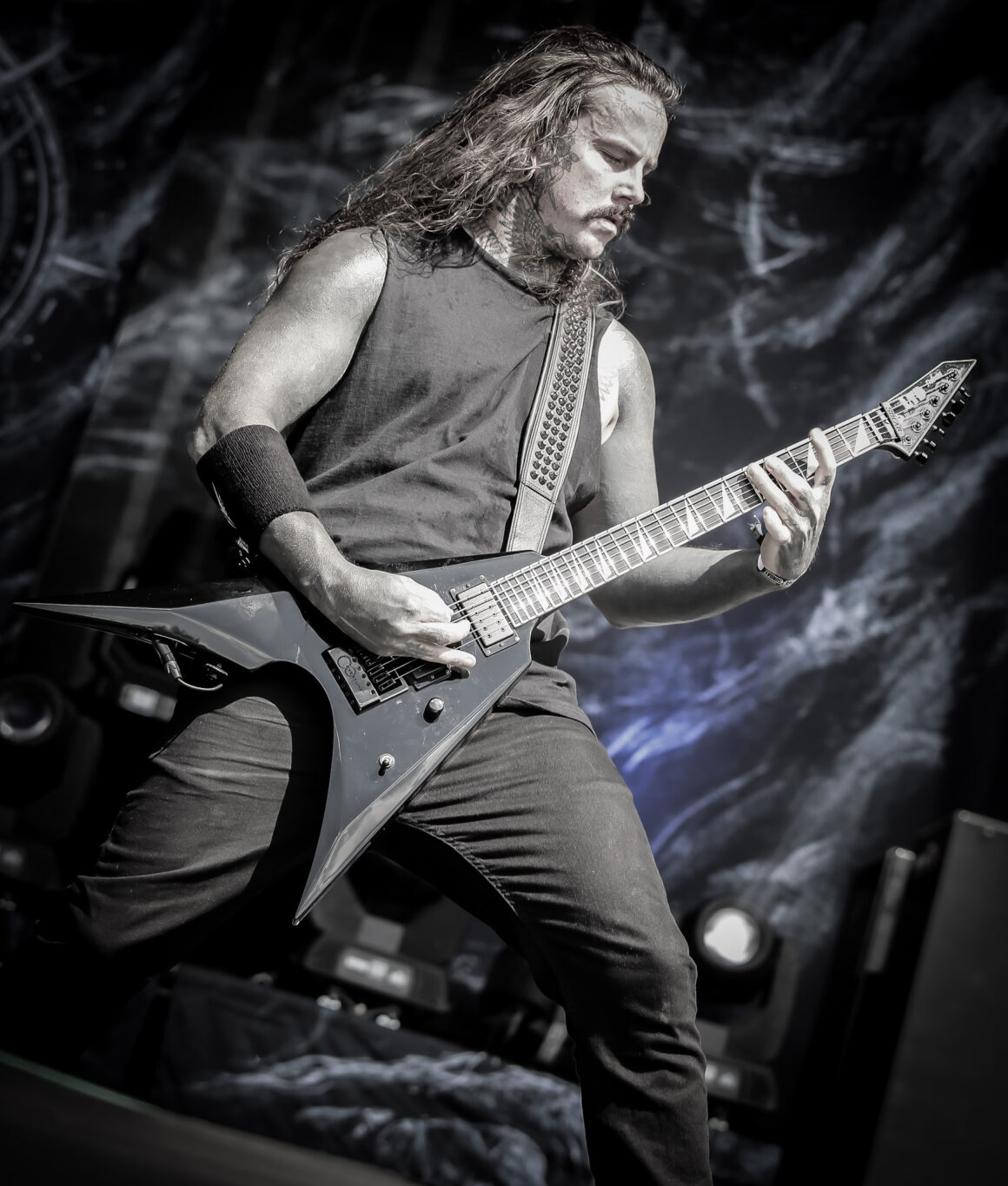
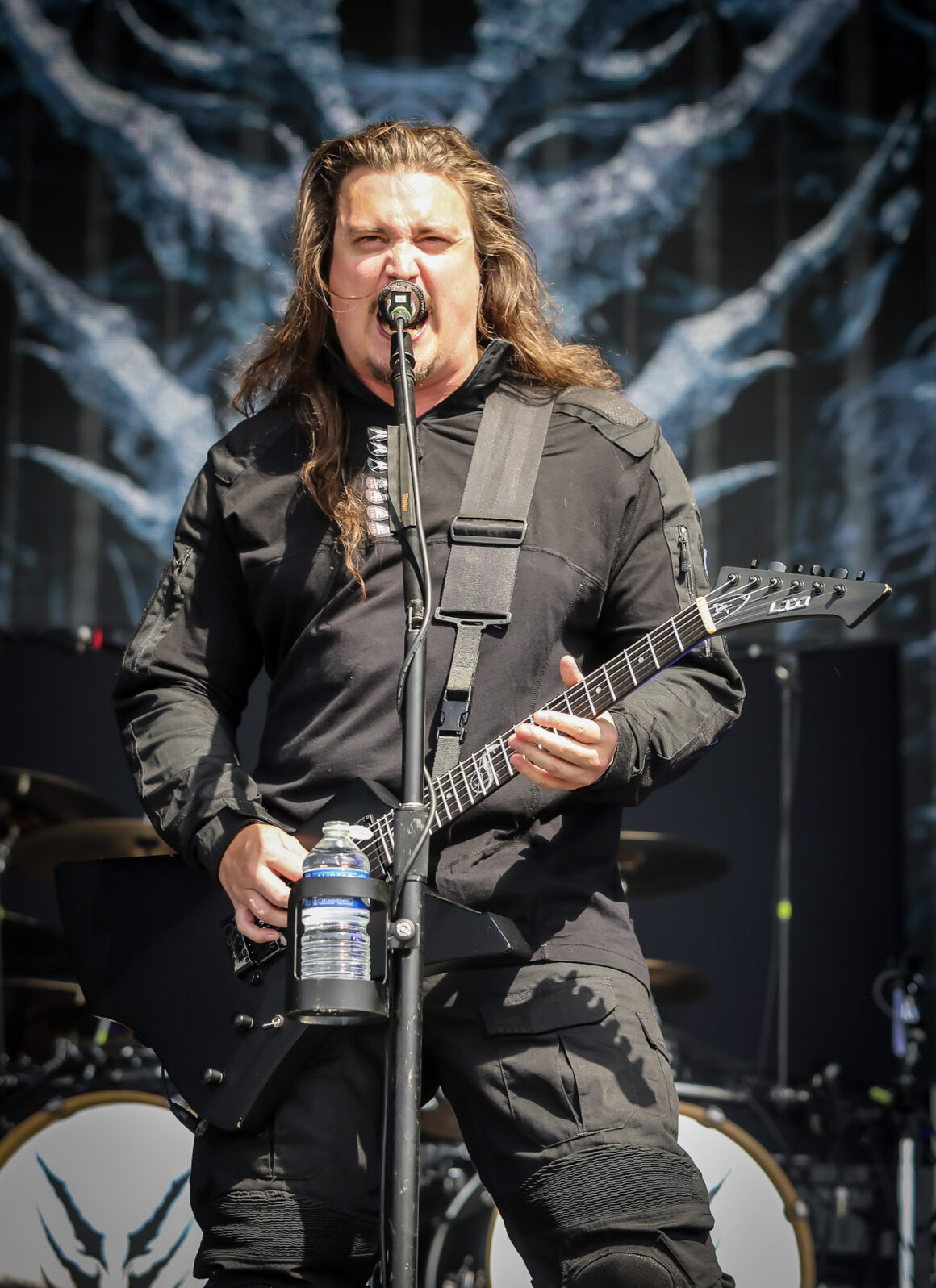
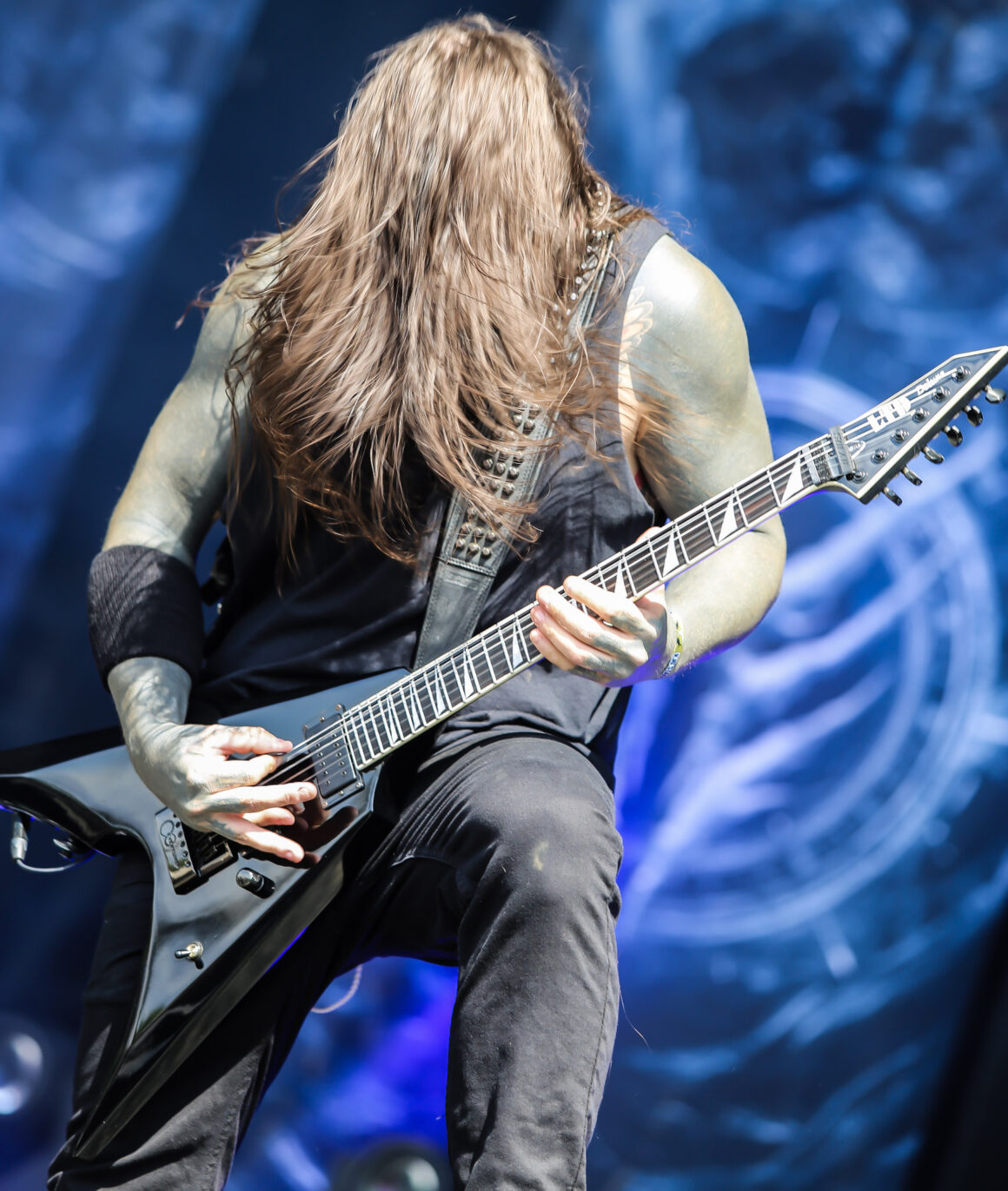
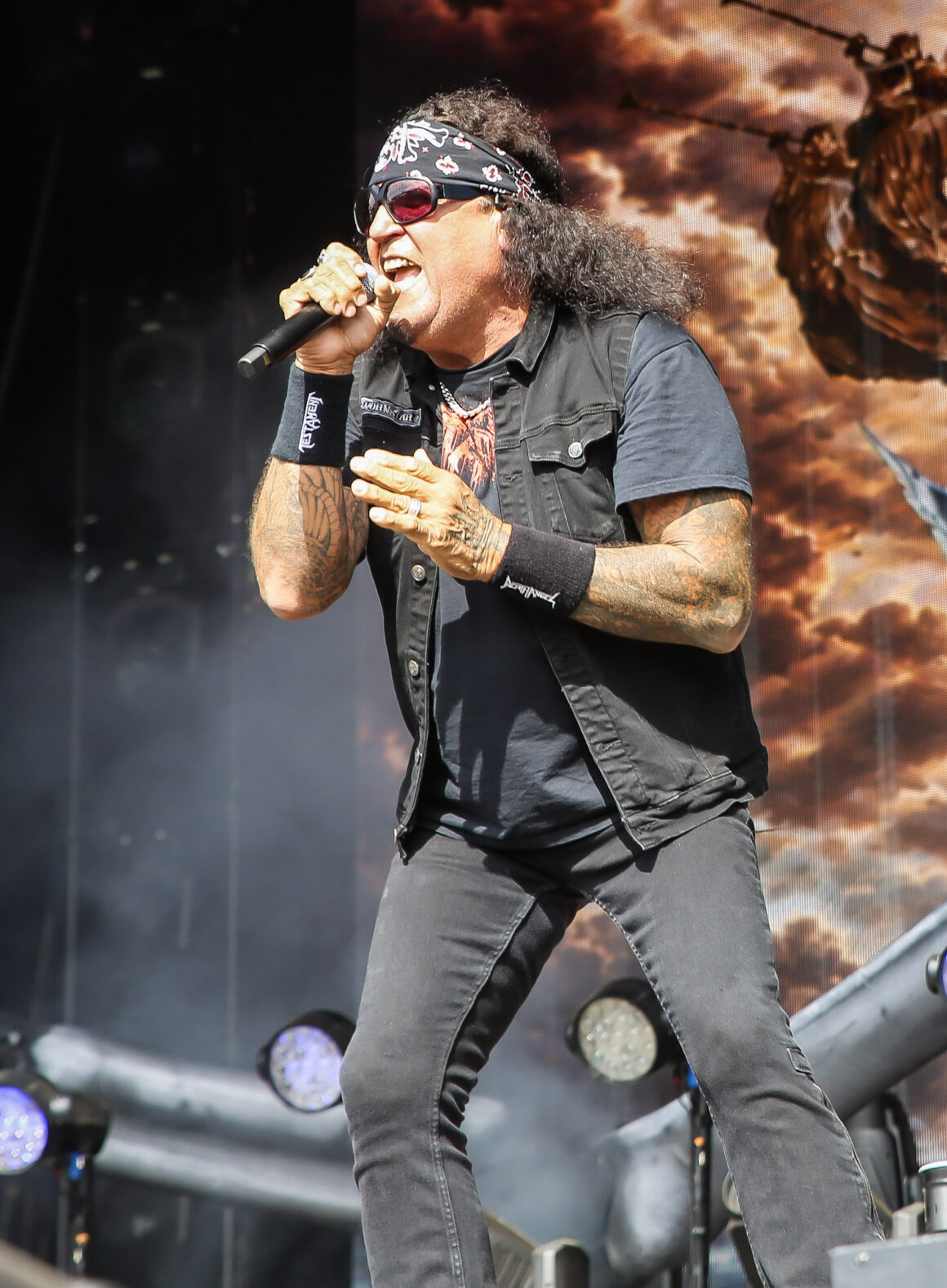
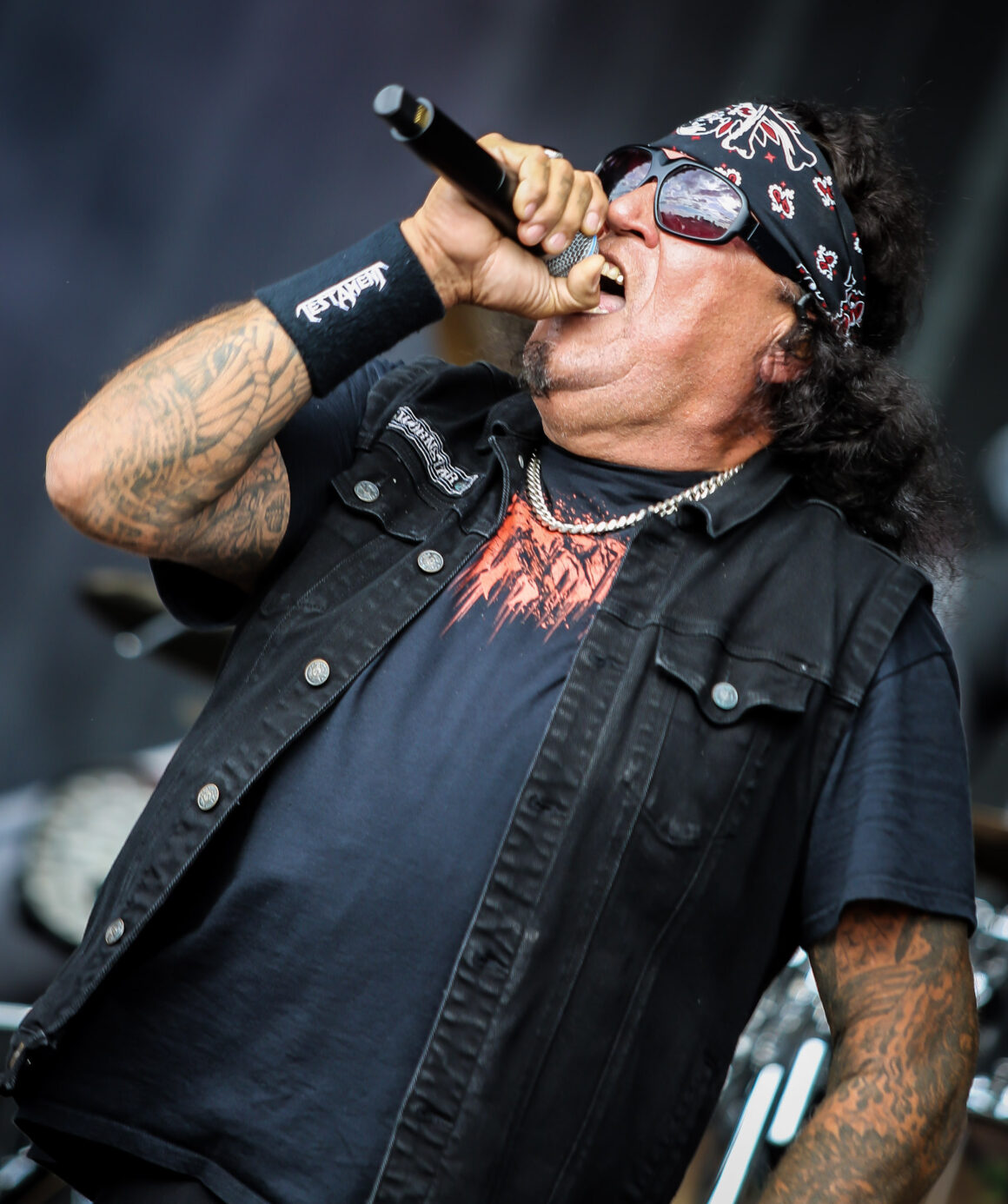
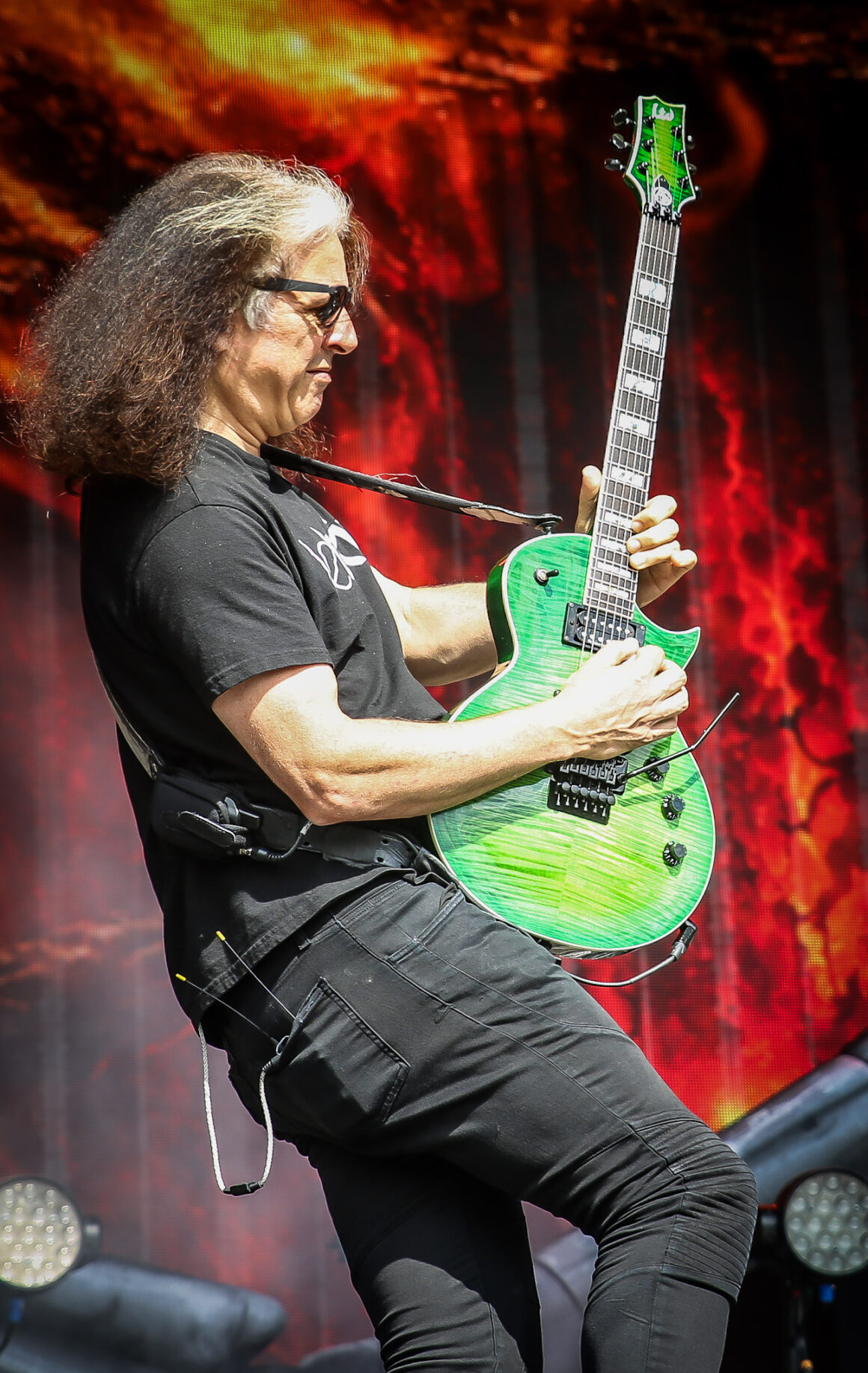
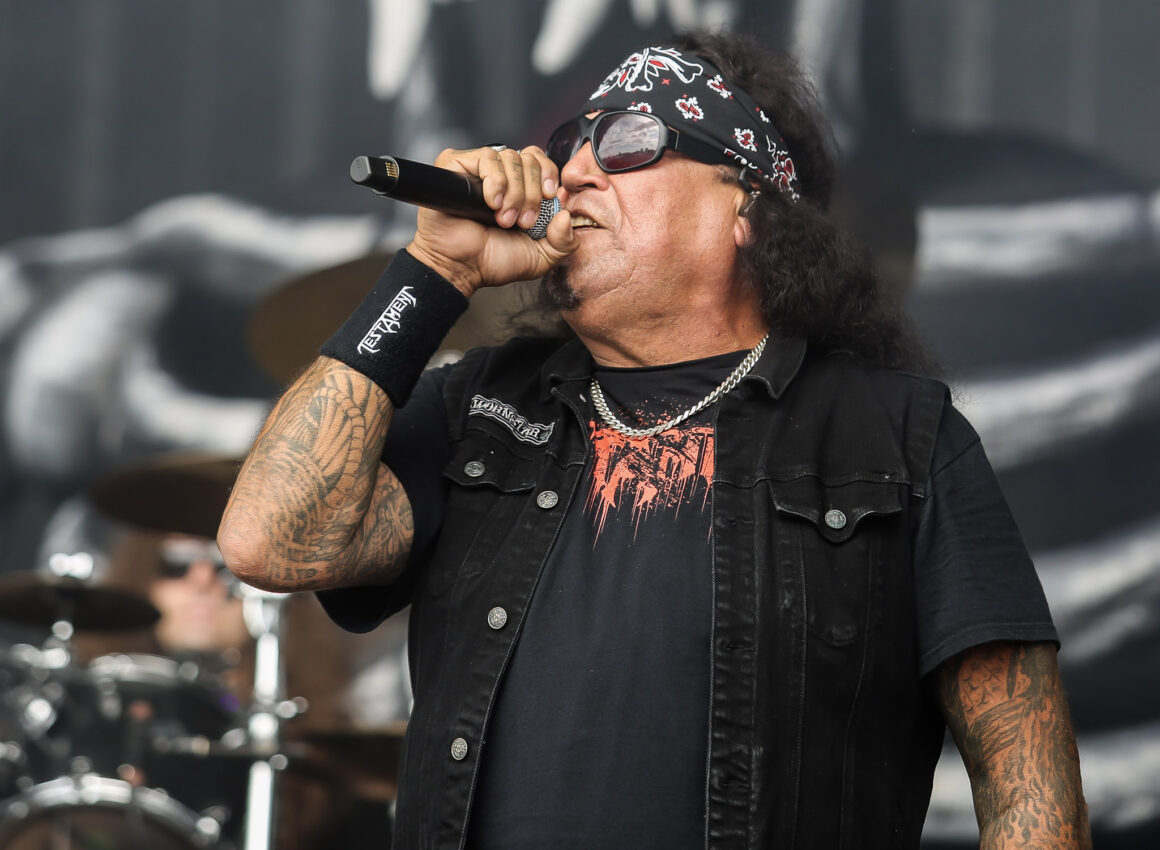
By the time Testament arrived, the day had entered serious Metal territory. The Thrash legends wasted little time reminding the crowd why they have remained one of the genre’s most respected bands. The vocals retained their trademark aggression, with the delivery carrying the authority that comes from decades of experience. The guitar work was, unsurprisingly, exceptional. The riffs were sharp, fast and precise, while the lead guitar passages demonstrated the technical ability that has always been central to Testament’s sound. The guitarists moved effortlessly between rapid thrash picking, intricate solos and heavier rhythmic sections.
The drums were equally ferocious. Fast double-kick patterns drove the songs forward, while fills appeared exactly where they needed to, adding excitement without disrupting the precision of the arrangements. There was something particularly satisfying about watching a band with this much history still playing with such intensity. Testament weren’t simply performing a collection of classic songs; they were demonstrating why those songs have survived.
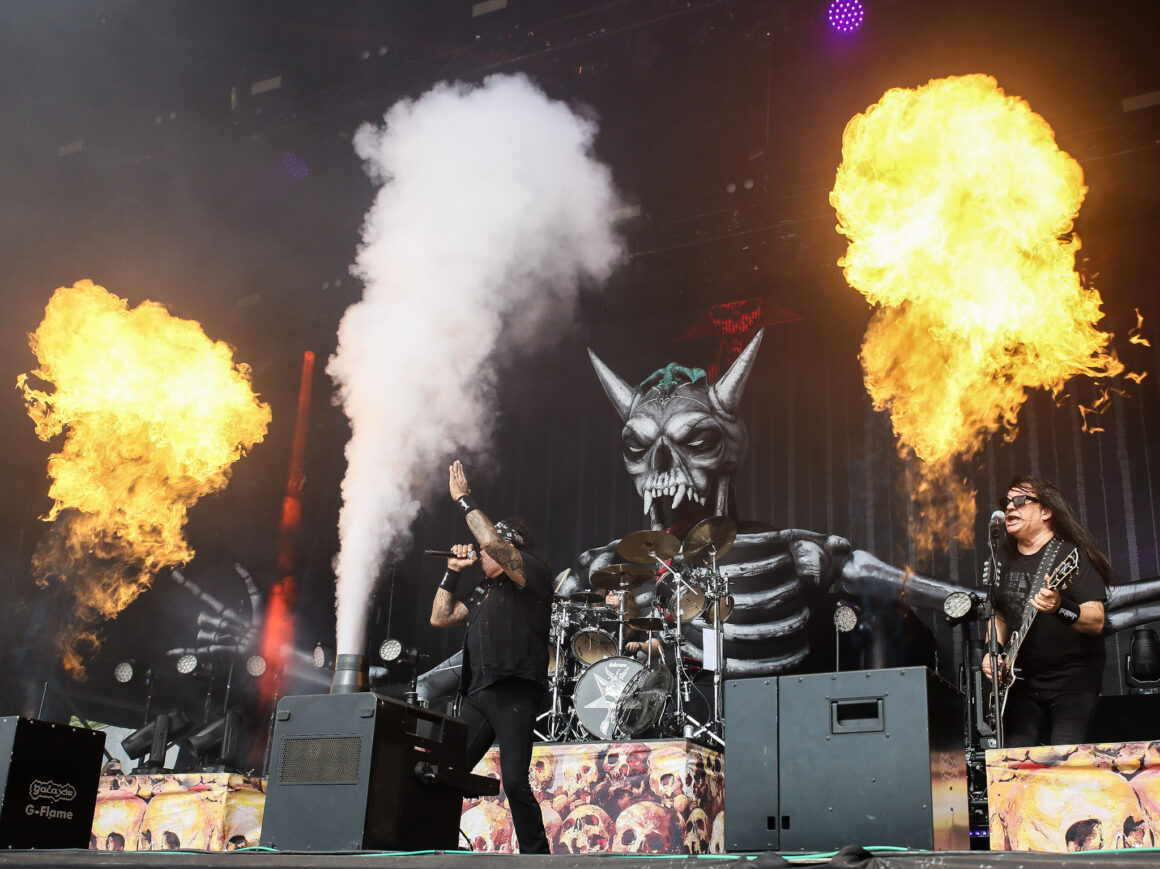
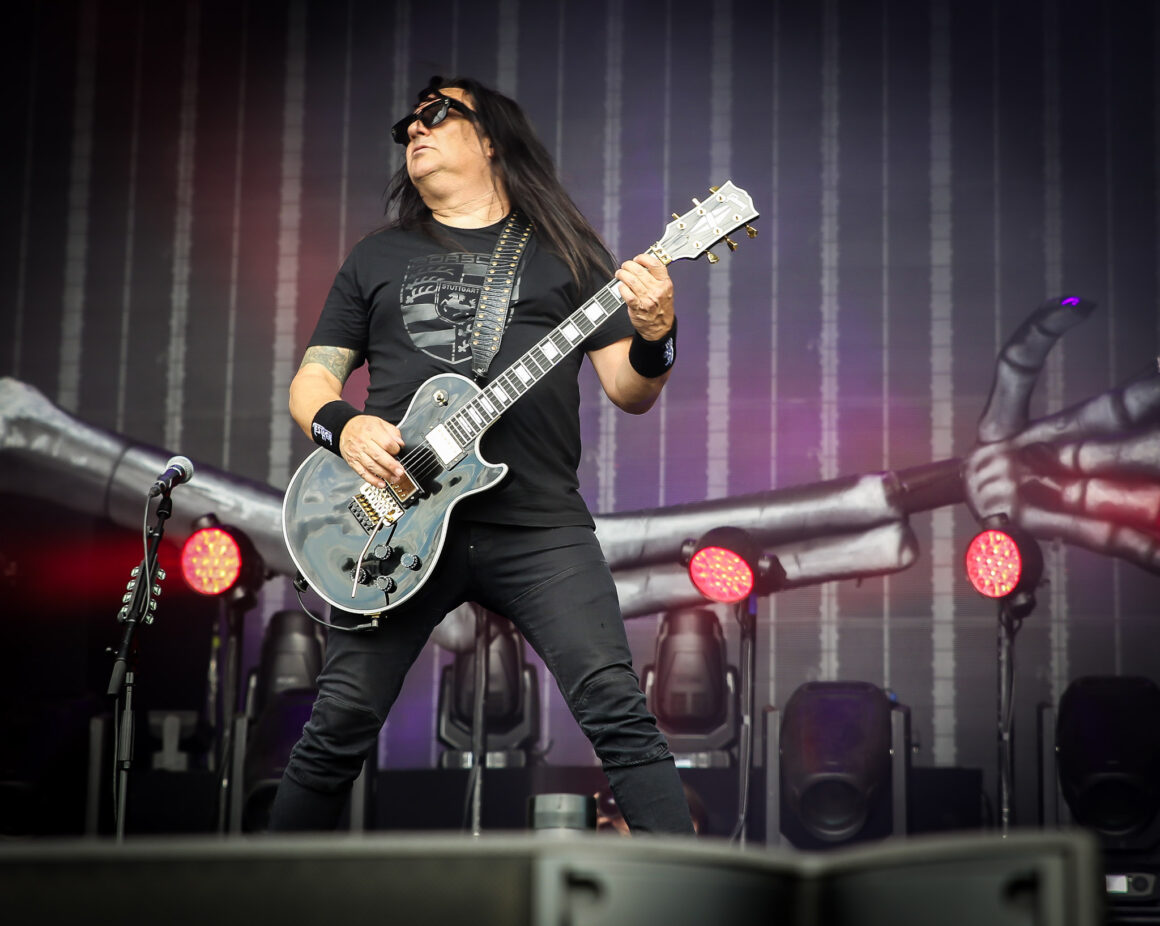
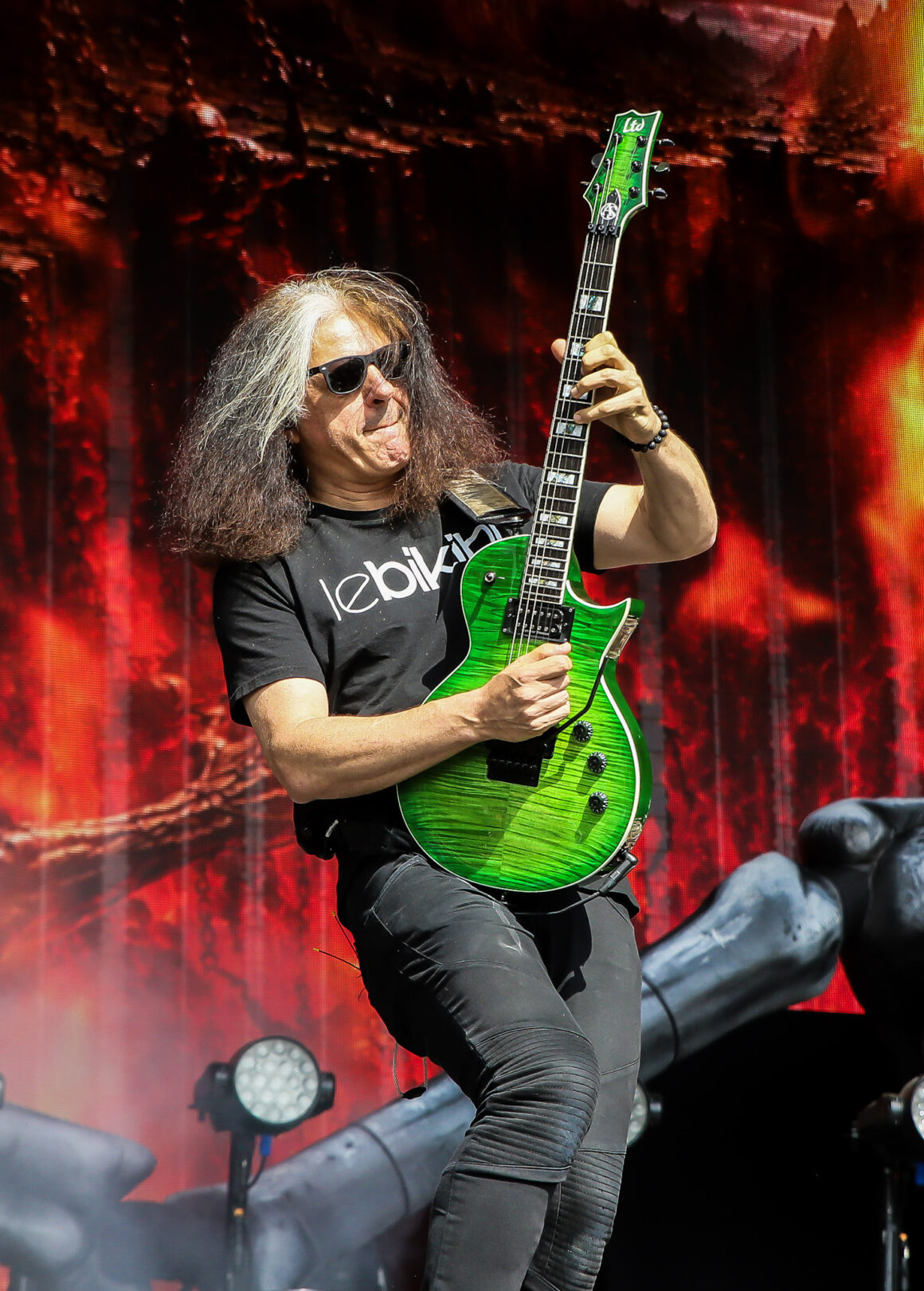
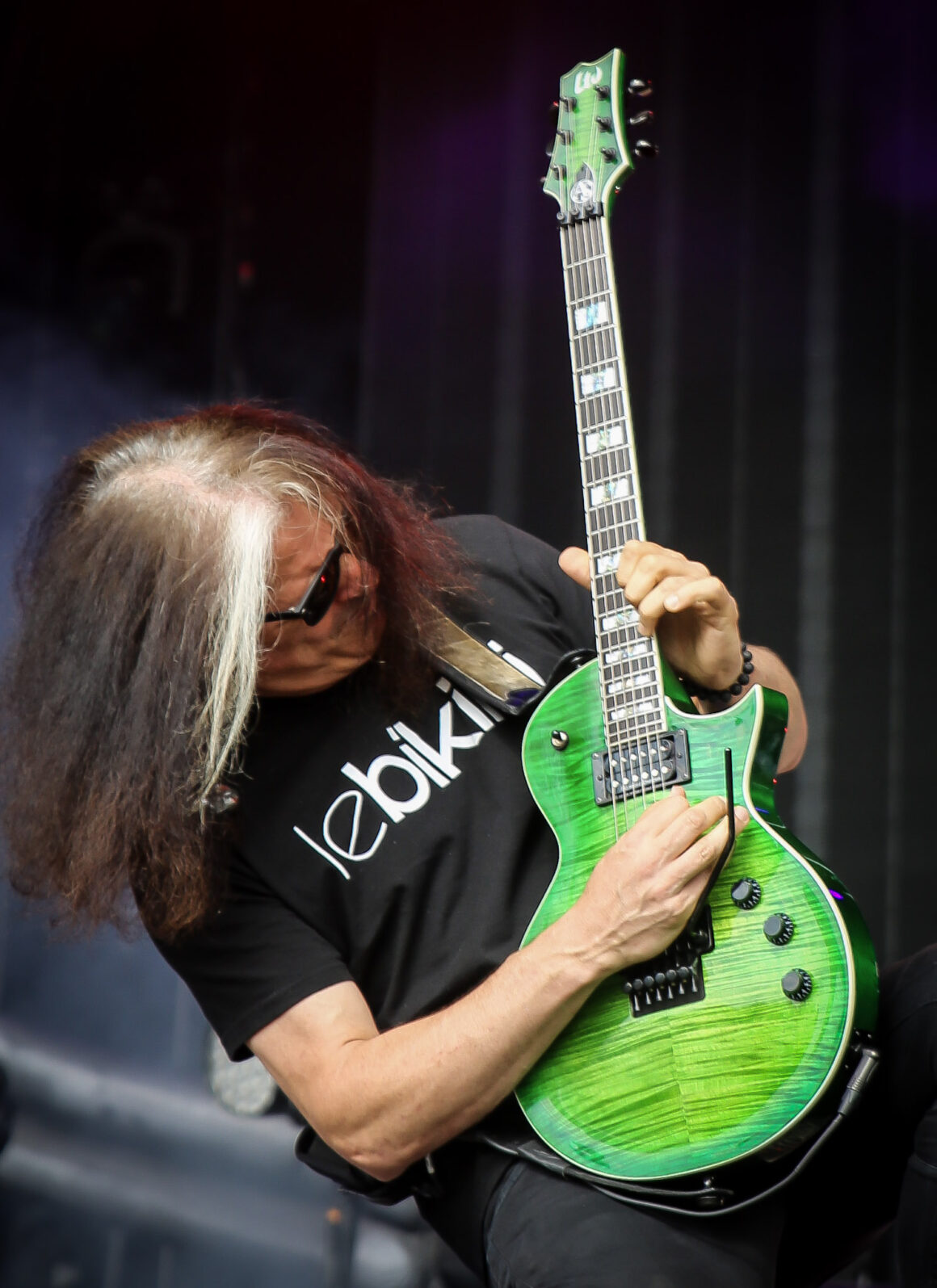
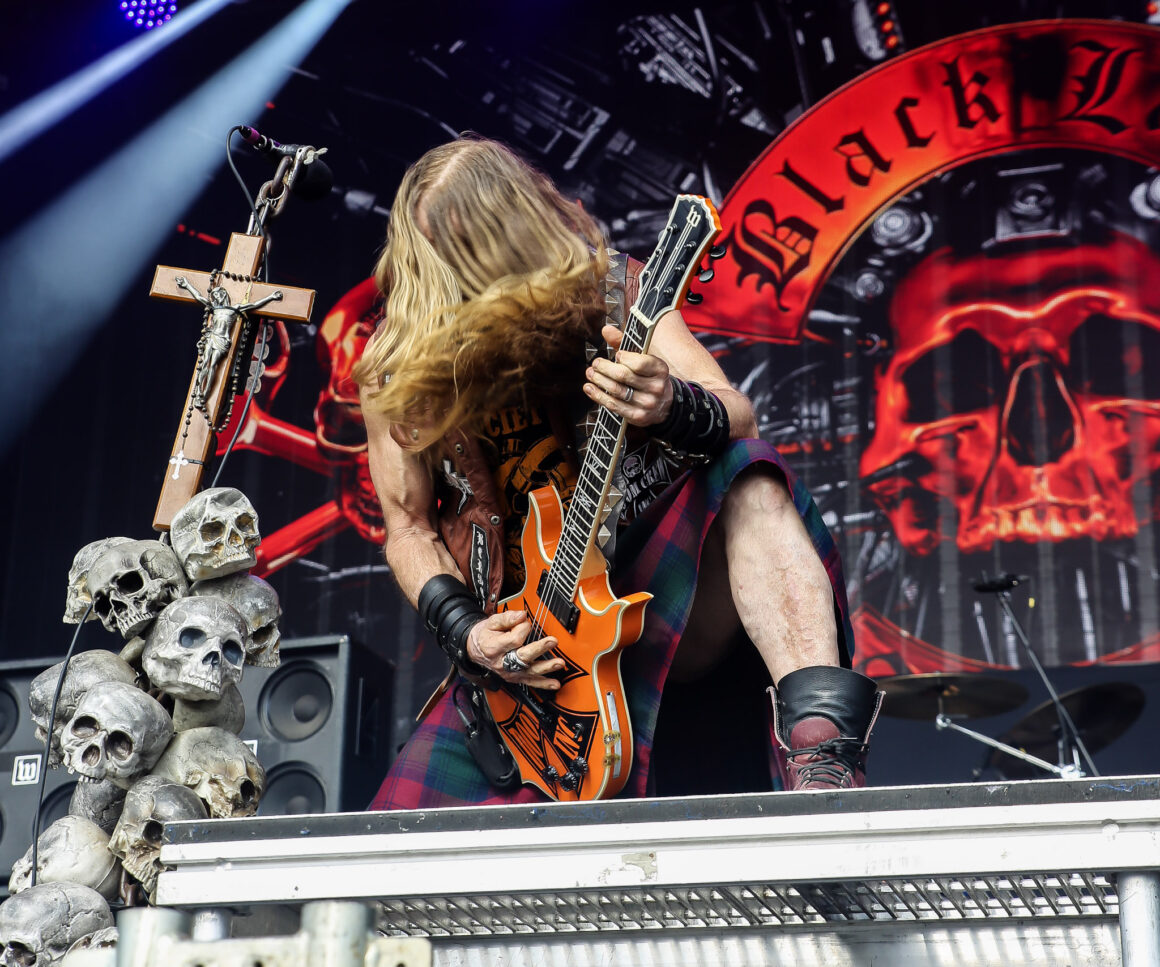
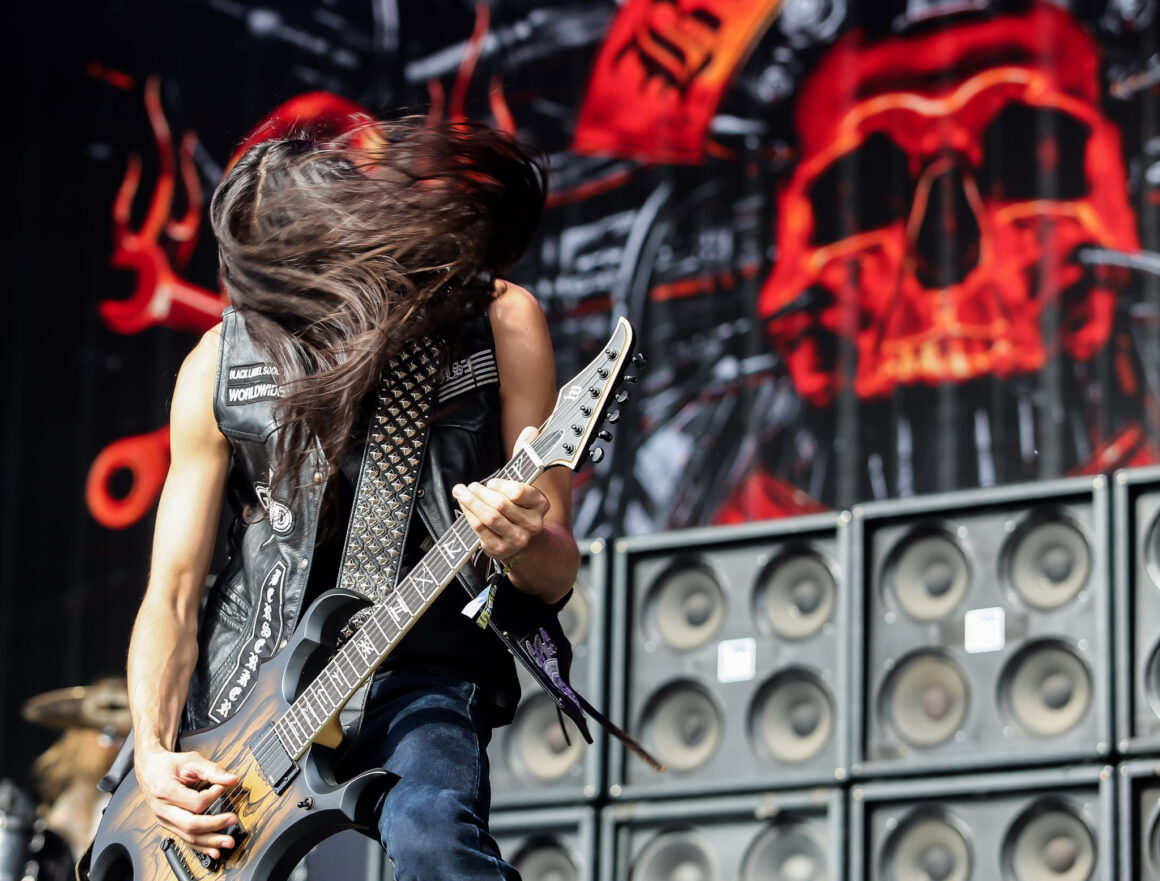
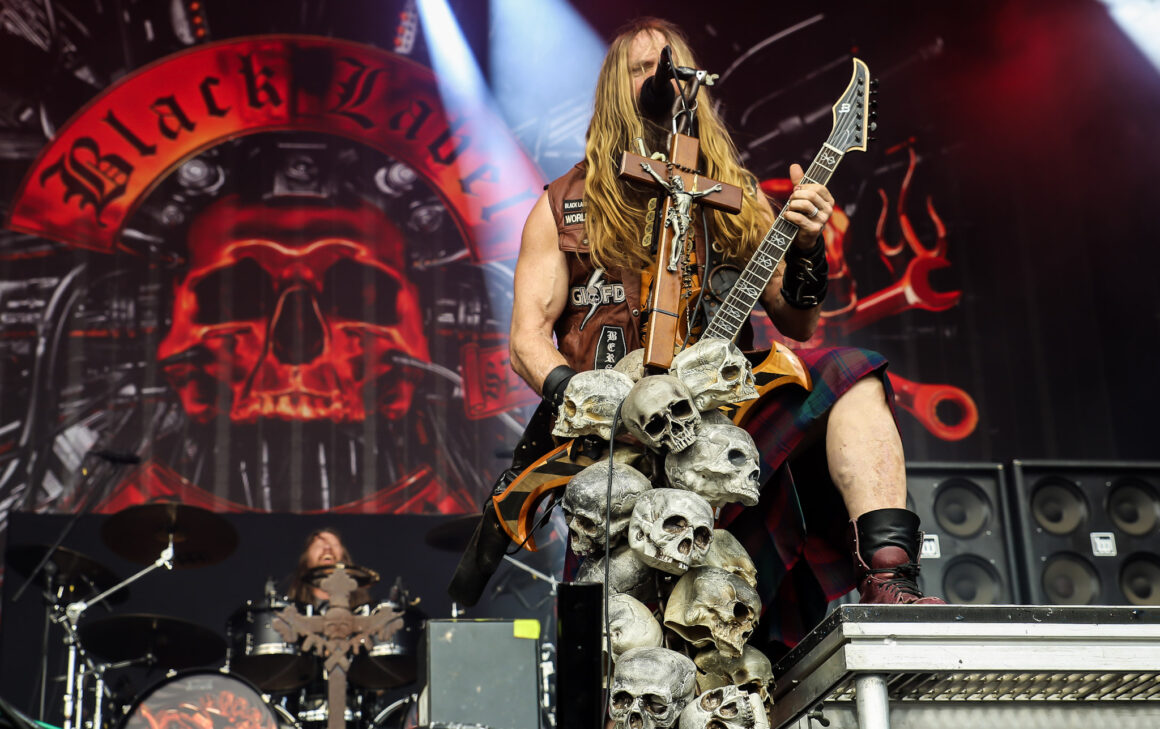
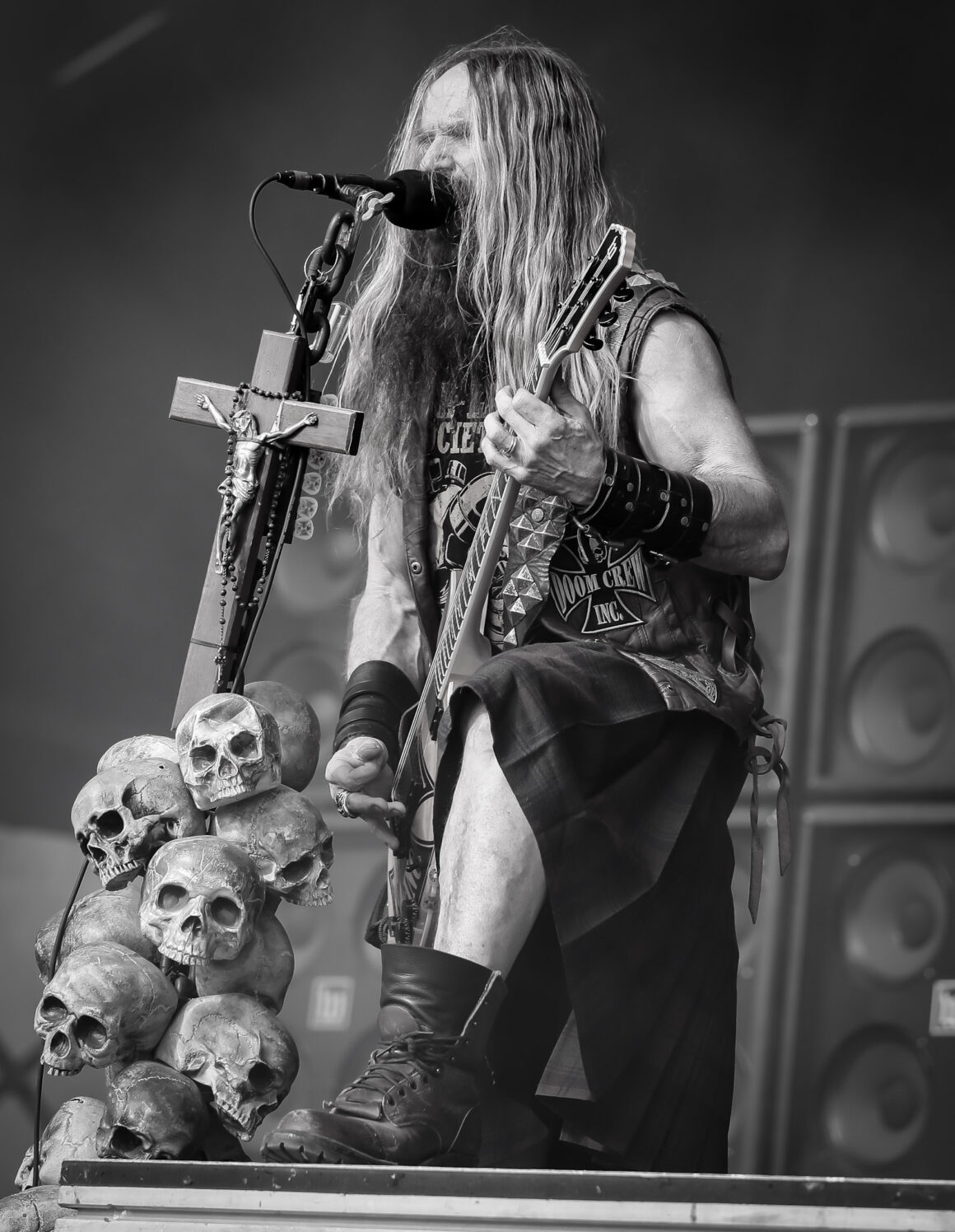
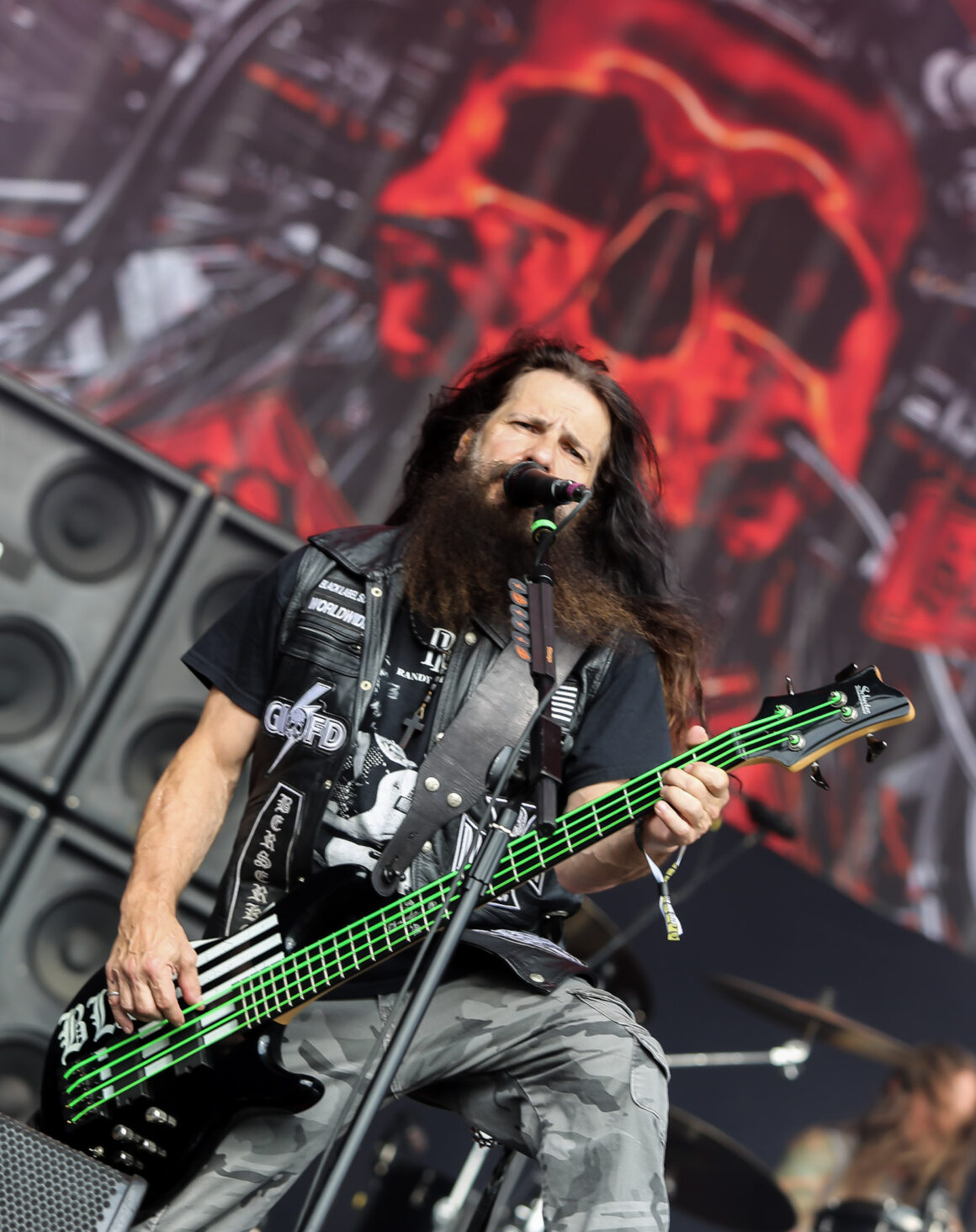
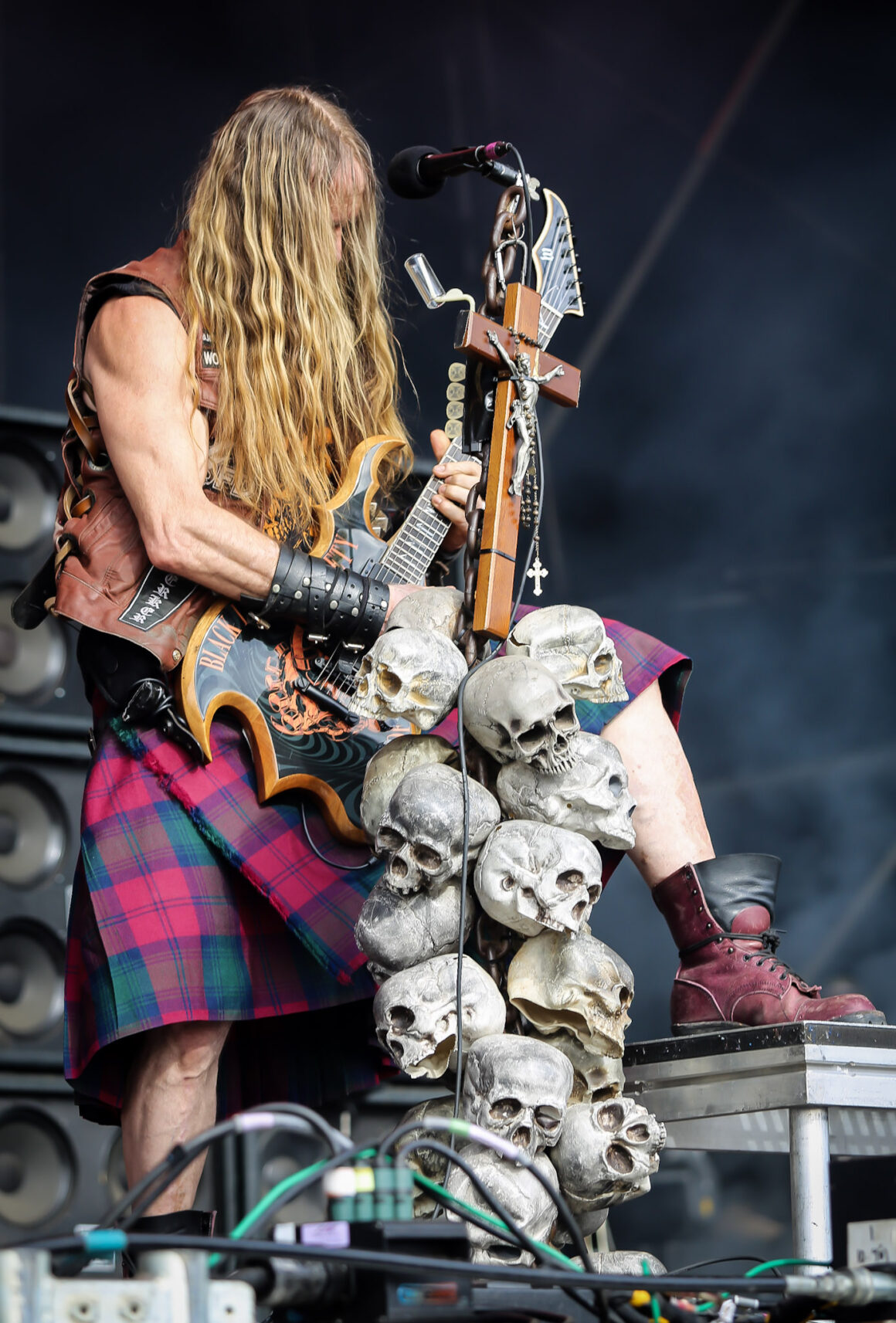
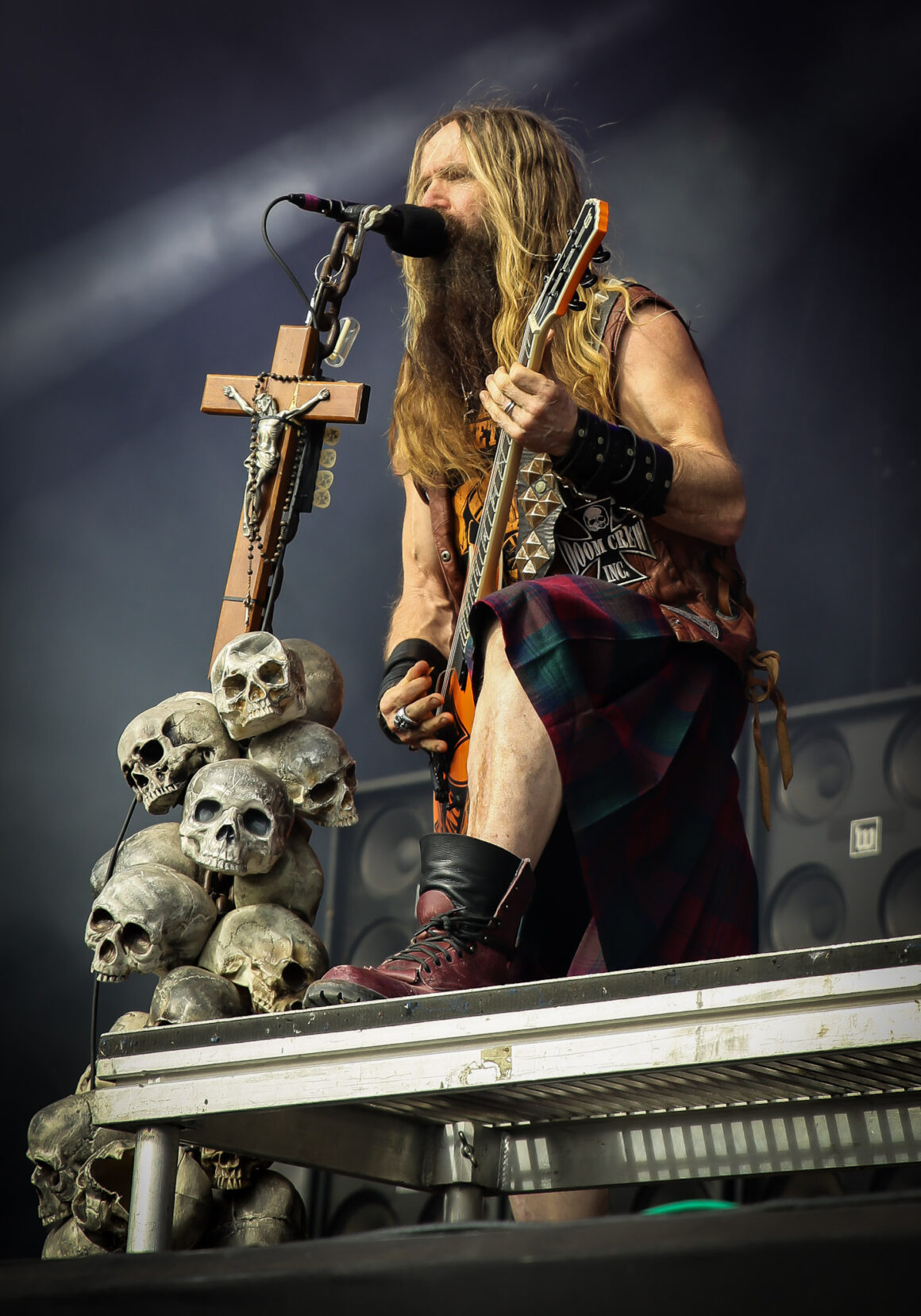
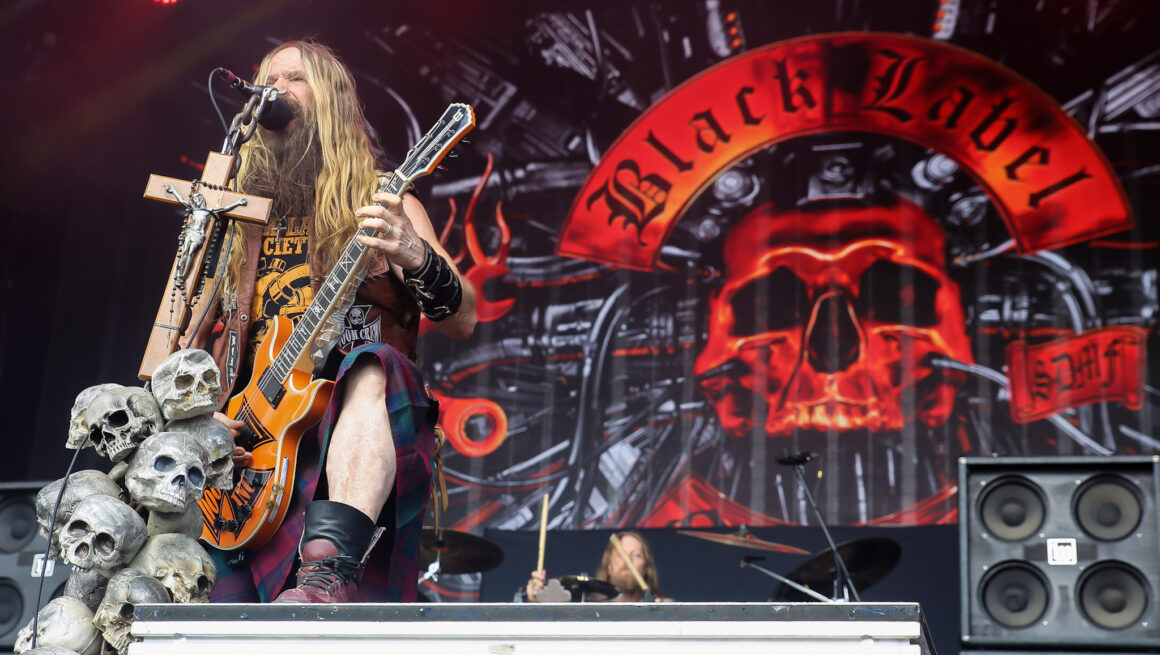
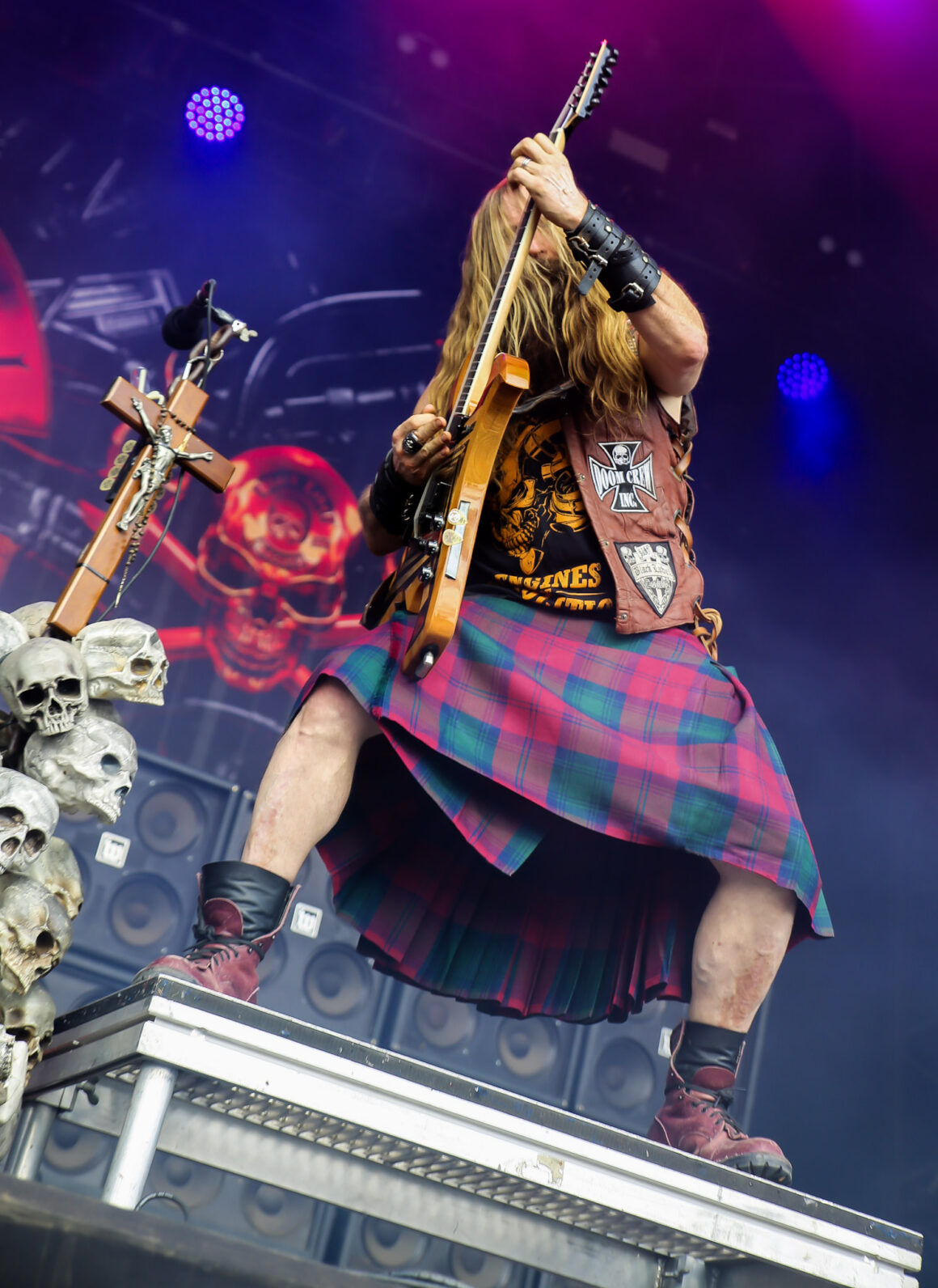
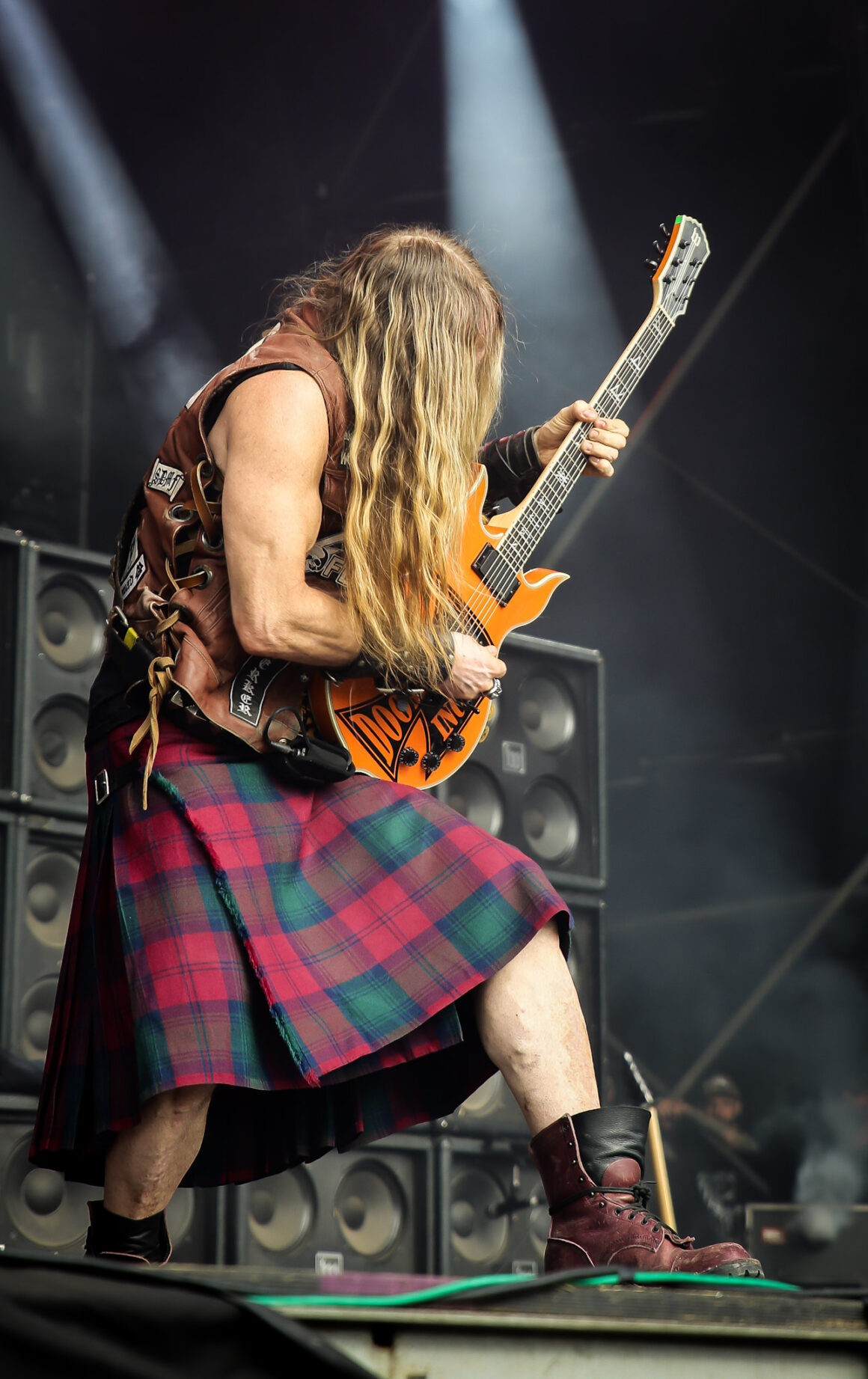
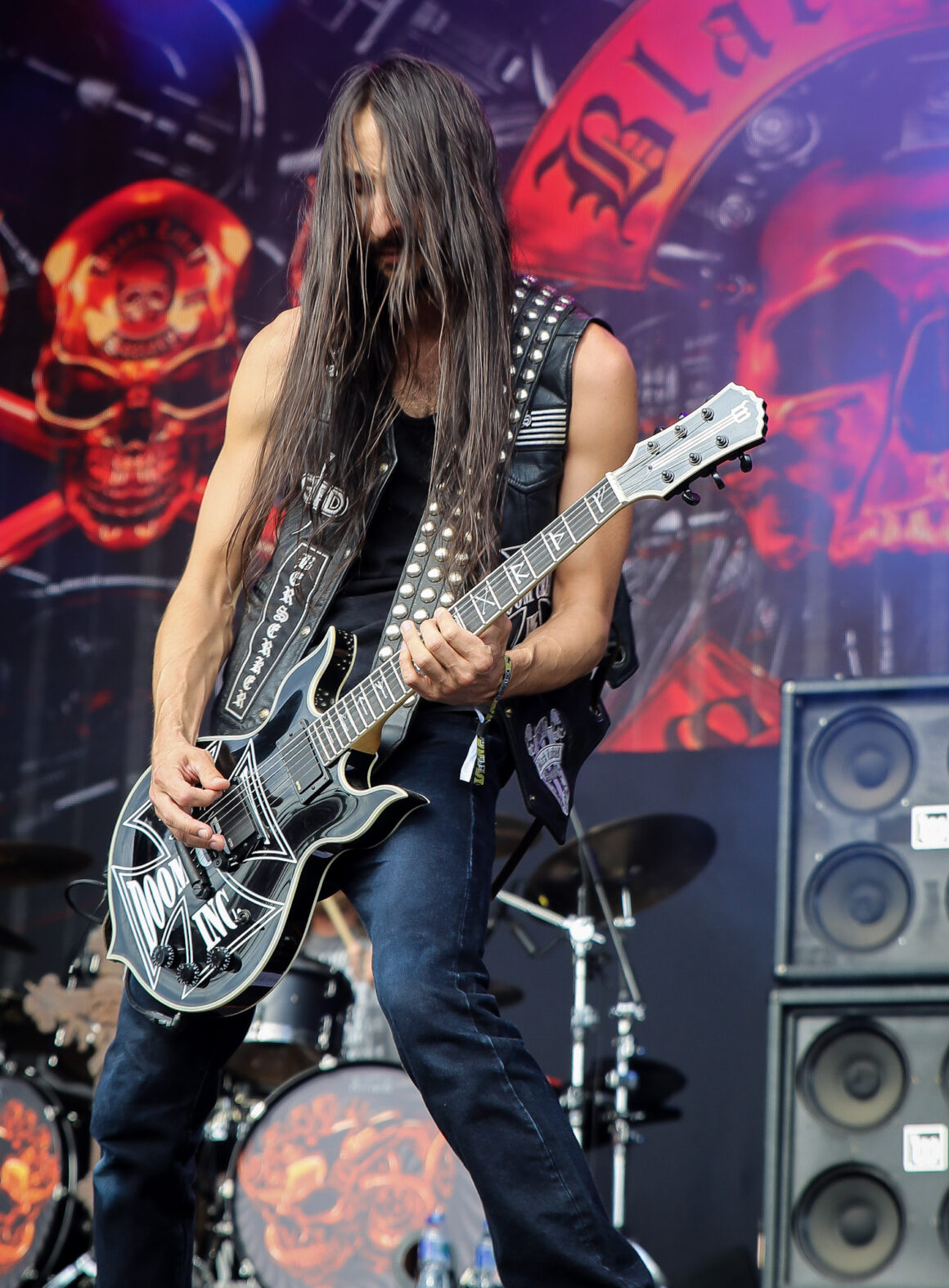
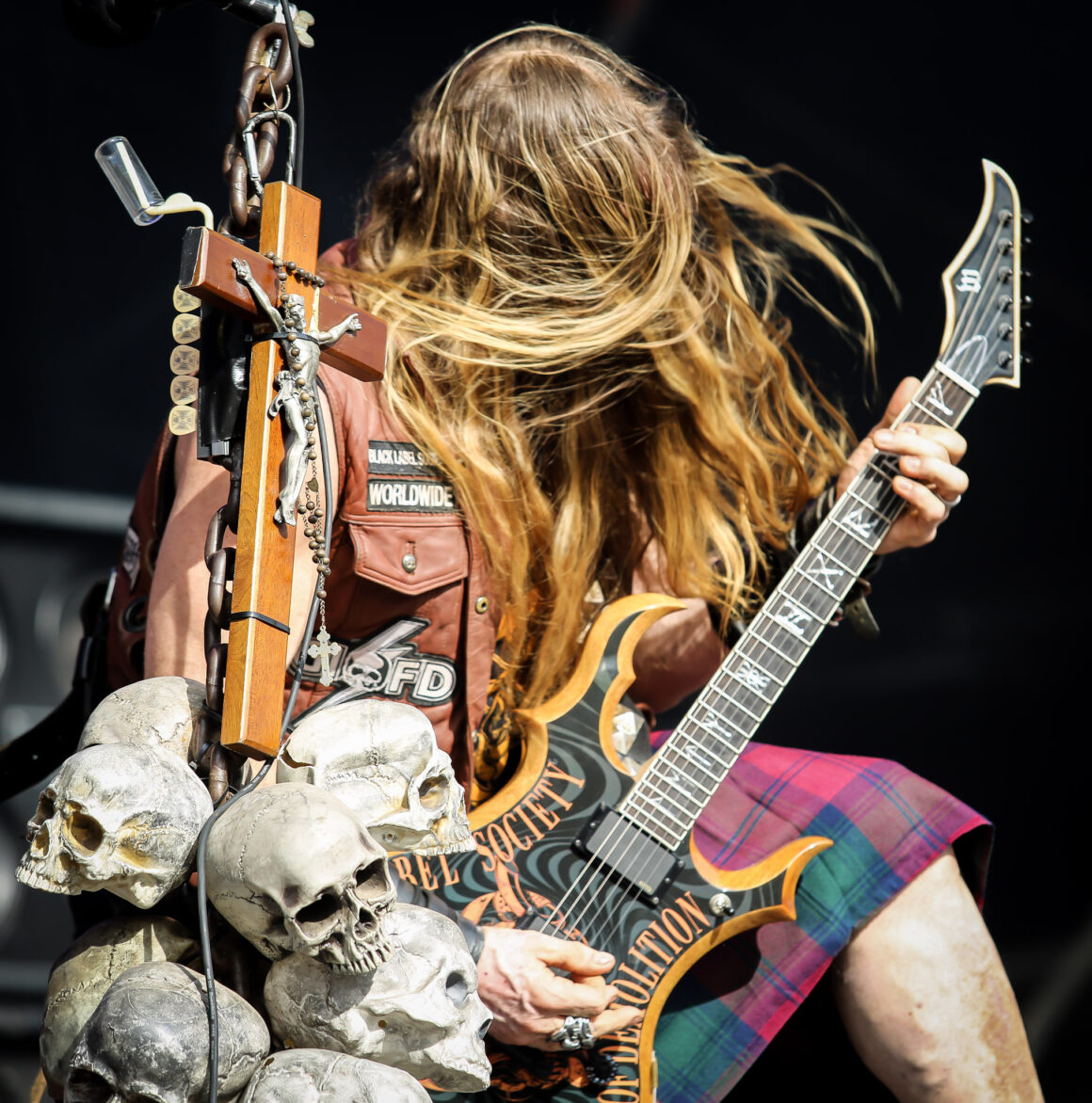
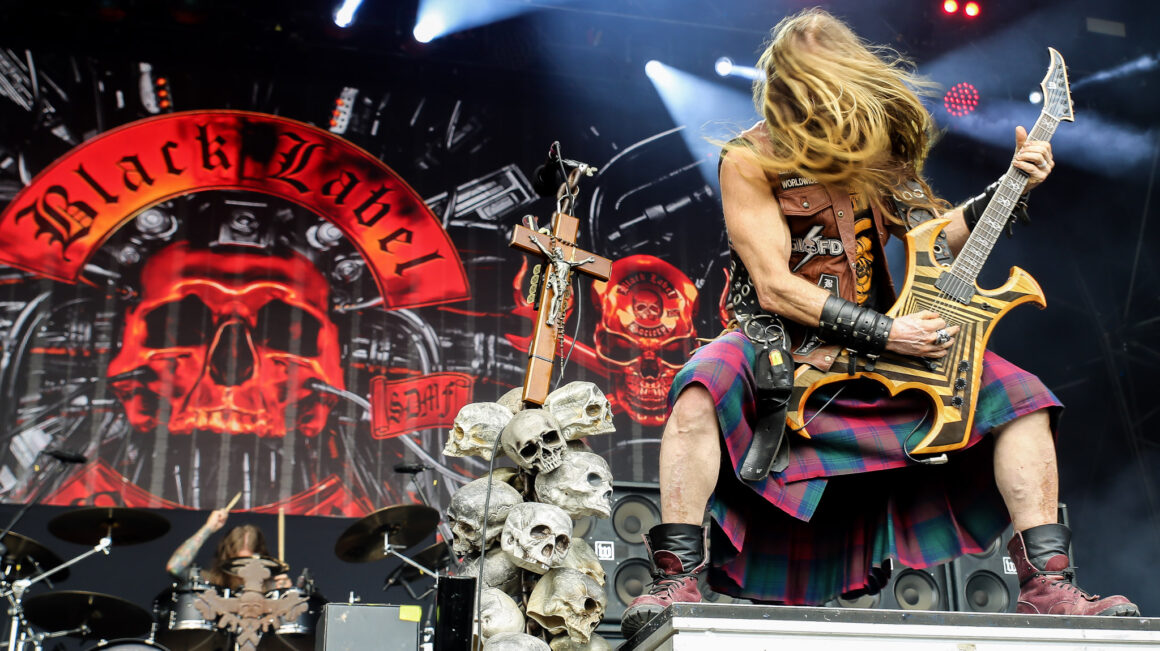
Black Label Society brought a different kind of heaviness to the Main Stage. Where Testament’s strength comes from speed and precision, Black Label Society are built around enormous riffs, bluesy guitar playing and the unmistakable presence of Zakk Wylde.
The guitar work was naturally one of the biggest attractions. Wylde’s playing combined thick rhythm tones with expressive lead guitar, delivering solos that ranged from melodic passages to full-on displays of technique. His distinctive vibrato and aggressive picking gave the performance a personality that could never be mistaken for anyone else. The vocals had the gritty quality necessary to sit alongside such a massive guitar sound. They weren’t polished for the sake of being polished; instead, they carried the roughness and character that make Black Label Society’s music work. The drums were powerful and straightforward when they needed to be, allowing the guitars to dominate, but there was plenty of detail in the fills and transitions. The rhythm section gave the band the weight needed to make every riff feel enormous. Black Label Society brought the kind of swagger that only a band with decades of experience can really pull off.
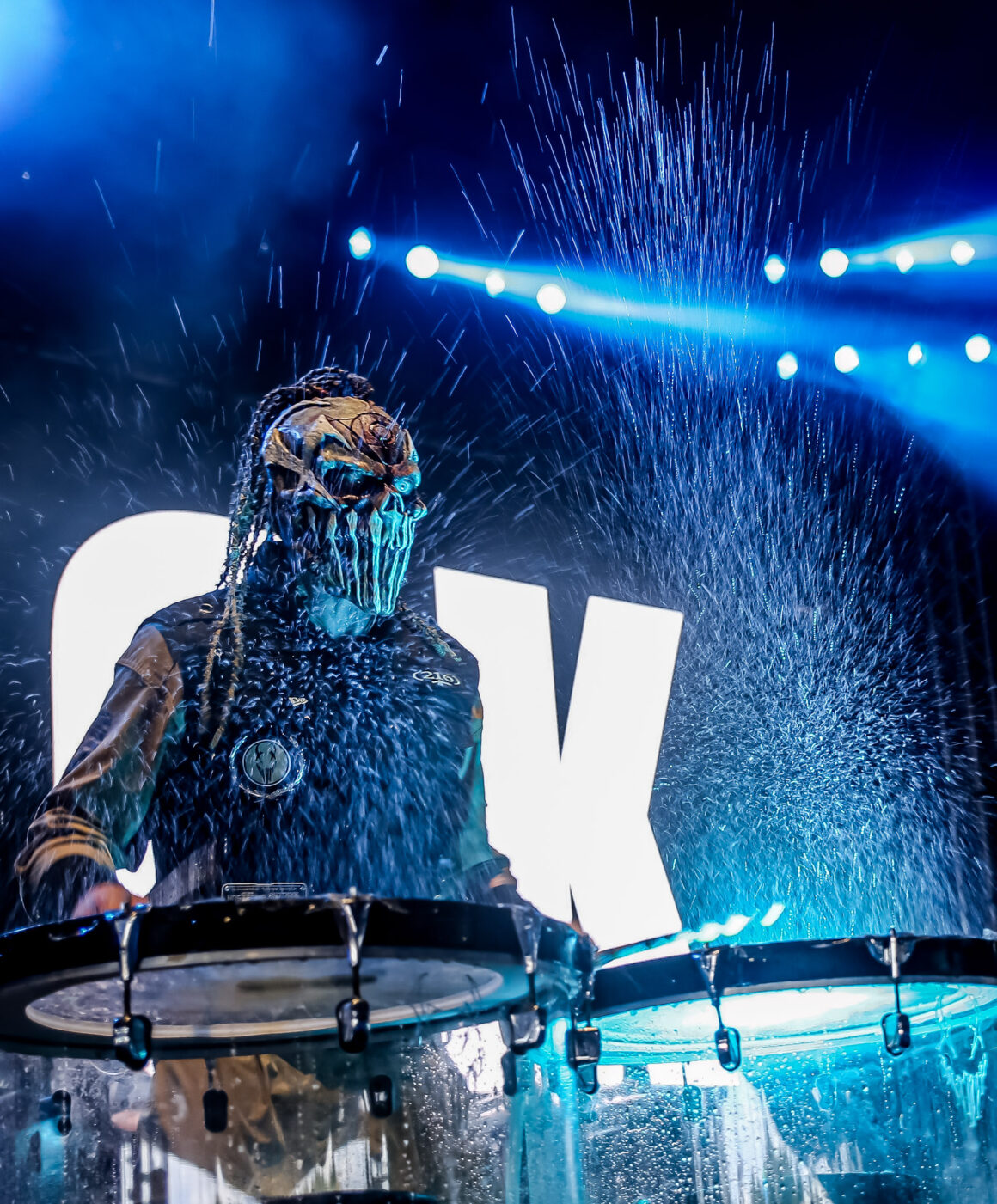
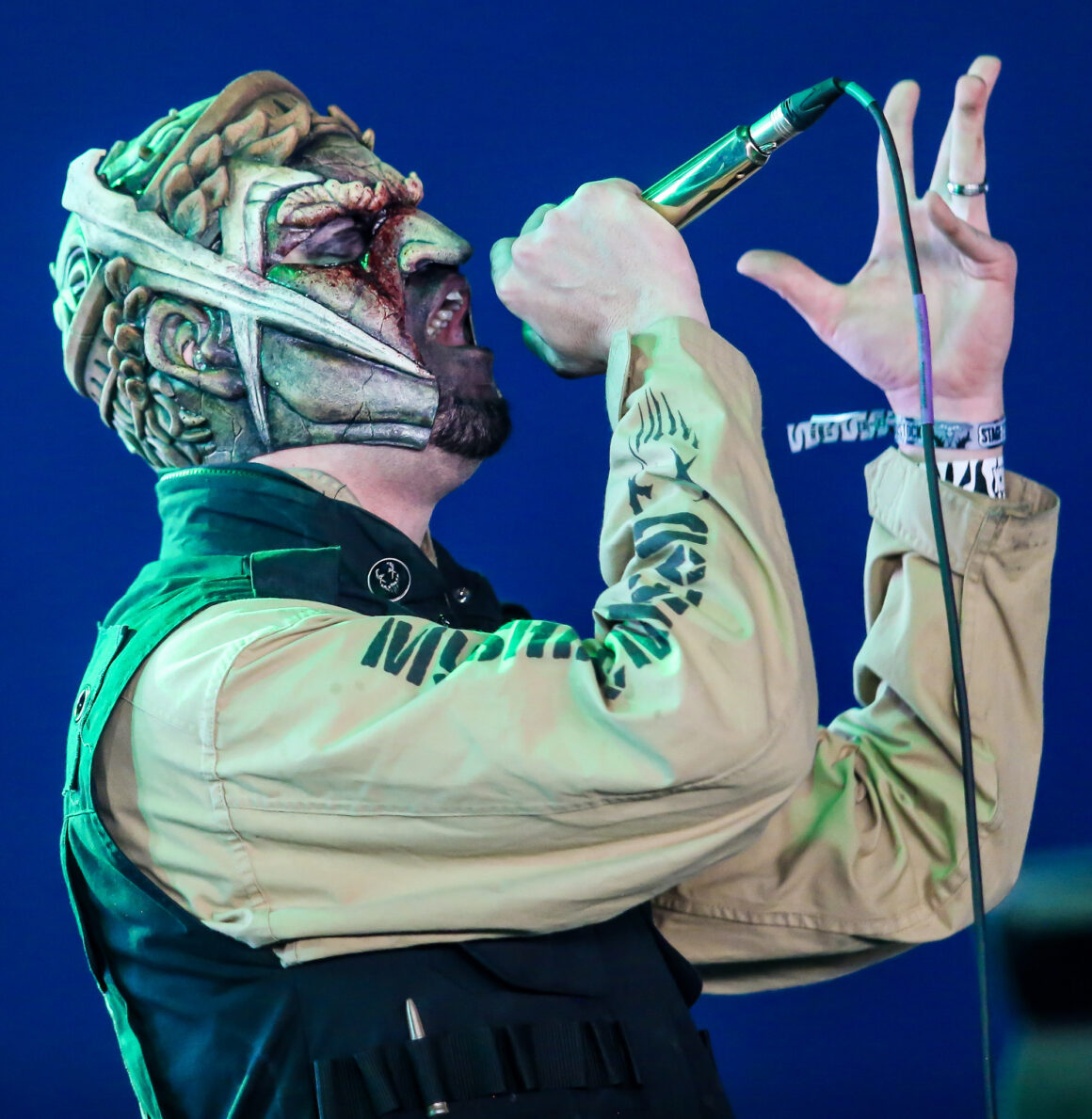
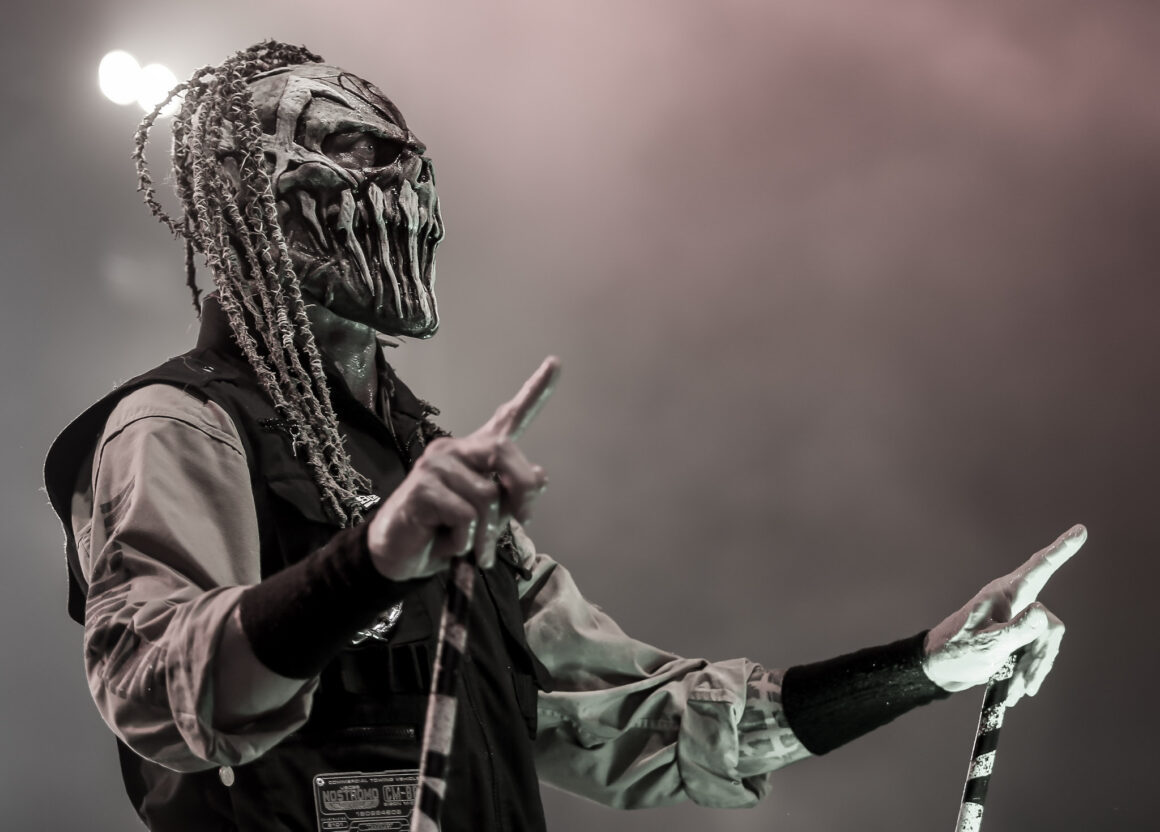
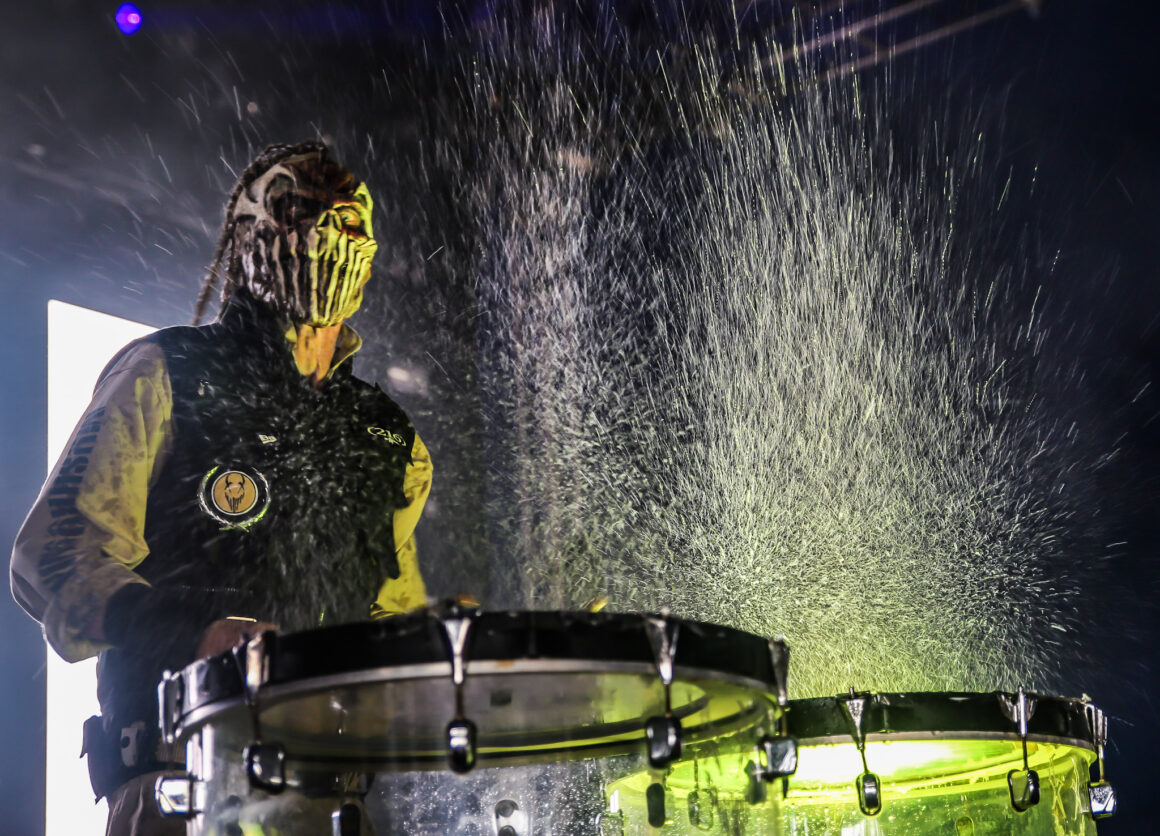
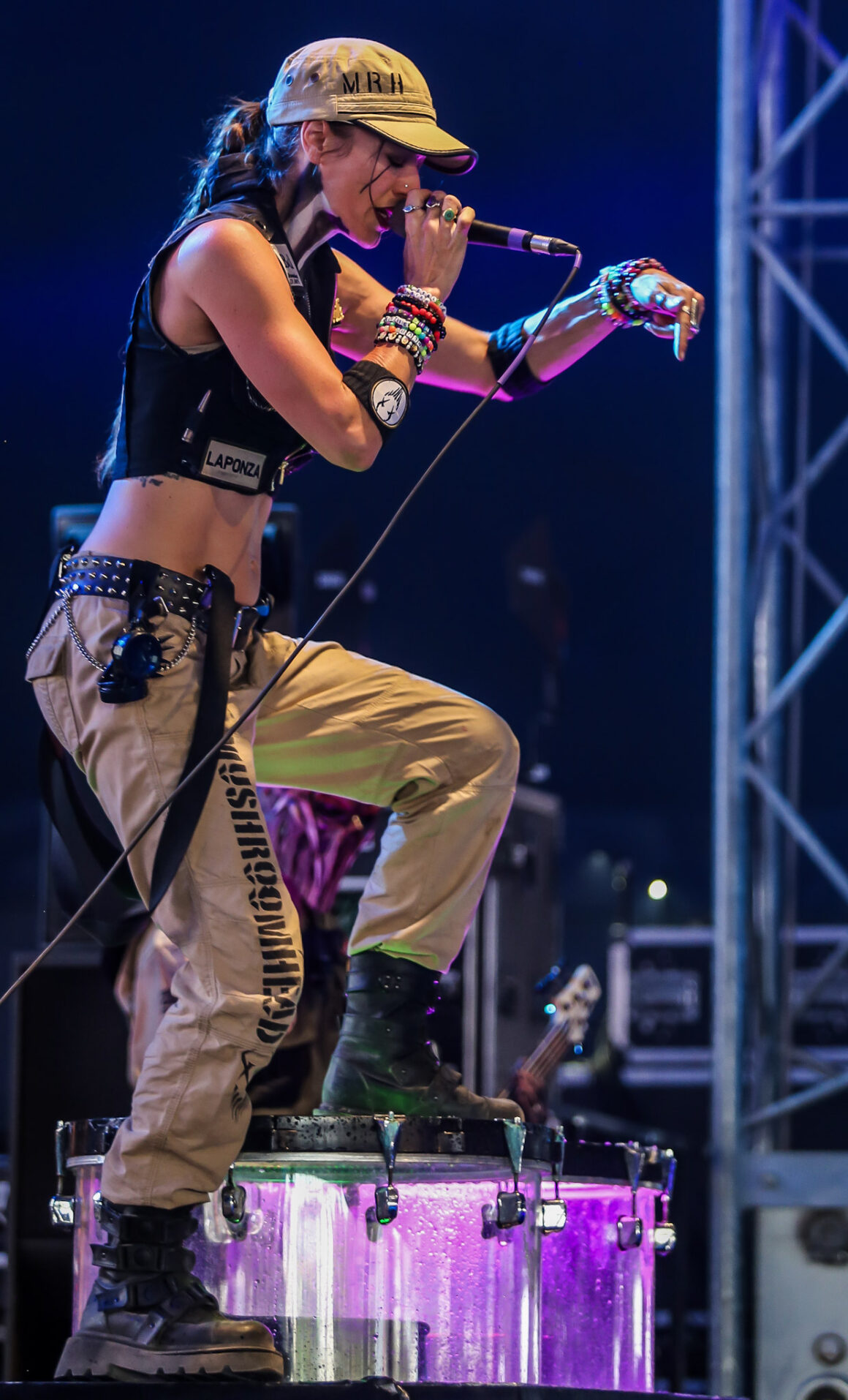
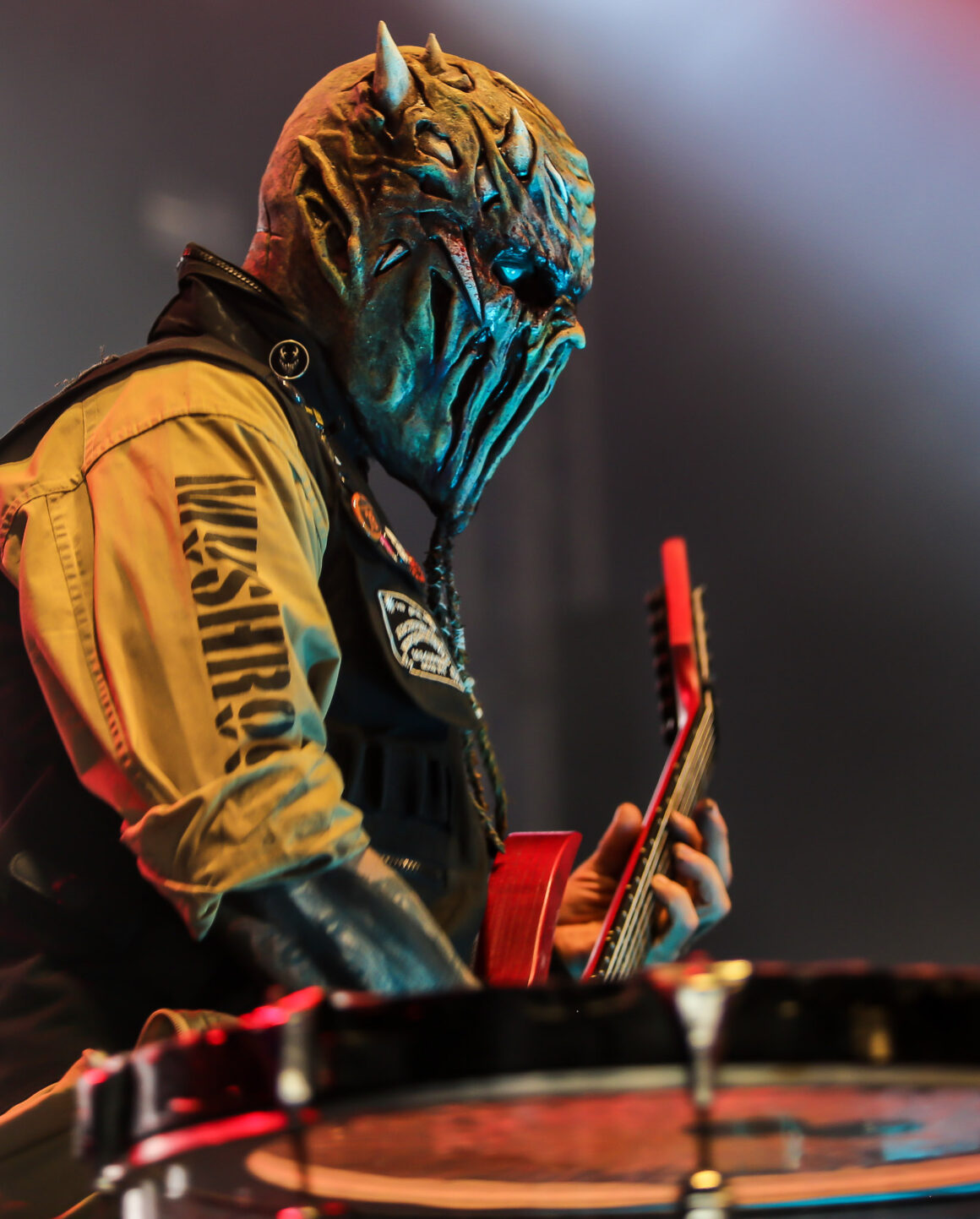
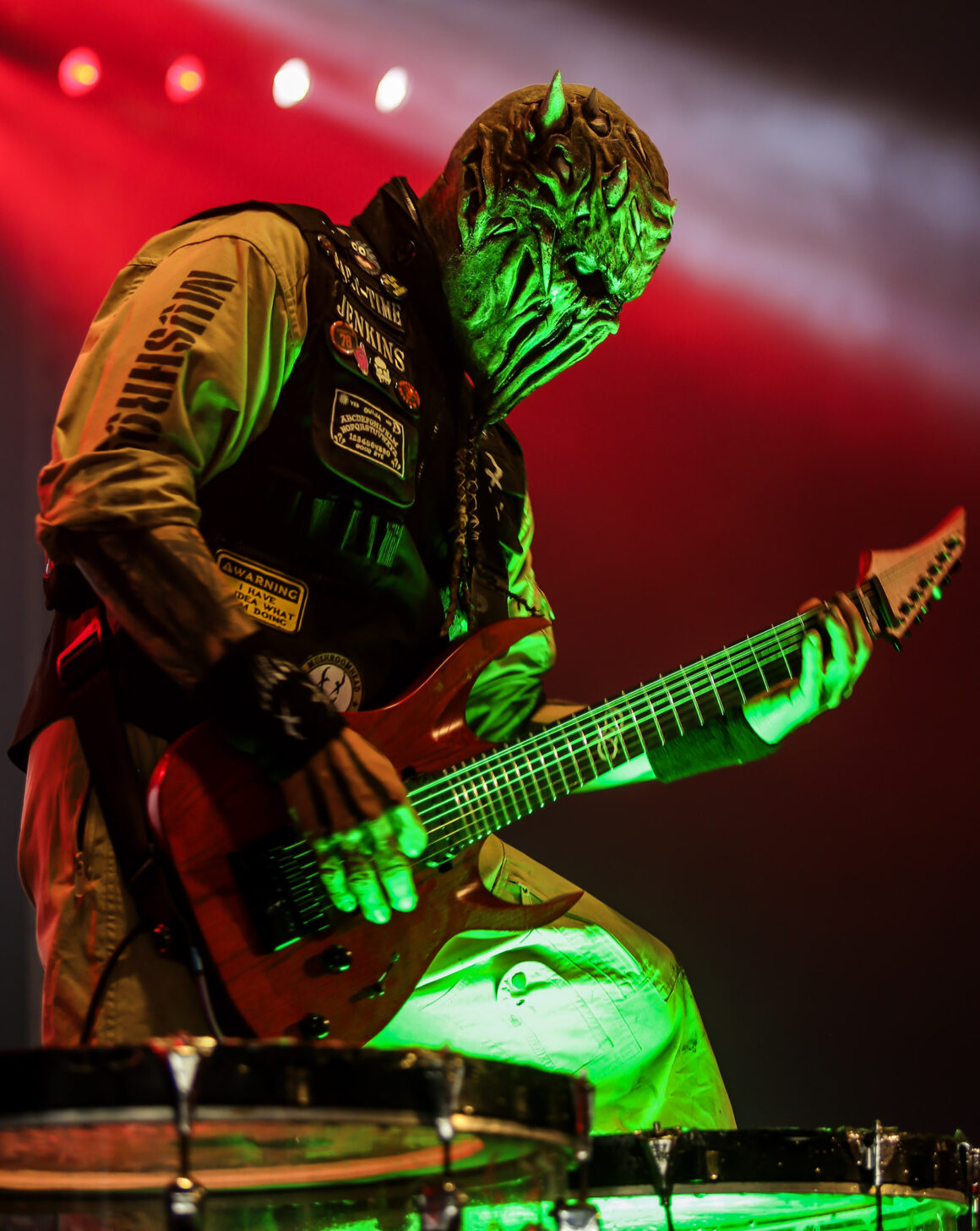
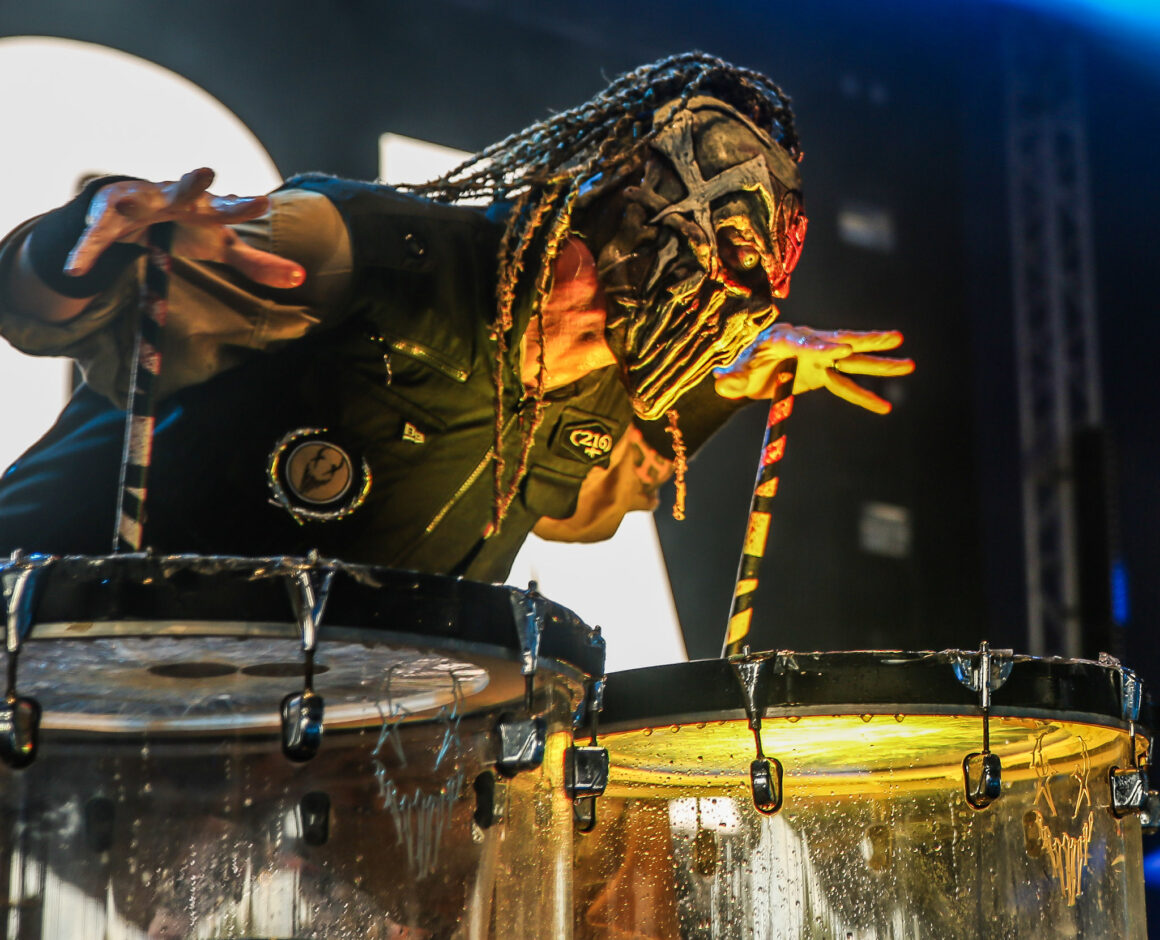
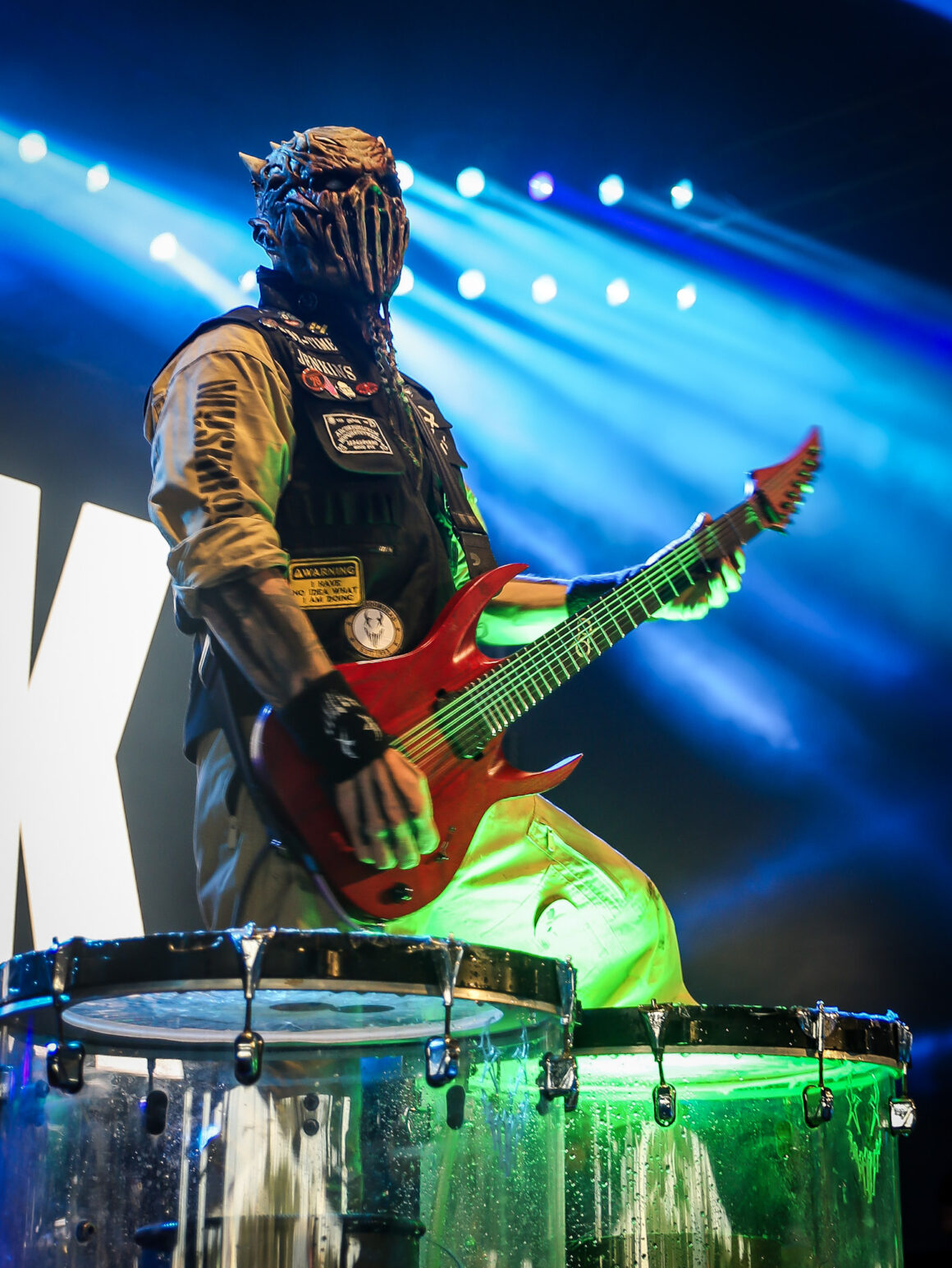
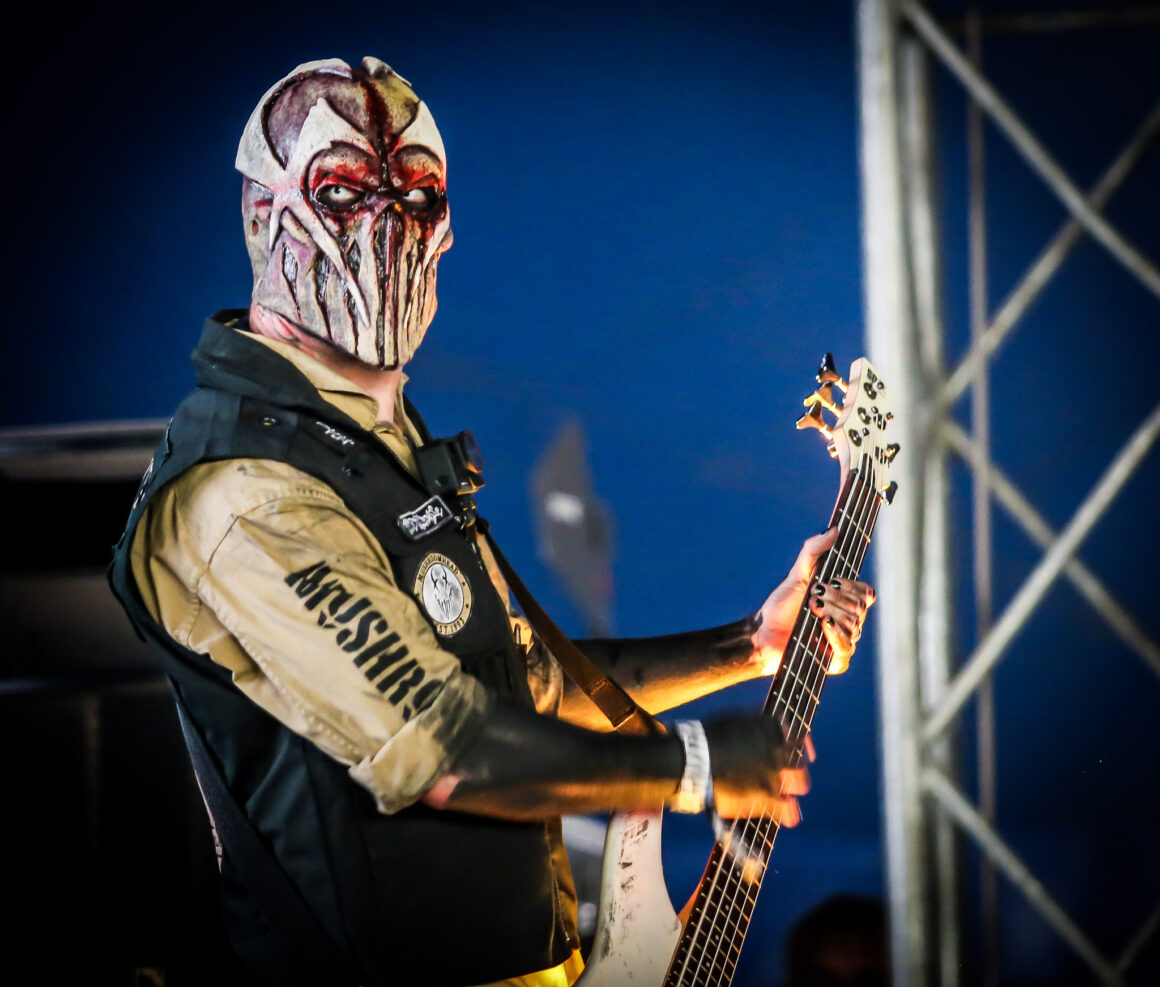
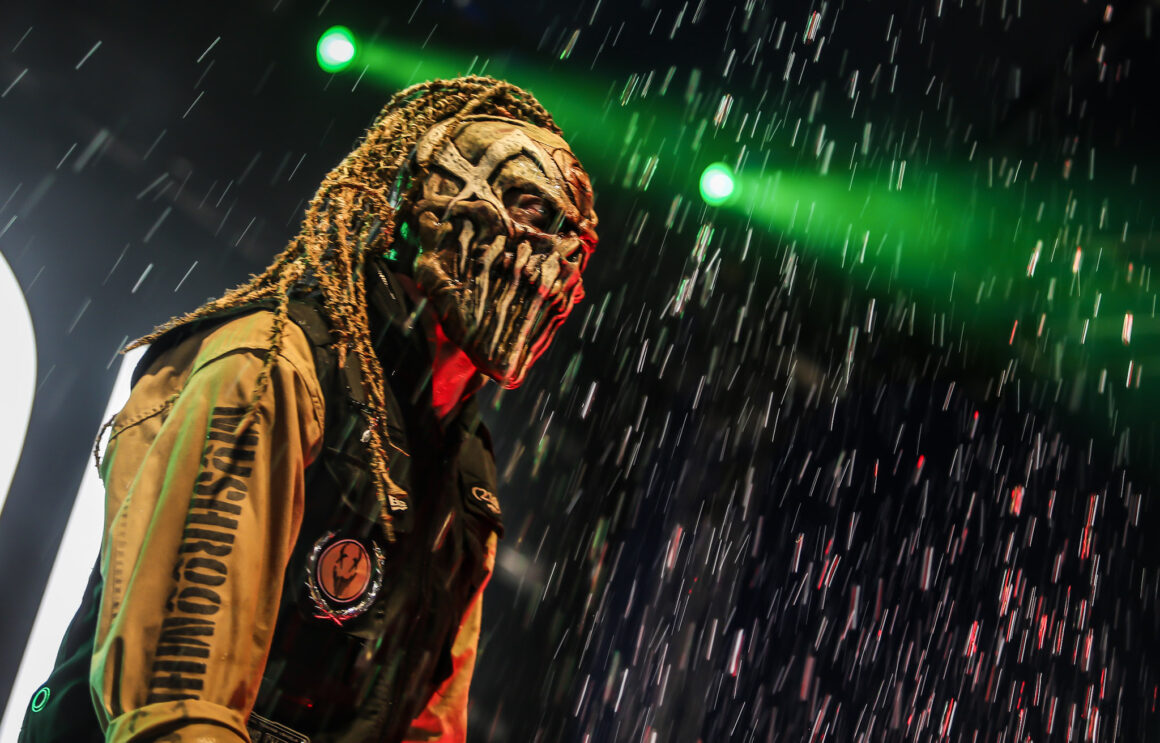
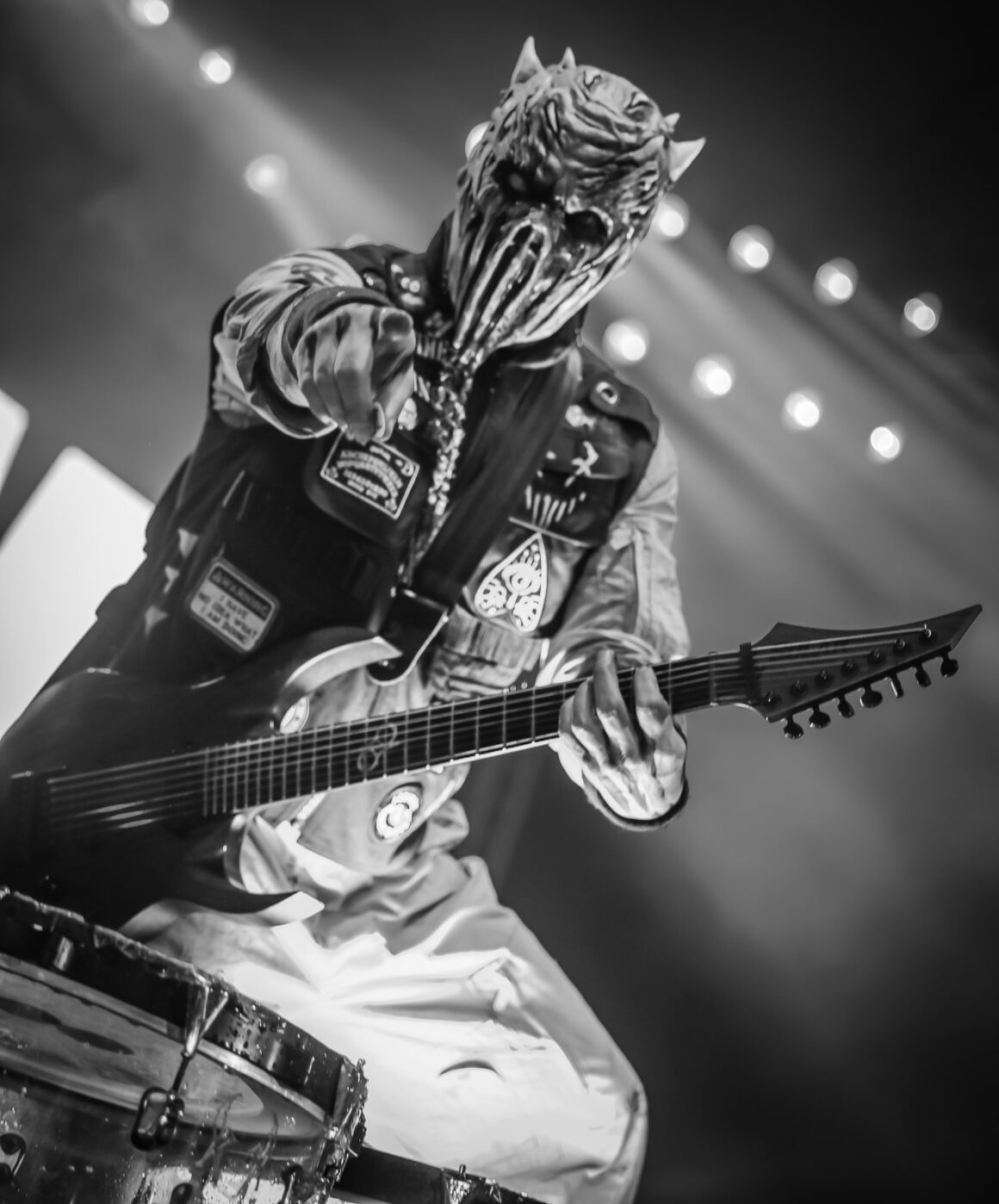
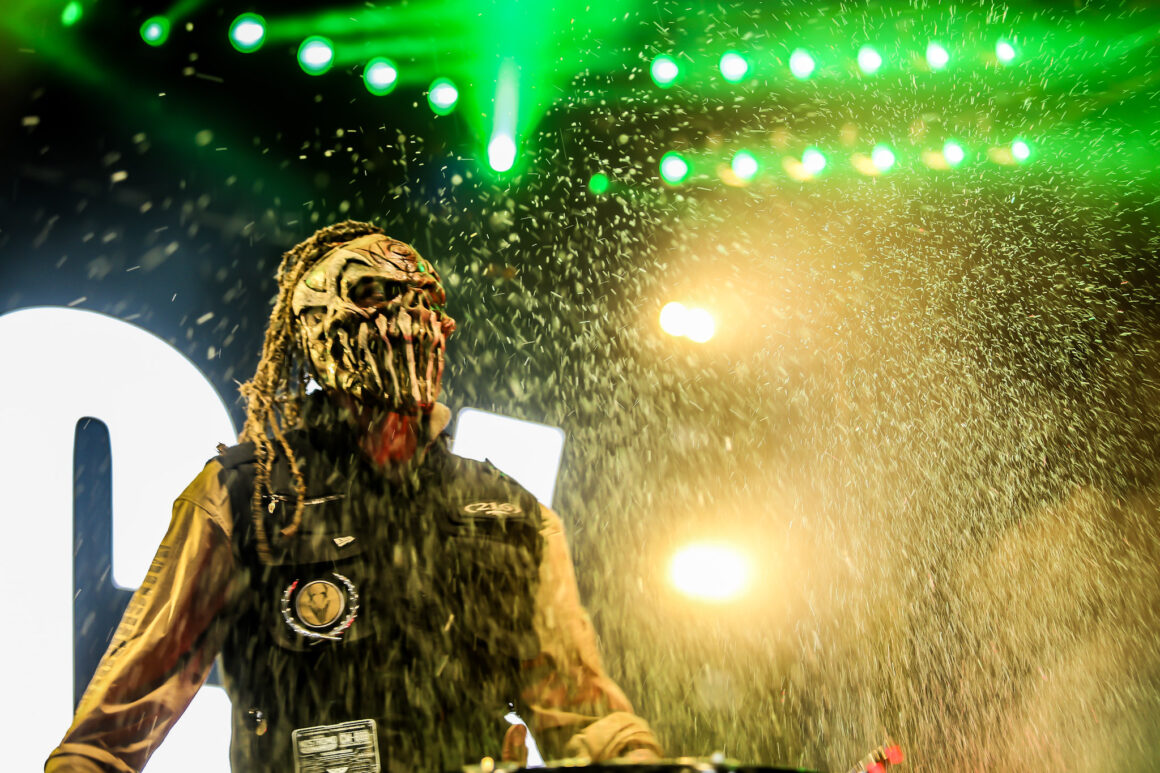
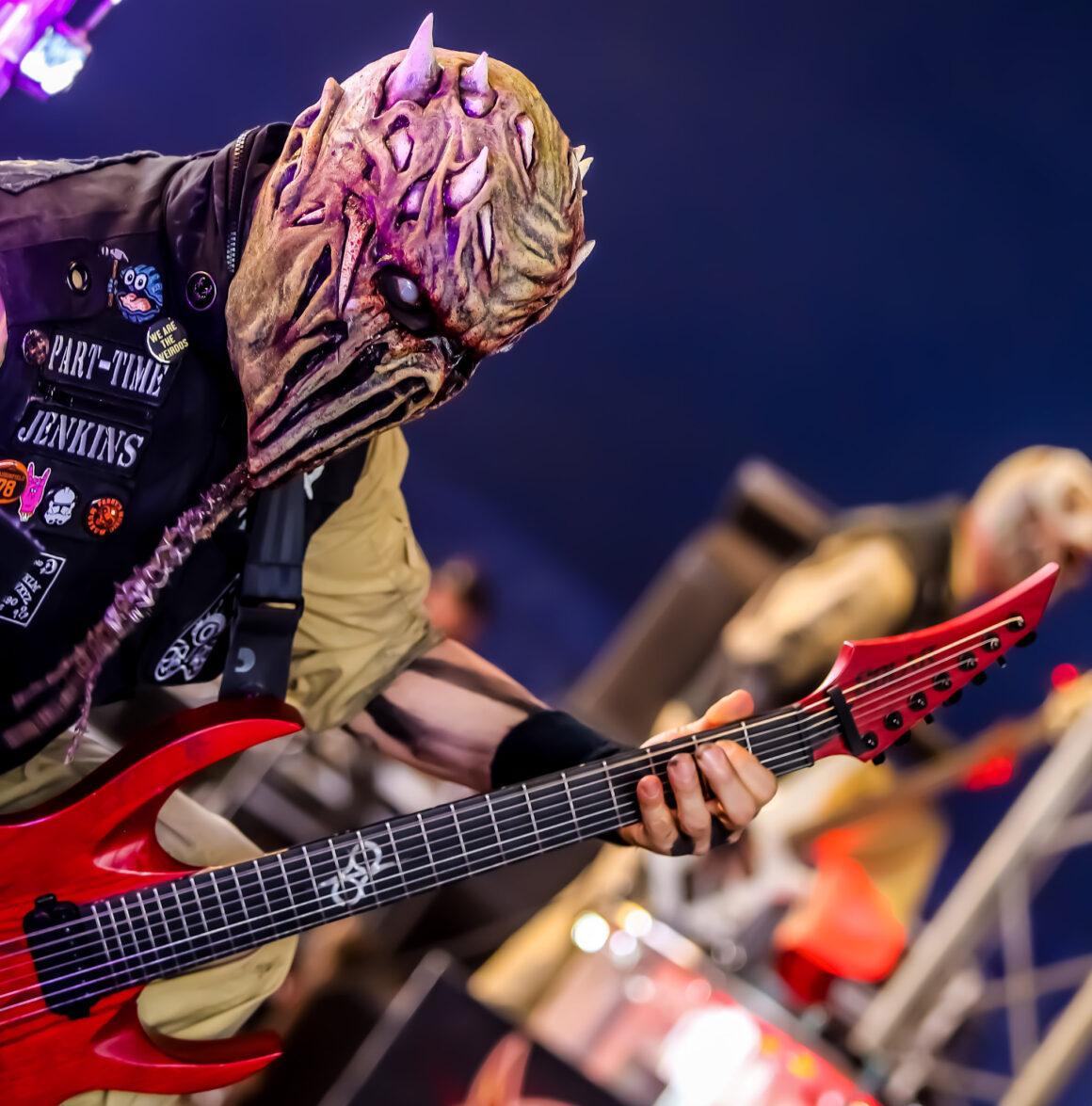
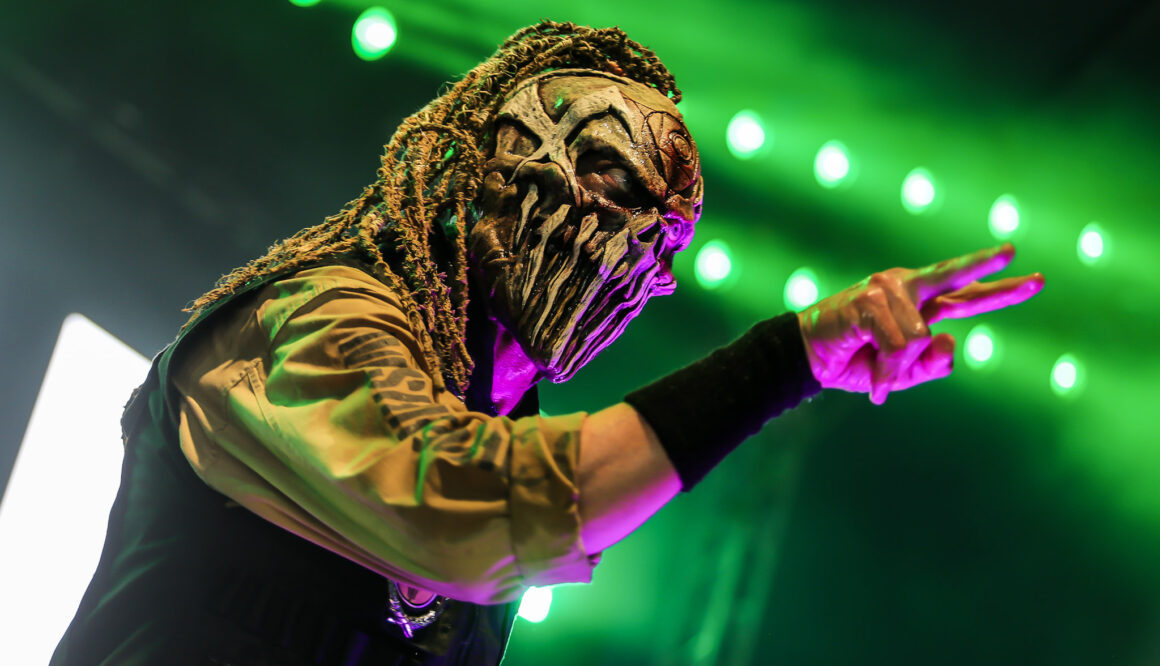
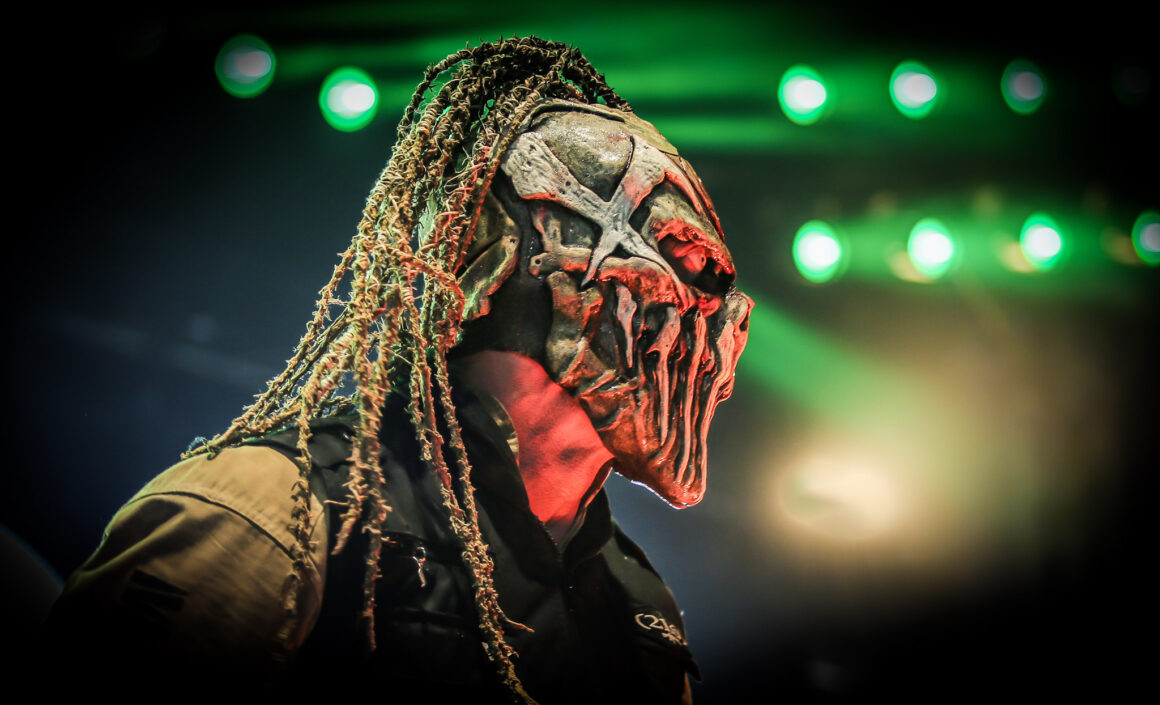
Over on the Sophie Lancaster Stage, Mushroomhead delivered one of the day’s most theatrical performances. The combination of Metal, aggressive vocals and visual spectacle made their set stand out immediately. The vocals moved between harsh screams and more rhythmic delivery, creating a varied sound that worked particularly well with the band’s industrial influences.
The guitars were heavy and mechanical, with tightly locked riffs providing the foundation for the band’s sound. The industrial elements added another layer to the performance, giving the guitars a deliberately cold and imposing quality. The drums were especially effective when the band moved into their heavier sections. Powerful kick patterns and hard snare hits gave the music a physical impact, while the percussion helped reinforce the industrial character. Mushroomhead proved that the Sophie Stage can provide some of the festival’s most visually and musically distinctive performances.
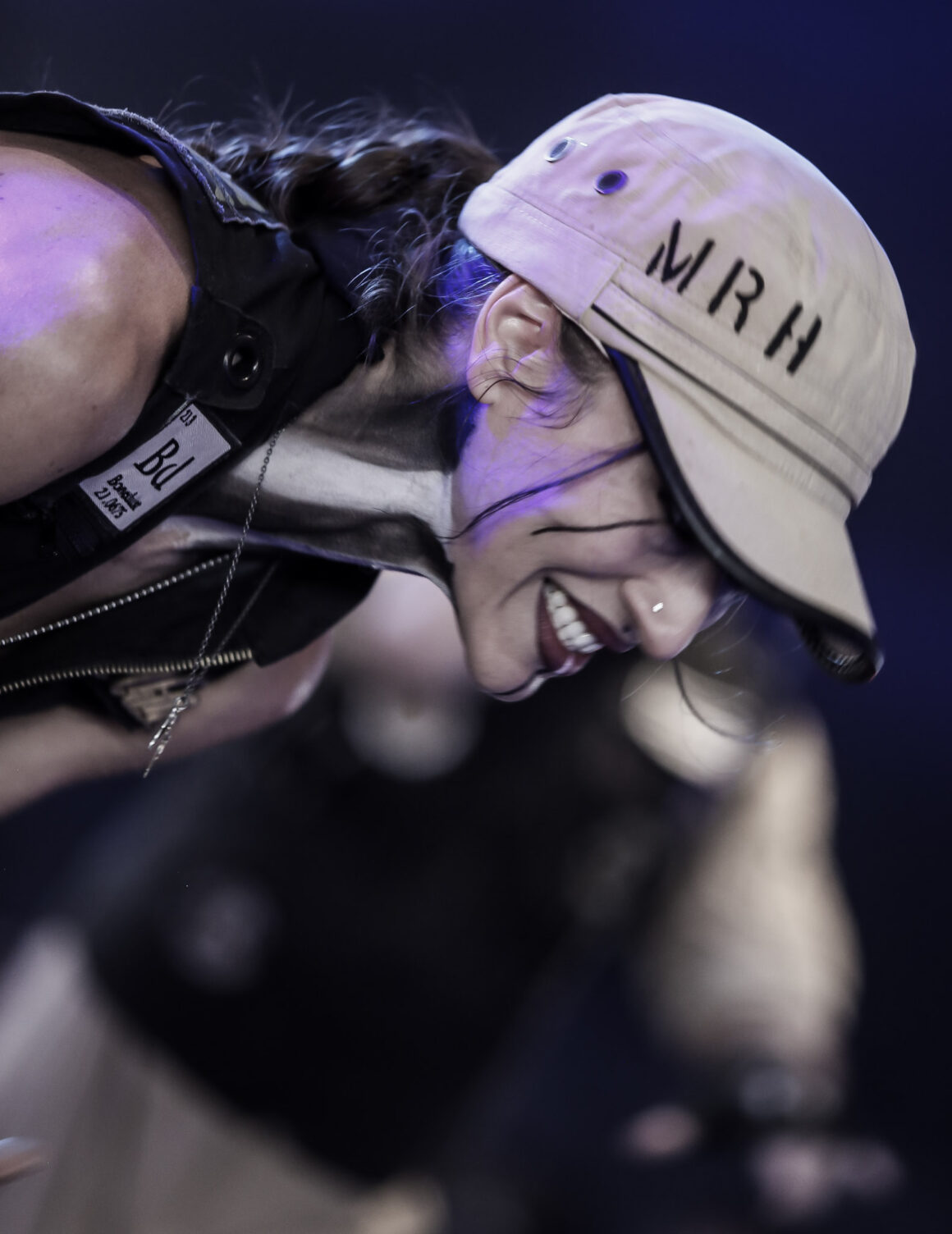
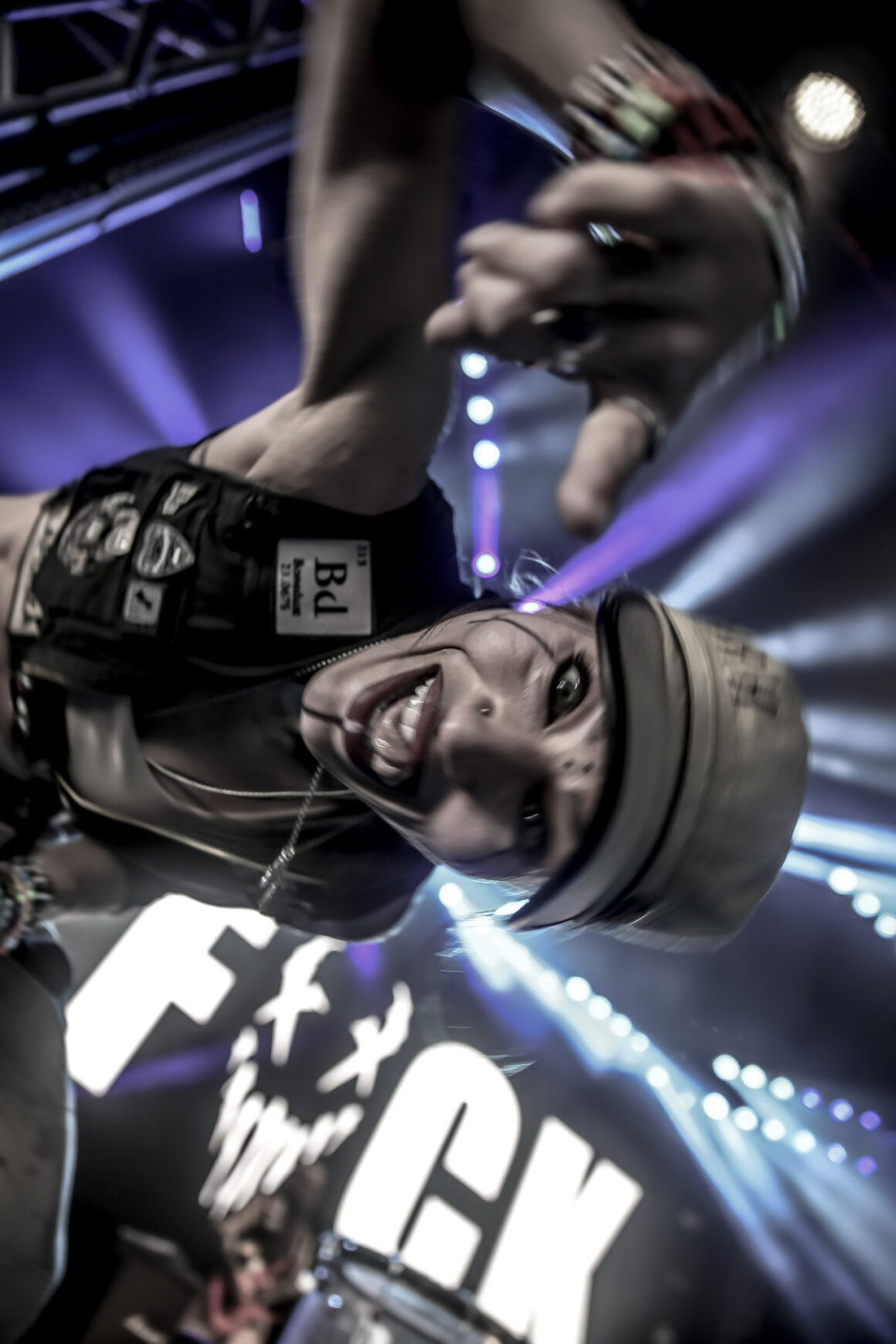
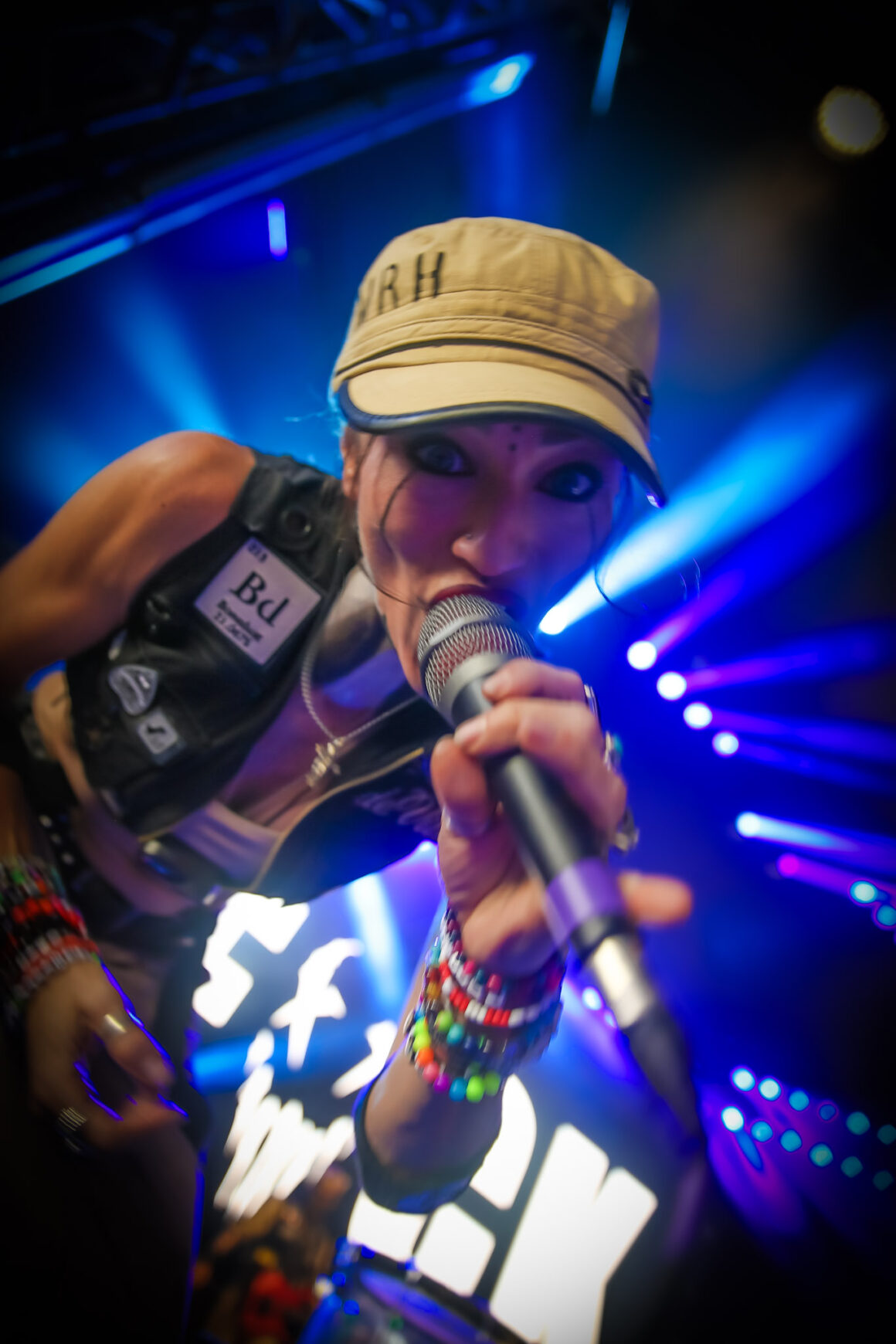
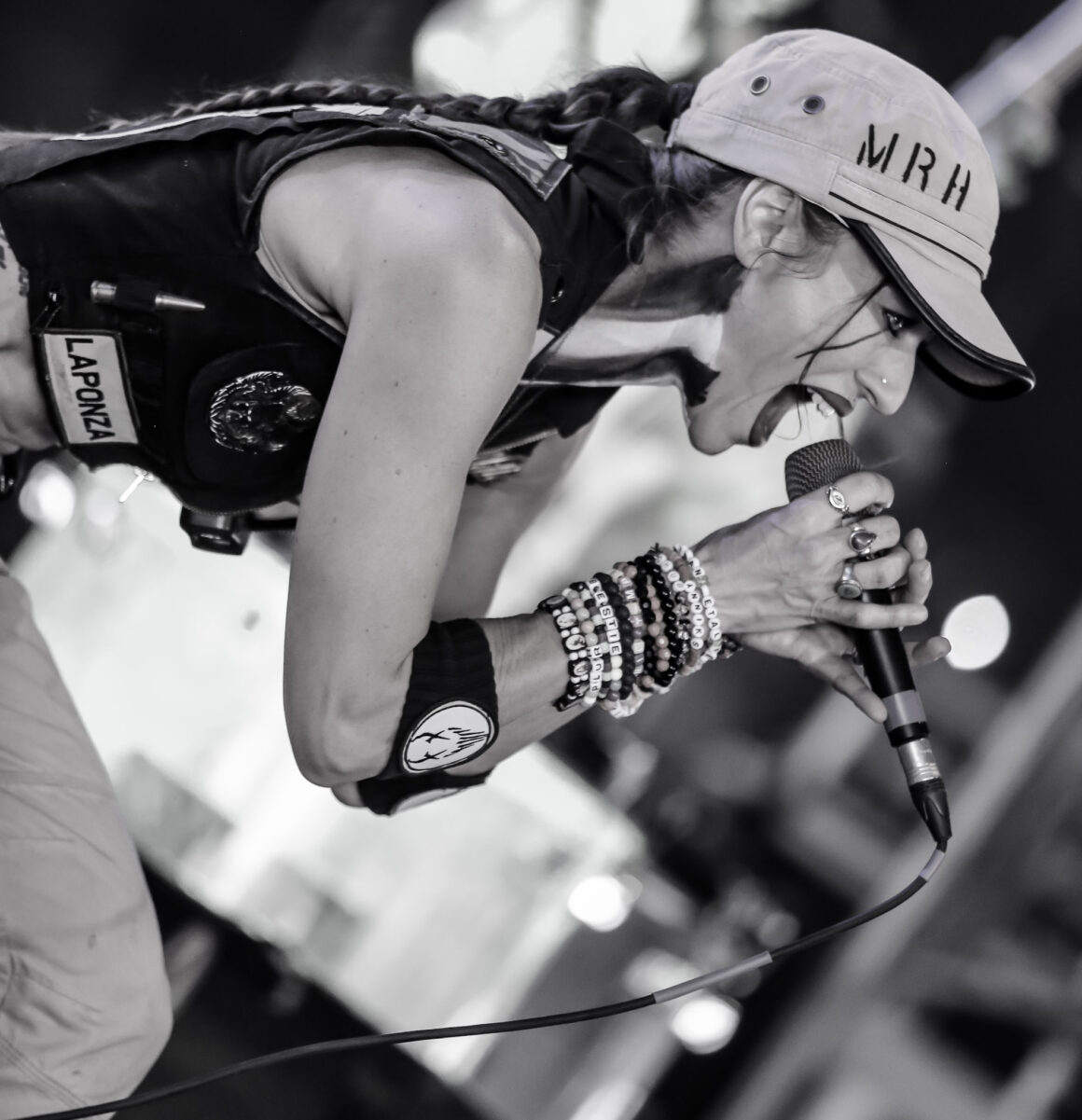
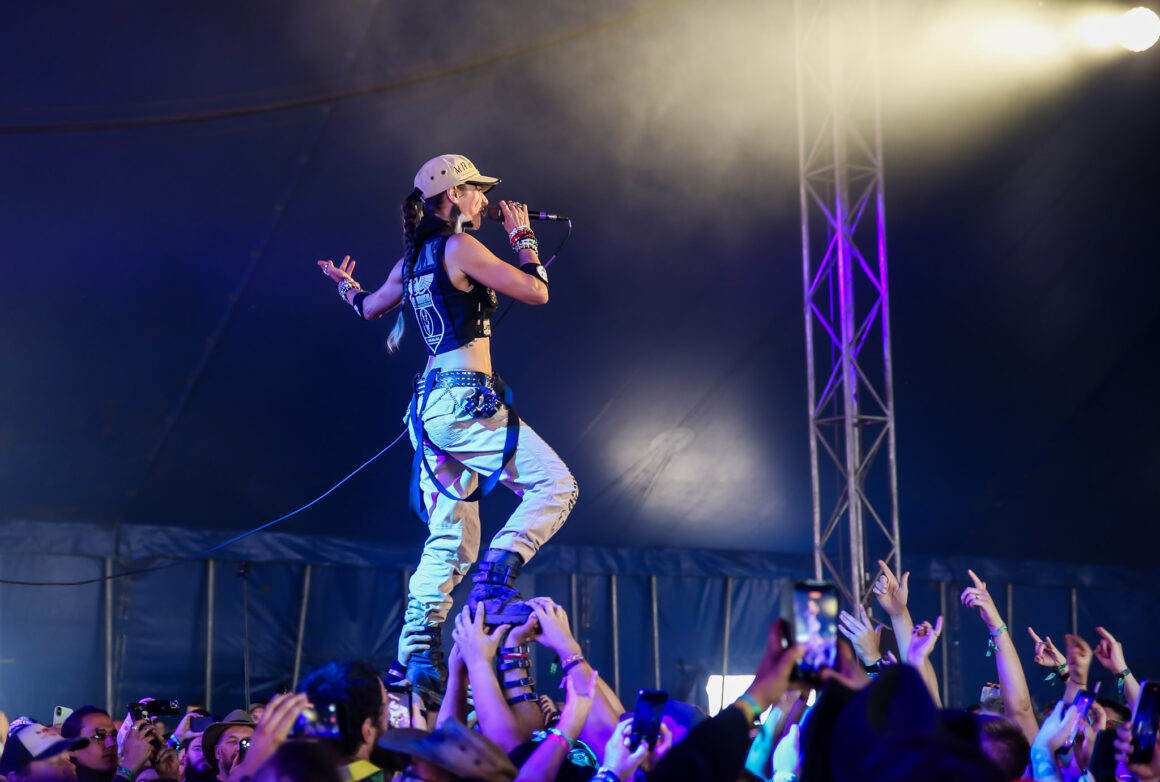
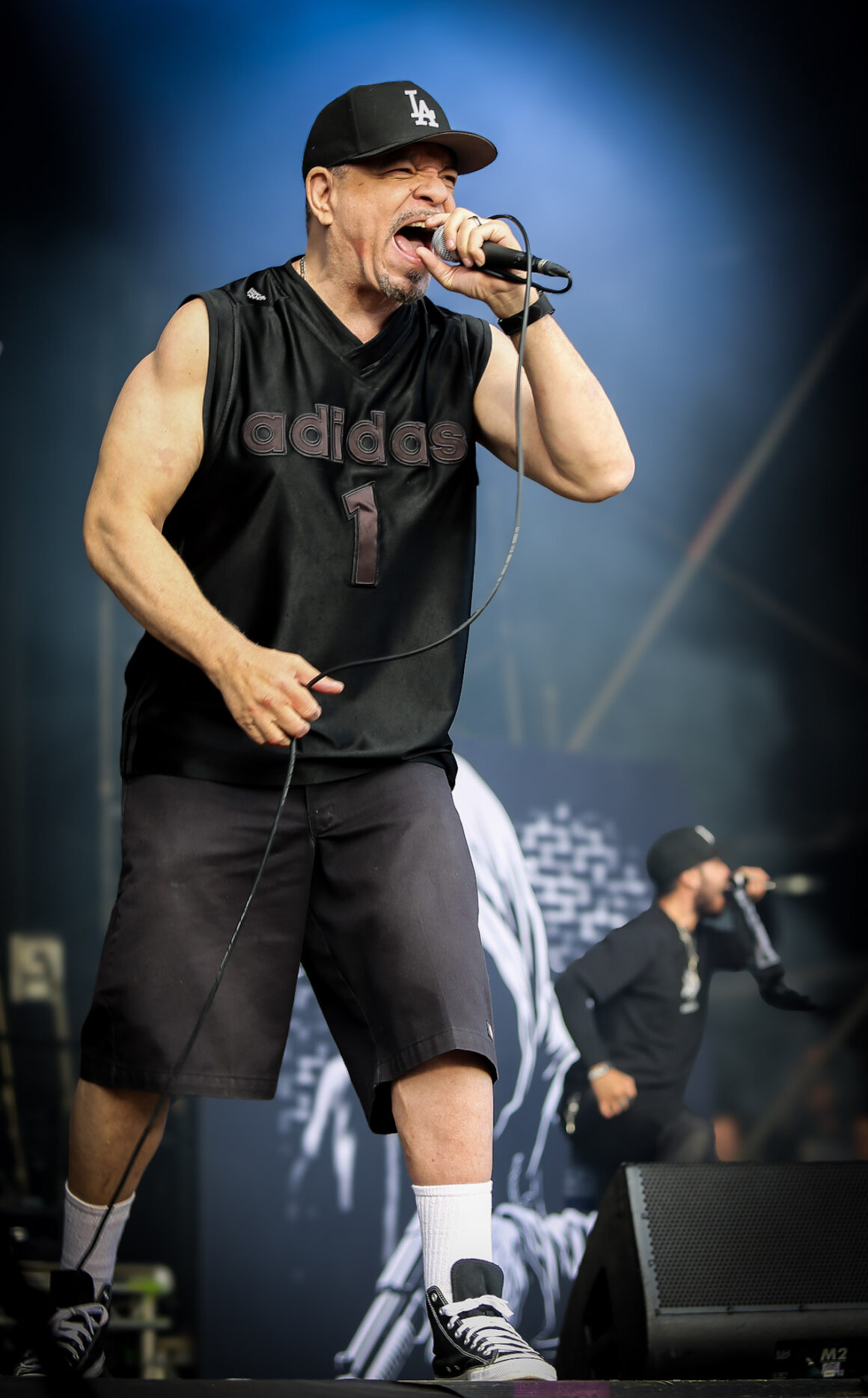
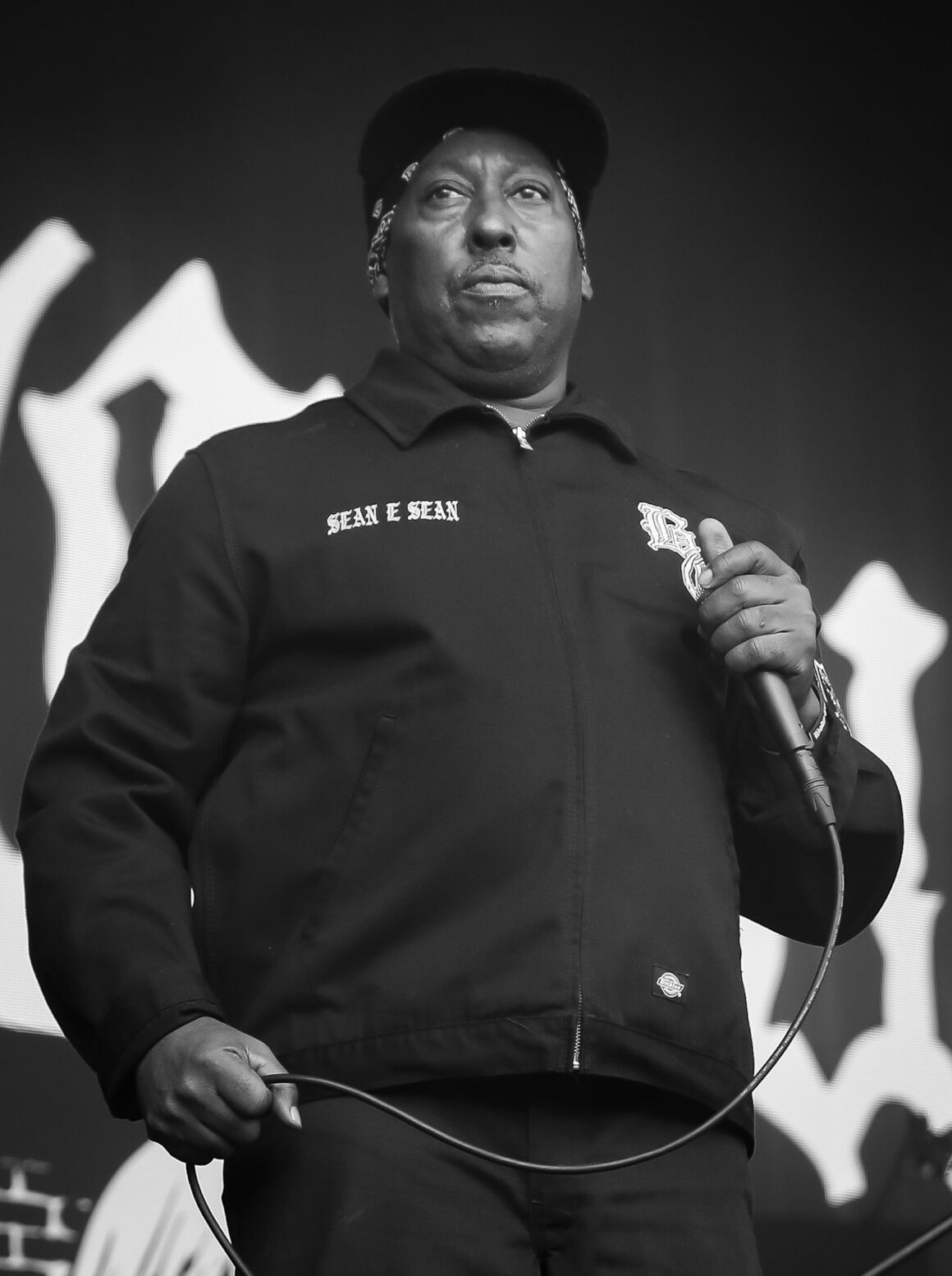
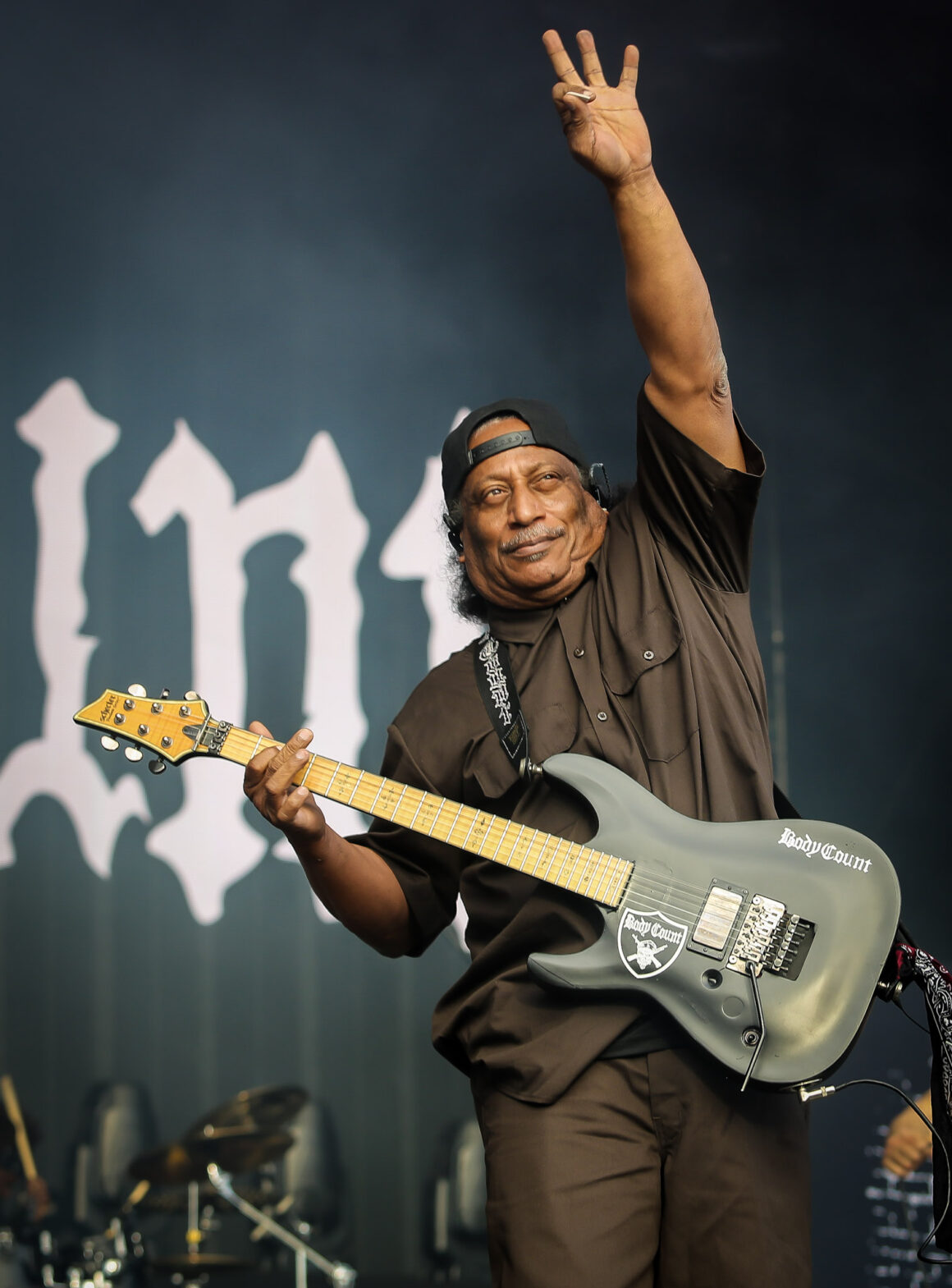
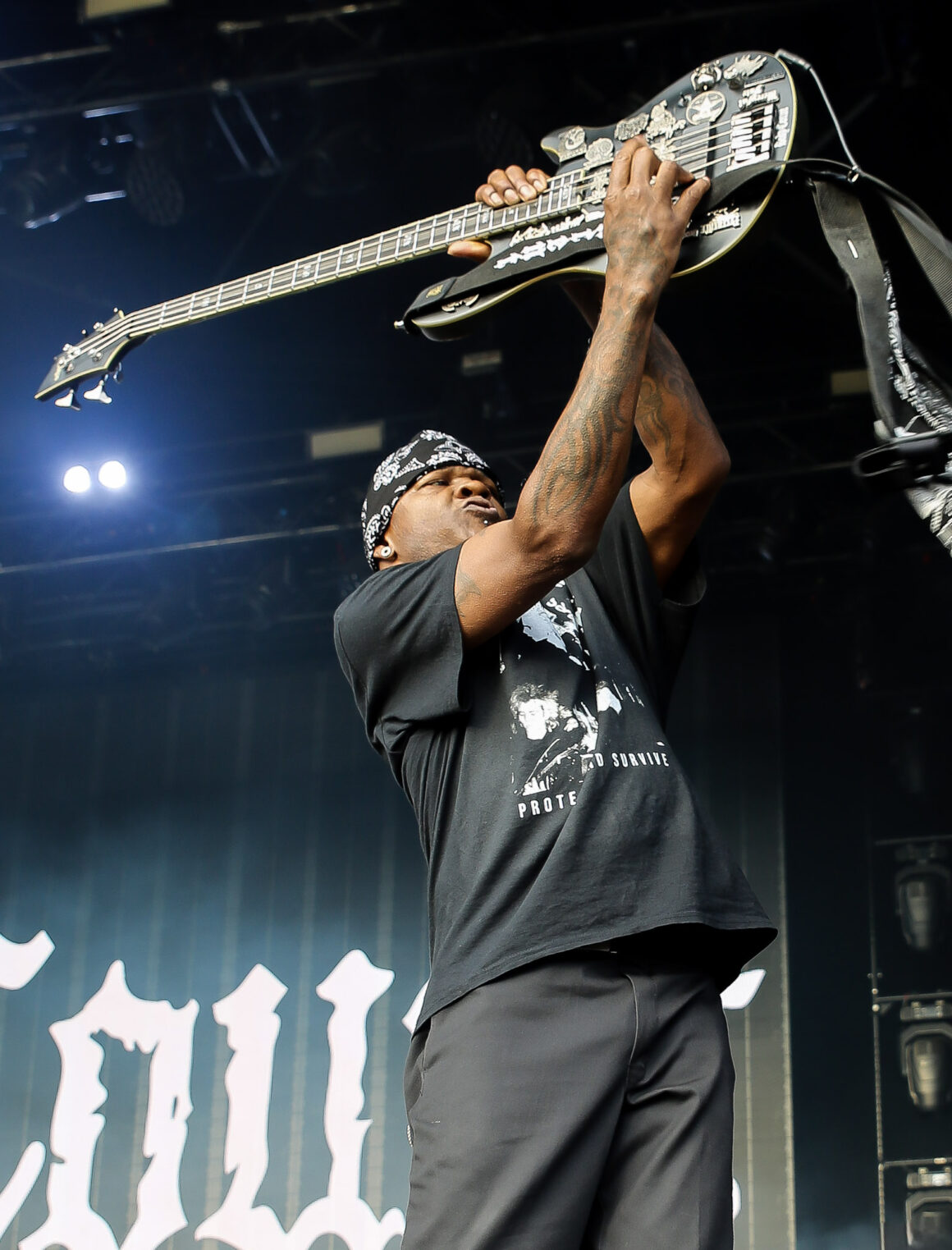
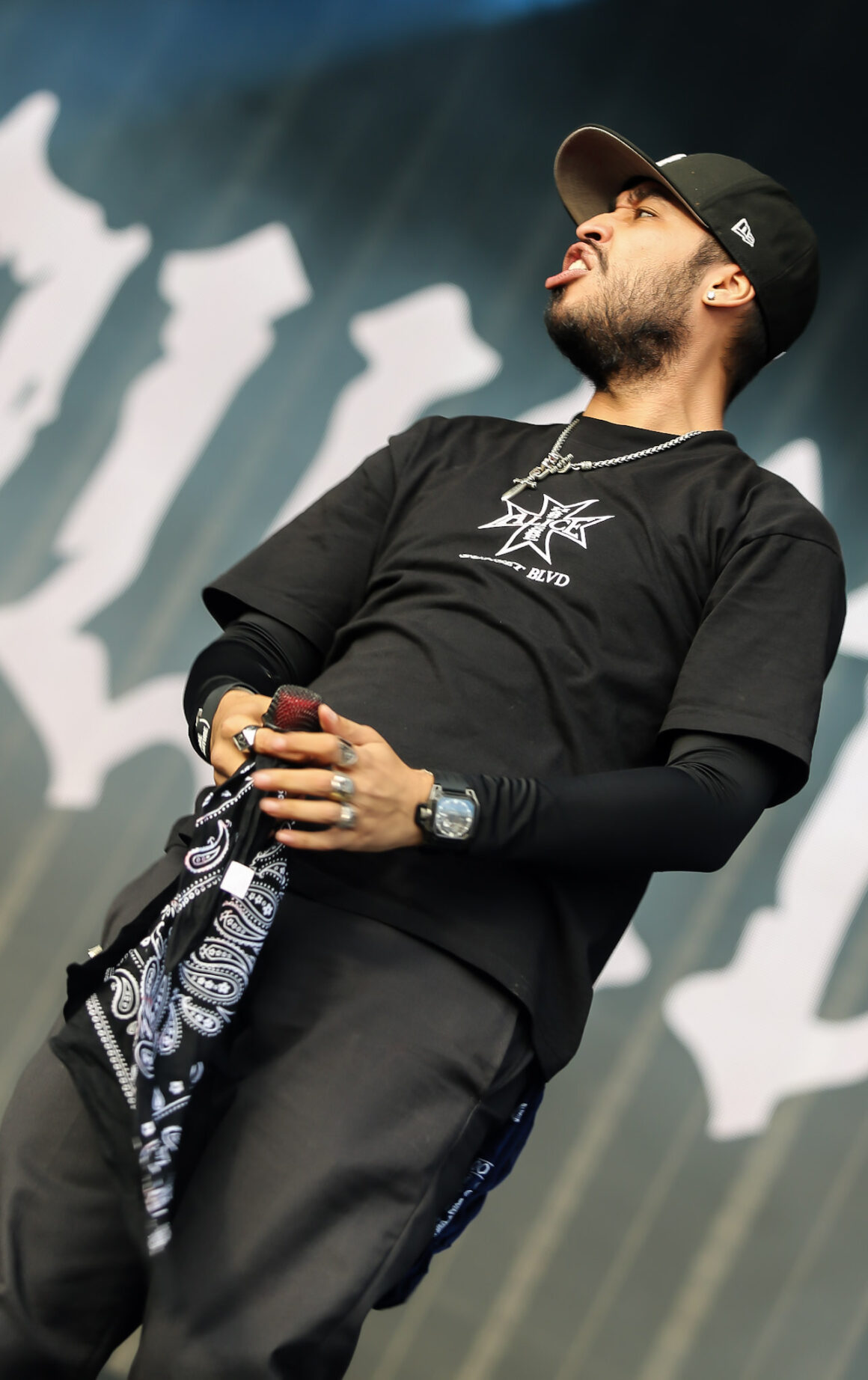
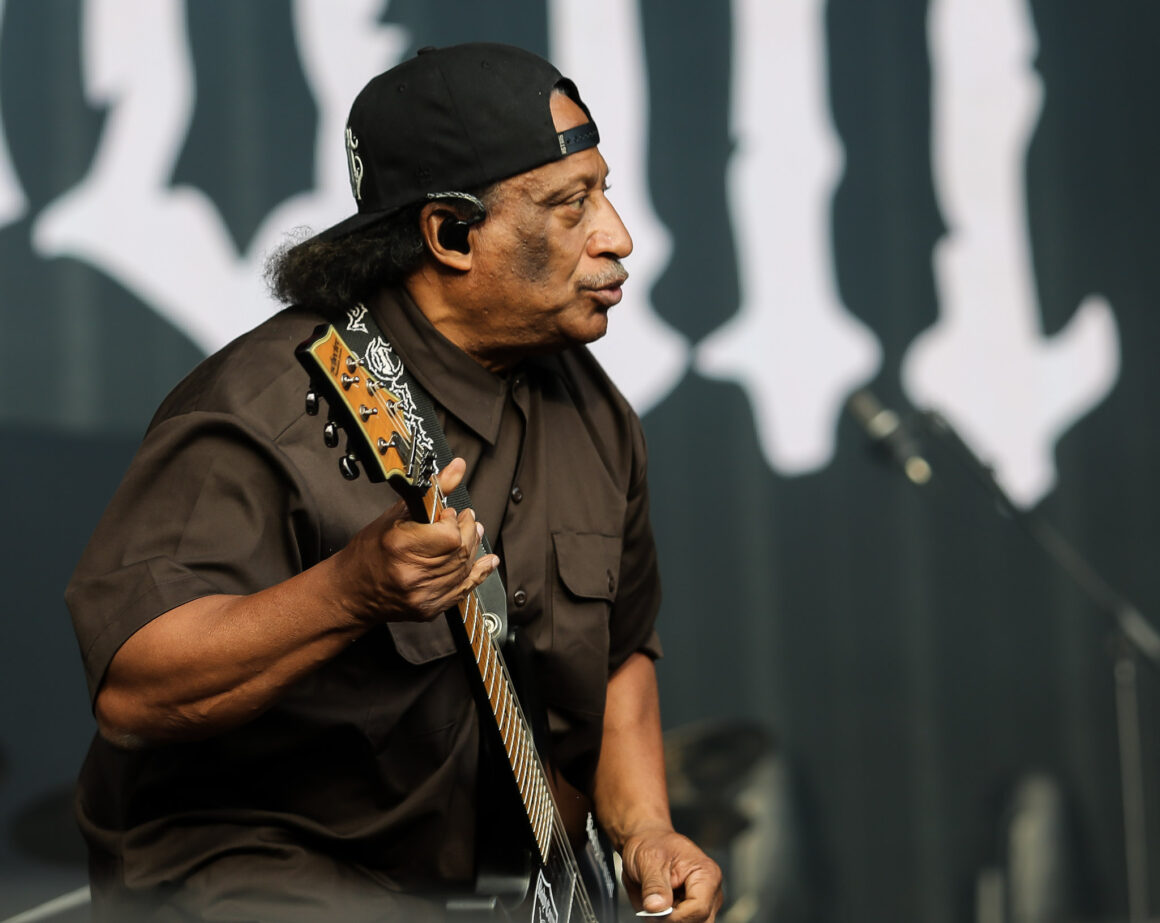
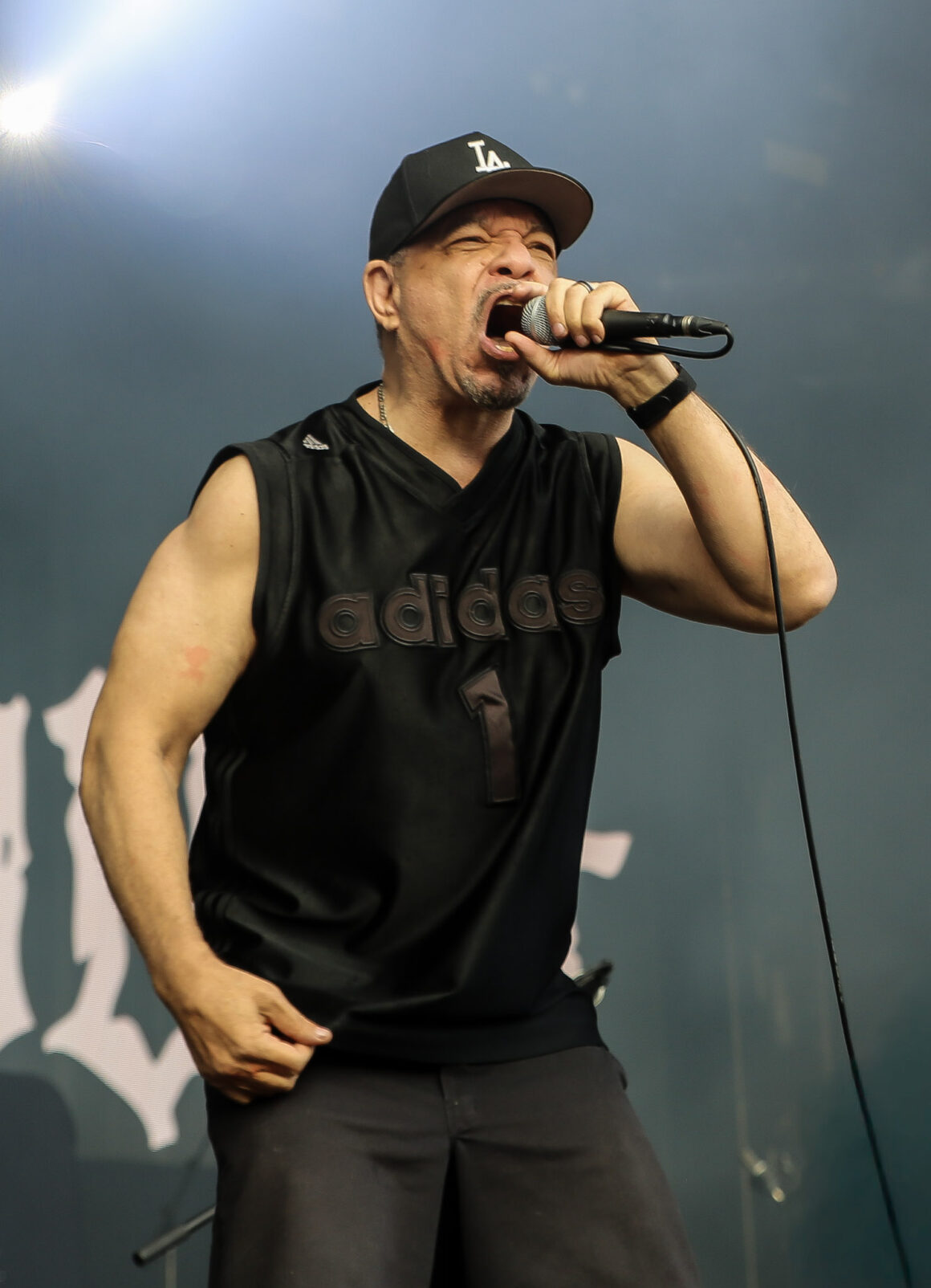
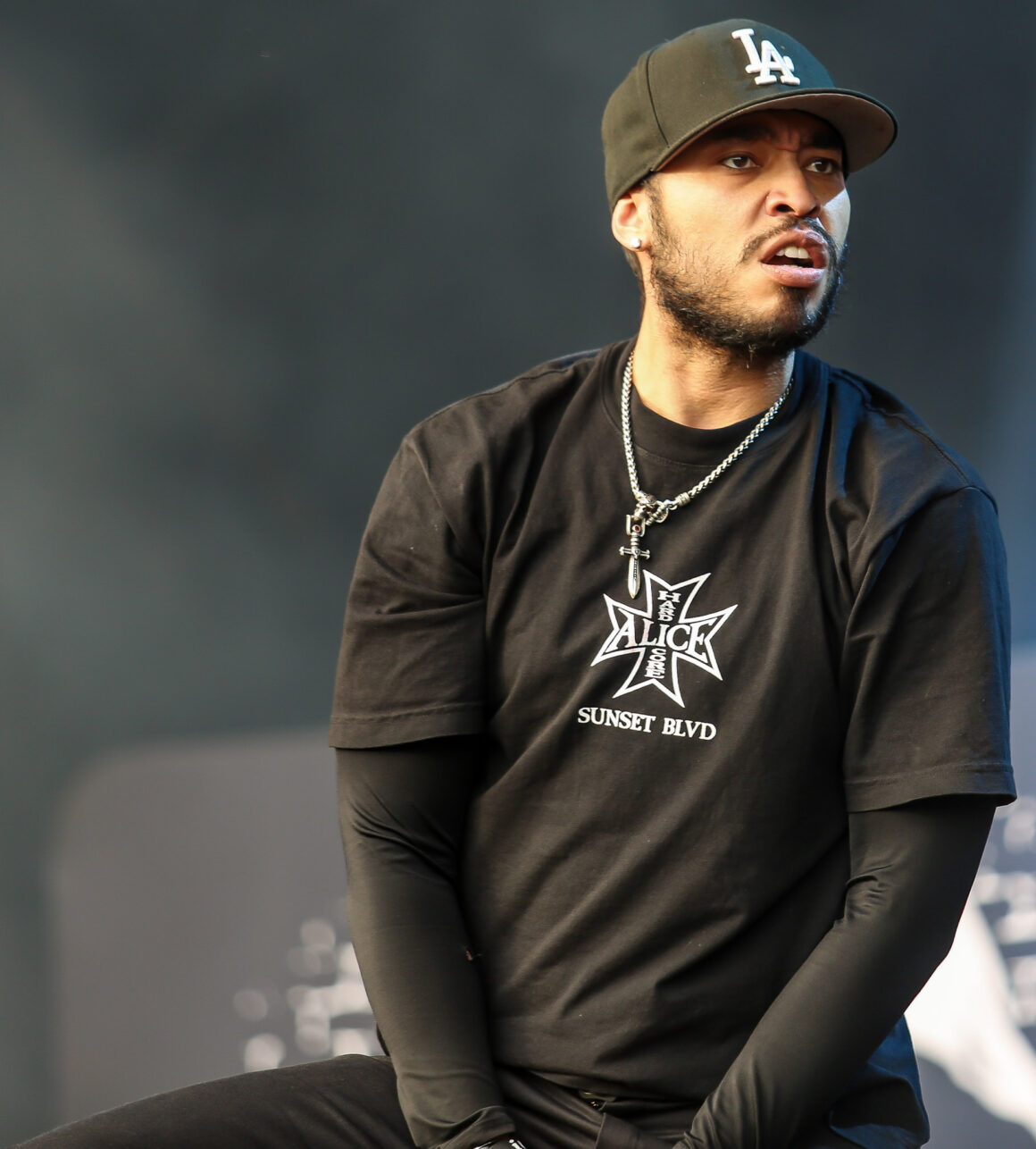
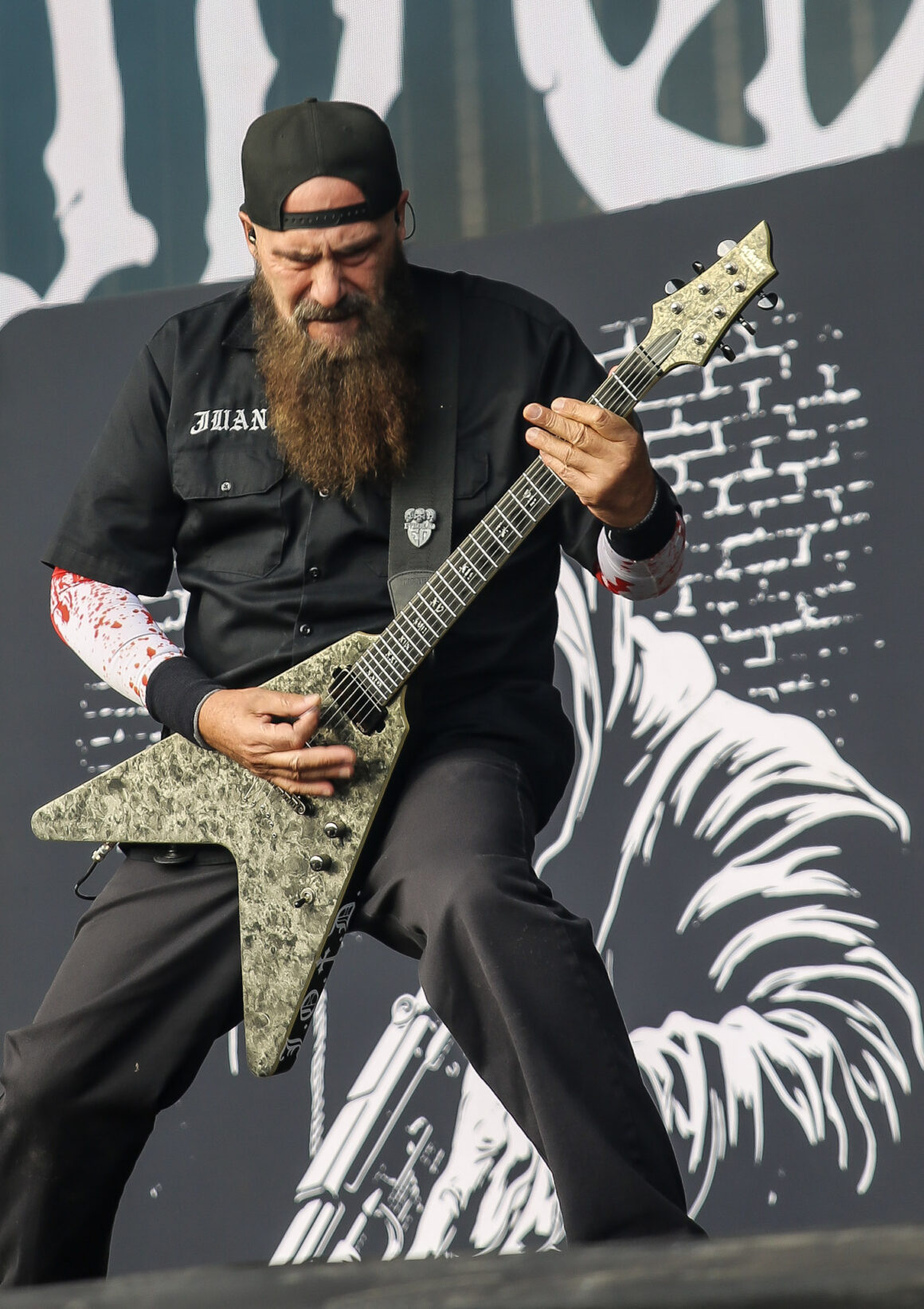
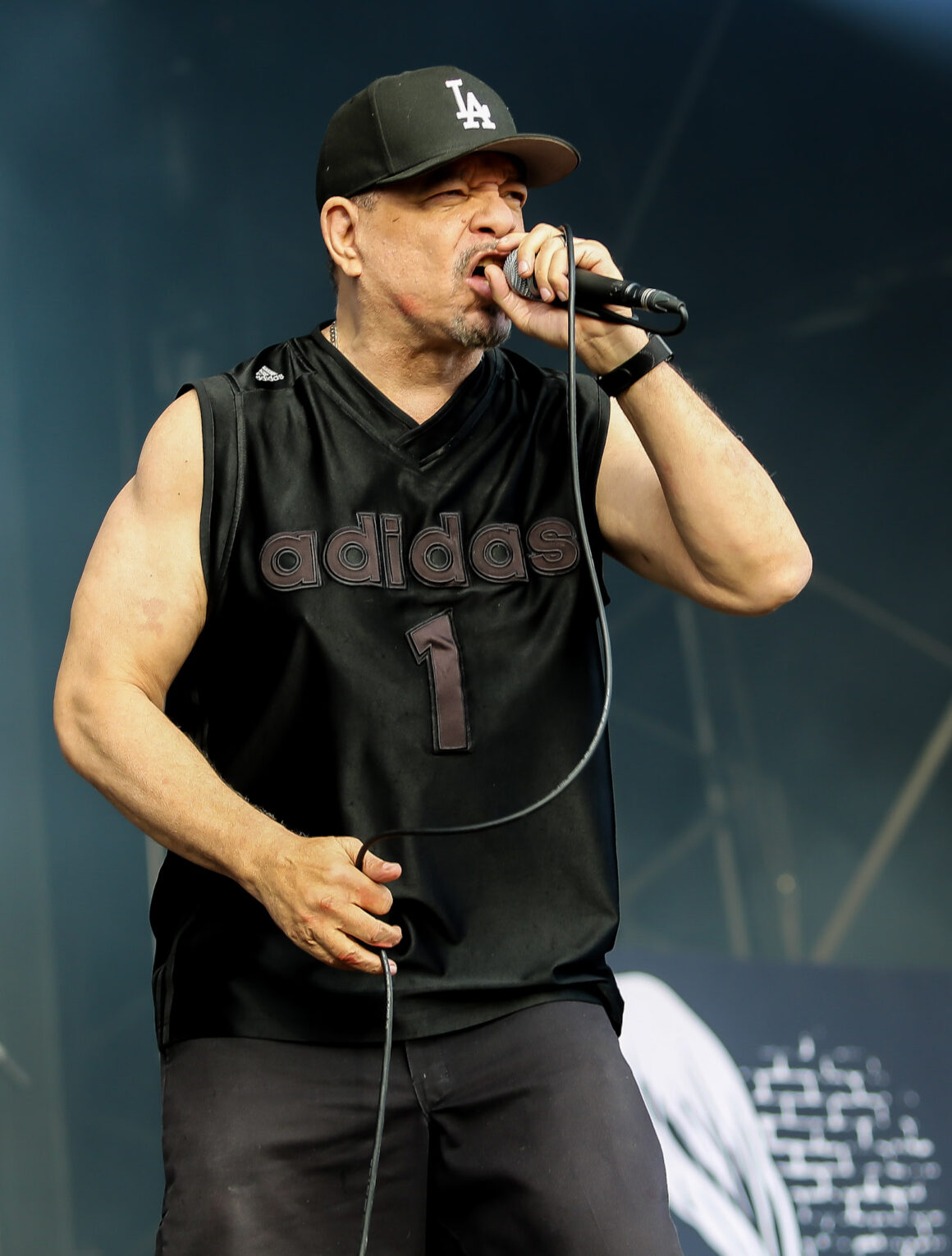
Then came Body Count, and the Main Stage suddenly felt like a very different place. Fronted by Ice-T, the band brought a mixture of Metal, Hardcore and Hip-Hop that felt completely their own. The vocals were delivered with authority, attitude and a confrontational edge, with Ice-T commanding the stage rather than simply standing behind a microphone. The guitars were heavy and aggressive, delivering riffs that leaned heavily into hardcore and thrash territory. The tone was thick without losing clarity, and the guitarists brought plenty of energy to the performance.
The drums were absolutely crucial to Body Count’s sound. The playing combined metal’s power with the groove and rhythmic punch associated with hardcore and hip-hop. The drummer hit hard, creating a physical pulse that kept the entire performance moving. Body Count’s set was energetic, uncompromising and impossible to ignore. It was another example of Bloodstock’s ability to bring together different corners of heavy music under one roof.
The Sophie Stage then turned brutally heavy with 200 Stab Wounds. Their Death Metal attack was one of the most punishing performances of the day. The vocals were deep, guttural and monstrous, cutting through the instrumental mix with exactly the kind of brutality fans of the genre had come to hear. The guitars were relentlessly heavy, with chunky riffs, rapid picking and punishing rhythmic patterns creating a wall of sound. Despite the sheer heaviness, the guitar work remained impressively tight, particularly during the faster sections. The drums provided the engine behind the entire performance. Blast beats, double-kick patterns and powerful fills came thick and fast, with the drummer maintaining an impressive level of consistency throughout.
There was very little room to breathe during 200 Stab Wounds’ set, and that was precisely the point. They delivered an unapologetically brutal death-metal performance that left the Sophie Stage suitably battered.
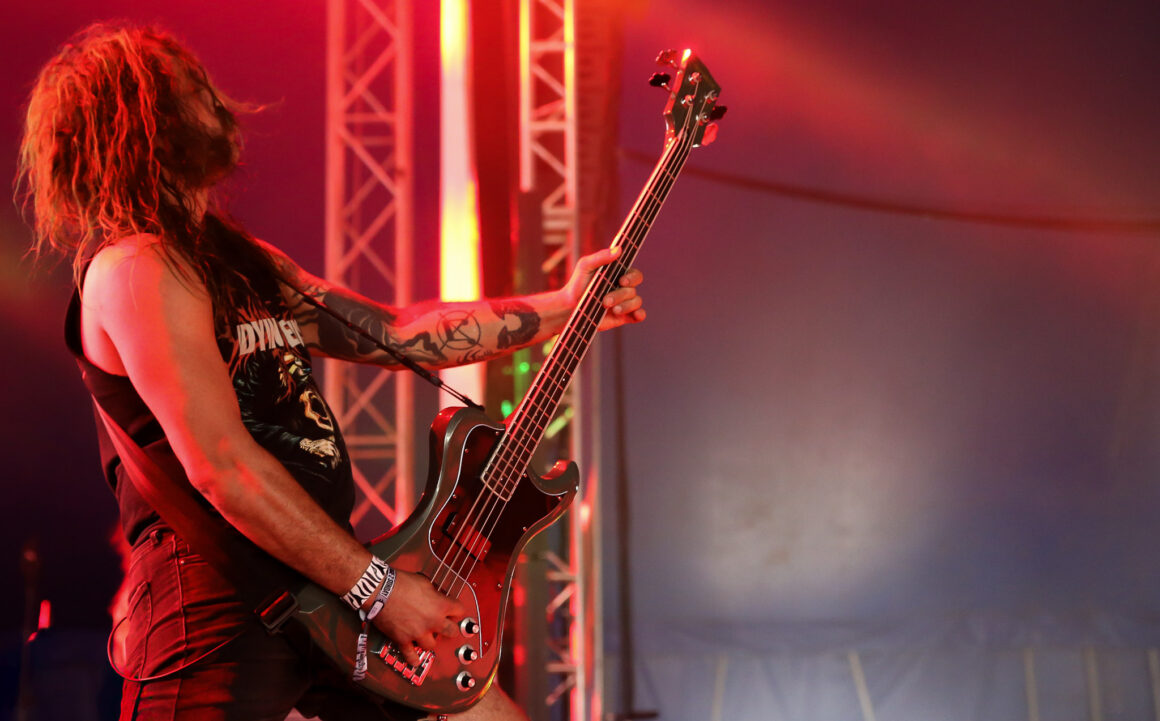
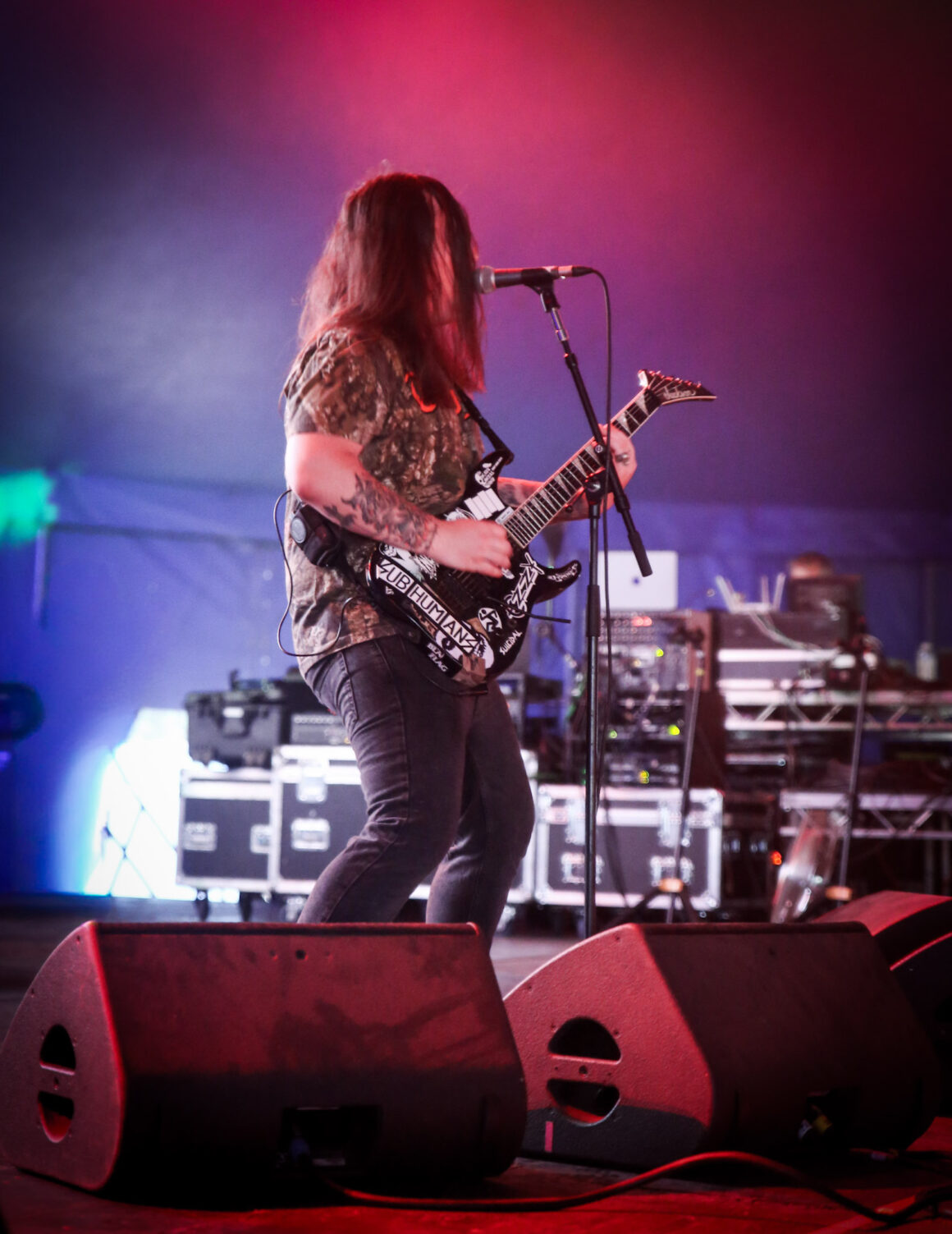
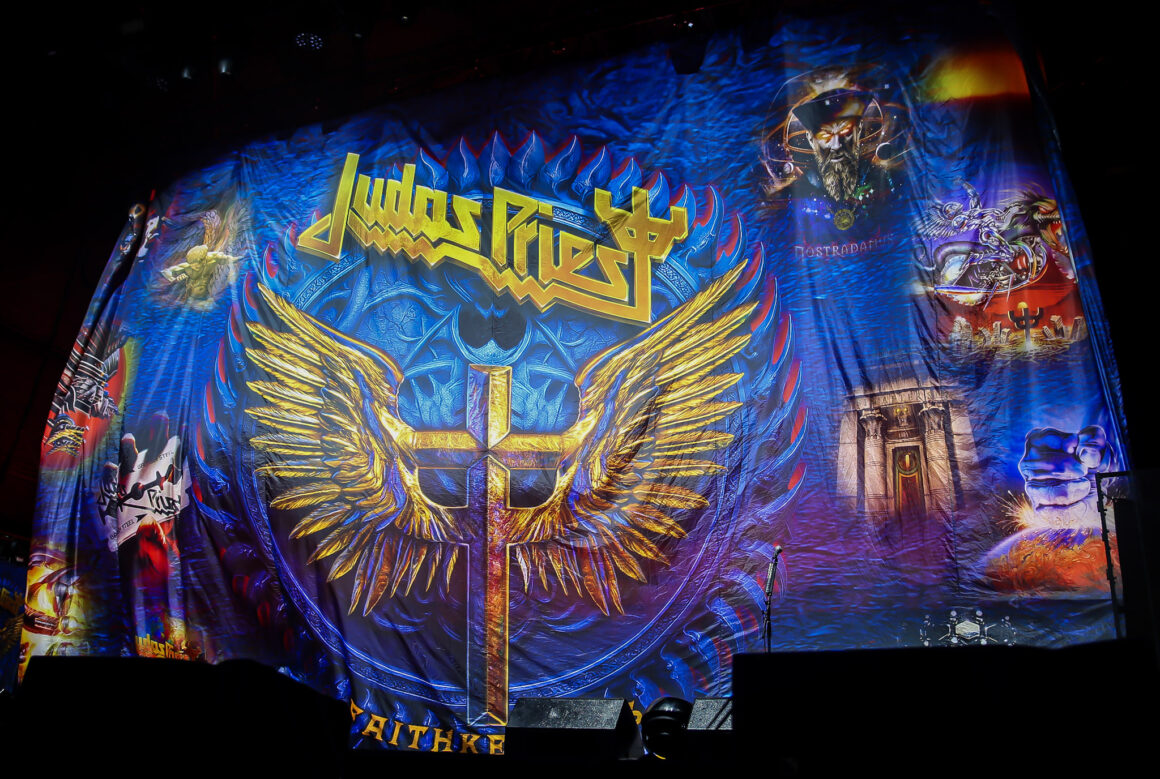
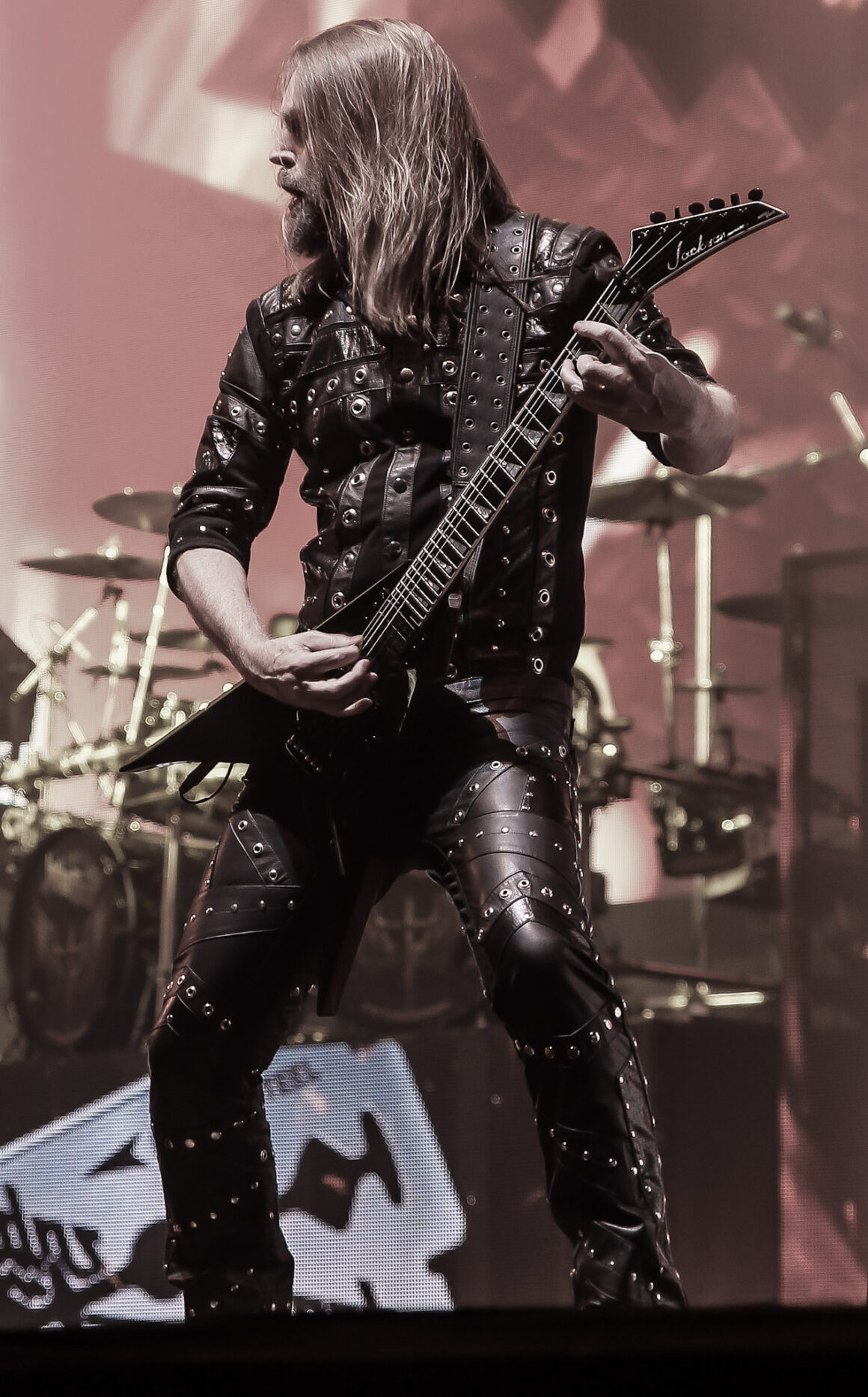
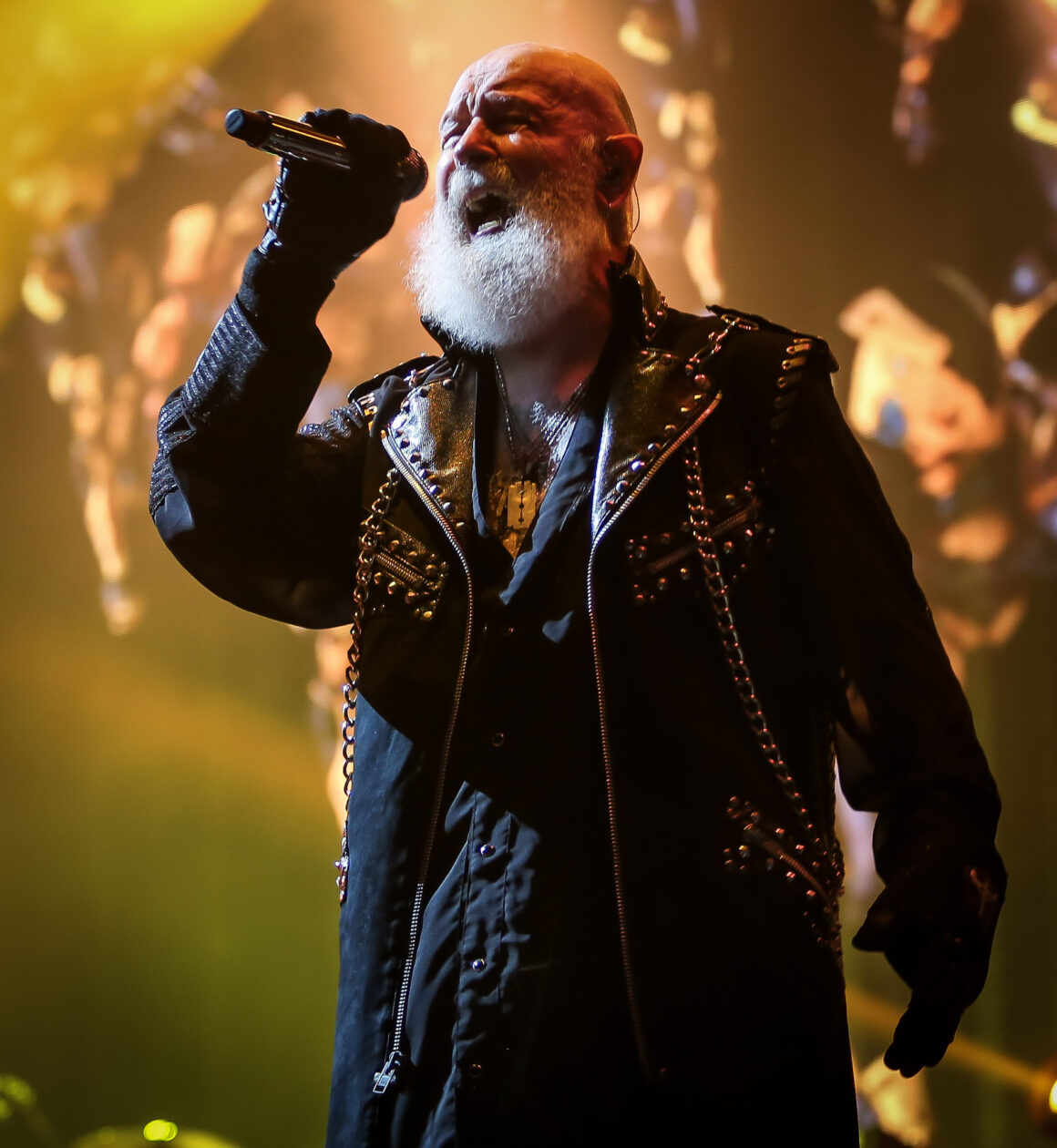
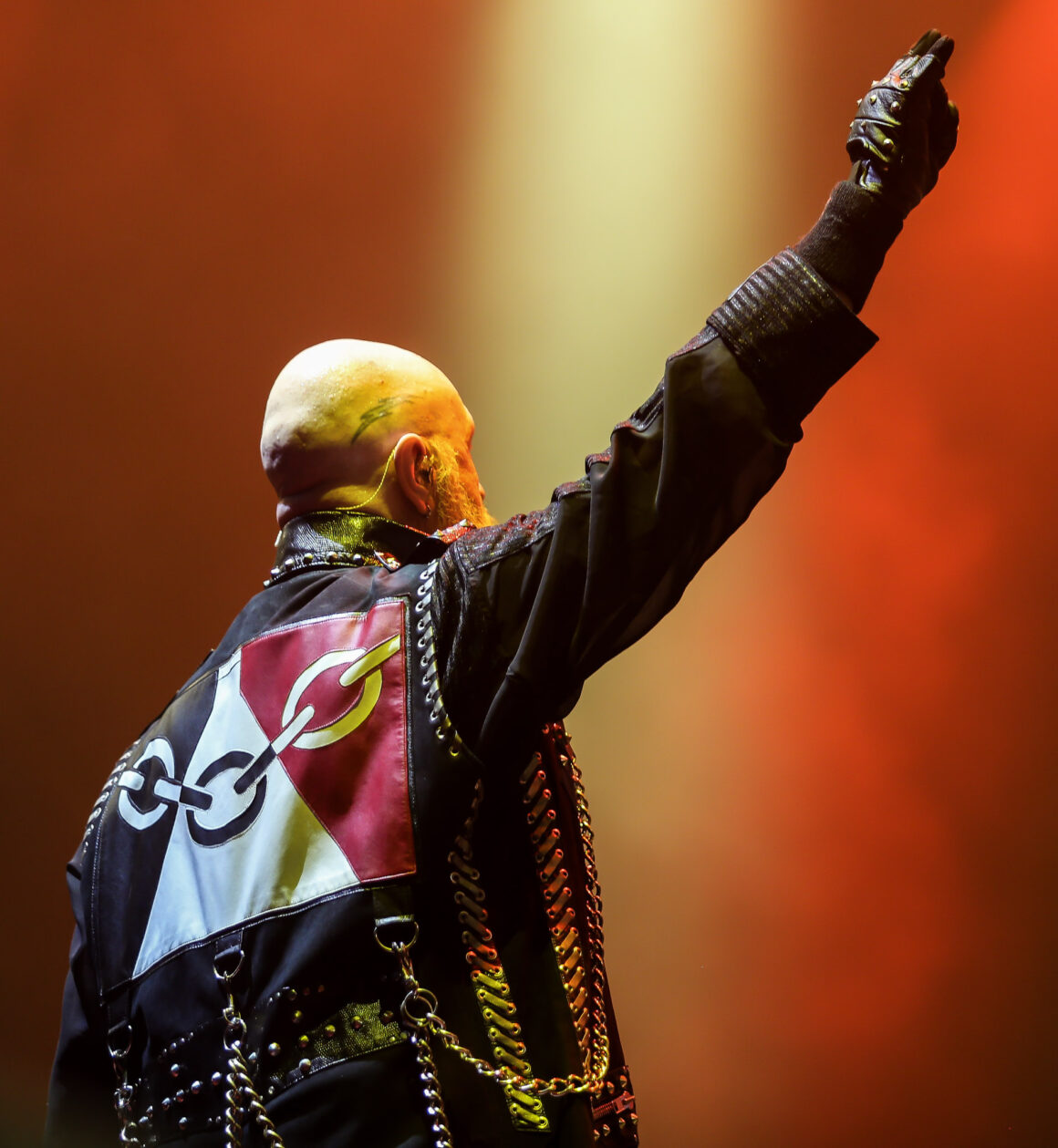
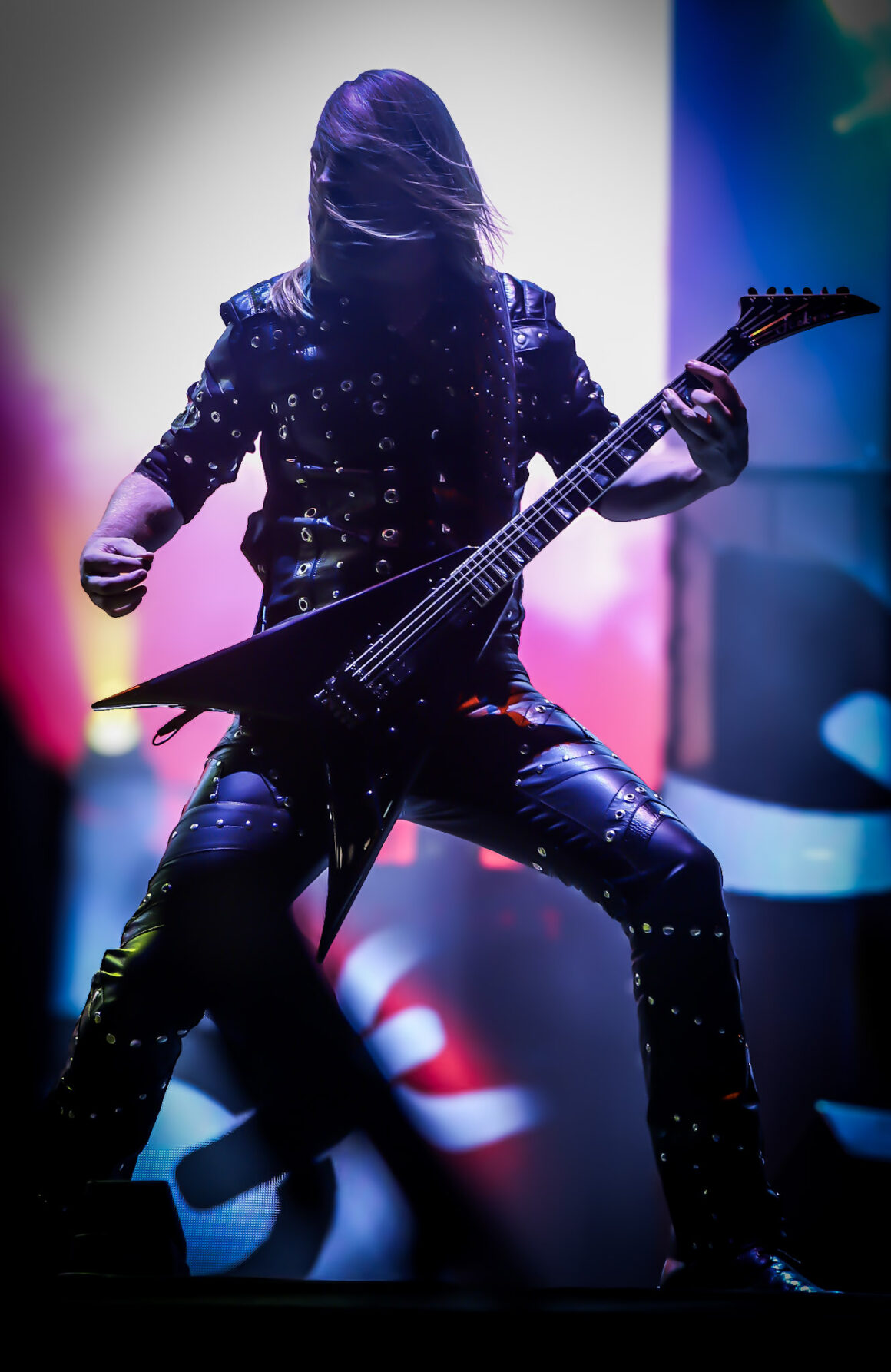
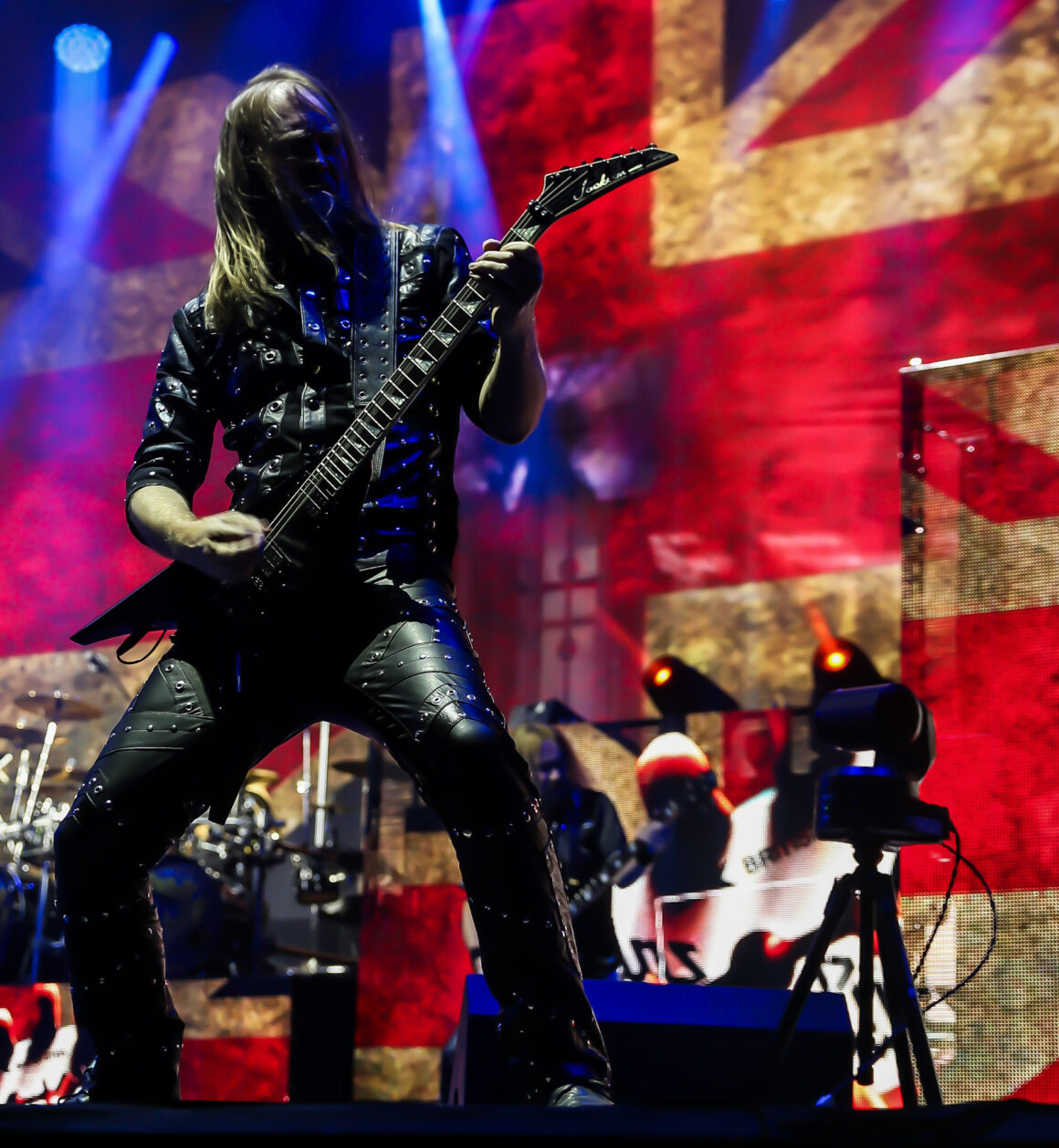
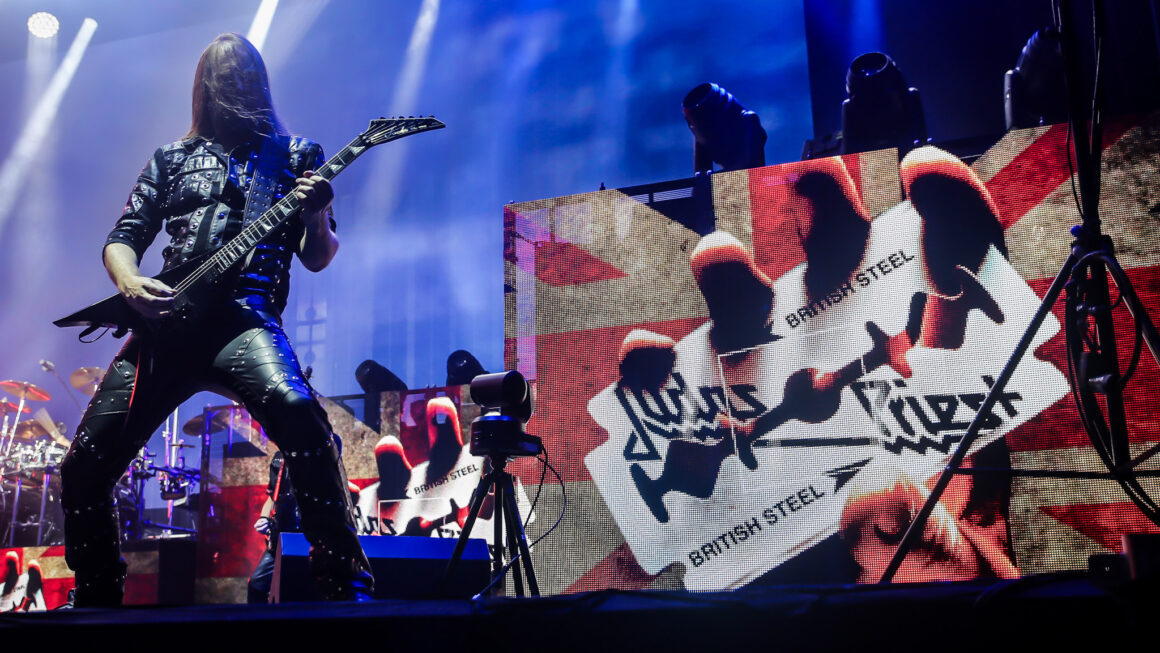
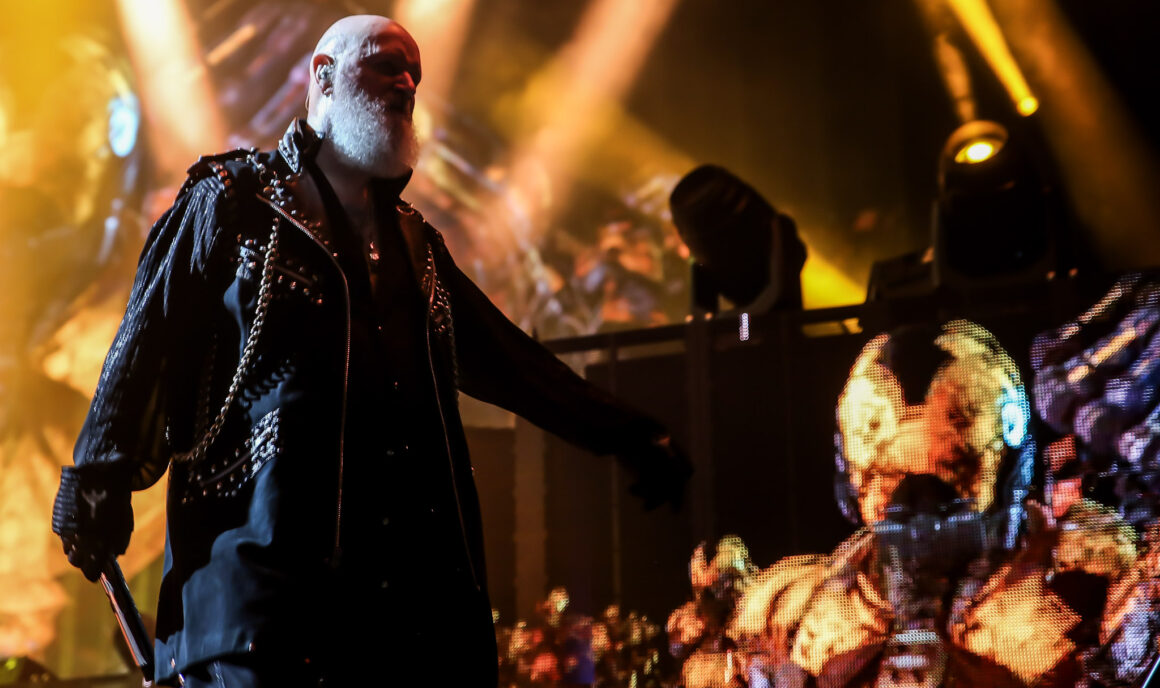
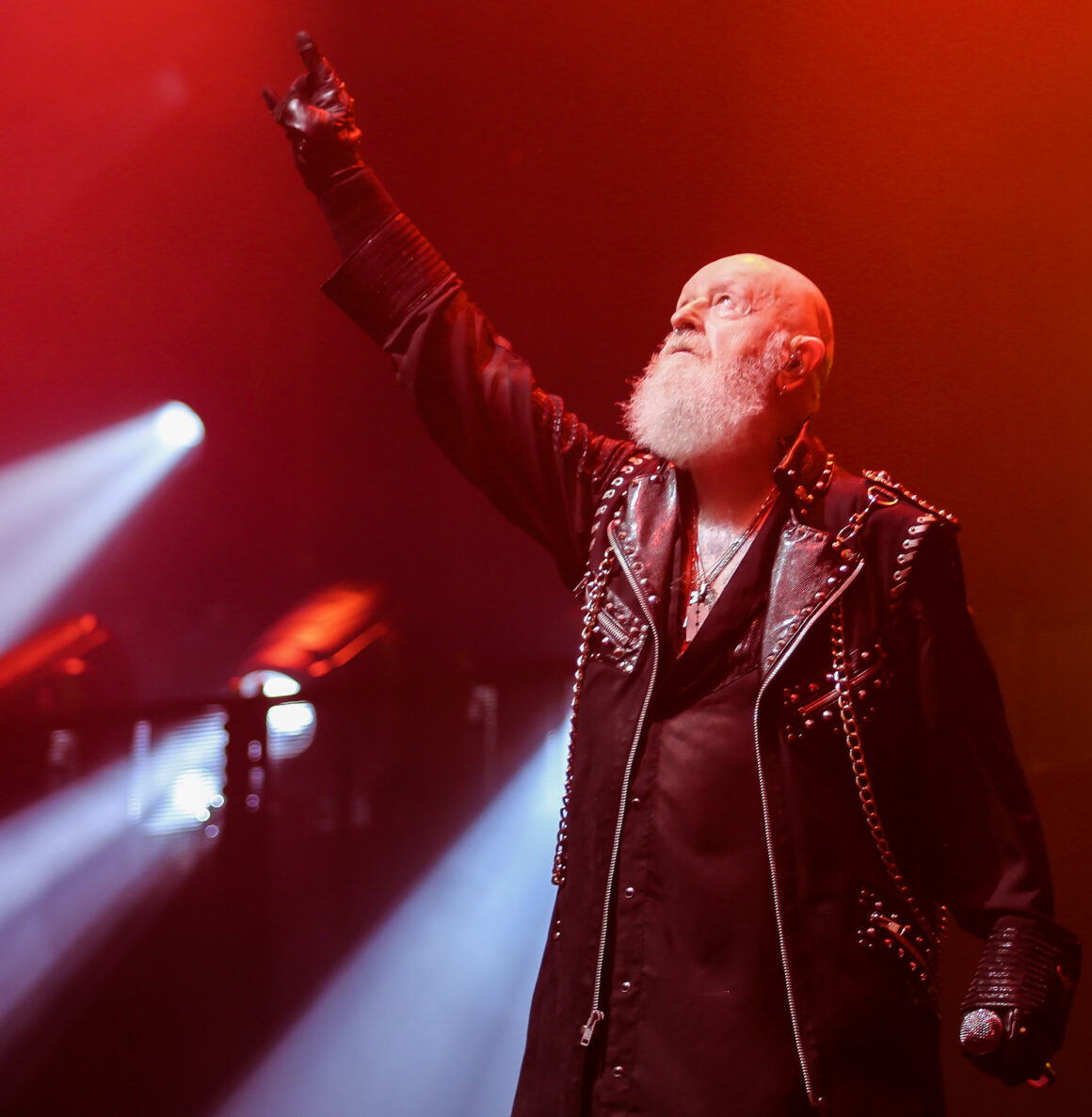
Then came the moment many people had been waiting for. Judas Priest took to the Main Stage as the festival’s headline act, and there could hardly have been a more fitting choice for the final night.
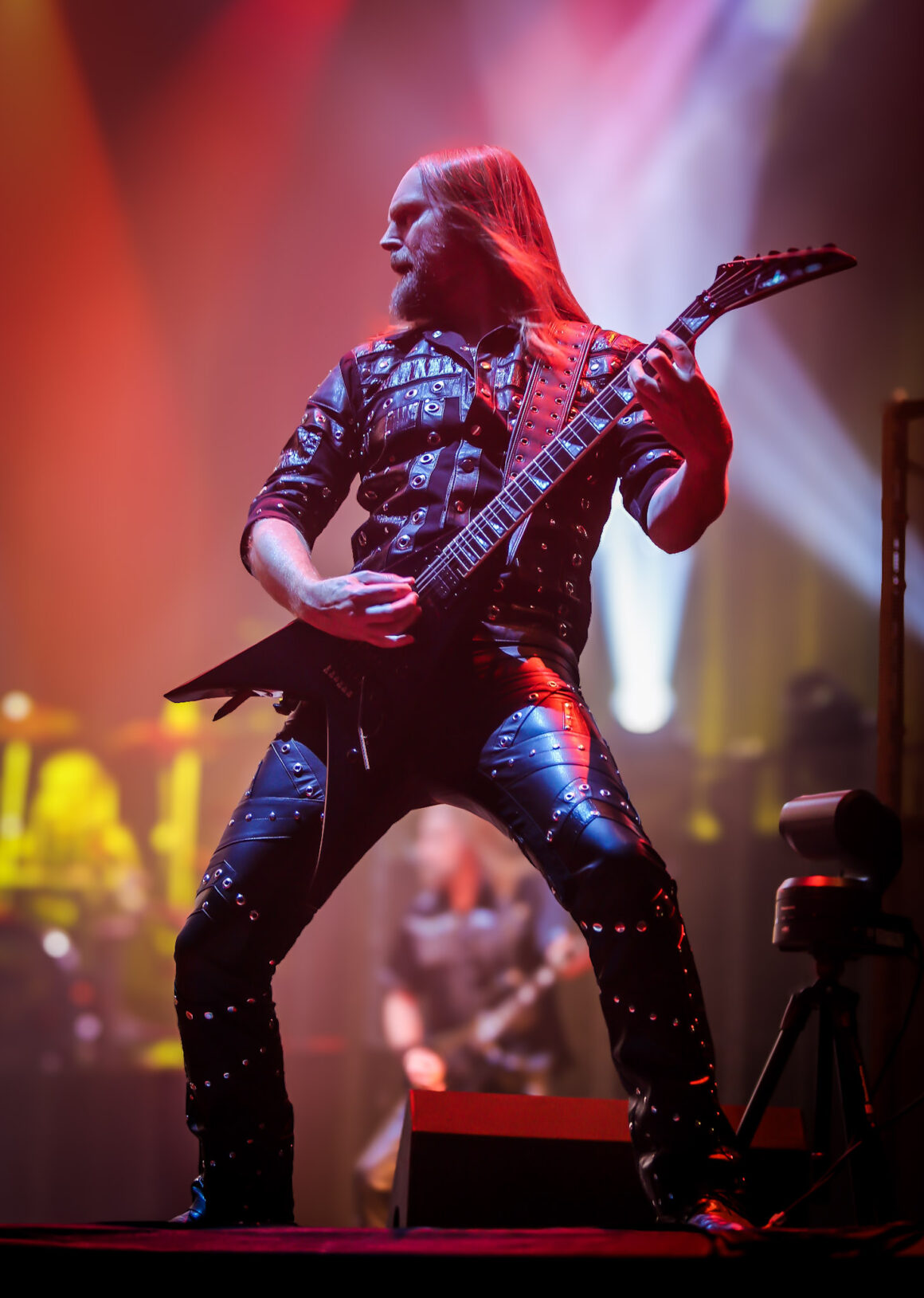
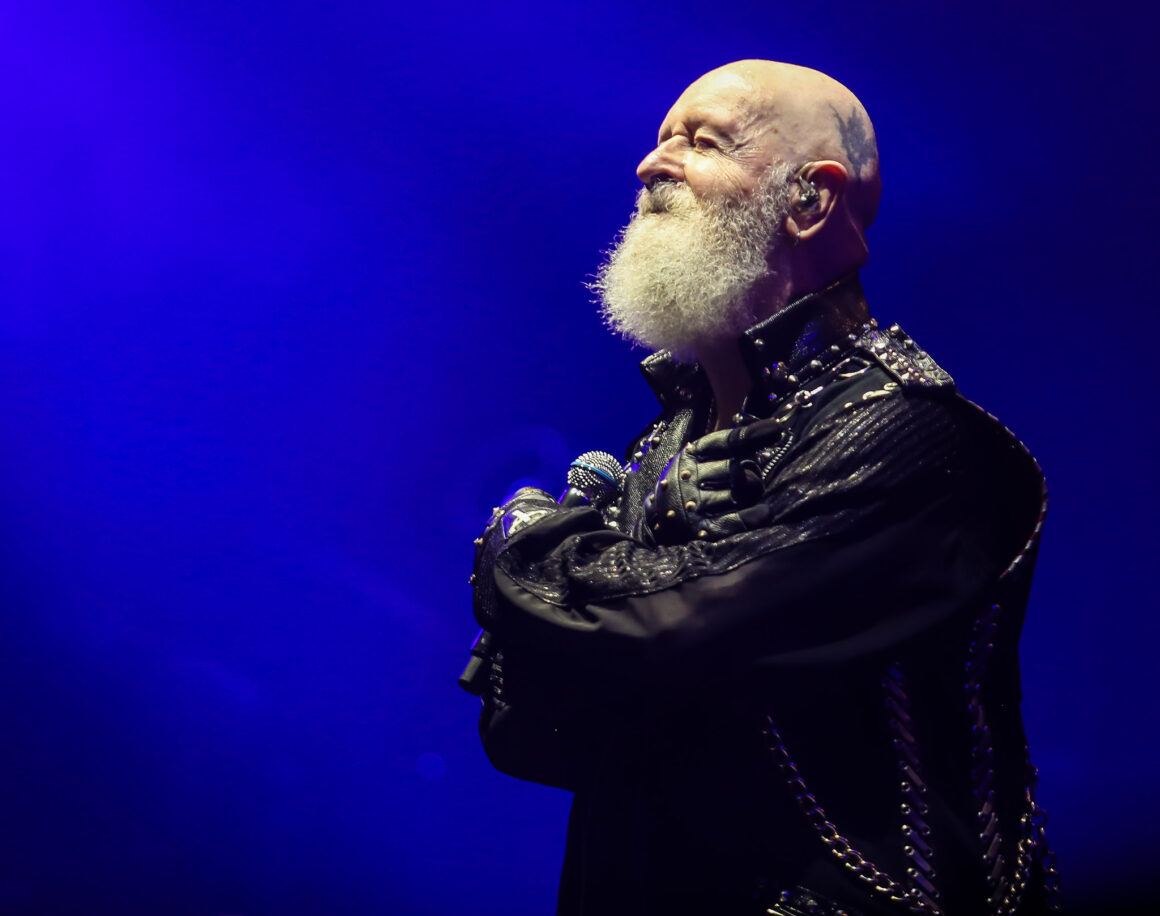
From the opening moments, the scale of the performance was obvious. The guitars sounded huge, with the twin-guitar attack providing everything from classic Heavy Metal riffs to intricate lead work and soaring solos. The guitarists demonstrated both technical precision and the kind of instinctive chemistry that comes from playing this music for decades. The guitar tone was particularly impressive. Heavy without becoming muddy, it allowed the individual notes to remain clear even when the band was operating at full volume. The solos provided some of the night’s biggest musical moments, with fast runs, expressive bends and sustained notes cutting through the mix. And then there were the vocals. Rob Halford remains one of Metal’s most recognisable voices, and the performance demonstrated exactly why. His voice carried the songs with power and authority, moving between commanding lower passages and the soaring high notes that have become synonymous with Judas Priest. The ability to deliver those vocals on a huge festival stage was impressive, particularly given the band’s extraordinary history.
The drums were equally important. The playing was powerful and disciplined, locking tightly with the bass and guitars and providing the foundation for the band’s enormous sound. The drummer’s ability to switch between driving mid-tempo rhythms and faster, more aggressive passages helped keep the set dynamic. But Judas Priest were not simply impressive because of the musicianship. They understood the importance of putting on a headline show. The stage presence, the atmosphere, the interaction with the crowd and the sheer weight of their history all combined to make the performance feel like an event. As the final Main Stage performance of Bloodstock, it was difficult to imagine a more appropriate finale. When Judas Priest finished their headline set, the Main Stage had reached its conclusion, but the festival itself still had one final performance to offer.
Only after Judas Priest had finished did Carpenter Brut take to the Sophie Lancaster Stage. The timing made the performance feel like a genuine after-hours finale. With the Priest set complete, attention could turn fully towards the Sophie Stage, where Carpenter Brut provided a completely different way to bring the festival to its final moments.
The dark electronic sound created an entirely different atmosphere from the traditional Metal assault that had dominated much of the day. Synths, programmed rhythms and cinematic textures filled the tent, producing a performance that felt almost like the soundtrack to a neon-soaked horror film. Although Carpenter Brut doesn’t rely on conventional Metal instrumentation in the same way as many of the other bands on Sunday’s bill, the performance still carried plenty of heaviness. The electronic production was enormous, while the drums and programmed percussion provided a relentless pulse.
The timing of Carpenter Brut’s set worked particularly well because there was no longer any clash with Judas Priest. Once the legendary heavy-metal headliners had finished, the Sophie Stage became the final destination for those who wanted to keep the night going. It gave the festival a final burst of energy while offering something completely different from what had come before. With the final notes of Carpenter Brut ringing out and the last of the crowds beginning to make their way home, Bloodstock had officially reached its conclusion.
And what a way to finish.
Sunday alone demonstrated the enormous variety that makes Bloodstock such an important festival. The day moved from the humour and energy of Bootyard Bandits to the darkness of Trivax, the modern aggression of Graphic Nature and Orbit Culture, the theatricality of Castle Rat and Mushroomhead, the technical precision of Testament, the huge riffs of Black Label Society, the crossover power of Body Count, the brutality of 200 Stab Wounds and, ultimately, the legendary heavy metal spectacle of Judas Priest, followed by the completely different sonic world of Carpenter Brut.
Across the entire festival, that variety was arguably the biggest strength. Bloodstock isn’t restricted to one narrow interpretation of what Metal should sound like. It can accommodate classic Heavy Metal, Thrash, Death Metal, Black Metal, Hardcore, Industrial, Alternative Metal, electronic music and plenty of styles that sit somewhere between those categories.
Just as importantly, the festival continues to provide opportunities for newer bands to share stages with established legends. Watching emerging artists give everything they’ve got before seeing bands with decades of history headline the same festival creates a genuine sense of continuity. It’s a reminder that metal isn’t a genre that stands still. The musicianship across the weekend was another major highlight. Powerful vocals, huge guitar tones and impressive drum performances were everywhere, whether from established names or younger bands making their mark. The sheer physicality of live metal was impossible to escape: the kick drums hitting through your chest, guitars shaking the ground and vocalists pushing themselves to their limits.
But Bloodstock is about more than just the music.
It’s the atmosphere around the stages, the people in the crowd, the friendships made over the weekend, the ridiculous costumes, the late nights, the camping, the weather and the shared experience of thousands of people gathering in the same place for one reason: a love of heavy music. That’s what makes the final day so difficult. By Sunday, everyone knows that the end is coming. The excitement of the weekend is mixed with the realisation that there are only a few performances left before the stages go quiet. Yet Bloodstock’s Sunday lineup made sure there was no shortage of reasons to stay until the very end.
With Judas Priest bringing the Main Stage to a thunderous conclusion, followed afterwards by Carpenter Brut giving the Sophie Lancaster Stage — and the festival as a whole — its final burst of energy, Bloodstock finished exactly as it should: loudly, dramatically and unapologetically. The tents will empty, the stages will come down and the fields will eventually return to normal. But for everyone who was there, the memories of another weekend of heavy music will last considerably longer.
Bloodstock’s final day wasn’t simply the end of the festival. It was a celebration of everything that makes Bloodstock special — and a fitting reminder of why metal fans keep coming back year after year.