
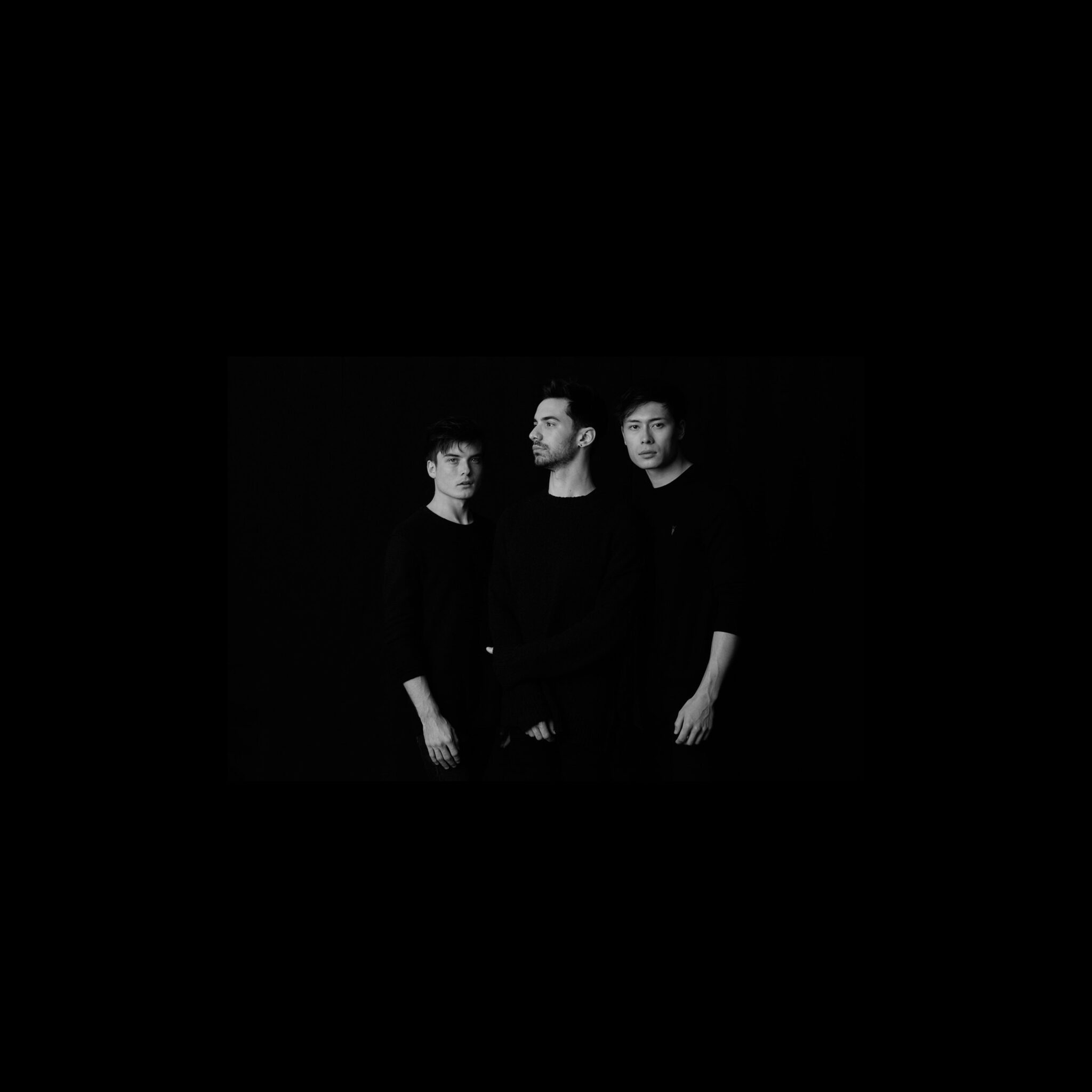
There was no farewell post, no final show and no grand announcement that Vespera were calling it quits. The American alternative heavy trio simply disappeared.
Five years later, they’re back, although even that makes the story sound considerably more straightforward than it actually is.
Vespera, vocalist Casval Wolfe, drummer Jonathan Schwartz and guitarist Cairn Tse-Lalonde, had built an impressive amount of momentum entirely independently. There was coverage from Billboard, Revolver, Rock Sound and Alternative Press, support from Spotify and touring opportunities with Skyharbor, Monuments and NateWantsToBattle. Things appeared to be heading in the right direction.
Then just about everything that could make life difficult for an independent touring band happened in quick succession.
The NateWantsToBattle tour was rebooked for 2021 following the pandemic, only for COVID to tear through a large part of the touring crew and bring the run to an early finish. Touring costs were climbing, Vespera’s vehicle was involved in a hit-and-run and, because apparently the universe hadn’t made its point forcefully enough, their trailer was stolen.
For a completely independent band paying its own way, the maths eventually stopped working. So Vespera went quiet. Crucially, though, the three people behind it didn’t.
Over the following five years, members of the band found themselves touring and working with an extraordinarily varied collection of artists including Demi Lovato, KT Tunstall, Matt Corby, Phem, Scene Queen, Carlie Hanson, Jutes and others. Schwartz and Tse-Lalonde are currently out playing with Jutes. Vespera may have been dormant, but its members were spending those years absorbing what happens inside other artists’ musical worlds.
Even then, there was no master plan to resurrect Vespera.
It began when Wolfe opened some old sessions and found himself returning to a song that still mattered to him. He started working on it again, determined to finish something intensely personal that had been left hanging when Vespera stopped.
One old session led to another, and that excavation exposed another curious part of the band’s history. What appears in Vespera’s catalogue as three EPs wasn’t originally written that way at all.
“I wrote one 14 song album and had to break it apart when we released it,” Wolfe explains. “The songs came out, but almost nobody heard the album as the complete journey I intended.”
So he reconstructed it. There’s something appealing about Vespera returning by first going backwards. Before rushing to present a shiny new version of themselves, they are putting the abandoned pieces back where they were originally supposed to sit, effectively restoring the ending of the band’s first chapter before beginning another.
And somewhere during that process, what started as archival curiosity became a functioning band again. Friends began asking why Vespera wasn’t active. Conversations followed, then possibilities. Eventually the question changed from whether Vespera should return to why they weren’t already doing it.
The story also explains why Vespera’s refusal to hand listeners a neat genre description feels appropriate. There are no talking points dictating what the reconstructed record is supposed to sound like and no designated song listeners are being told is the correct doorway into it. After five years spent working alongside artists occupying very different corners of music, perhaps putting Vespera neatly into a box would rather miss the point.
More interesting is the idea of what those five missing years might have done to the band itself. Vespera didn’t spend its hiatus waiting for somebody to press restart. Its members kept touring, playing and learning, then stumbled back into their own music almost by accident.
Plenty of bands disappear and eventually announce a reunion. Vespera’s story is stranger and, frankly, more interesting: they went looking through the remains of the band they used to be and somewhere along the way discovered that it wasn’t dead after all.


