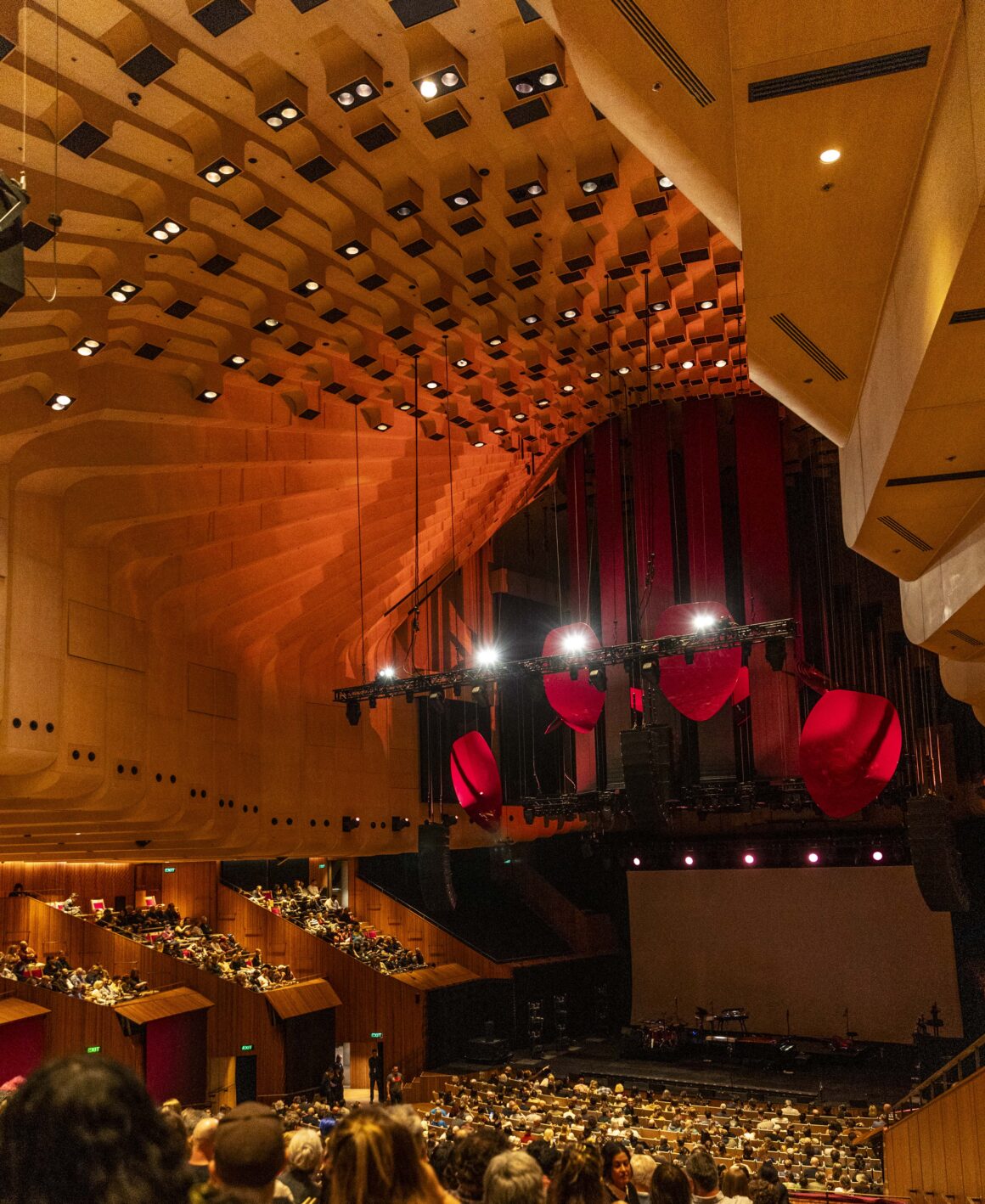
It is a cold, rainy Sunday night in Sydney, but inside the Sydney Opera House Concert Hall there is barely a spare seat to be found. Agnes Obel is back in Australia for the first time since her sold-out 2022 tour, and tonight’s packed room suggests the intervening years have done little to diminish the pull of her quietly singular music.
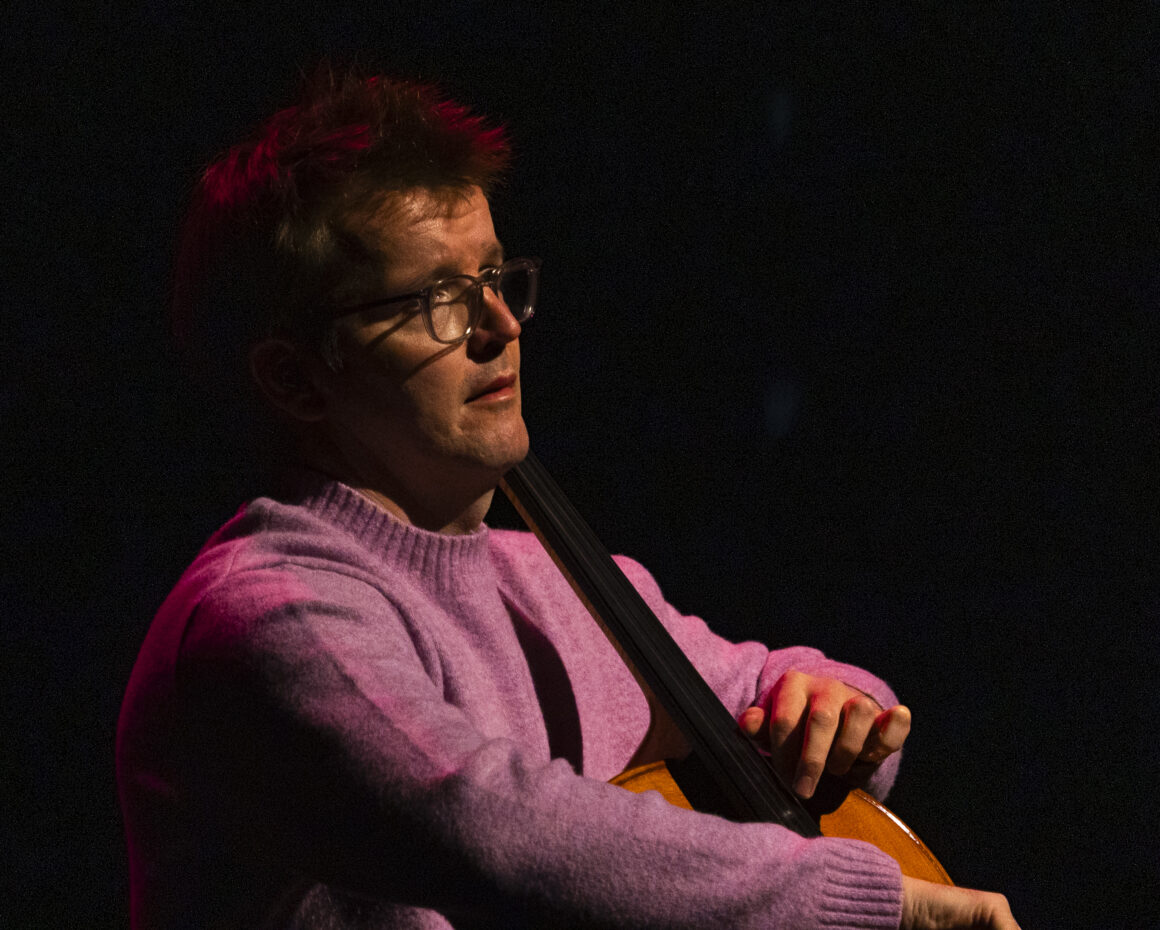
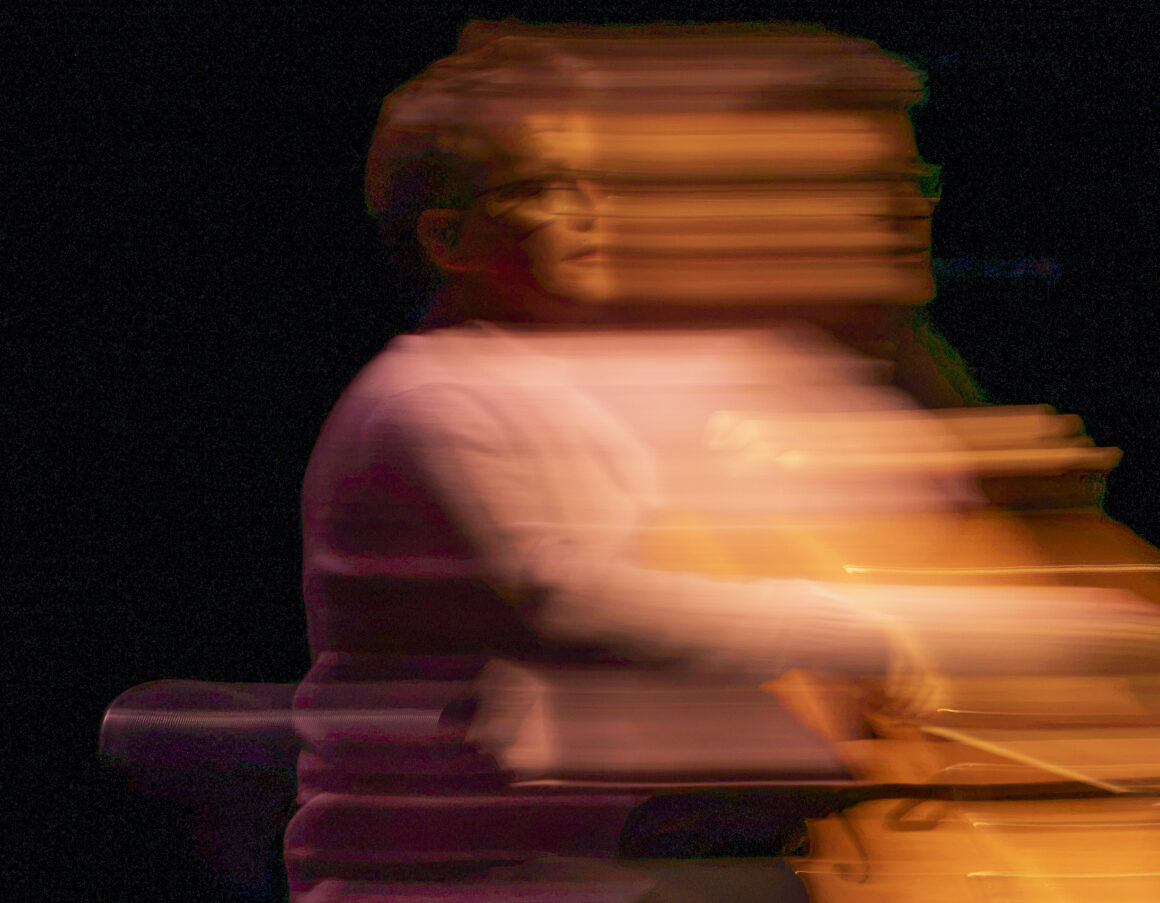
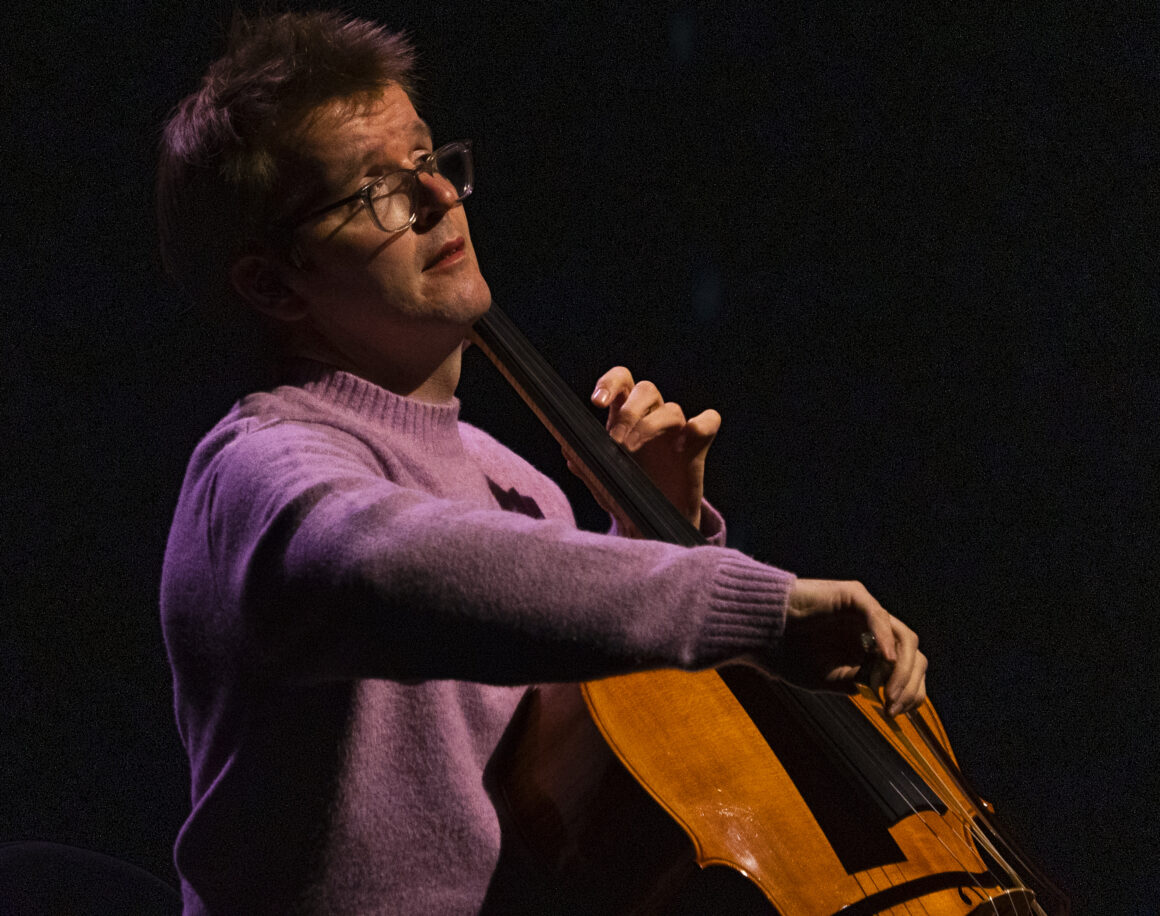
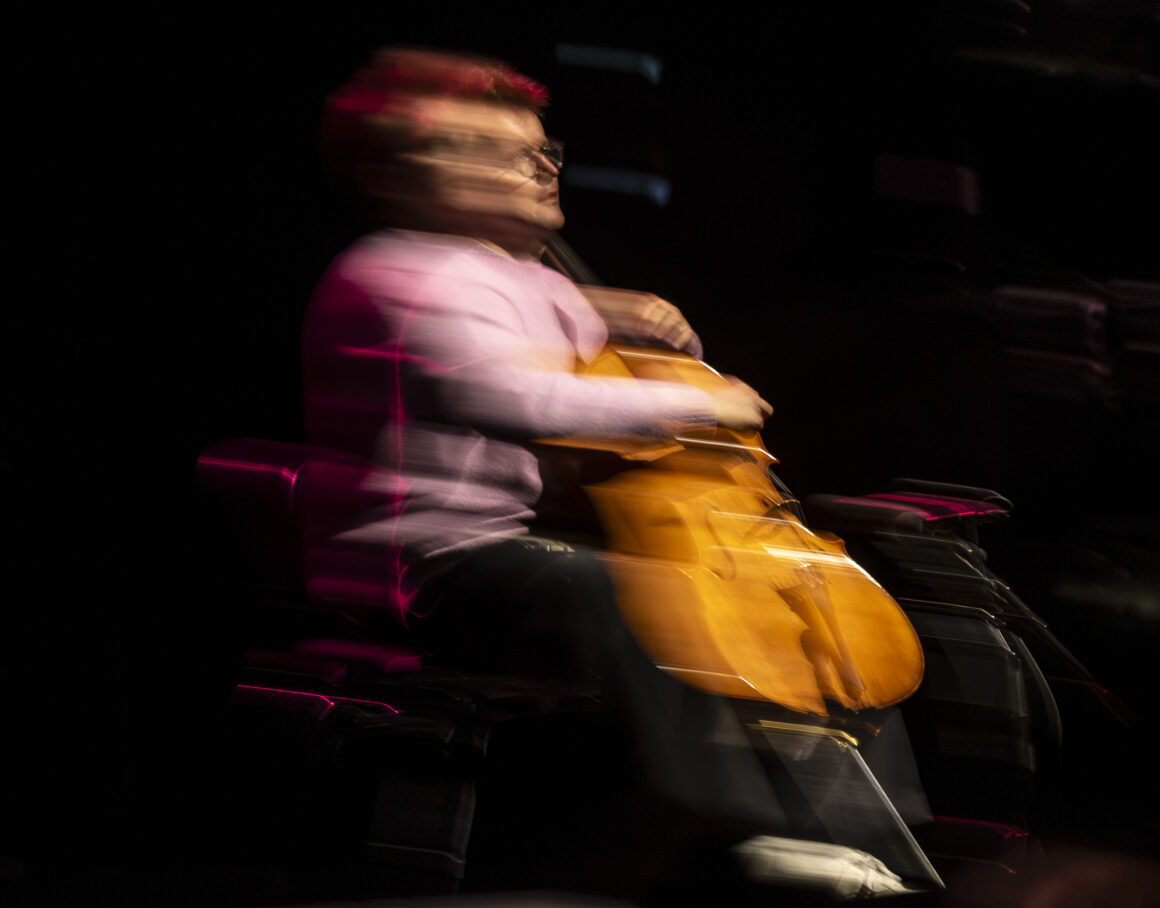
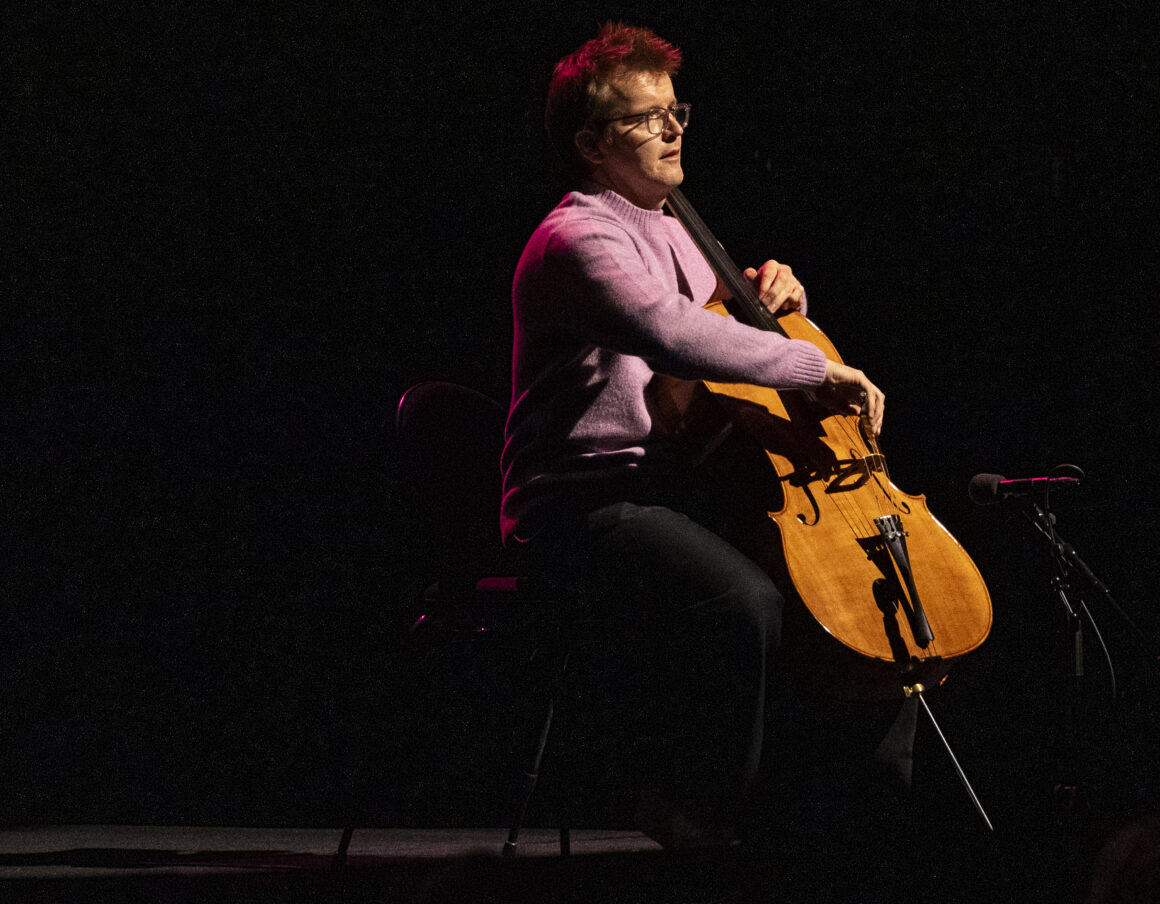
First, though, comes Peter Gregson. Appearing alone with his cello, the British composer delivers a beautiful opening set that moves between his own compositions and reinterpretations of other artists. The surprise comes at the end when Gregson takes on Charli XCX’s 360, reinterpreting one of contemporary pop’s most recognisable tracks and finding something entirely different inside it.
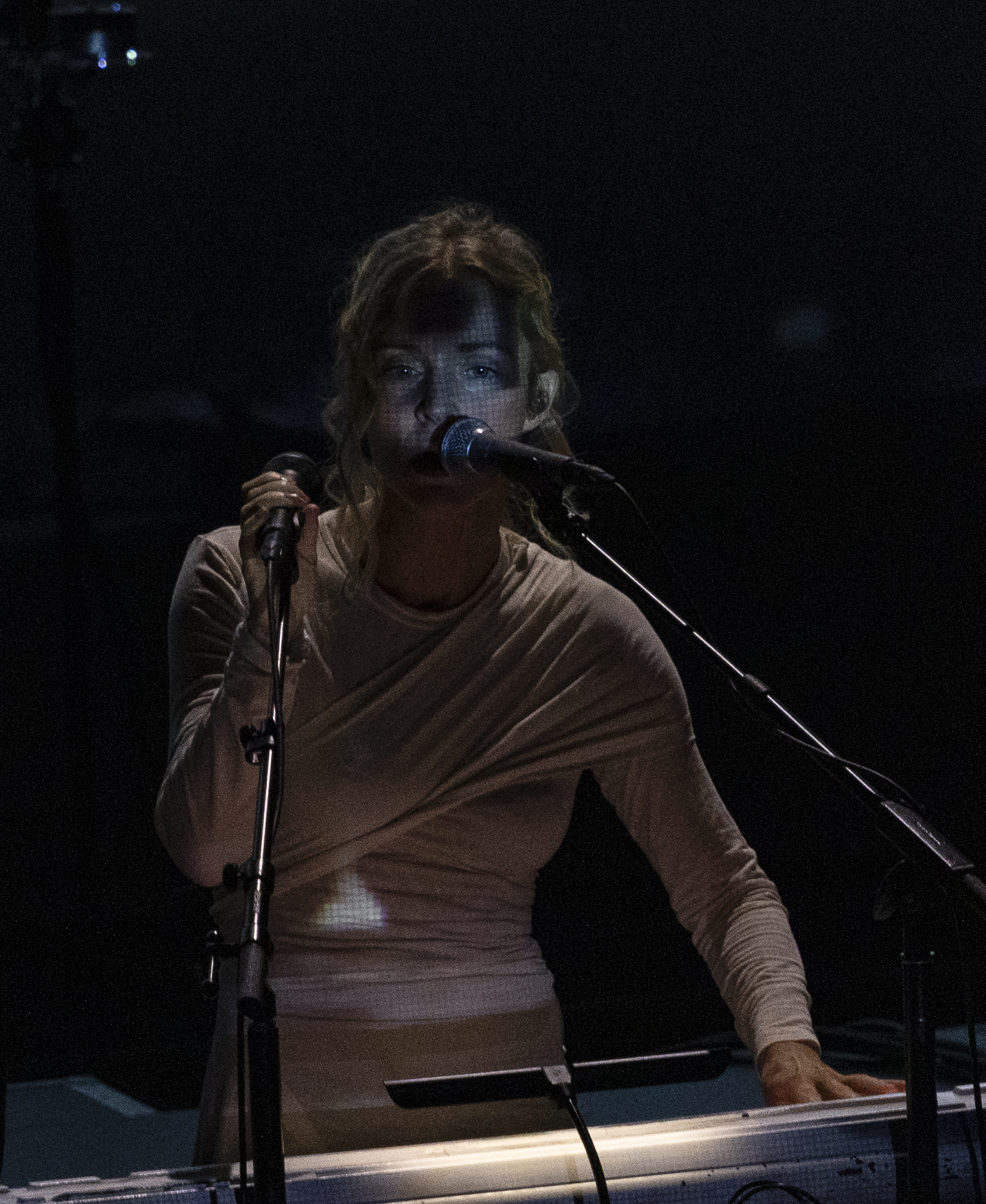
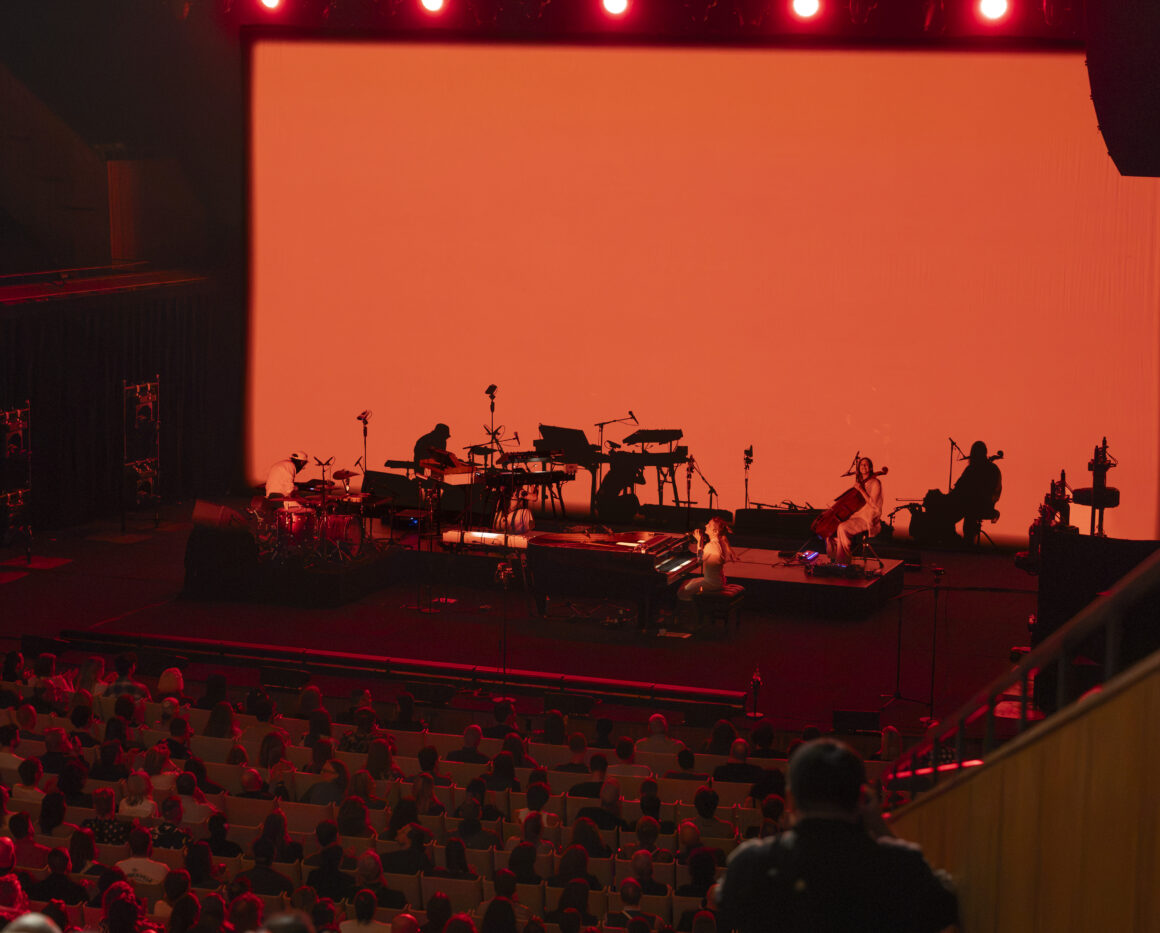
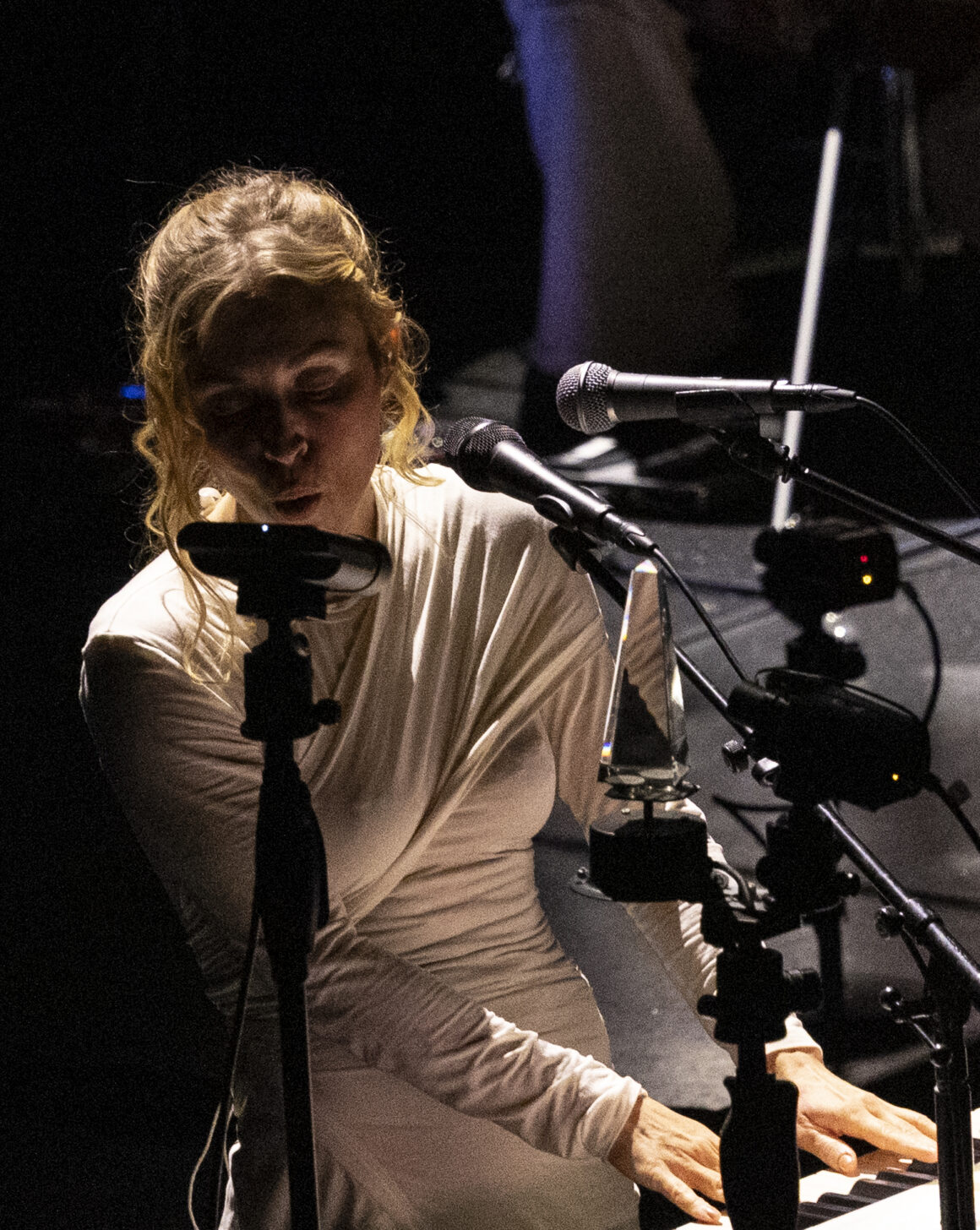
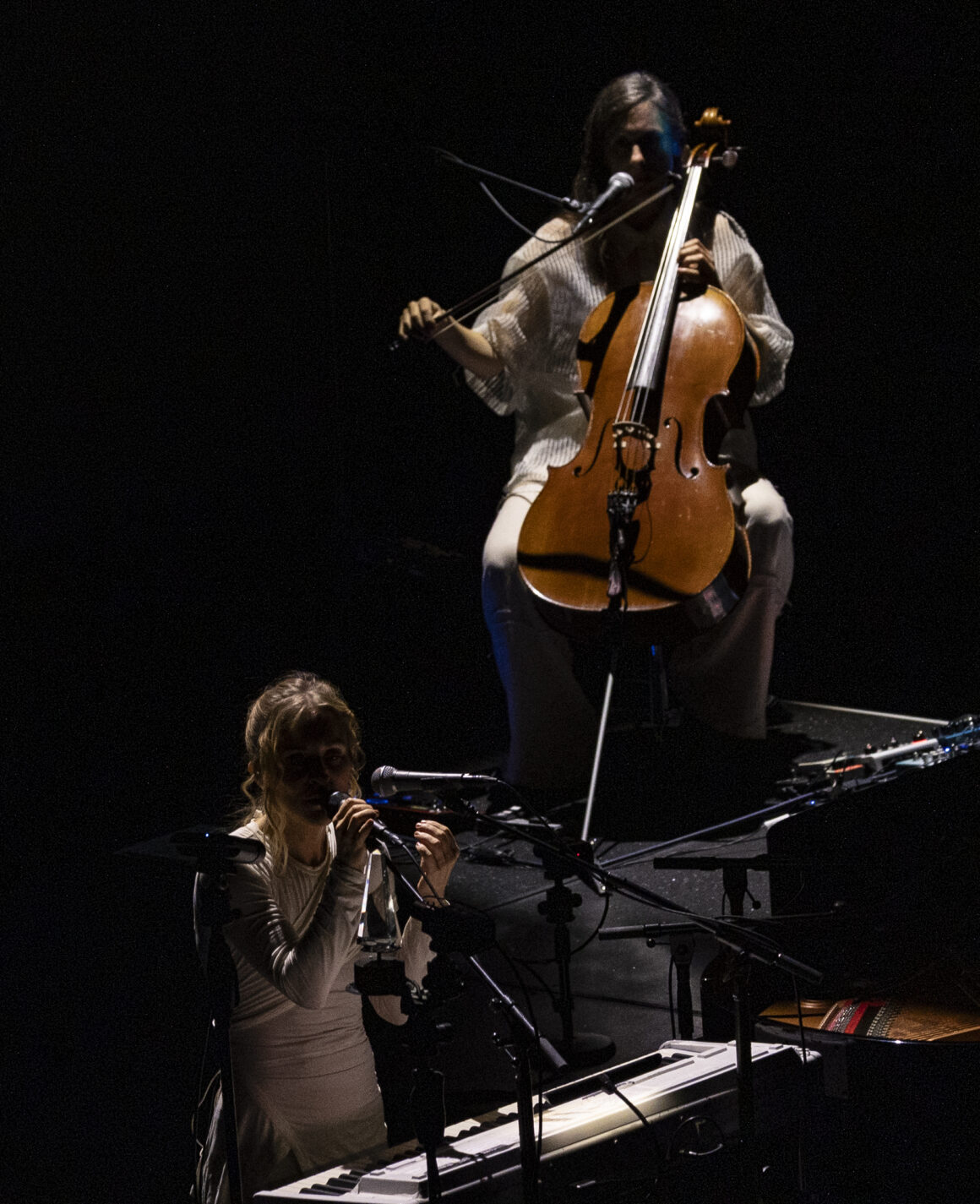
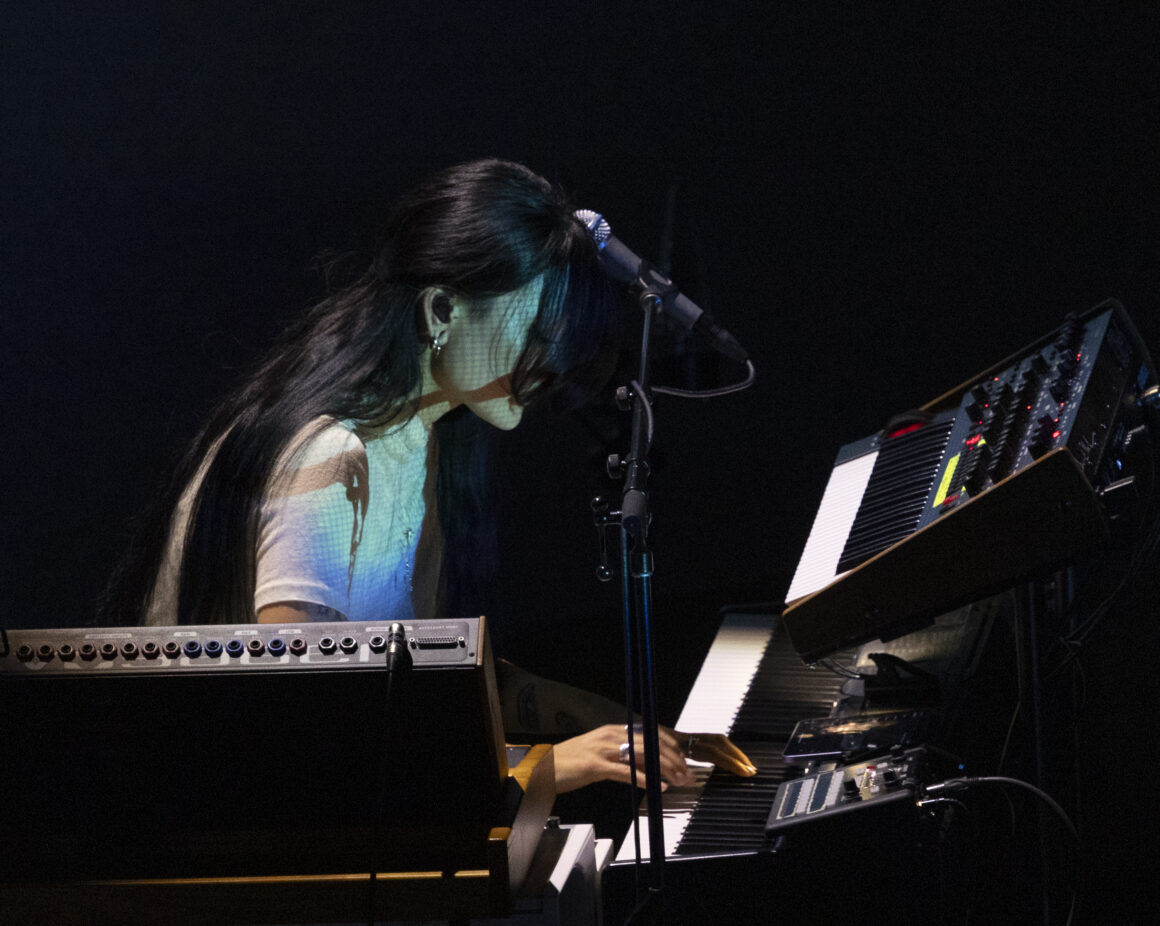
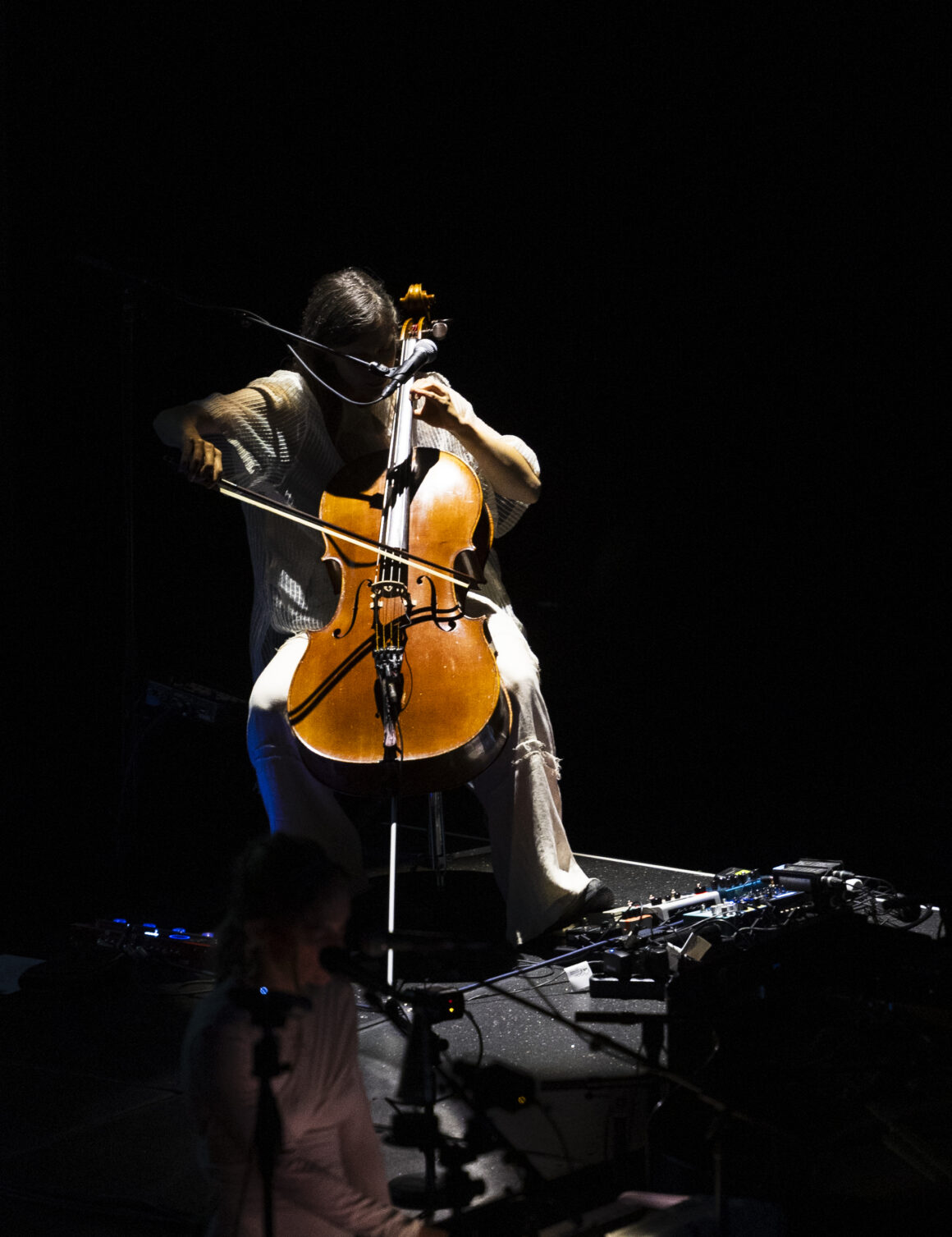
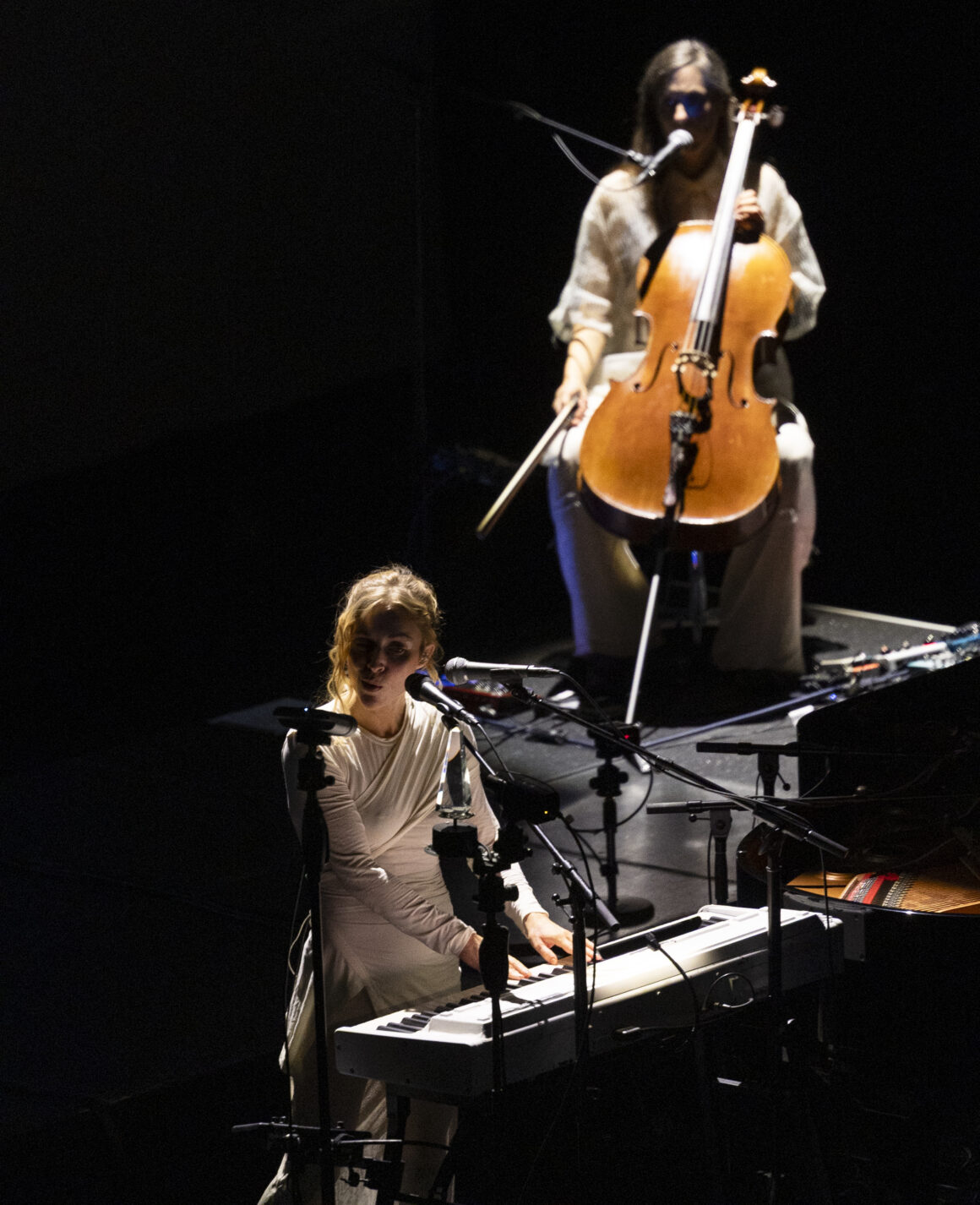
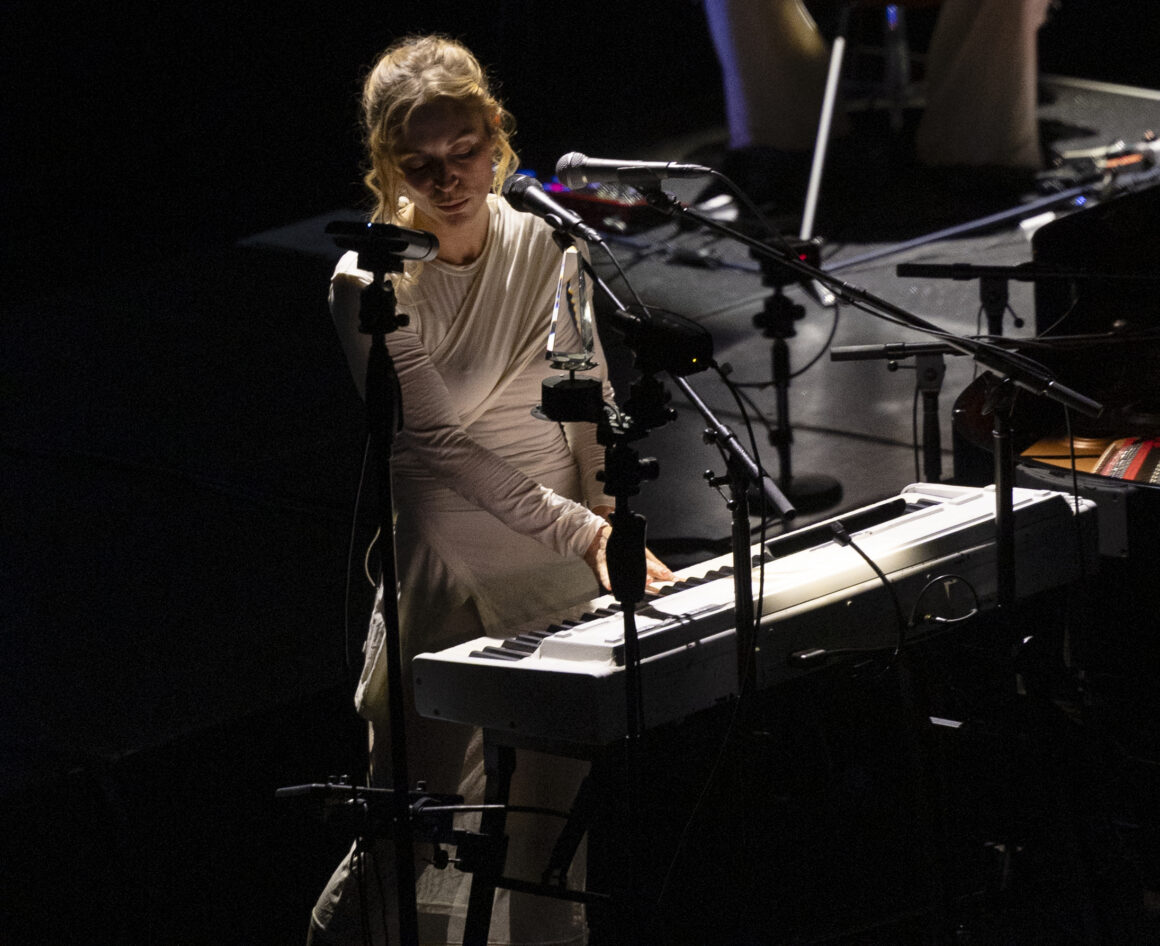
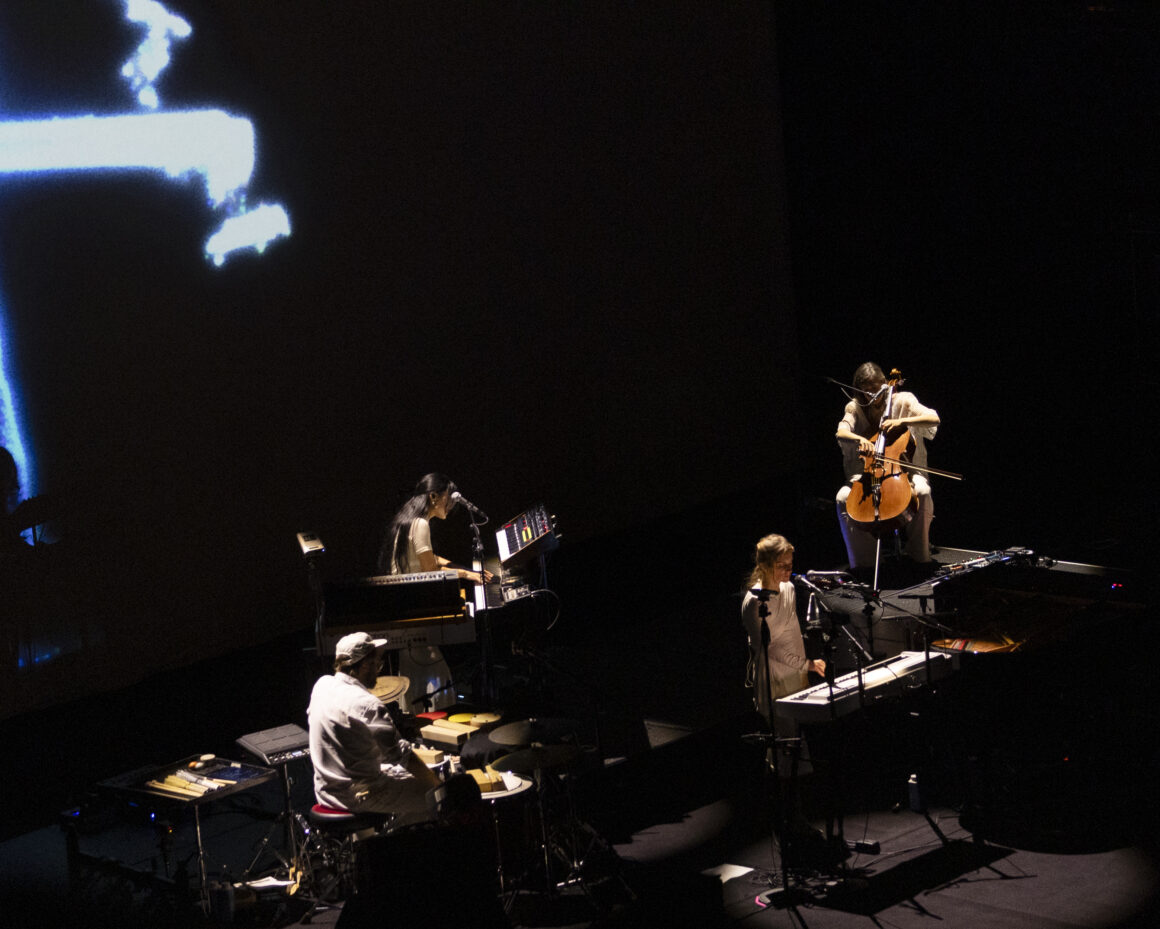
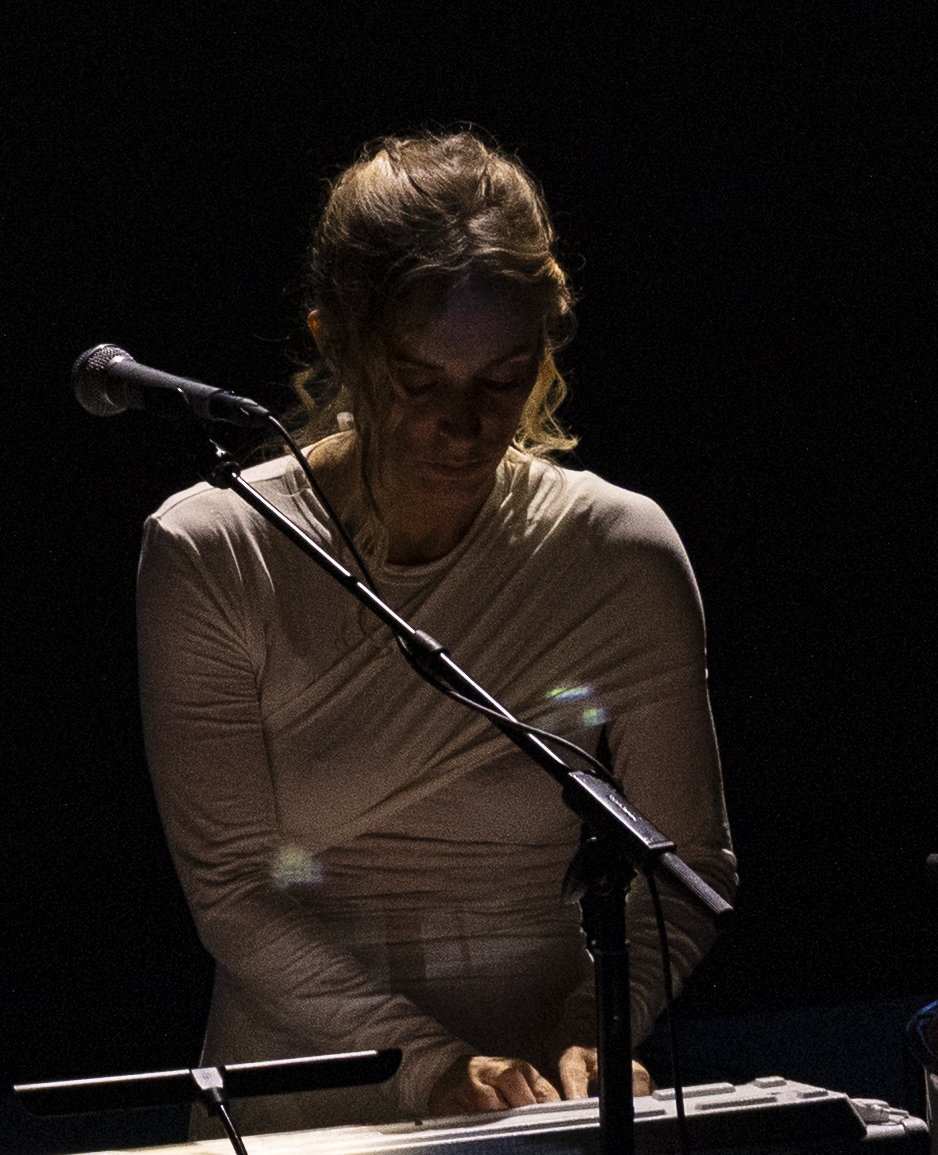
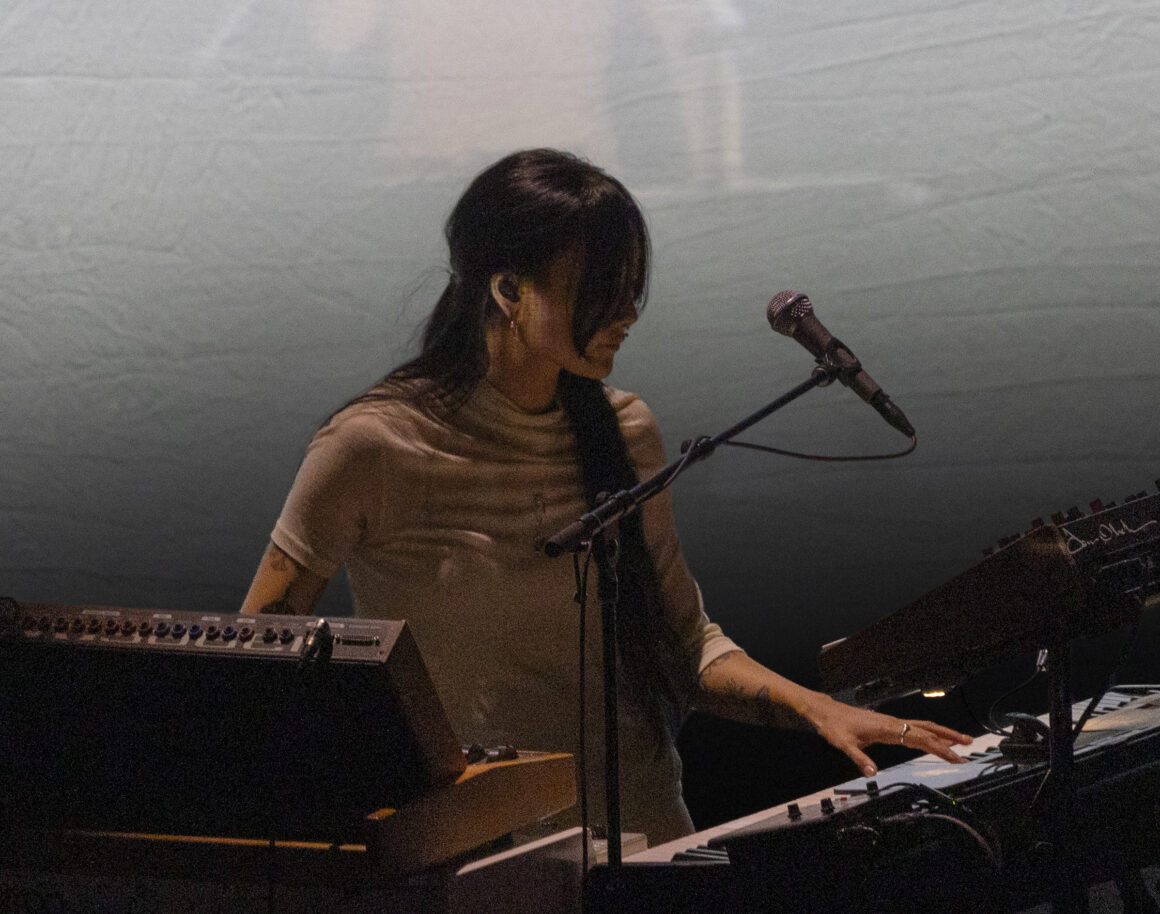
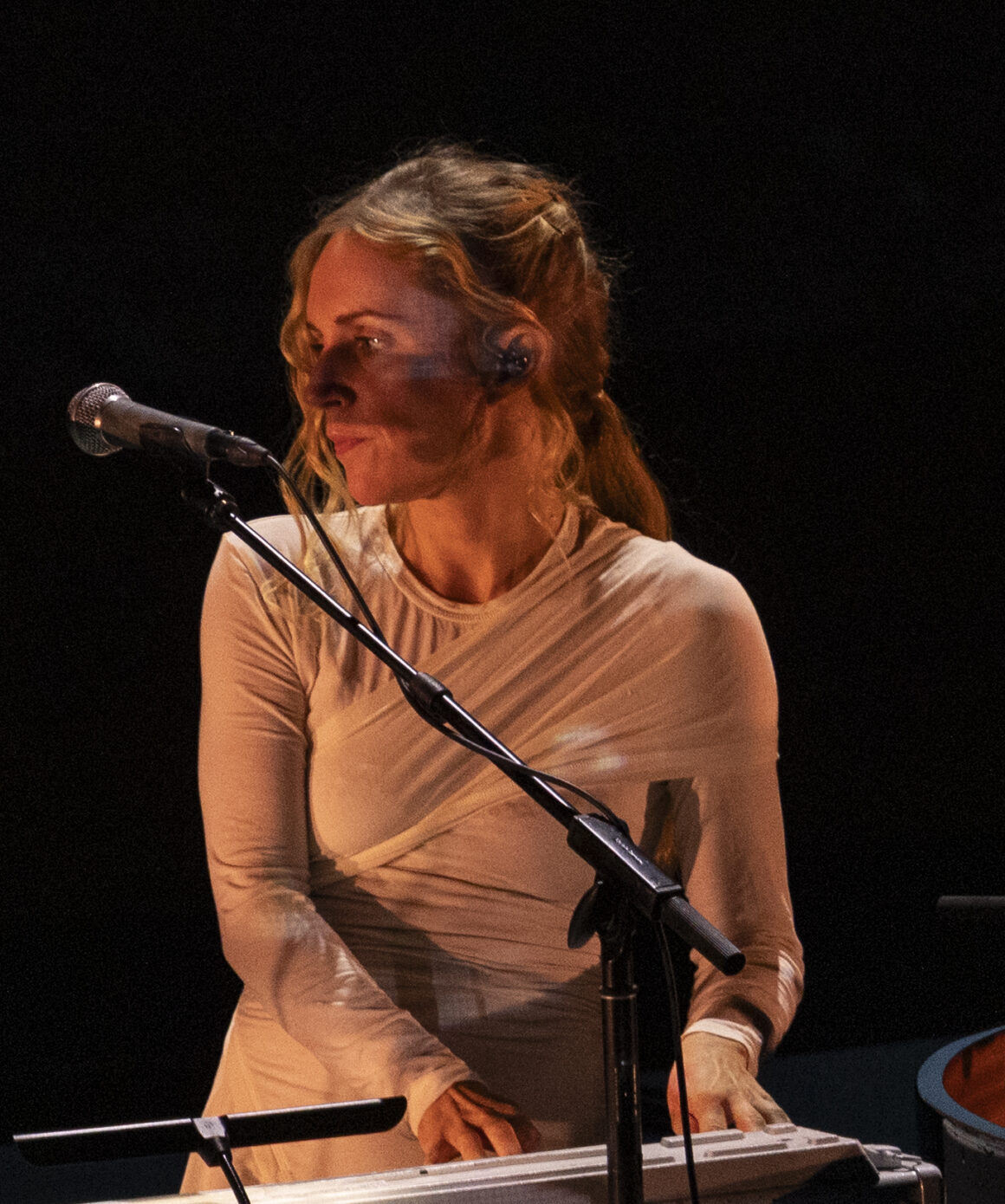
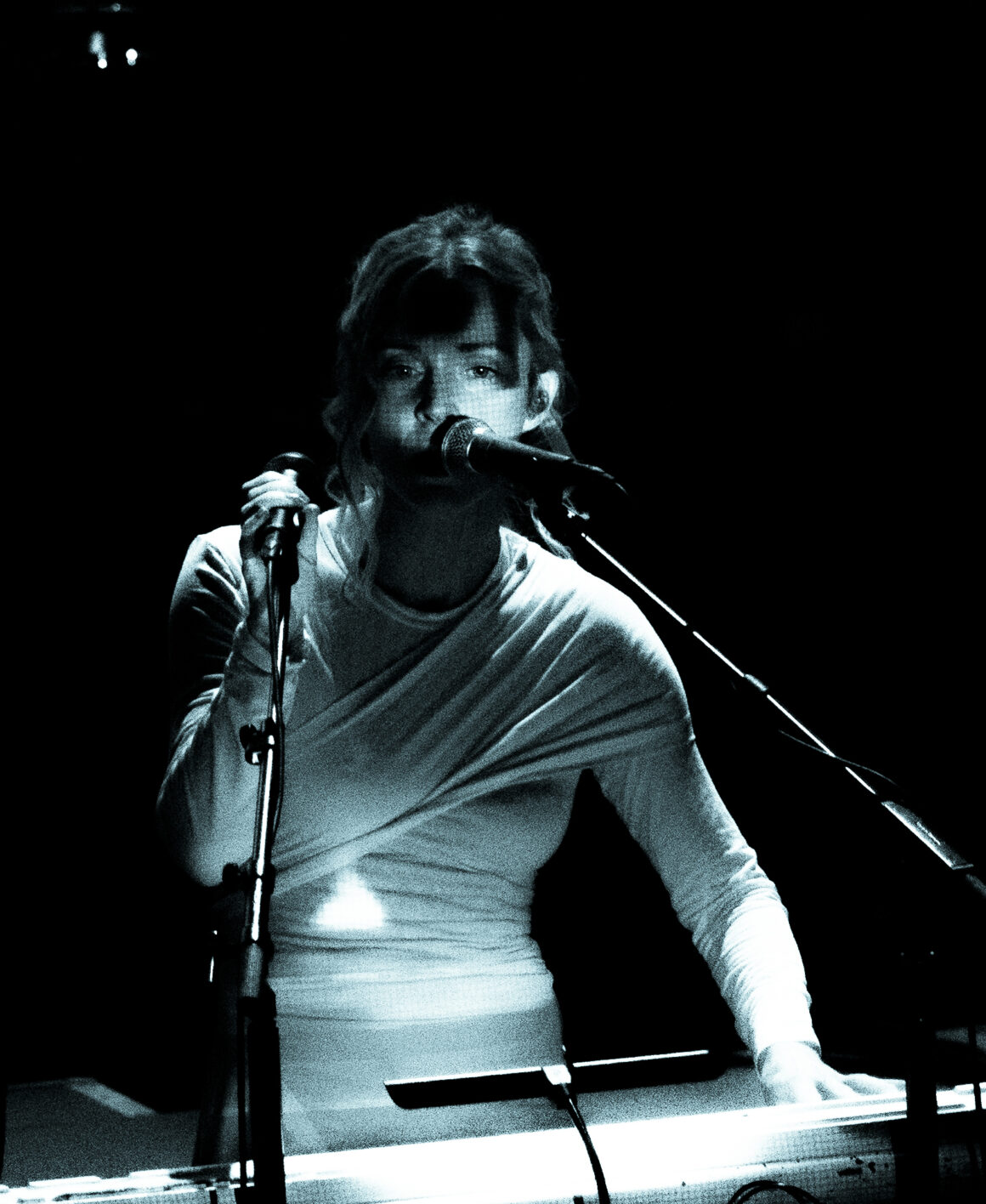
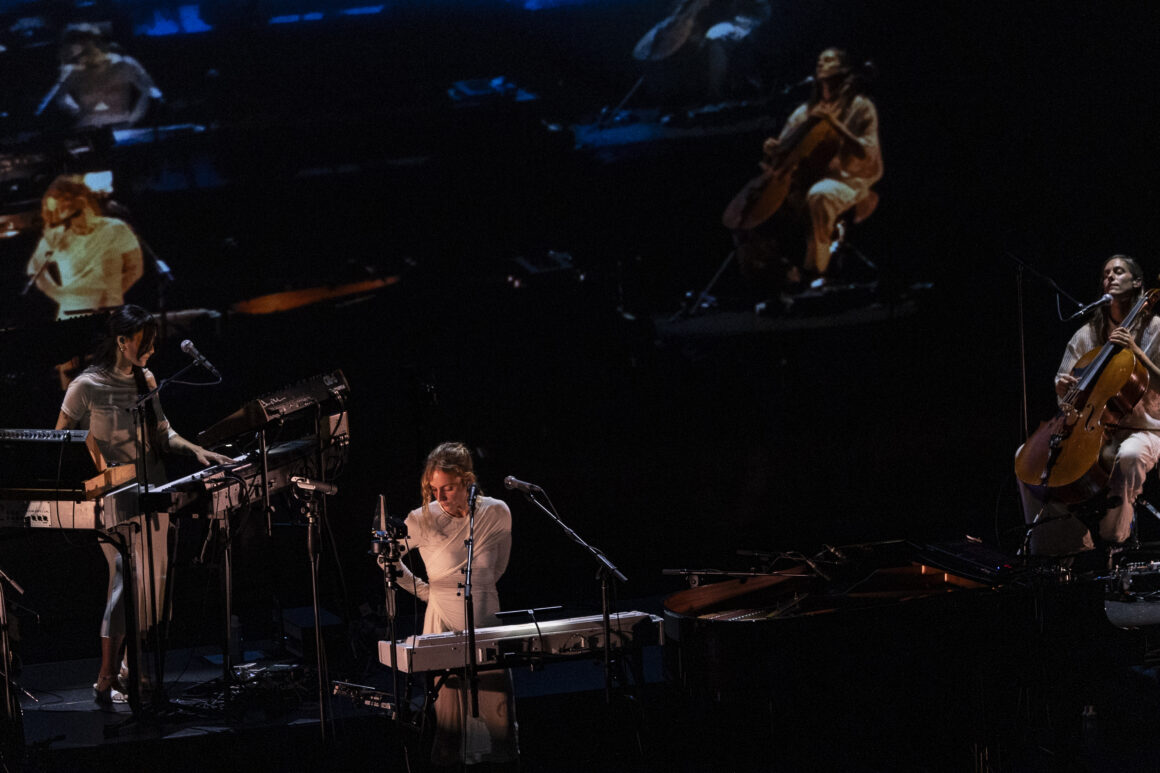
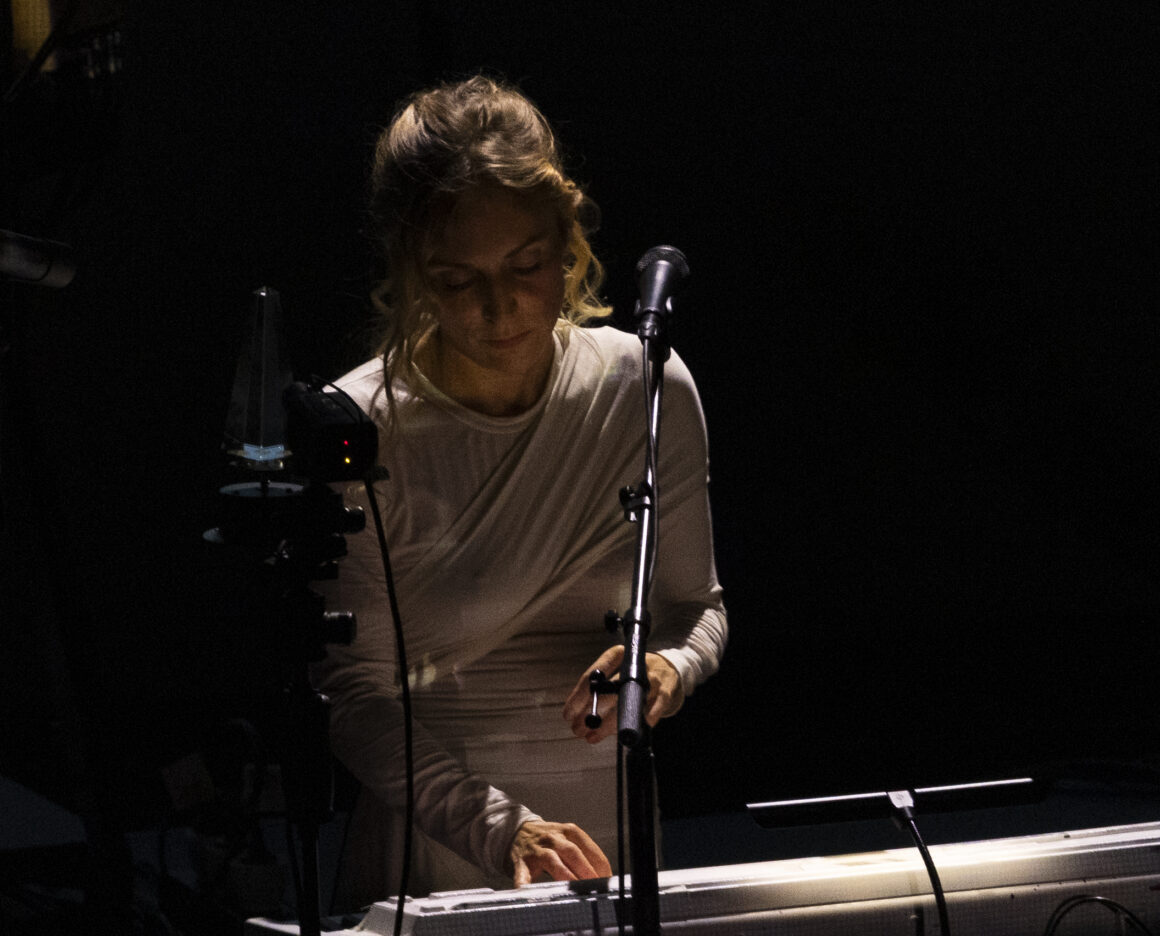
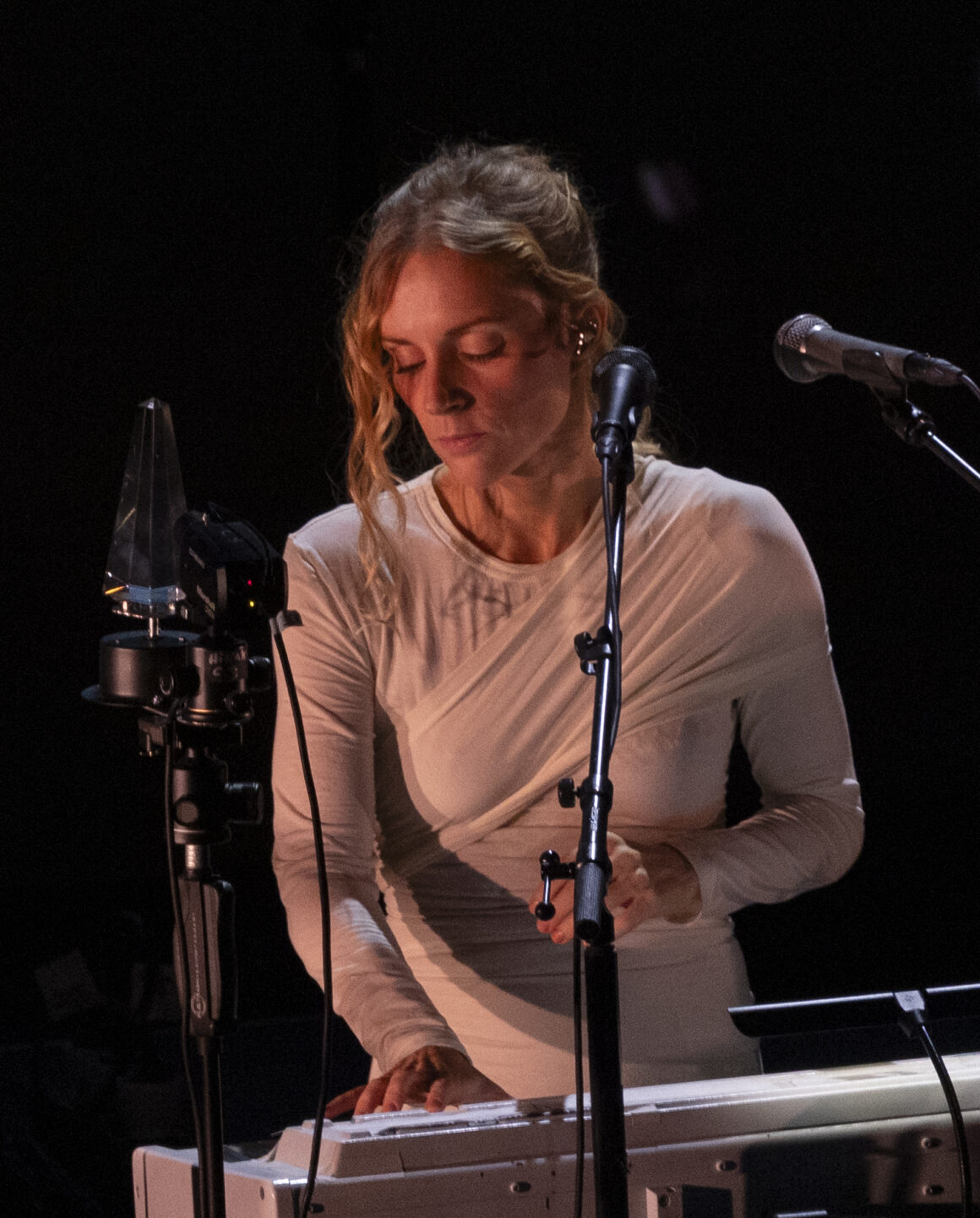
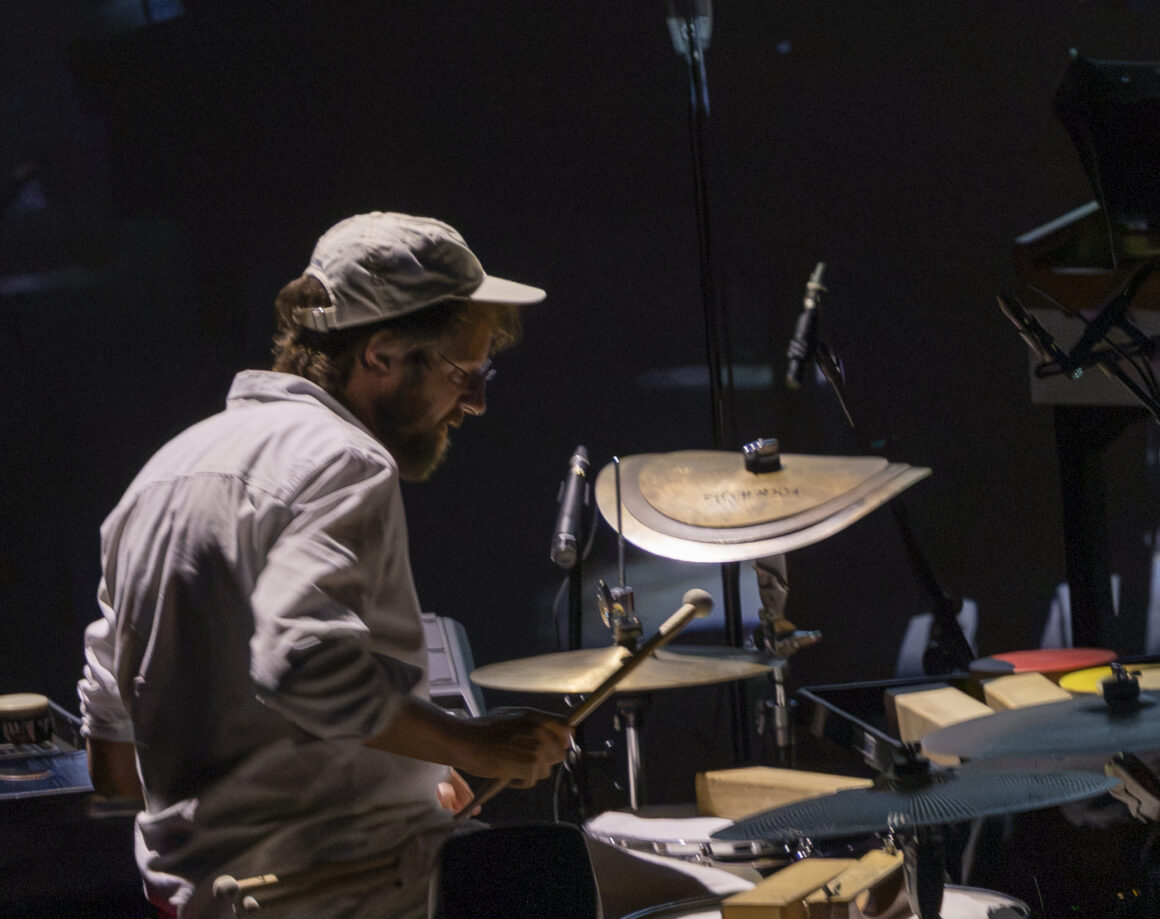
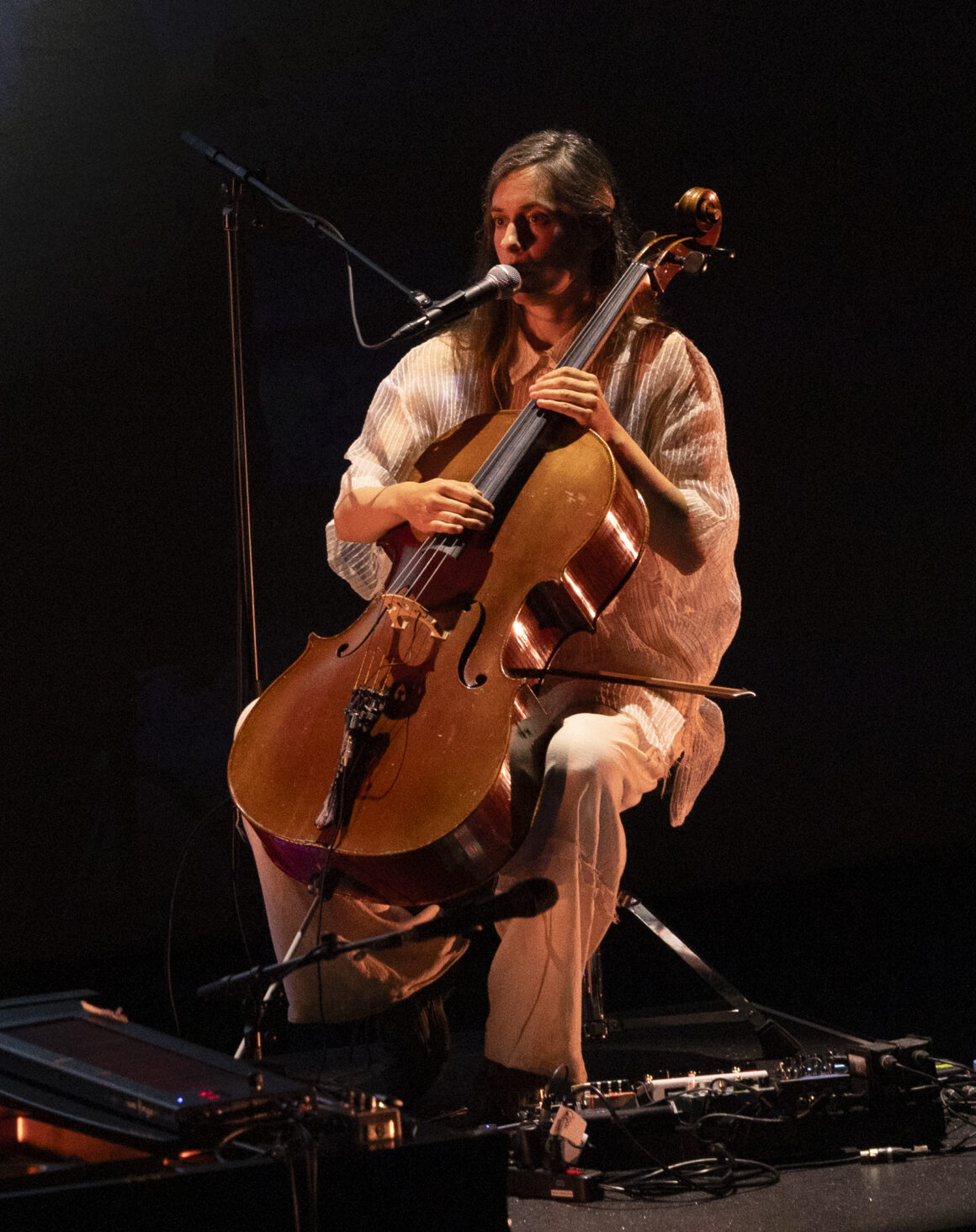
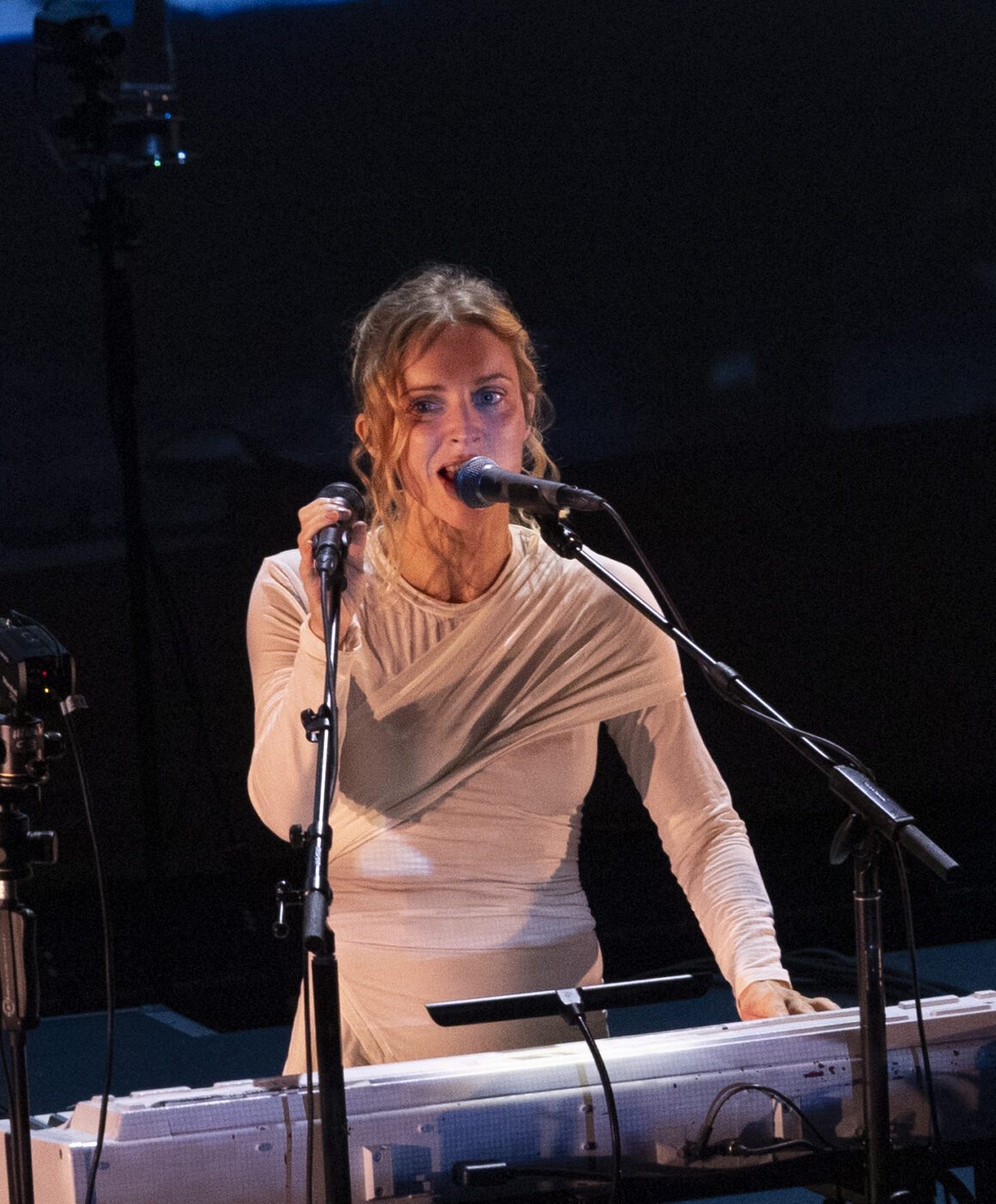
When Obel and her band emerge, the stage is almost completely dark. There is no dramatic entrance, instead, the opening moments rely on the music itself, and the combination of Obel with drummer Julian Sartorius, cellist Marie-Claire Schlameus and Hinako Omori on keys is immediately entrancing.
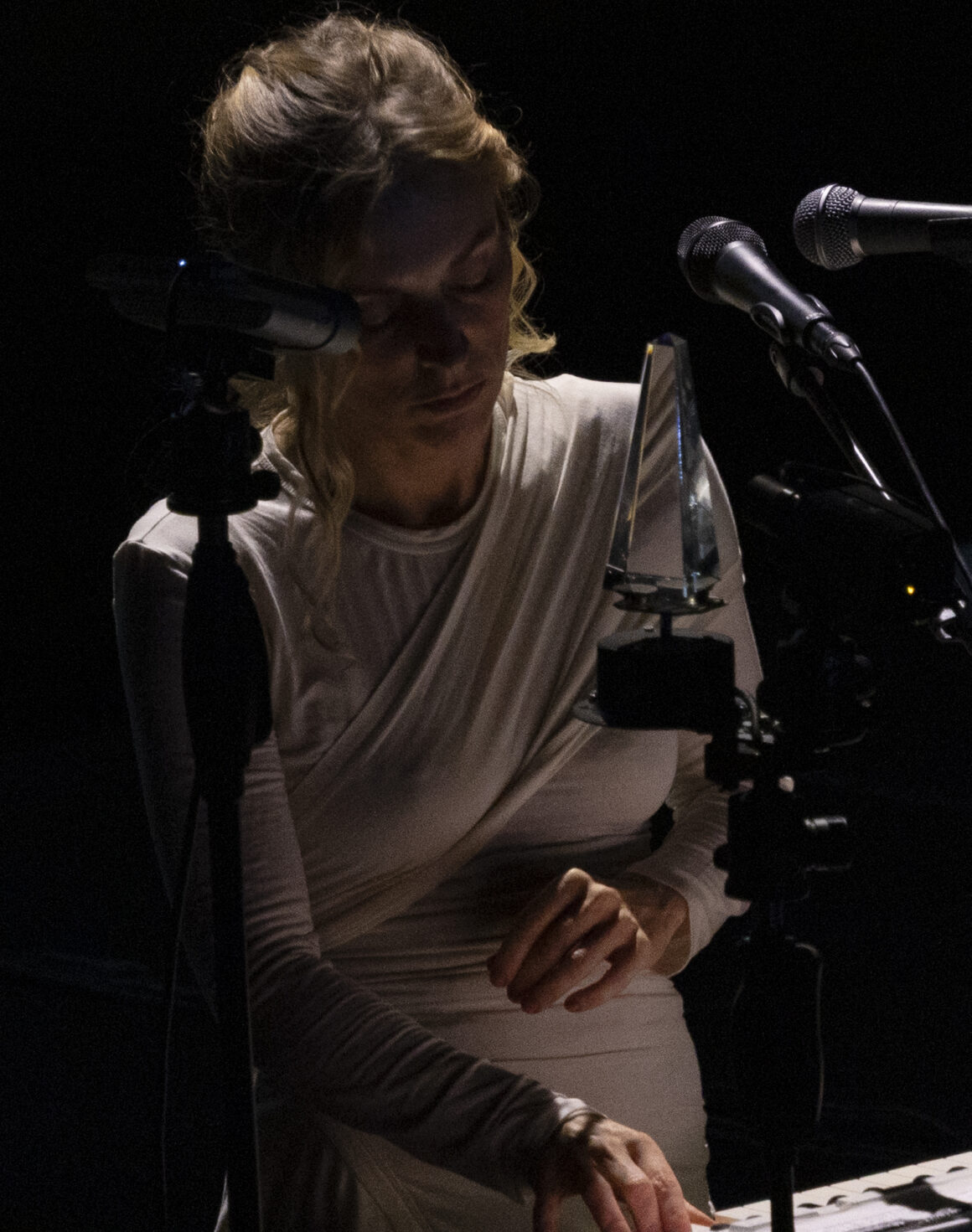
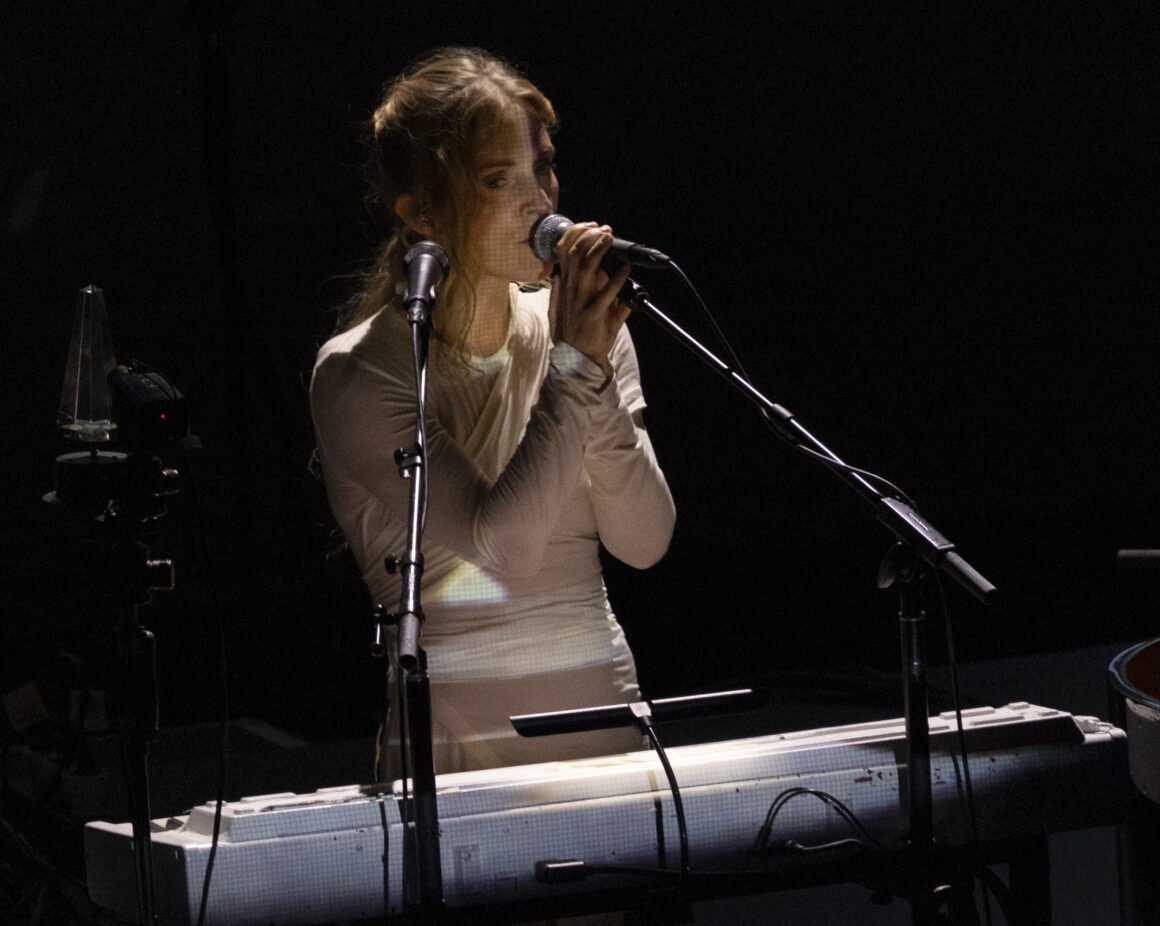
Red Virgin Soil opens the set, followed by Fuel to Fire, one of the defining songs from 2013’s Aventine. Obel’s music is well suited for the Concert Hall. Her voice floats above piano, cello, percussion and electronics while the musicians around her build arrangements that are intricate without becoming cluttered.
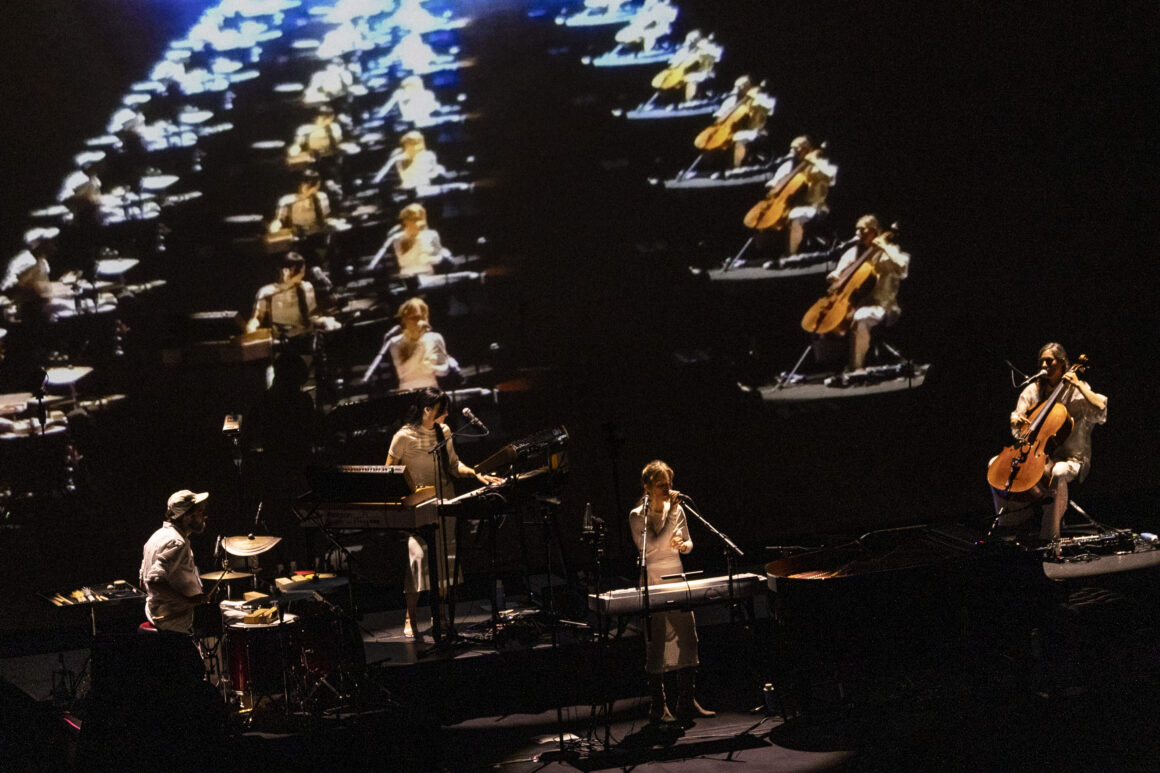
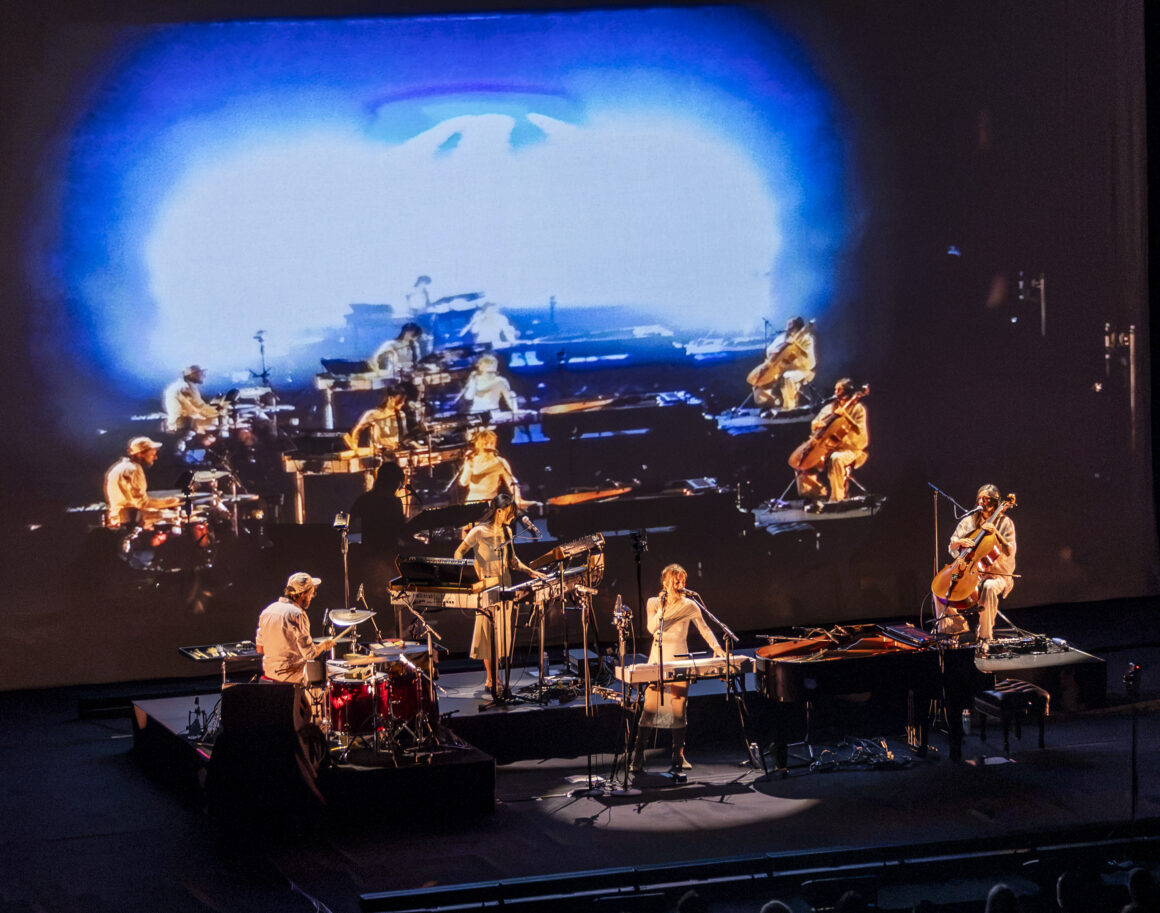
Camera’s Rolling follows, the sole representative from 2020’s Myopia in the opening stretch, before the evening moves firmly into the present with The Meaning of Flowers. Released this month, Obel’s fifth album arrived six years after Myopia and forms the backbone of this Australian tour.The title track also brings a striking visual shift. Behind the musicians, projections multiply and mirror the band across the screen, creating repeated versions of the figures onstage. Against the otherwise restrained lighting, the effect is beautifully disorientating, extending the strange, dreamlike quality already embedded in the music.
Laymelli continues that visual language, with the musicians again replicated behind themselves. It is an effective piece of staging precisely because it doesn’t compete with the performance. Obel’s music has always relied on detail and space rather than excess, and the imagery feels like an extension of that approach rather than decoration pasted on top of it.
It has been more than 15 years since Philharmonics introduced Obel’s innovative intersection of neo-classical composition, alternative pop and electronics. That debut established her across Europe and was followed by Aventine in 2013, while Citizen of Glass pushed her sound further into manipulated vocals and electronic textures. Myopia arrived in 2020, written, recorded and produced by Obel in her Berlin home studio. The Meaning of Flowers now ends the longest gap between albums in her career. Her music has also travelled extensively through television, film and gaming, appearing in The Last of Us, True Detective, Big Little Lies and Dark Souls III.
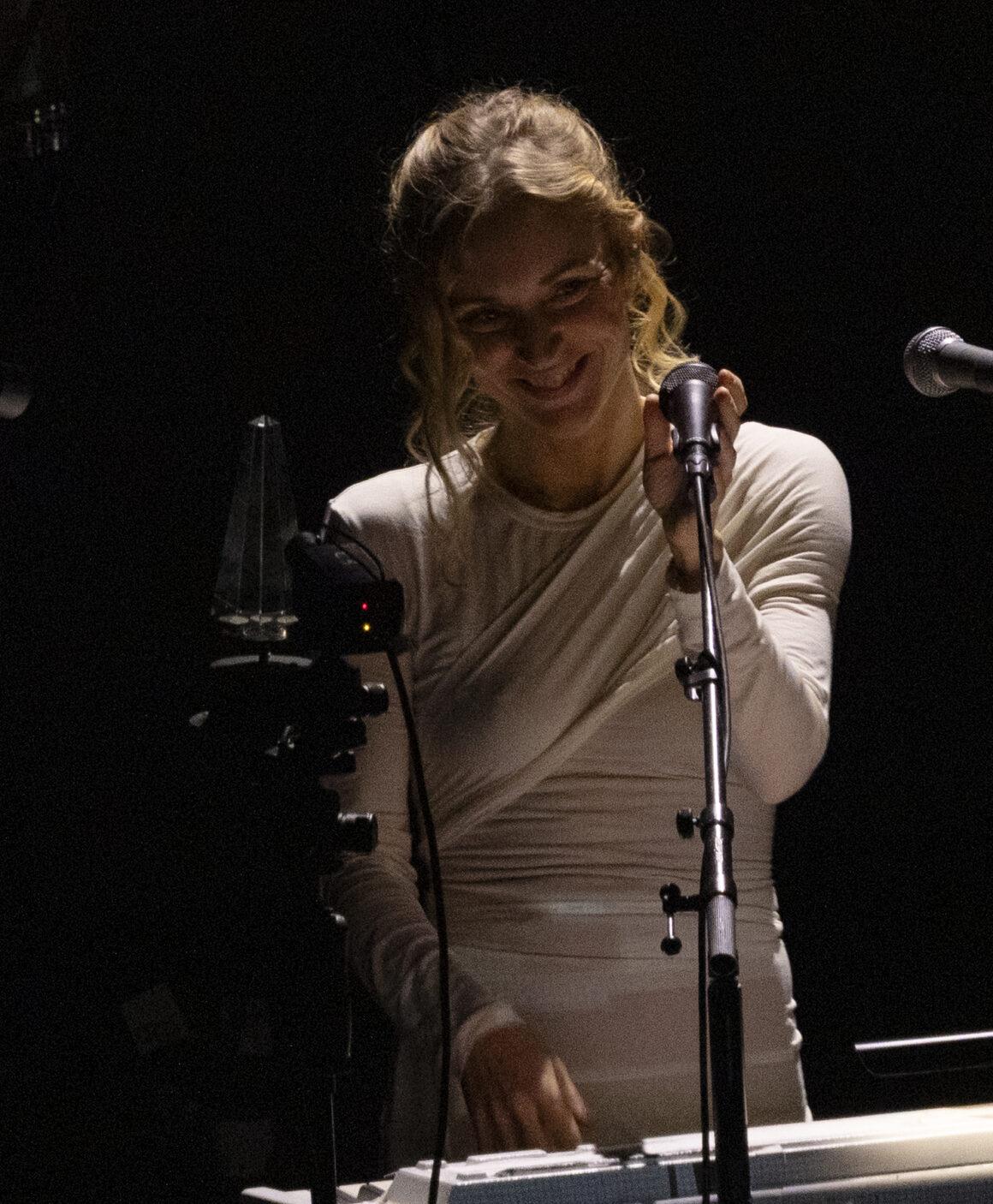
What is most apparent tonight is how little Obel needs to command a room. There are no huge gestures here. The darkness, the cello, the unusual percussion, Omori’s keys and Obel’s voice create their own gravity, while the restrained visuals give the newer material an added dimension without overwhelming it.
Outside, Sydney remains wet and wintry. Inside the Concert Hall, Agnes Obel creates a world entirely her own.
Images Deb Pelser