


The Breakdown
Need some cerebral soothing and sustenance then maybe take some time to engage with Trondheim-based jazz musician Alex Ventling’s new album ‘Wavemakers’. Ventling is something of a creative polymath. Besides being recognised as an accomplished pianist on the Euro/Nordic jazz scene he composes, makes films plus has become a sought-after videographer, photographer and educator. Musically though, there’s his trio, frequent collaborations (check out ‘The View’ with rising UK drummer Phelan Burgoyne) and the ongoing evolution of his Wavemakers quartet.
It’s this project which is the focus of Ventling’s latest release. Following a ‘Wavemakers’ album in 2018 which turned heads on the Euro-scene with its melodic shifts and deep grooves, we now have a second collection which features an exciting but unconventional combo set up. Ventling’s 2025 ‘Wavemakers’ features his piano and synth playing, violinist Tuva Halse, Amund Stenøien on vibraphone and drummer/rhythmicist August Glännestrand.
It’s a quartet line-up which suggests expansion and space, elements which surround you from the very first cut Tracking. Set up by chiming piano runs, pearly vibe droplets and some achingly moving violin this is a tune which hangs by a thread. The way each instrument peels away from the melody is breath-taking, each player instilling some tension into the atmosphere, but the piece doesn’t just hover. As the soft padding rhythm discreetly becomes more urgent it builds without overplaying the dynamics until Tuva Halse’s emotionally propulsive bowing sets free. Tracking is a ‘take-notice’ opening to an album which never shouts but naturally persuades.
Central to the new ‘Wavemakers’ collection is the three-part sonic reflection Trondheim, the city where all four musicians first met during their studies. Each track inventively prompts a different mood while picturing a contrasting vista. Part 1 sees deconstructed chamber jazz and music-concrete improv spliced together with an angular, lurching momentum. Confidently teasing in the way it unravels, the quartet allow the tune to slowly come together with Ventling’s fluent runs suggesting the way. The detailing feels intuitive but is meticulously positioned to heighten the drama, each eerie harmonic whistle from the vibes or piccolo toned synth flurry subtle but surprising. There’s a Tippett-esque progressiveness about the whole tune.
Trondheim II brings a gentle contrast. More quirkily melodic and playful it imagines a city going about its bustling business. Piano, violin and vibes dance around each other in tight synchronisation until Ventling’s bubbling synth takes the lead, melding old and new effortlessly. Trondheim’s shifting geography takes a final turn with the post-rock gravitas of Part III. This end of town is darker and more dangerous, a soundscape which echoes EST at their most strident. Glännestrand’s drumming hits out here, snare sharp and punchy as noire sounding reels trill. In the tune’s final moments his percussive storm drives Amund Stenøien’s swirling vibe solo to some spectacular heights.
With such an impressive core you might expect Ventling’s ‘Wavemakers’ to dip elsewhere but the invention and fluency of this quartet ensures that the album’s vibrancy sings out through the other tracks. Omaha shimmers like a fiery folkloric spell. Guest vocalist, the renowned Sissel Vera Pettersen, brings a celestial dreaminess to Ventling’s pared back composition, her voice silkily gliding over the band’s brilliantly simple foundation. Such minimal principles underpin the stark beauty of January, where Ventling’s piano and Stenøien’s vibes tumble together as Halse’s violin flutters earnestly. Similarly the meticulous Spiral revolves around a basic pattern, each instrument picking out single notes in the sequence as the piece unfurls with a Phillip Glass-esque clarity. There’s a balletic glide to this pirouetting tune with Halse’s quivering classical tones again at the pinnacle.
Any structure inherent in Ventling’s compositions for this Wavemakers offering gets loosened up by the intuitive interactions within the quartet. Such connections wrap each piece in a luminous, meditative blanket giving the album the contemplative aura which the composer was aiming for. Closing track Four Refractions perhaps highlights this immersive effect most graphically. On the surface the track is a fine effusive exploration of chamber jazz but as it develops you begin to get drawn in by the intricacy. Four Refractions brings different revolving perspectives on the same pattern, the spinning sonics underpinned by rhythms which skitter, stutter and then calm. Midway a more sombre tone glides in as Halse’s violin instinctively weeps before the final view gleams to Ventling’s softly trumpeting synths.
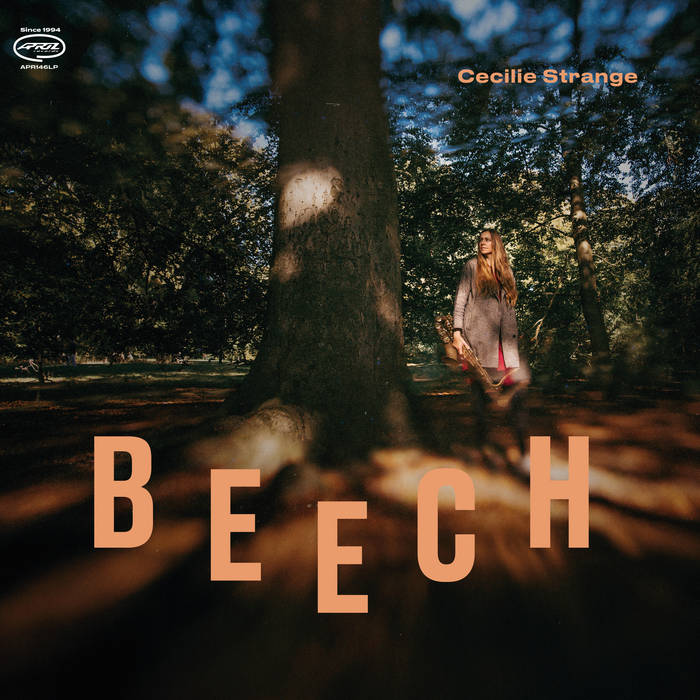
It’s a deeply textured end to an album which resonates fulfilment and allows you to drift within its panorama. Alex Ventling’s ‘Wavemakers’ is also a reminder, like Cecilie Strange’s ‘Beech’, that 2025 has been “a very good year” for Nordic Jazz.
Get your copy of ‘Wavemakers‘ by Alex Ventling HERE






No Comment