
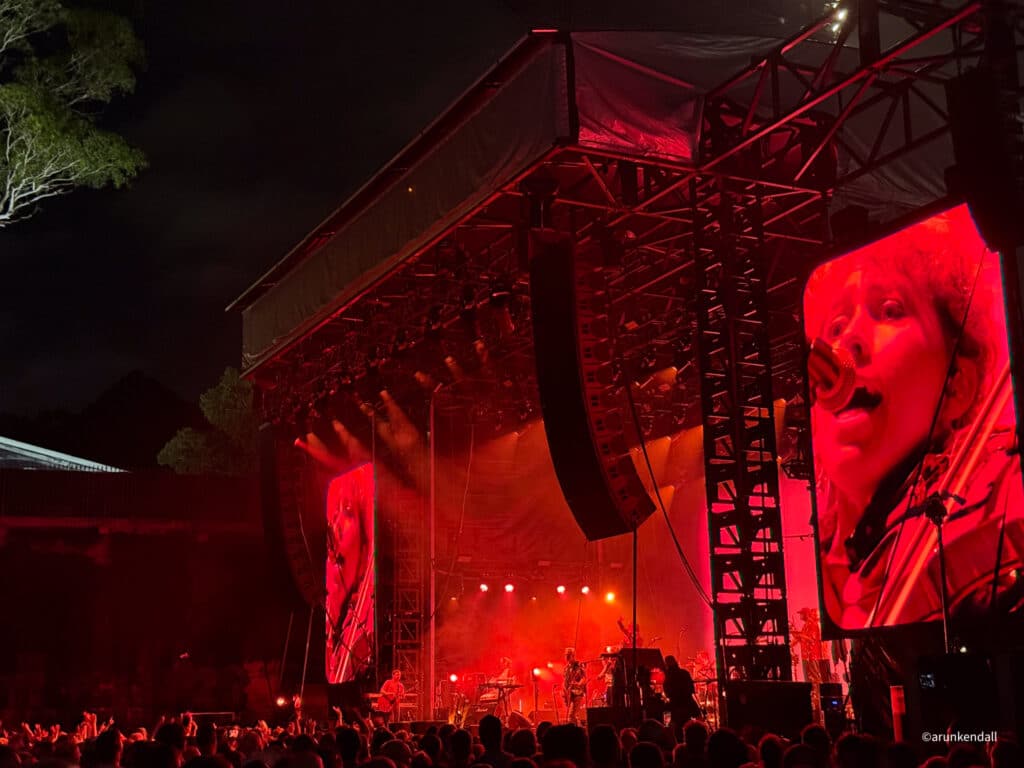
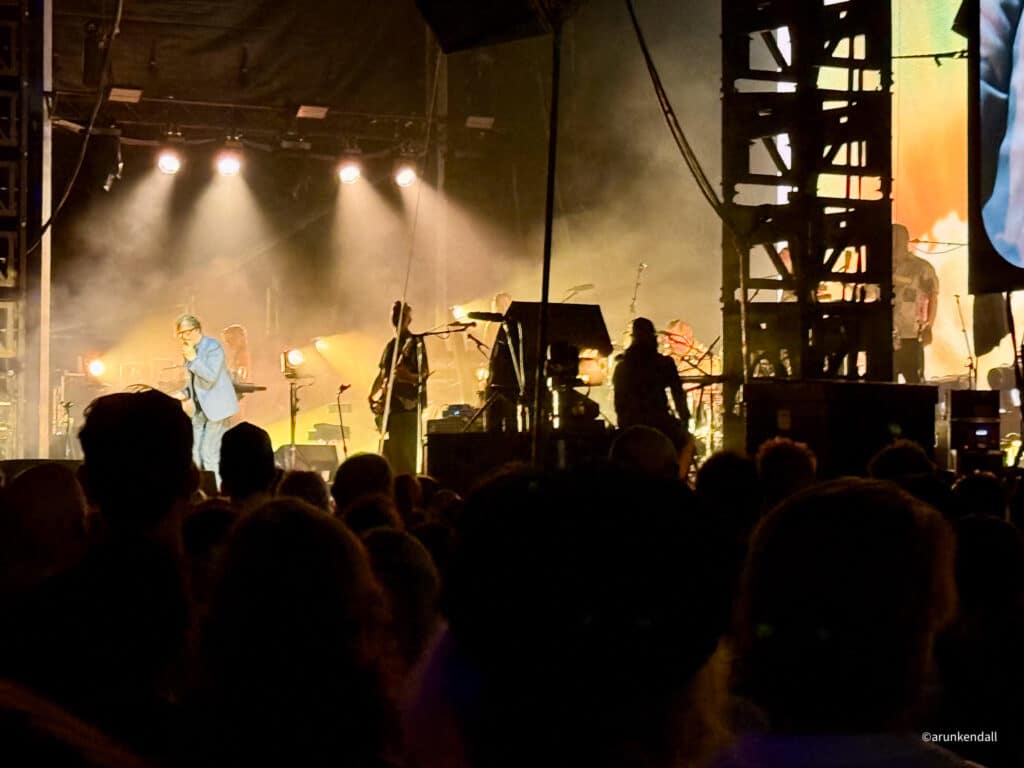
There are certain places in the world where pop music feels faintly mischievous. The Sydney Opera House forecourt is one of them. With the harbour glittering behind the stage and the Opera House sails looming overhead like giant architectural handkerchiefs, it’s a setting more accustomed to refined cultural pursuits than songs about awkward sex, chemical misadventures and the sociology of British class resentment
Which, naturally, makes it the perfect place for Pulp.
Cocker and company arrived on stage to a roar from a crowd that looked like a multi-generational gathering of indie disciples. There were original Britpop veterans who probably bought Different Class on CD in 1995, younger fans who discovered the band via streaming algorithms, and a few curious passers-by who appeared to have wandered in from the Opera Bar and were about to receive a crash course in Northern English wit
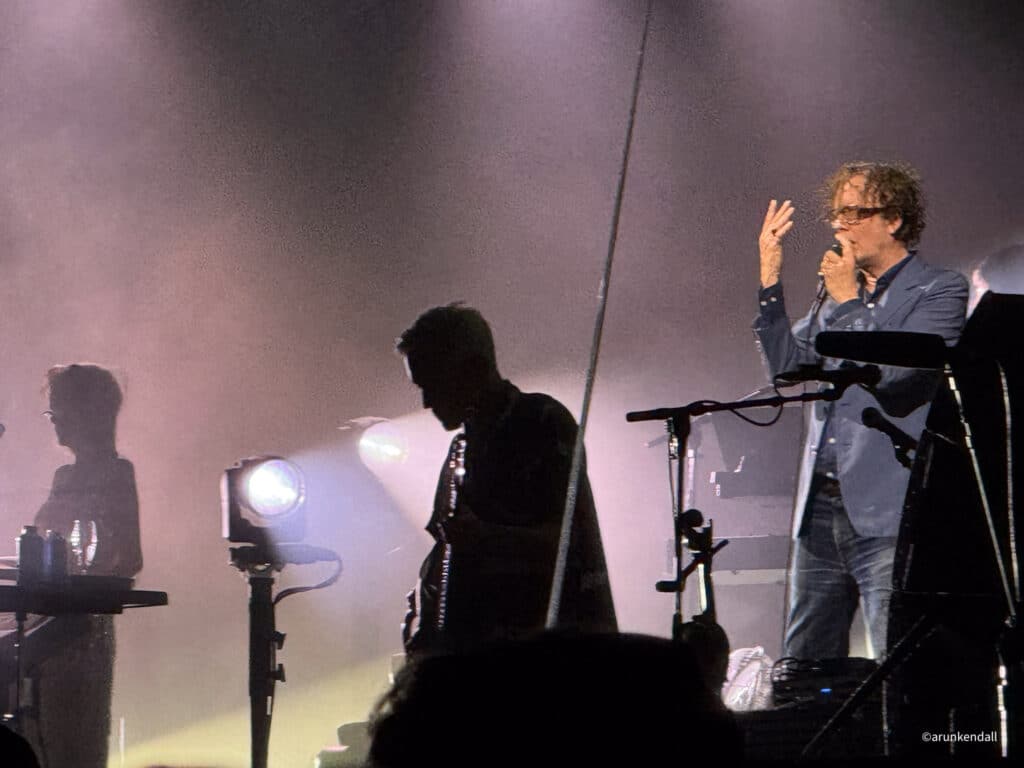
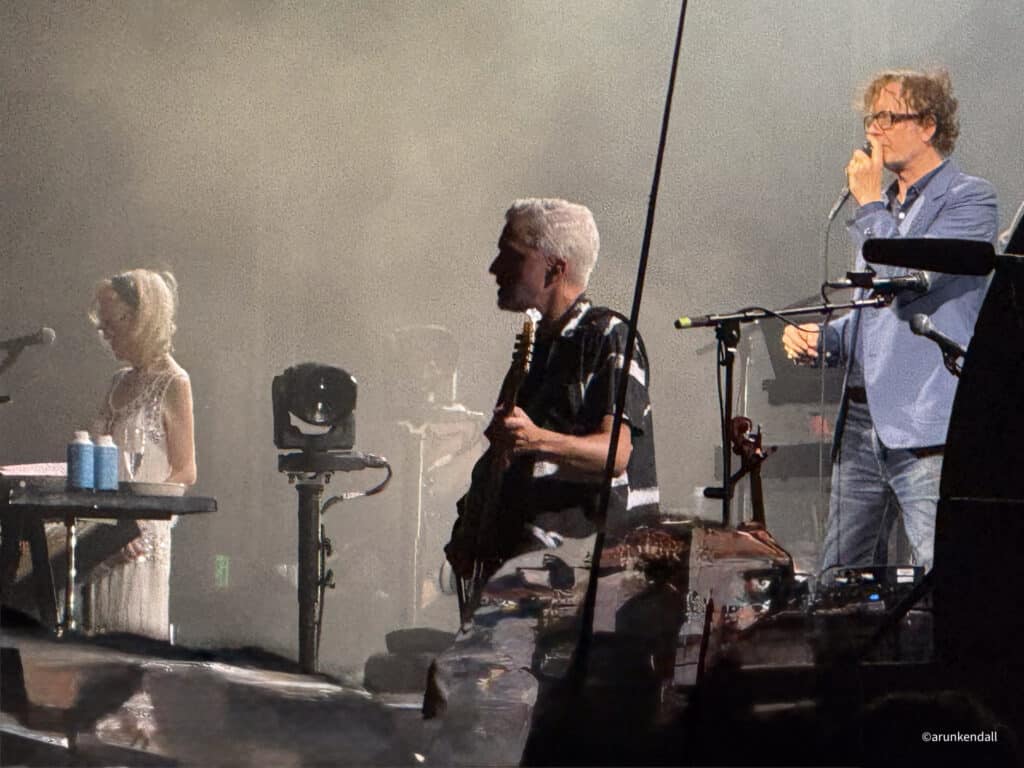
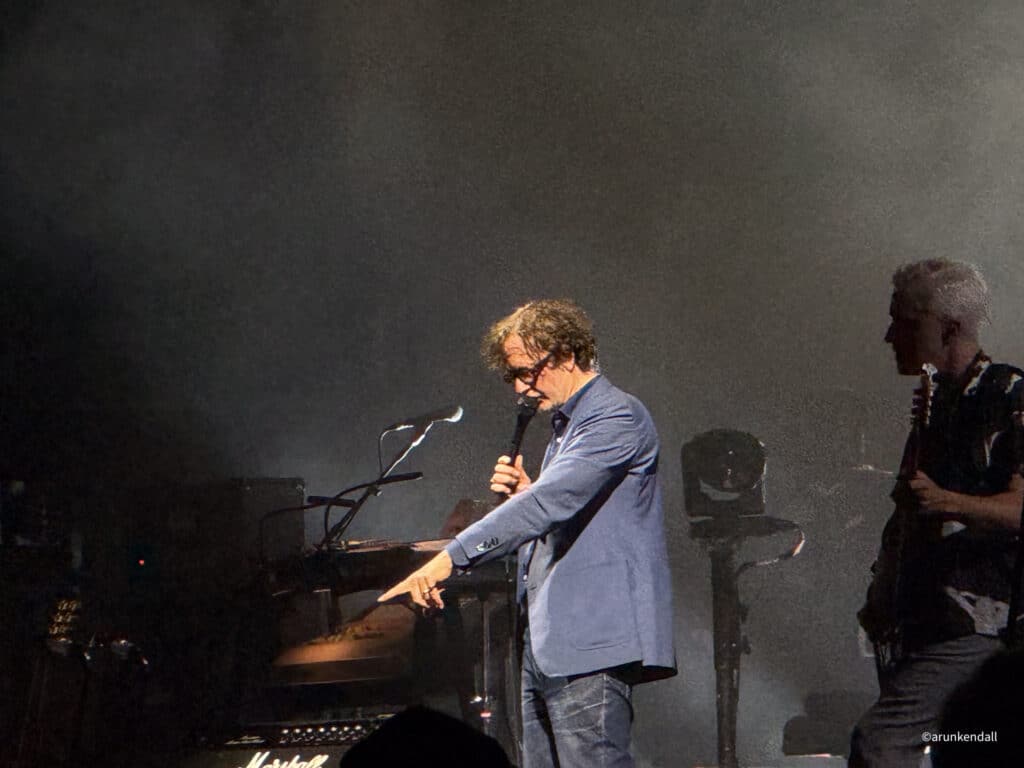
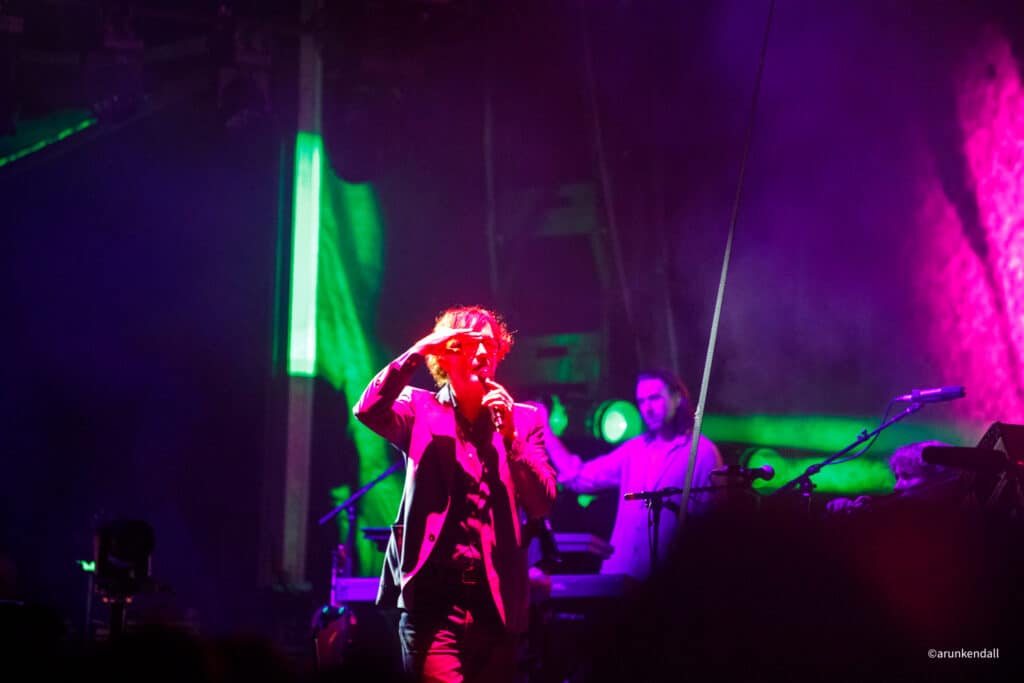
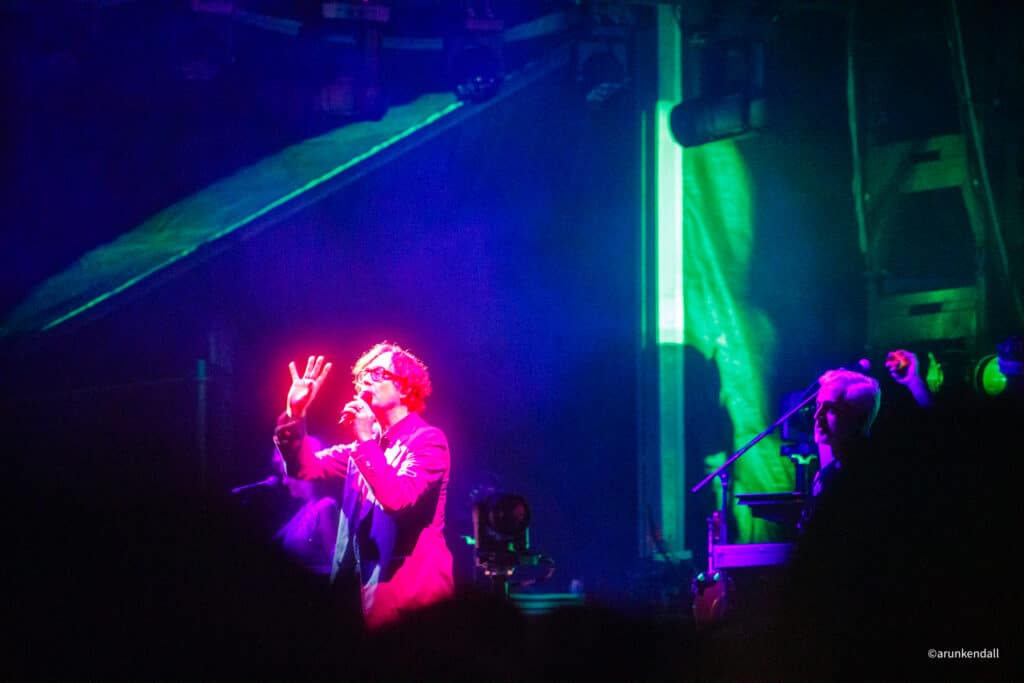
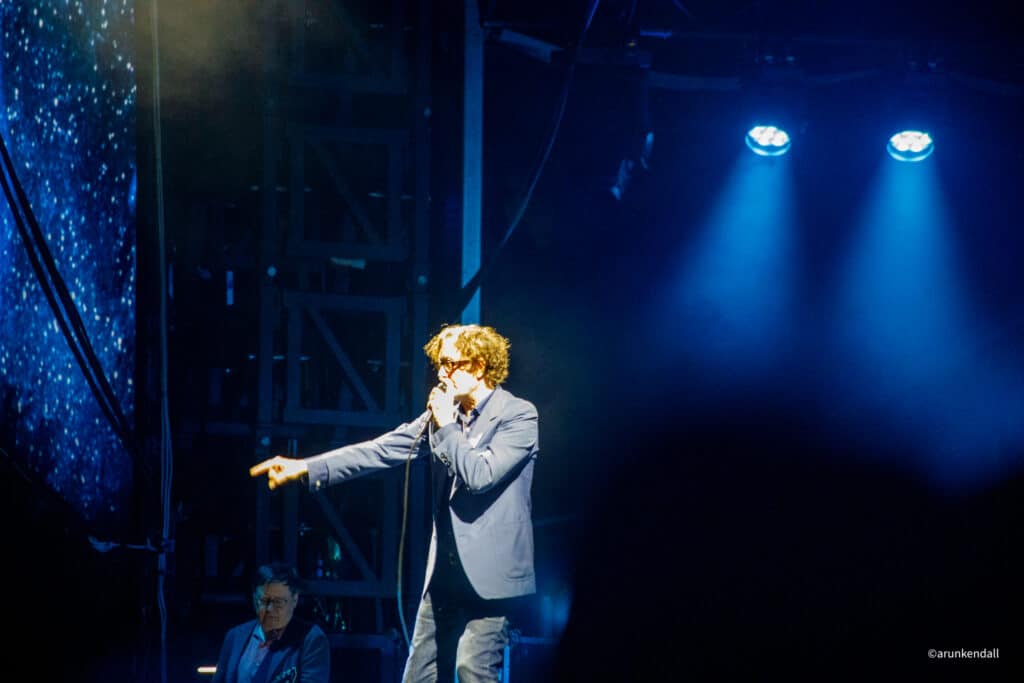
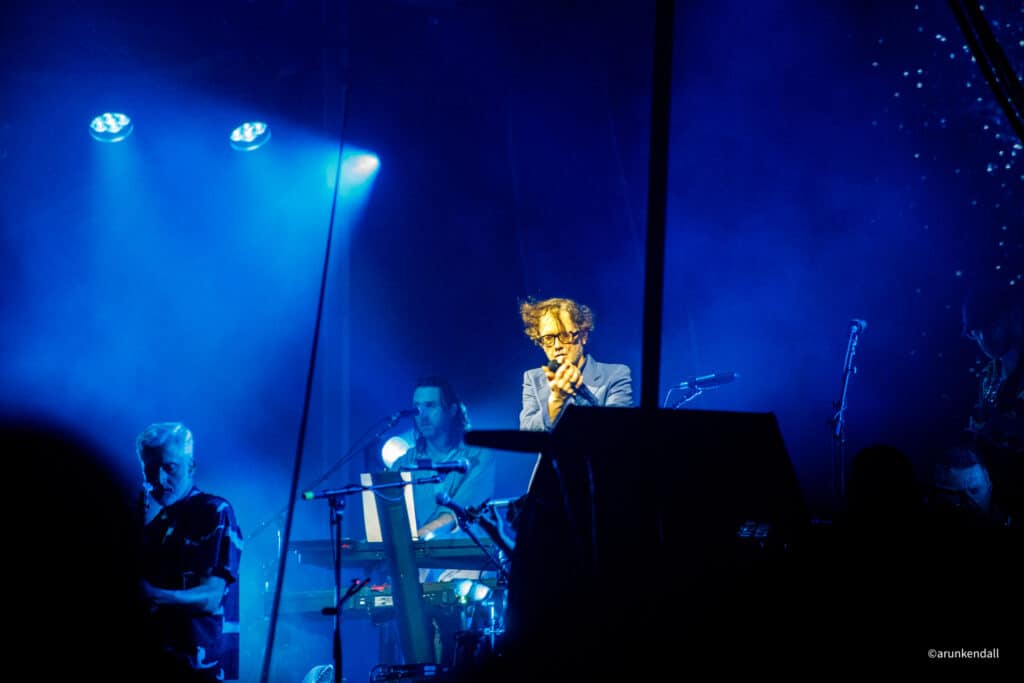
Cocker emerges as he always has — a man who appears to have been assembled in a charity shop by someone with extraordinary taste — all elongated limbs and magnificent cheekbones and a quiet, self-deprecating authority that suggests he remains faintly surprised anyone showed up at all. He hasn’t, you understand, aged so much as clarified. Like a good wine, or a particularly elegant insult
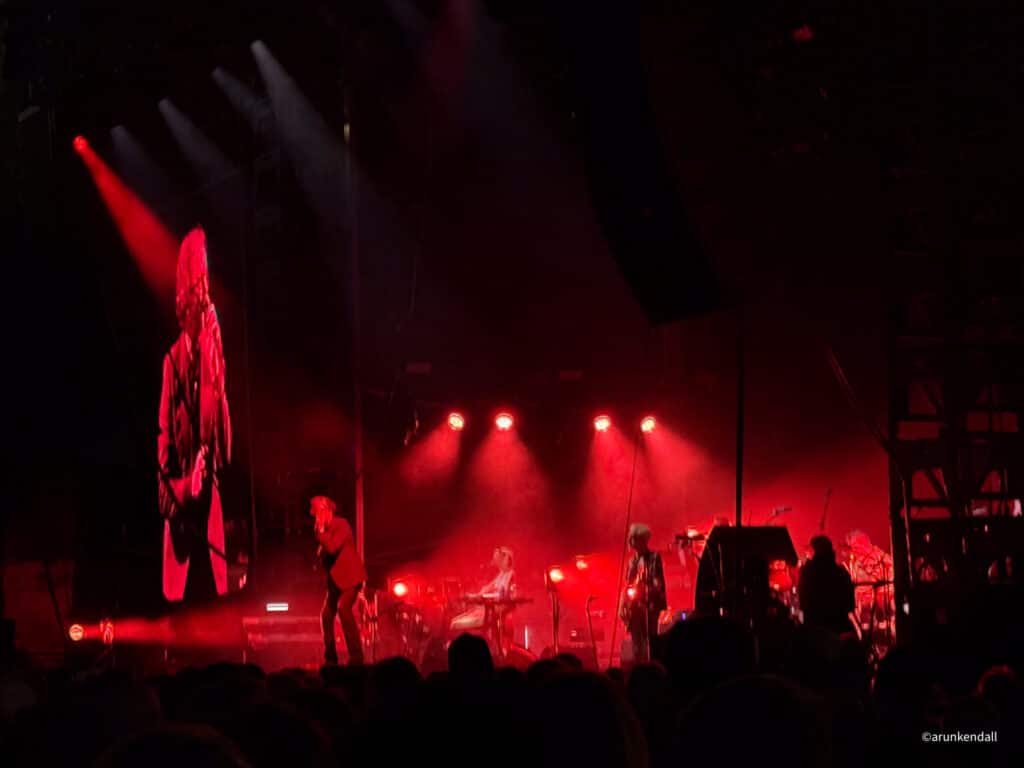
They opened with “Sorted for E’s & Wizz,” which may be the only song ever written about Glastonbury-era recreational chemistry to be performed within sight of Australia’s most famous cultural landmark. The irony was clearly not lost on Cocker, who stalked the stage like a tall, sardonic heron, all elbows and limbs, conducting the audience with a mixture of lounge-lizard elegance and Sheffield deadpan
Without pause they rolled straight into “Disco 2000.” In 2026 the song has acquired an extra layer of comedy—what was once a nostalgic look forward now feels like a slightly embarrassing diary entry from the past. The crowd sang every word back with gleeful enthusiasm
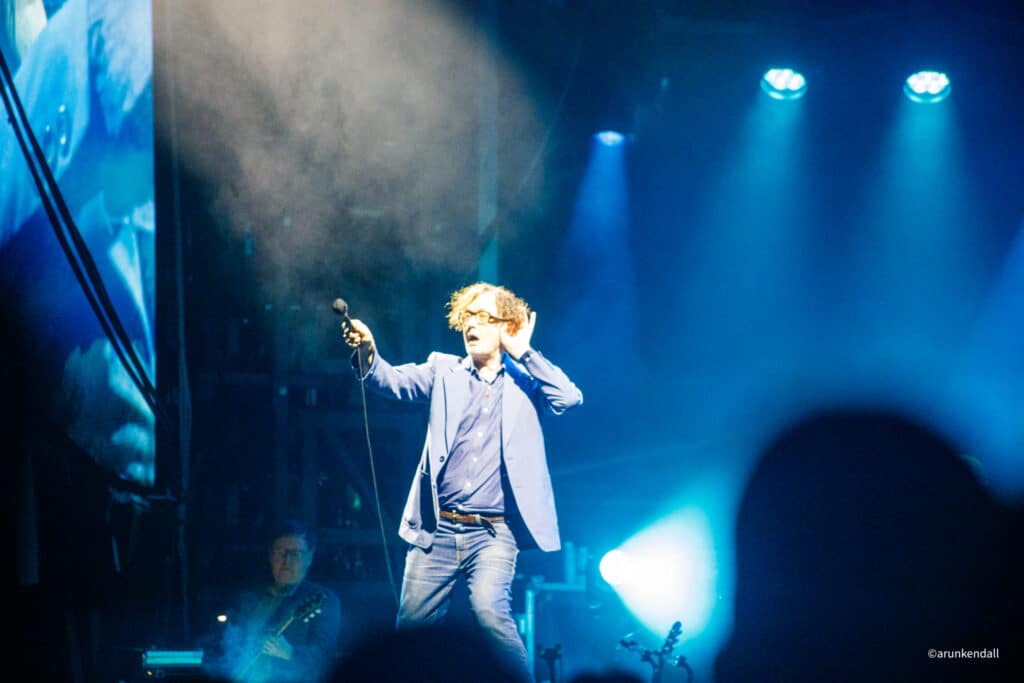
“Spike Island” and “Lipgloss” followed, reminding everyone that Pulp’s back catalogue contains more hooks than a fishing trawler. Cocker, still the ultimate anti-rock-star frontman, spent much of the time half-dancing, half-narrating, occasionally addressing the audience as if we were characters in one of his songs
mood turned deliciously sinister with “I Spy,” its slinking groove perfectly suited to the theatrical way Cocker inhabits his lyrics. Few performers can make voyeurism sound quite so stylish
Then came “F.E.E.L.I.N.G.C.A.L.L.E.D.L.O.V.E.”, which exploded across the forecourt like glam rock fired from a cannon. Guitars roared, the harbour breeze whipped through the crowd, and for a moment the Opera House precinct felt less like a tourist postcard and more like a slightly chaotic indie nightclub with unusually good views
The middle section of the set revealed Pulp’s peculiar genius: emotional whiplash delivered with impeccable timing
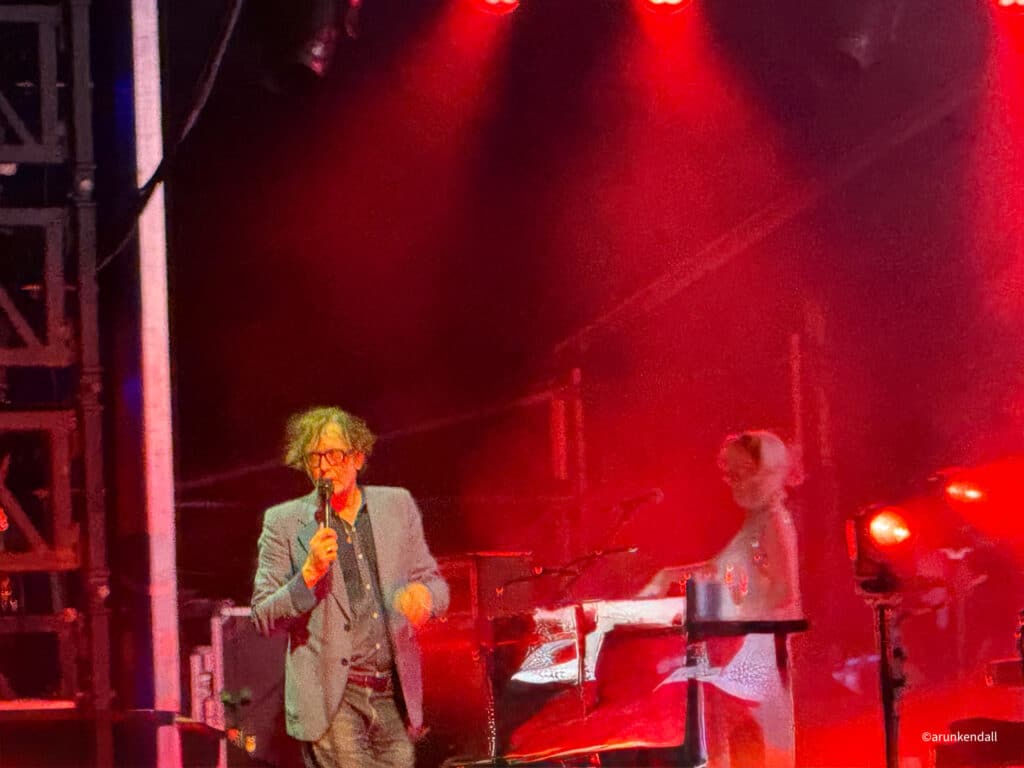
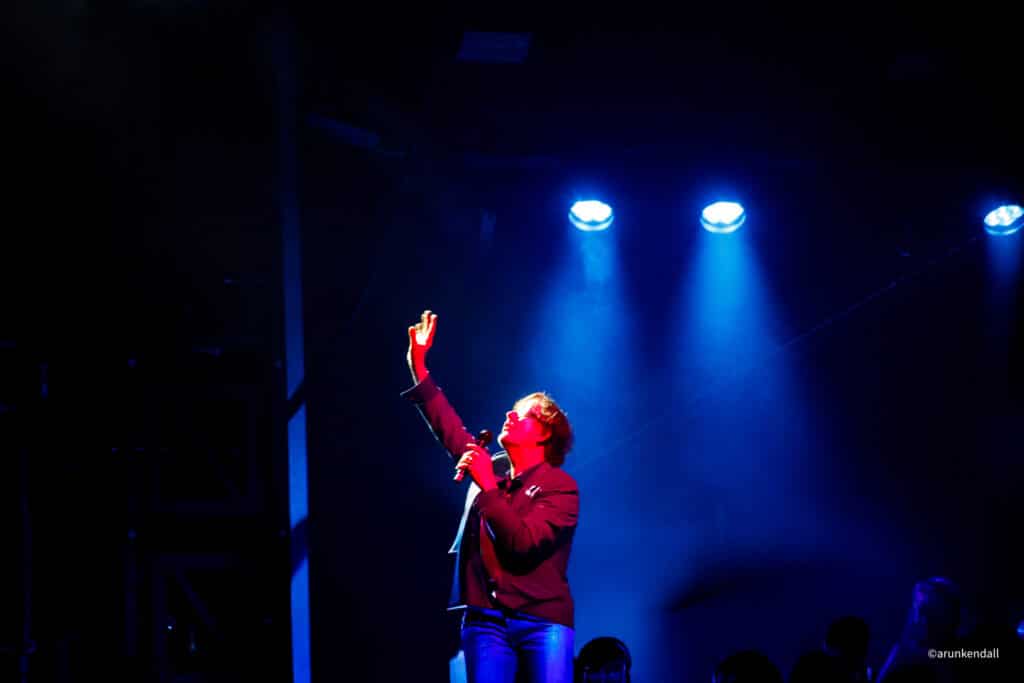
“Underwear” drifted in with its dreamy melancholy before the gorgeous “Farmers Market” added a hint of reflective warmth. But the mood darkened spectacularly with “This Is Hardcore.” Still one of the most magnificently uncomfortable songs in the band’s catalogue, it arrived like a decadent film noir monologue set to music. Cocker delivered it with theatrical relish, somewhere between cabaret host and world-weary raconteur
A gentler moment arrived with “Sunrise” and the quietly devastating “Something Changed.” Under the open sky, thousands of people listened in near silence, which for a crowd of this size felt almost miraculous
From there the tempo climbed again. “Seconds” and “Begging for Change” injected sharp bursts of energy, while “Acrylic Afternoons” and “Do You Remember the First Time?” sent waves of nostalgia rippling through the audience. If Britpop had a national anthem for awkward adolescence, it might well be the latter
By the time “Mis-Shapes” kicked in, the crowd was fully converted. Arms went up, voices got louder, and the forecourt briefly resembled a mass celebration of every oddball, outsider and misfit the song was written for
“Got to Have Love” brought a modern pulse to the set, its disco groove reminding everyone that Pulp have always had one foot on the dancefloor, even while dissecting human behaviour like sociologists with guitars
Then came “Babies.” If the band had stopped there it would already have been a triumph, but of course there was still one song left
The unmistakable opening of “Common People” triggered the loudest singalong of the night. Thirty years after its release the song remains both anthem and satire, its biting class commentary somehow transformed into a joyous communal chant. Thousands of voices shouted every line back at Cocker, who looked both amused and faintly astonished at the scale of it all
The encore arrived with “A Sunset,” a gentle, reflective closer that felt almost suspiciously sincere after two hours of wry observation and social commentary
As the final notes faded and the lights of the harbour flickered behind the stage, one thing felt clear: Pulp are one of the rare bands whose songs grow richer with time. They’re funny, observant, occasionally uncomfortable and often unexpectedly moving
Cocker, between songs throughout the evening, is characteristically wonderful — quietly amused by the opera house, quietly amused by Australia, quietly amused by existence itself.
Pulp in 2026 are not what they were. They are better — tighter, more self-possessed, unafraid to stand beside their return album ‘More’ and let it hold its own against one of the great catalogues in British music. Cocker remains one of the finest live performers this island nation has ever produced: cerebral and sensual at once, capable of making a harbourside crowd feel simultaneously like they’re in on a private joke and part of something enormous and important
And Jarvis Cocker remains pop’s most elegant ringmaster of awkward truths
Some bands make you nostalgic.
Some bands make you dance.
Pulp do something far rarer.
They make you feel like the strange, slightly ridiculous story of your own life might actually be worth singing about
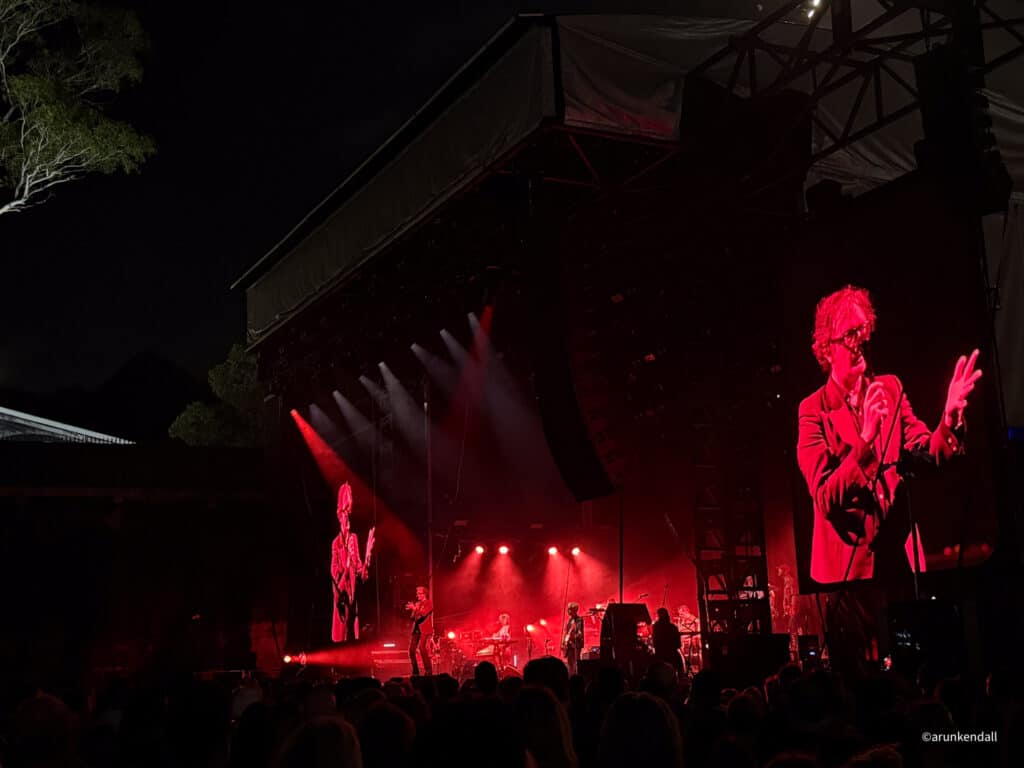
Feature Photograph and Gallery: Arun Kendall