Incineration Festival has, over a relatively short span of years, evolved from a standout date on the calendar into something far more personal—a fixed point, an annual return that feels less like attendance and more like participation in a ritual. There’s a familiarity to it now, but not the kind that dulls the experience. Instead, it sharpens it. Each year arrives with its own subtle shifts—lineup, pacing, atmosphere—but the underlying pull remains constant. It’s a day that demands to be lived in fully, not just observed.
What makes that especially striking is how early it begins—not in terms of set times, but in how Camden itself starts to transform. By late morning, long before doors officially open, the area begins to take on a different texture. Black band shirts, hoodies, and battle jackets become the dominant visual language, spreading gradually at first, then all at once, until it feels as though the entire district has been quietly overtaken.
It’s not an aggressive shift, nor is it insular. Festivalgoers don’t replace Camden’s usual rhythm—they fold into it. Groups gather outside pubs, leaning against railings or spilling onto pavements, while others drift through the market in no particular hurry. There’s movement everywhere, but very little urgency. Conversations spark easily, often between people who have only just met, bound by shared taste rather than prior connection. Laughter cuts through the background noise, pints are raised, and the hours before entry take on a life of their own.
What stands out most in those early moments is the atmosphere. It’s relaxed, open, and unexpectedly warm—especially when measured against the stereotypes that still cling to extreme music culture. There’s no hostility here, no sense of exclusion. Instead, there’s a quiet, unspoken understanding that passes between people, a recognition that everyone present is part of the same temporary world.
That world doesn’t exist in isolation, either. Camden’s usual foot traffic continues to flow through it, creating moments of subtle contrast. Tourists pause, glance, sometimes double back for a second look—some bemused, others curious, a few visibly intrigued. The overlap never feels uncomfortable. If anything, it adds texture to the day, a sense that something unusual is happening, but without disrupting the natural rhythm of the area.
As the morning edges toward afternoon, that atmosphere begins to condense. Queues form and stretch, winding past market stalls and along familiar streets. The energy shifts almost imperceptibly—still relaxed, but now threaded with anticipation. Plans are checked and rechecked, set times mentally mapped out, routes between venues considered. There’s a growing awareness that once things begin, the day will move quickly.
And that’s one of the defining characteristics of Incineration Festival: its sense of motion. Unlike single-venue events, it doesn’t allow for passive consumption. It demands engagement. The layout—anchored by spaces like the Electric Ballroom and the Roundhouse—creates a constant push and pull, a need to make decisions in real time. Stay for one more song, or leave early to catch the start of something else? Commit fully, or fragment your experience in pursuit of variety?
This year that dynamic feels more pronounced than ever. Movement between venues isn’t just logistical—it’s transformative. The Ballroom, with its low ceiling and dense, immediate sound, encourages intensity and confrontation. The Roundhouse, by contrast, expands everything outward, lending performances a sense of scale that borders on the ceremonial. Each space reshapes the music within it, and moving between them reshapes your perception as a listener.
It’s in that interplay—between places, between sets, between moments of immersion and transition—that the festival truly takes form. Long before the first band steps on stage, Incineration has already begun.
That anticipation, however, came with an early complication. A last-minute cancellation from Afsky due to medical reasons left a noticeable gap. It created a strange lull—queues formed, pints were nursed longer, and plans were recalibrated on the fly. Personally, it was a blow; they were one of my most anticipated acts. Yet the disruption had its upside. It offered breathing room—a chance to regroup at The Black Heart before catching Yersin.
What followed felt less like a simple course correction and more like a necessary jolt back into motion. Yersin didn’t ease the day back in—they tore into it. From the outset, their sound carried a raw, serrated edge, the kind that feels unstable in the best possible way, as if it could collapse or spiral out at any moment but never quite does. There was a palpable urgency to their delivery, not just in tempo but in intent, every riff and vocal line pushed forward with a sense of purpose that cut cleanly through the lingering haze of the delayed start.
The venue itself still felt like it was waking up—crowds filtering in, conversations tapering off mid-sentence—but Yersin forced a shift in attention. It didn’t take long before heads began to turn toward the stage, bodies angling forward, the passive drift of the early afternoon giving way to something more focused. Their performance thrived on that transition. Rather than playing to a fully locked-in audience, they actively created one, pulling people out of their own distractions and into the set moment by moment.
Sonically, there was a coarse density to their sound—grinding, abrasive, but not without structure. Beneath the surface chaos sat a clear sense of control, with sharp rhythmic pivots and tightly wound passages that prevented the set from ever dissolving completely into noise. The guitars bit hard without becoming indistinct, and the percussion landed with enough clarity to anchor everything, giving the audience something to latch onto even as the textures remained harsh and unrelenting.
What stood out most, though, was the vocal delivery. It carried a feral intensity that felt immediate and confrontational, less about performance and more about expulsion—something dragged up and forced outward rather than carefully projected. That sense of rawness became the focal point of the set, a thread that tied the more chaotic elements together and gave the performance its emotional weight.
By the midpoint, the room had noticeably shifted. The earlier lull was gone, replaced by a low-level kinetic energy—subtle movement at first, nodding heads, a tightening of the crowd toward the stage—but enough to signal that the day had properly begun. Yersin didn’t just fill the gap left by Afsky; they reframed it entirely, turning what could have been a sluggish start into something far more immediate and visceral.
There was no grand climax or theatrical payoff to their set, and it didn’t need one. Instead, they maintained a consistent pressure throughout, leaving the stage in much the same way they entered—abruptly, without ceremony—but with the atmosphere fundamentally altered. In their wake, the festival felt recalibrated, the earlier uncertainty replaced by momentum. From there, the transition into Mutagenic Host at The Underworld felt seamless, as though Yersin had laid the groundwork for everything that followed.
What began as disruption had now fully transformed into flow—and Yersin were the turning point that made it happen.
At The Underworld, Mutagenic Host felt less like a continuation of the day and more like a descent into something altogether more claustrophobic and unhinged. If earlier sets had hinted at chaos, this was where it fully took shape—compressed, distorted, and forced into close quarters where there was no room to escape it.
The Underworld is uniquely suited to this kind of band. Low ceilings, limited sightlines, and a density that builds quickly as bodies pack in—it creates an environment where sound doesn’t just travel, it lingers. From the moment Mutagenic Host began, their grinding, filth-laden tone seemed to coat the room, each riff dragging behind it a smear of distortion that refused to dissipate. It wasn’t clean, and it wasn’t meant to be. The lack of polish became part of the appeal, giving the set a sense of immediacy that felt raw and uncompromising.
What stood out early on was their sense of control within that chaos. On the surface, everything felt unstable—tempo shifts that lurched rather than flowed, riffs that seemed to collide rather than connect—but underneath it all was a tightness that held the performance together. The rhythm section, in particular, acted as a kind of anchor, locking into patterns just long enough to give the guitars space to spiral outward without the whole thing collapsing in on itself.
Visually, there was little in the way of theatrics, but none were needed. The setting did most of the work. The band were partially obscured at times—by lighting, by movement, by the sheer press of the crowd—but that only added to the atmosphere. It felt less like watching a performance and more like being inside it, caught in the same space as the sound rather than observing it from a distance.
The crowd responded in kind. Movement wasn’t constant or predictable; instead, it came in bursts—sudden surges of energy as the band locked into something particularly vicious, followed by moments of near stillness where people seemed to recalibrate. It created an uneven but compelling rhythm in the room, mirroring the band’s own approach to structure.
There was also a physicality to the set that set it apart. Not just volume, but weight. The kind of low-end presence that you feel as much as hear, pressing outward from the stage and settling into the floor, the walls, the bodies packed into the space. It gave the performance a density that made even slower passages feel oppressive, as though the air itself had thickened.
Rather than building toward a single peak, the set maintained a sustained level of abrasion throughout. There were moments that hit harder than others, but no clear release—no obvious resolution. Instead, Mutagenic Host leaned into persistence, letting the intensity accumulate gradually until it became the defining feature of the experience.
By the time they finished, there was no dramatic shift, no sense of closure—just a subtle easing, as if the pressure had been lifted rather than concluded. It left the room feeling altered, the kind of after-effect that lingers for a few moments before reality reasserts itself.
In the context of the day, it was a crucial pivot point. Where Yersin had reignited momentum, Mutagenic Host deepened it—pulling the festival into darker, heavier territory and setting the tone for everything that followed.
My day at the Ballroom properly ignited with Der Weg Einer Freiheit, and it felt like stepping into an entirely different emotional register. Where the earlier part of the day had carried a sense of looseness, this was something far more deliberate and immediate. Their tightly controlled energy translated into sound with striking clarity, each shift in dynamics feeling purposeful rather than ornamental.
Quieter passages stretched tension to its limit before releasing into sweeping crescendos that surged through the room with physical force. By this point, the Ballroom had filled, and the audience transitioned from passive observers into active participants. Despite the density of the space, their technical precision held—tremolo lines remained defined, blast beats landed cleanly, and nothing dissolved into noise.
What elevated the set was the emotional undercurrent beneath that control. There was a rawness threatening to break through at any moment, giving the performance weight beyond its structure. By the end, the room wasn’t just engaged—it was fully immersed. It was the first set that felt truly transformative.
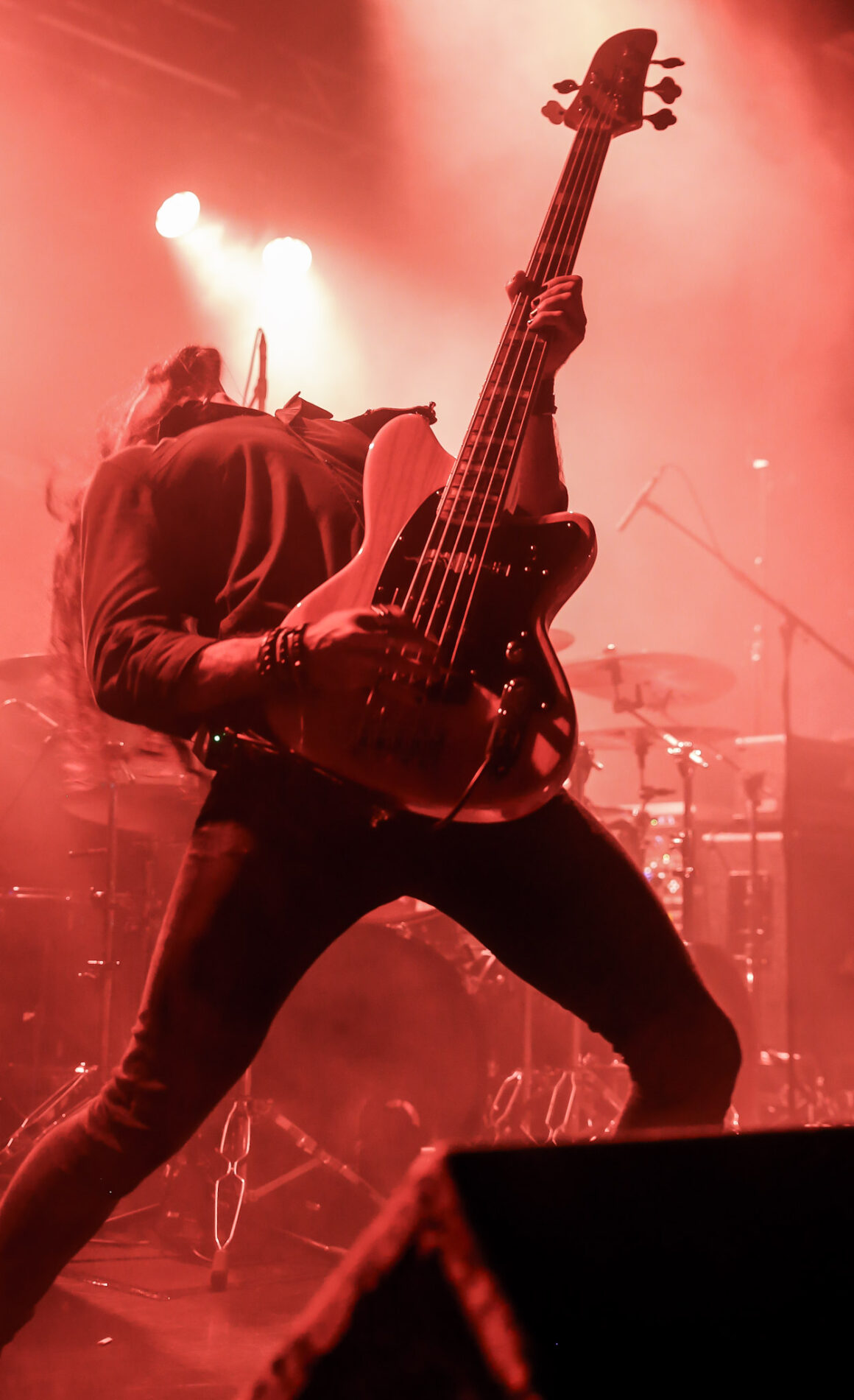
Over at the Roundhouse, Grave Miasma took that sense of atmosphere and pushed it into something far more oppressive. The venue itself became an active participant in the performance. Its circular architecture and natural reverb didn’t just amplify the band—they reshaped them, stretching their sound into something broader, more diffuse, yet paradoxically heavier.
From the outset, their murky, ritualistic approach to death metal felt less like a sequence of songs and more like a continuous mass. Notes bled into one another, riffs dissolving at the edges to form a dense, almost suffocating sonic fog. There was very little in the way of traditional structure to latch onto, and that seemed entirely intentional. Instead of guiding the audience through peaks and valleys, they submerged them in a constant state of tension.
Visually, the restraint only deepened the effect. Minimal movement, dim lighting, and an almost deliberate obscuring of individual presence shifted the focus entirely onto the sound itself. It created the impression that the band weren’t performing to the audience, but rather channeling something through the space.
The crowd responded in kind. Where other sets sparked movement, this inspired stillness. People stood, watched, absorbed—less reactive, more reverent. It felt less like a gig and more like witnessing a process, something unfolding on its own terms regardless of who was there to observe it.
As an early highlight of the Roundhouse, it demonstrated just how powerful the space could be when used for immersion rather than clarity—setting a benchmark that would loom over every set that followed in that venue.

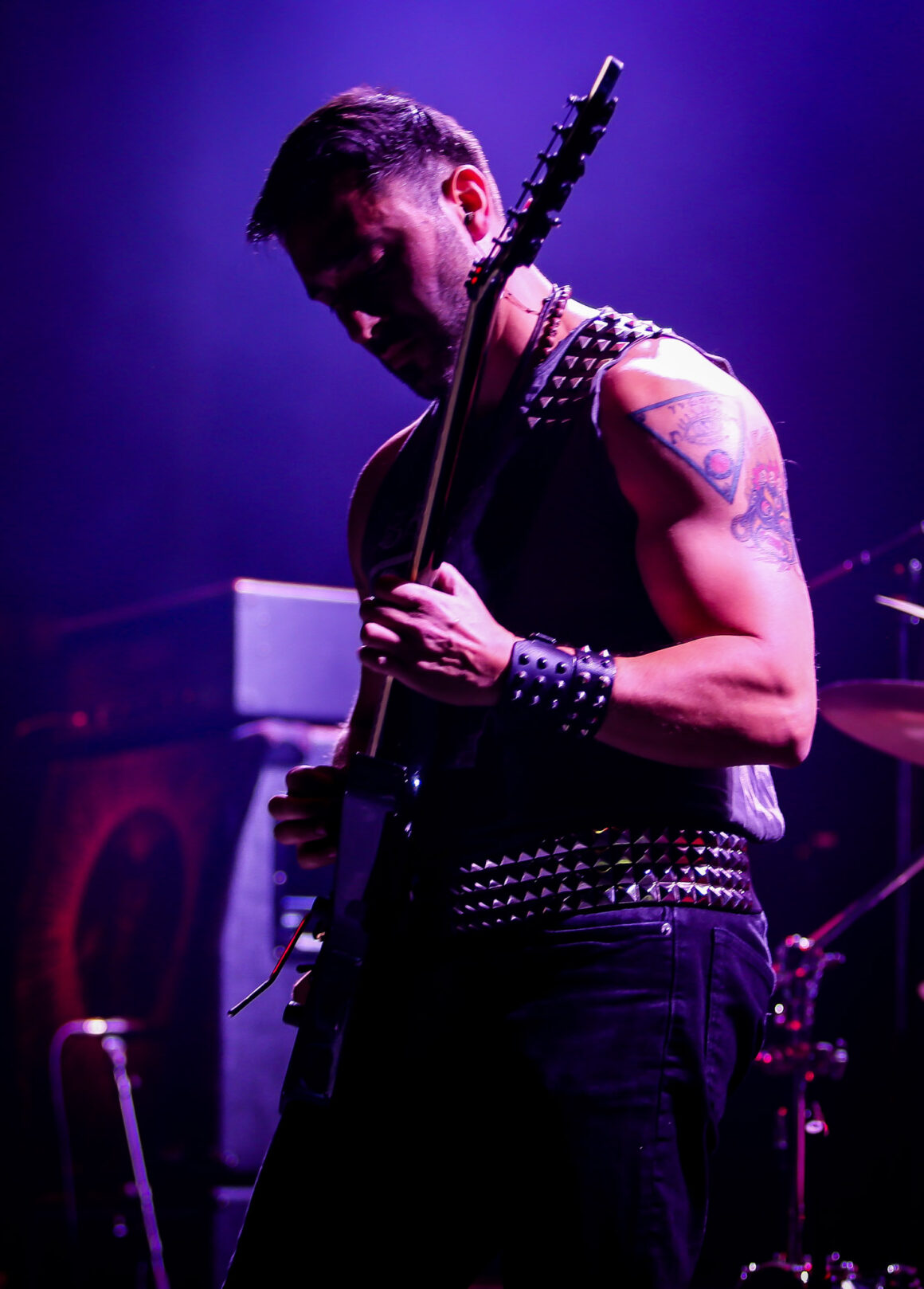
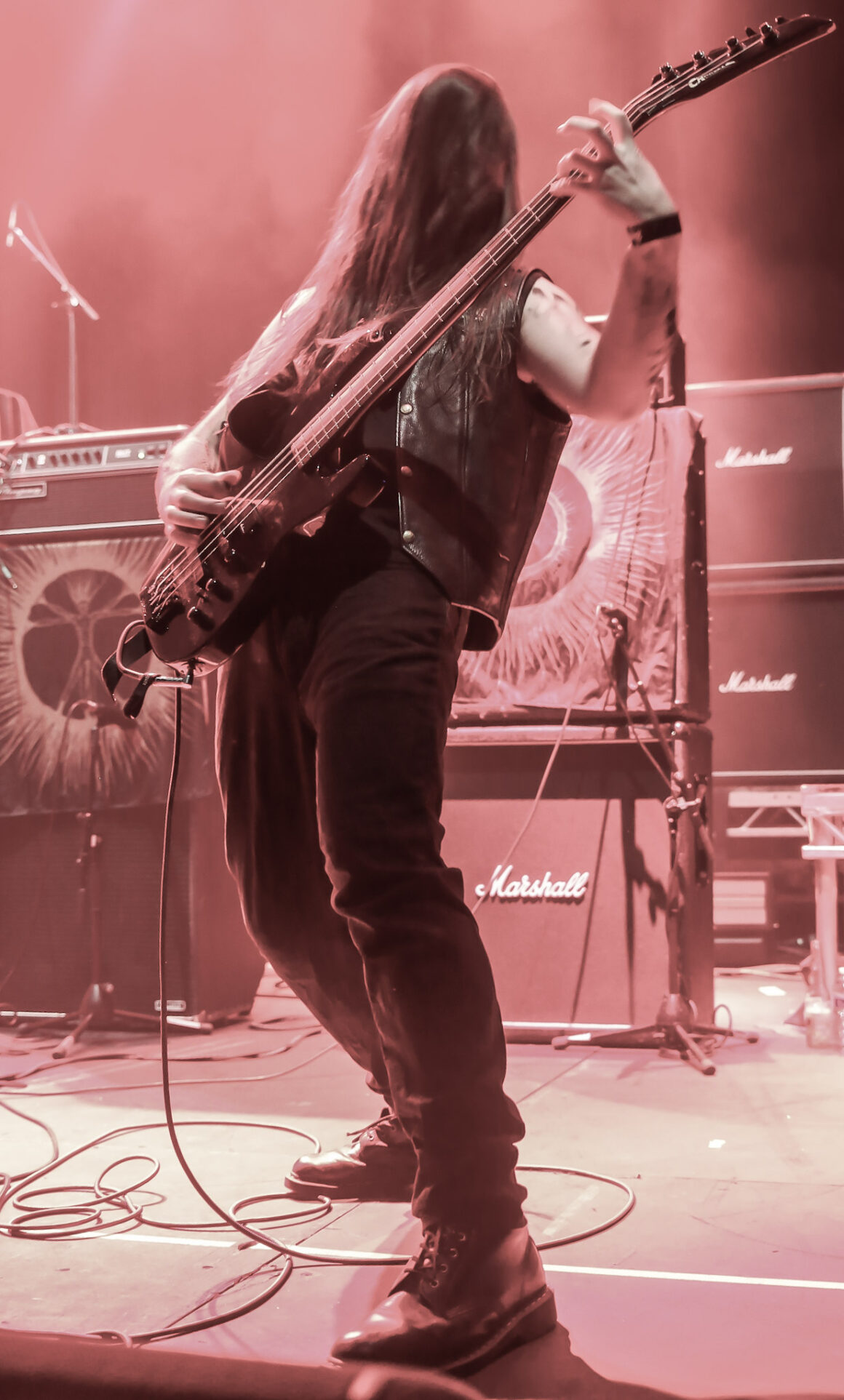
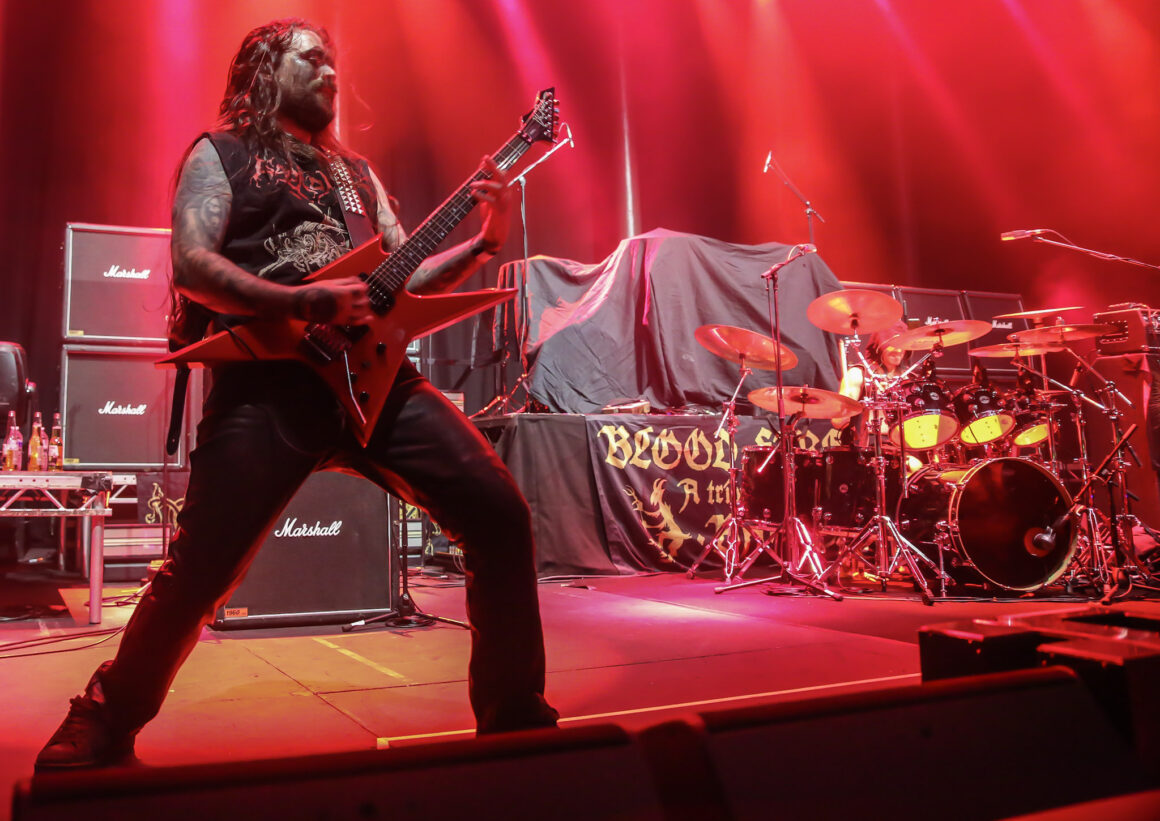
Back at the Ballroom, Vreid shifted the tone in a way that felt both unexpected and necessary. After a run of intensity that leaned toward the inward and the oppressive, their arrival injected a sense of movement—of groove, even—into the day’s trajectory.
From the moment they started, there was a looseness to their performance that stood in stark contrast to what had come before. This wasn’t about overwhelming the audience; it was about pulling them in. Their riffs carried a sense of swing, a forward momentum that encouraged participation rather than introspection. Heads nodded almost immediately, shoulders followed, and before long the entire room felt subtly reoriented.
That shift didn’t dilute their heaviness—it reframed it. The aggression was still there, but it was balanced with melody and pacing in a way that made the set feel dynamic rather than relentless. They knew exactly when to push and when to pull back, allowing space for the crowd to breathe without ever letting the energy drop entirely.
There was also a confidence to their stage presence that only comes with experience. They played with the room rather than at it, engaging directly without feeling forced or performative. That connection turned the set into something communal—a shared moment rather than a one-sided display.
By the end, the Ballroom felt transformed. What had been intense was now energised, what had been inward-facing was now outward-looking. It wasn’t the most punishing set of the day, but it may well have been one of the most important in terms of pacing—providing a release valve that kept the festival from tipping into monotony.
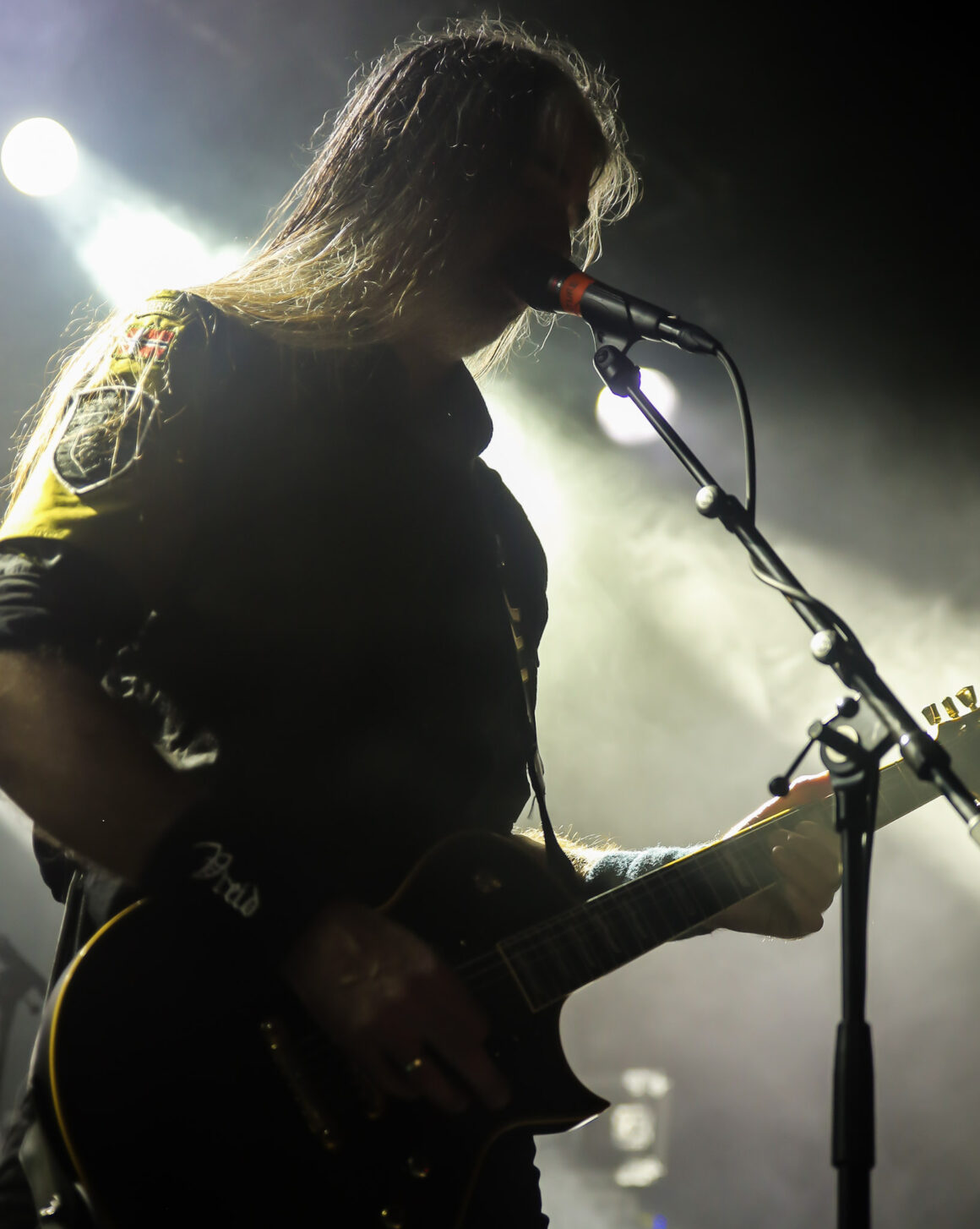
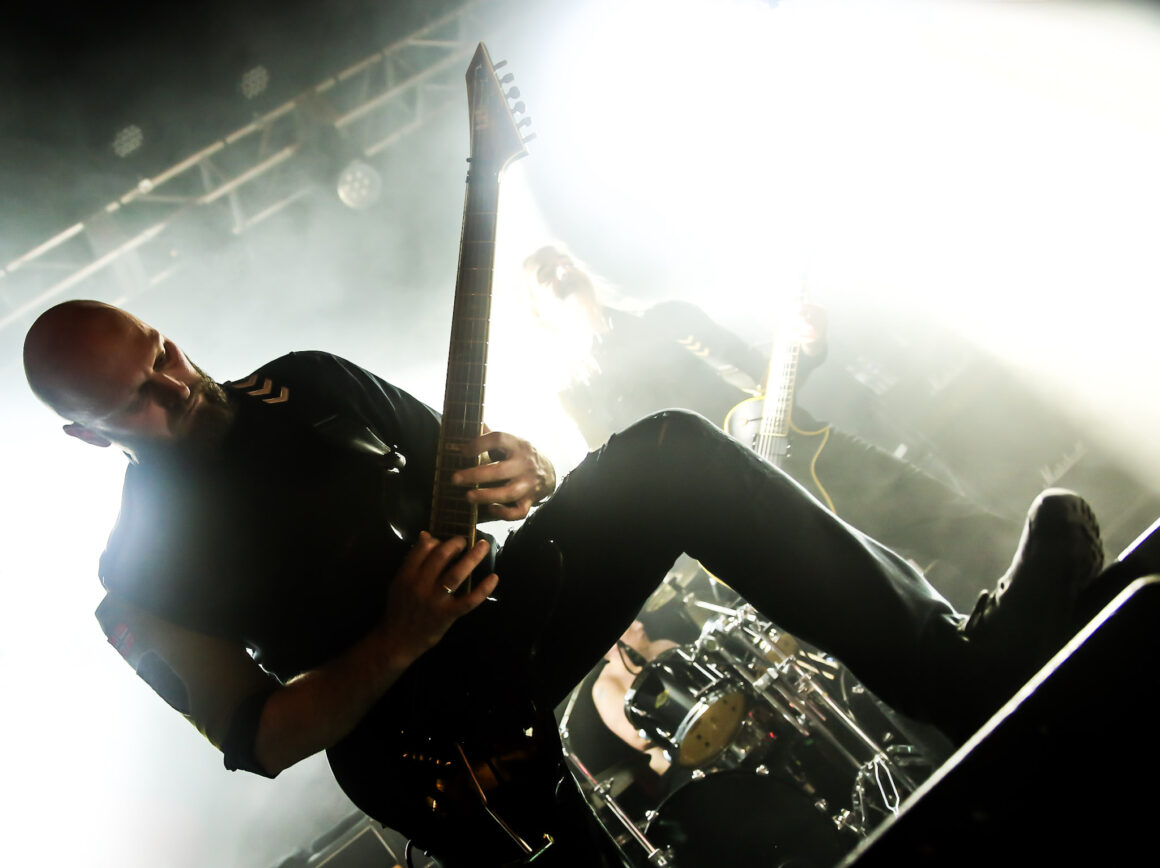
Vomitory wasted no time in stripping things back to fundamentals. Where previous acts had played with atmosphere, dynamics, or texture, this was pure impact—direct, immediate, and unapologetically straightforward.
They launched into their set with no preamble, no buildup—just a wall of sound that hit the Ballroom like a battering ram. The effect was instantaneous. Any lingering subtlety in the room vanished, replaced by a surge of kinetic energy that spread through the crowd almost on instinct.
The pit became a focal point almost immediately, expanding and contracting in waves as the band powered through their setlist. It wasn’t chaotic for the sake of it—it had a rhythm, a push-and-pull that mirrored the band’s relentless pacing.
What made the set particularly effective was its clarity of purpose. There was no attempt to innovate or experiment—they knew exactly what they were there to do and executed it with precision. Every riff landed cleanly, every transition felt tight, and the sheer consistency of their delivery gave the performance a sense of momentum that never faltered.
In a lineup that often leaned toward the complex or the atmospheric, Vomitory’s commitment to simplicity felt almost radical. It was a reminder that extremity doesn’t always need layers—it can be just as powerful when stripped back to speed, volume, and intent.
By the time they finished, the set felt like it had passed in a blur—over almost as soon as it began—but the impact lingered, etched into the room through sheer force.
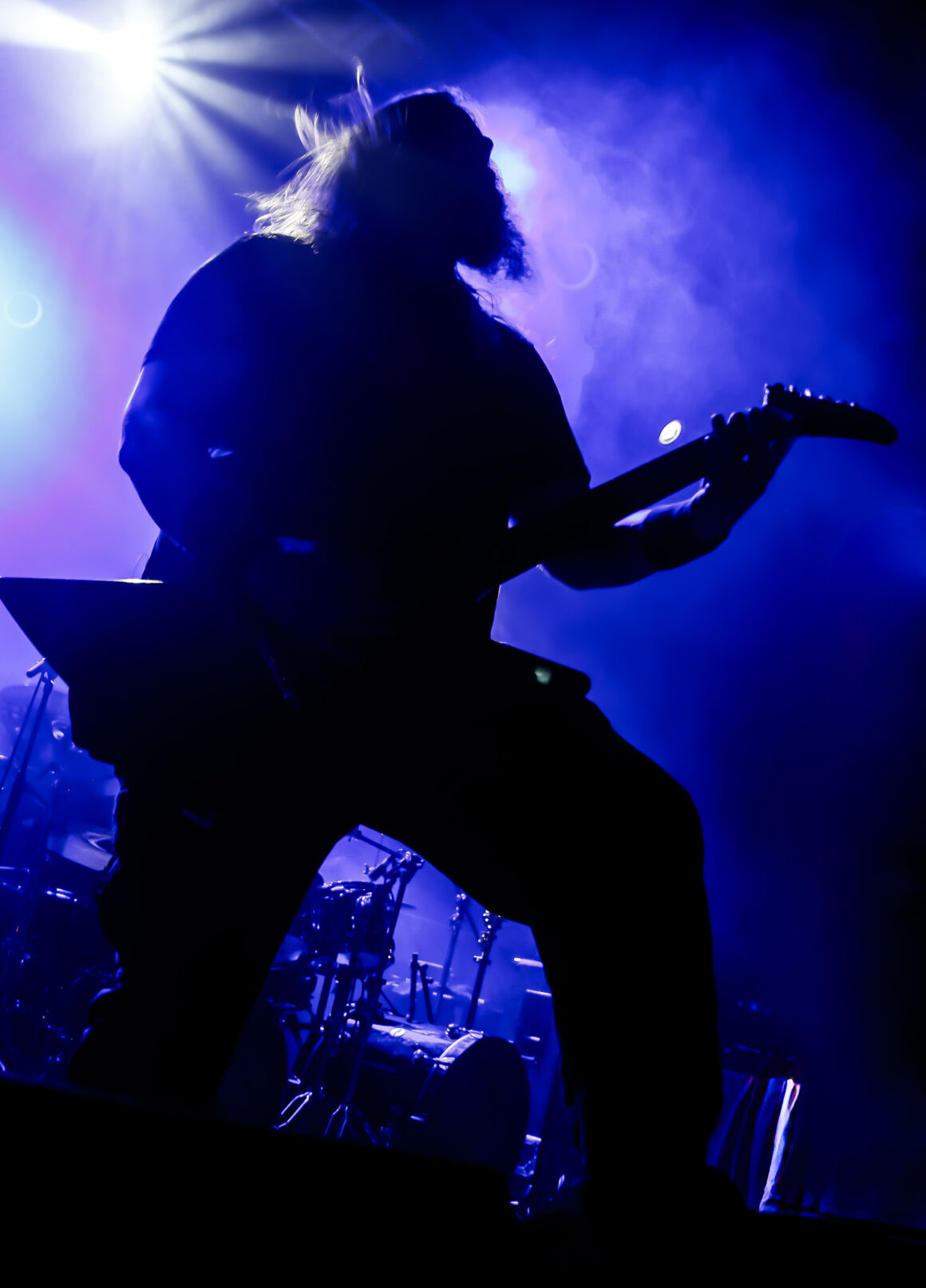
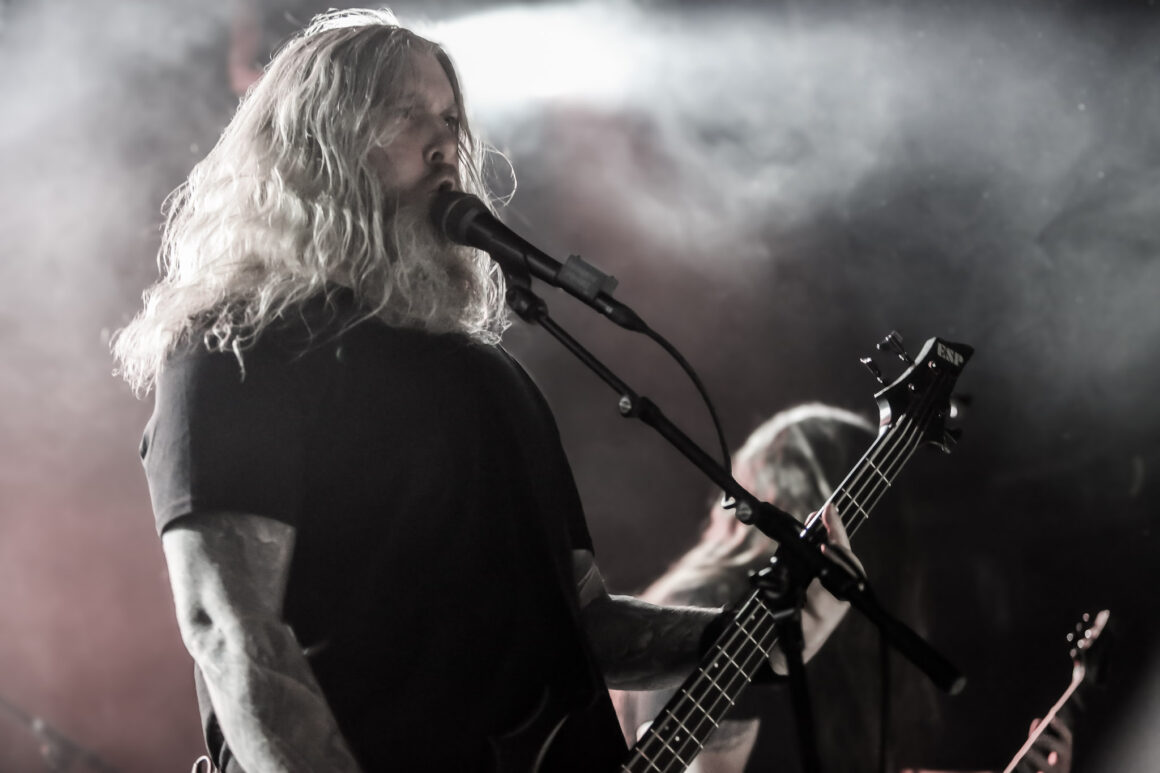
Dragged Into Sunlight took everything familiar about live performance and dismantled it piece by piece. From the outset, their rejection of traditional stagecraft was absolute. Performing in near-total darkness, often with their backs turned, they removed the usual focal points entirely, forcing the audience to engage with the sound on its own terms.
That sound was overwhelming—an unrelenting collision of black metal, death metal, and noise that refused to settle into anything easily digestible. Riffs appeared and disappeared in jagged fragments, rhythms lurched between precision and collapse, and any sense of structure felt deliberately obscured.
Yet beneath that apparent chaos was a form of control—subtle, but unmistakable. The shifts weren’t random; they were calculated, designed to destabilise without completely disorienting. It created a tension that ran through the entire set, a constant sense that things were on the verge of falling apart but never quite did.
The audience response mirrored that uncertainty. Movement slowed, the pit dissipated, and what had been a highly reactive crowd became something quieter, more introspective. It wasn’t disengagement—it was absorption. People weren’t participating in the usual sense; they were enduring, processing, trying to make sense of what they were hearing.
It felt less like a concert and more like an experience—something to be navigated rather than enjoyed in a conventional way. And that was precisely what made it so effective. In refusing to meet expectations, they created something far more memorable than if they had simply delivered another high-intensity set.
By the end, the room felt drained—not in a negative sense, but in the way something leaves a mark. It was one of the most challenging performances of the day, and easily one of the most distinctive.
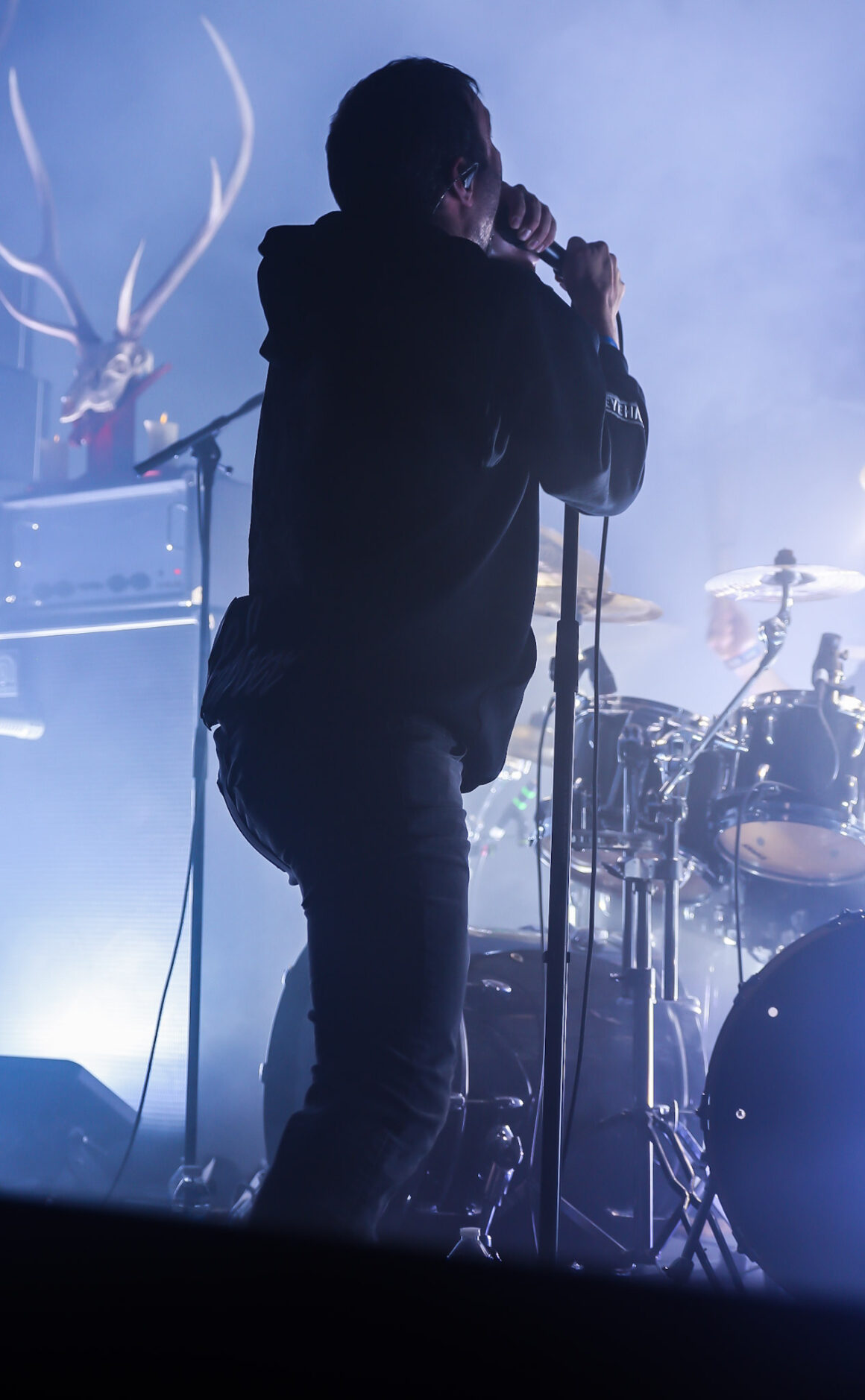
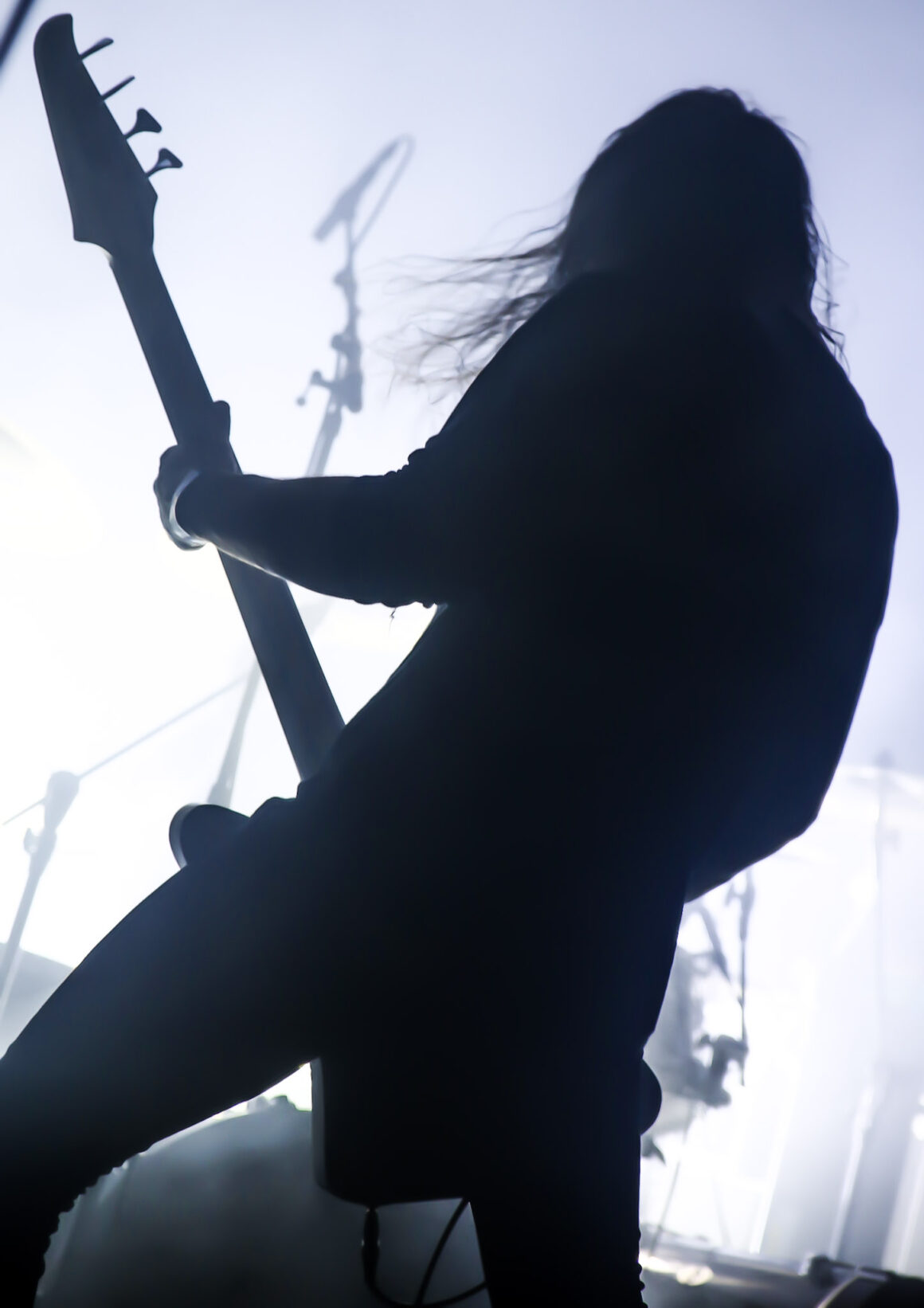
At the Roundhouse, Grave delivered a set that leaned fully into the fundamentals of old-school death metal—weight, groove, and an unpretentious sense of purpose—while letting the venue’s scale reshape those elements into something far more expansive than their raw components might suggest.
From the outset, there was no ambiguity in intent. Grave’s sound is rooted in physicality: thick, down-tuned riffs, deliberate pacing, and a rhythmic emphasis that prioritises impact over speed. Live, that translated into something deeply grounded. Each chord landed with a heaviness that felt anchored, refusing to rush, instead allowing the weight of each passage to fully settle before moving forward.
What made this particularly effective in the Roundhouse was how that grounded approach interacted with the space itself. Where faster or more chaotic bands often dissolve into the venue’s natural reverb, Grave’s slower, groove-driven structures gave the sound room to expand without losing definition. Riffs didn’t blur—they stretched. The natural acoustics added depth rather than distortion, turning what might have felt blunt in a smaller venue into something broader and more immersive.
There was a confidence in their restraint. They didn’t chase intensity through speed or technicality; instead, they let repetition and groove do the work. Patterns locked in and cycled with a hypnotic quality, drawing the crowd into a steady, almost involuntary movement. Heads nodded in unison, bodies swayed—not explosively, but with a kind of collective weight that mirrored the band’s pacing.
Visually, the performance was straightforward, almost stripped back. No elaborate staging, no forced theatrics—just a band comfortable in their identity, letting the music carry the experience. That lack of embellishment worked in their favour. It reinforced the sense that what mattered was the sound itself, not how it was presented.
The crowd response reflected that clarity. Rather than the chaotic surges seen elsewhere, the energy here was more consistent, more grounded. Movement in the pit came in rolling waves rather than sudden bursts, driven by groove rather than sheer aggression. It created a different kind of intensity—less volatile, but no less engaging.
There were moments where the set seemed to blur into itself, transitions between songs feeling almost seamless due to the consistency of tone and tempo. But rather than becoming monotonous, it built a cumulative effect. Each track added another layer of weight, another cycle of repetition, until the set as a whole felt cohesive rather than segmented.
By the latter half, that approach had fully taken hold. The audience wasn’t reacting to individual moments so much as inhabiting the overall flow of the performance. It became less about standout peaks and more about sustained immersion—a steady descent into something heavy, rhythmic, and unrelenting in its own measured way.
As the set drew to a close, there was no dramatic shift in tone—no sudden escalation or theatrical finale. Instead, it resolved in the same manner it had progressed: deliberately, confidently, and without excess. The final notes didn’t feel like a climax so much as a natural endpoint, the logical conclusion of everything that had come before.
In the context of the day, Grave’s performance stood out not by pushing boundaries, but by reinforcing them. It was a reminder of the enduring power of simplicity when executed with conviction. In a lineup filled with experimentation, atmosphere, and abstraction, they offered something solid and immediate—a core around which the more extreme edges of the festival could orbit.
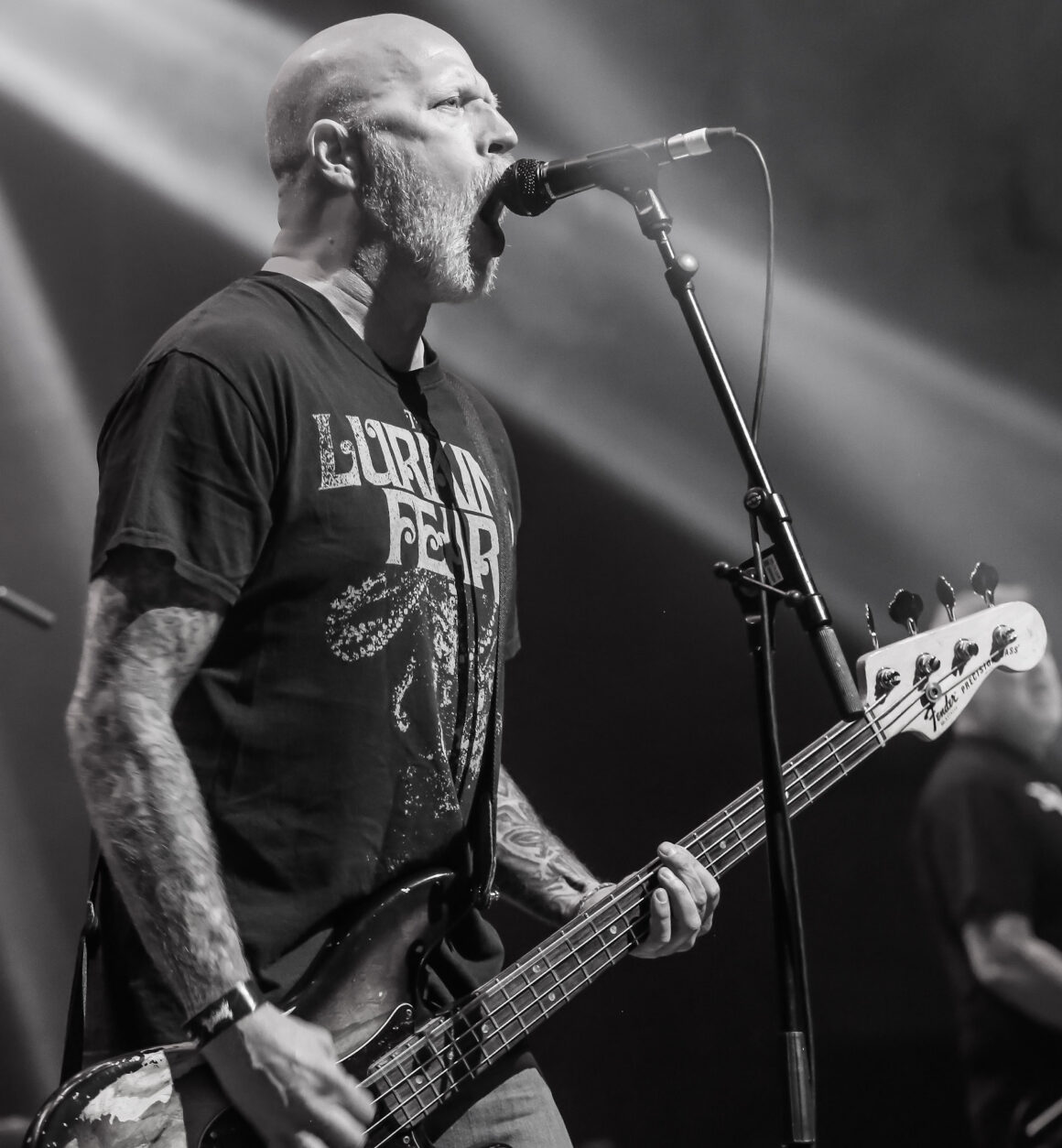
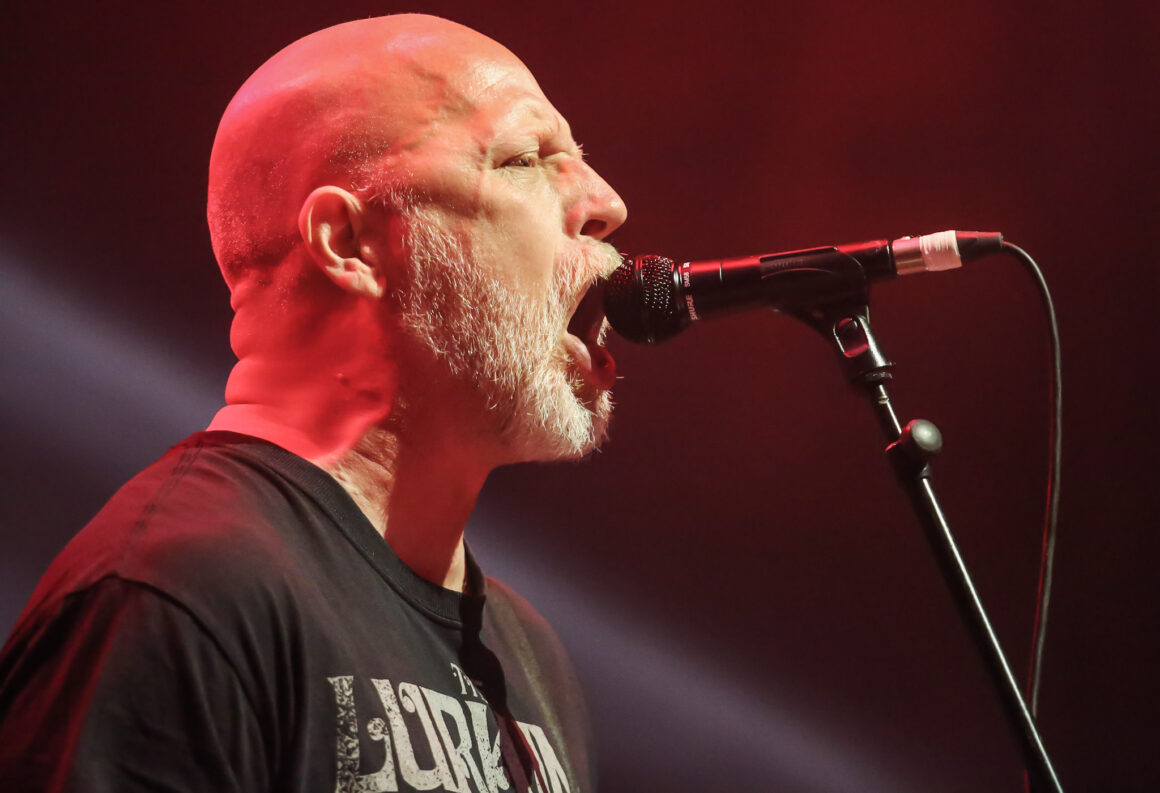
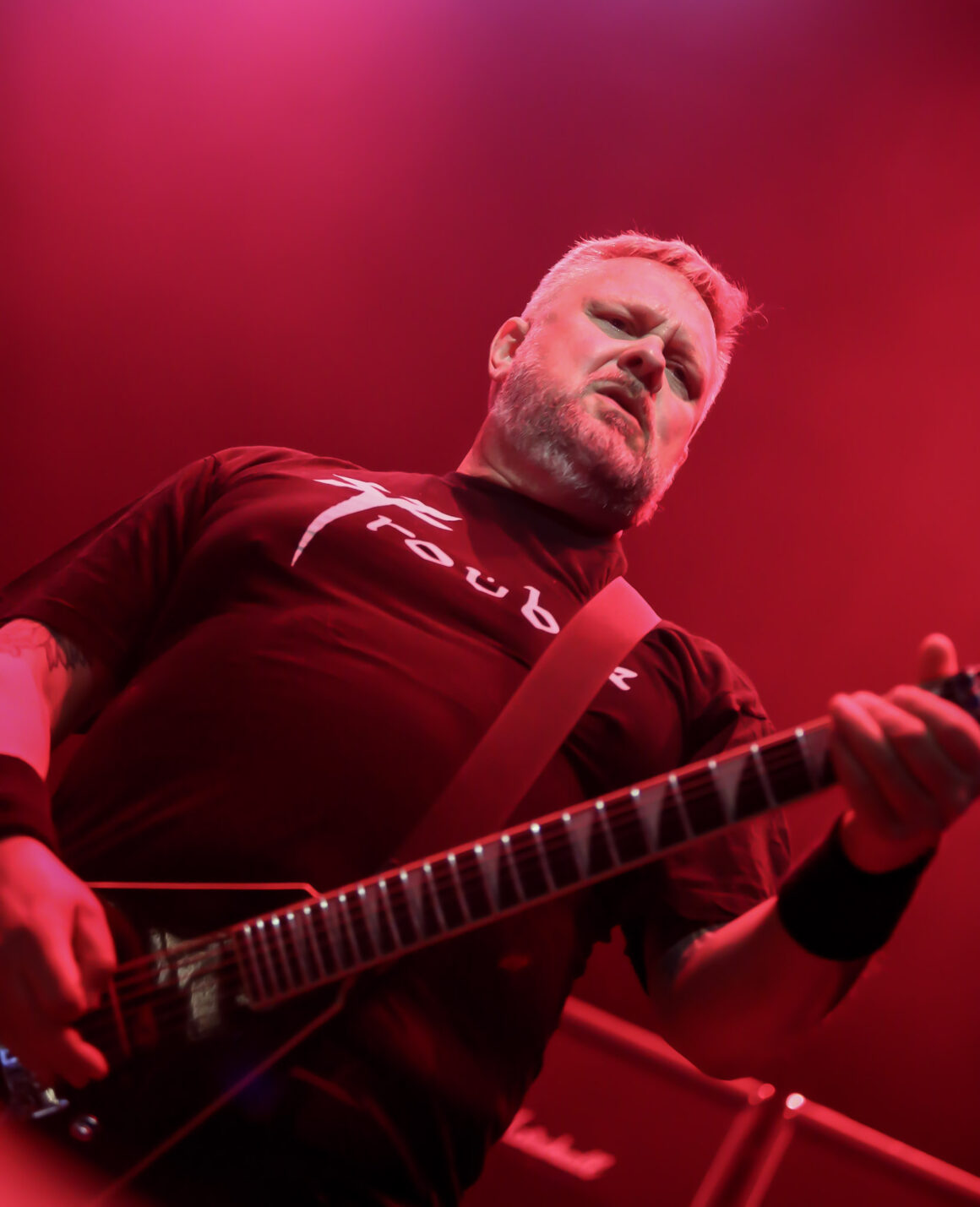
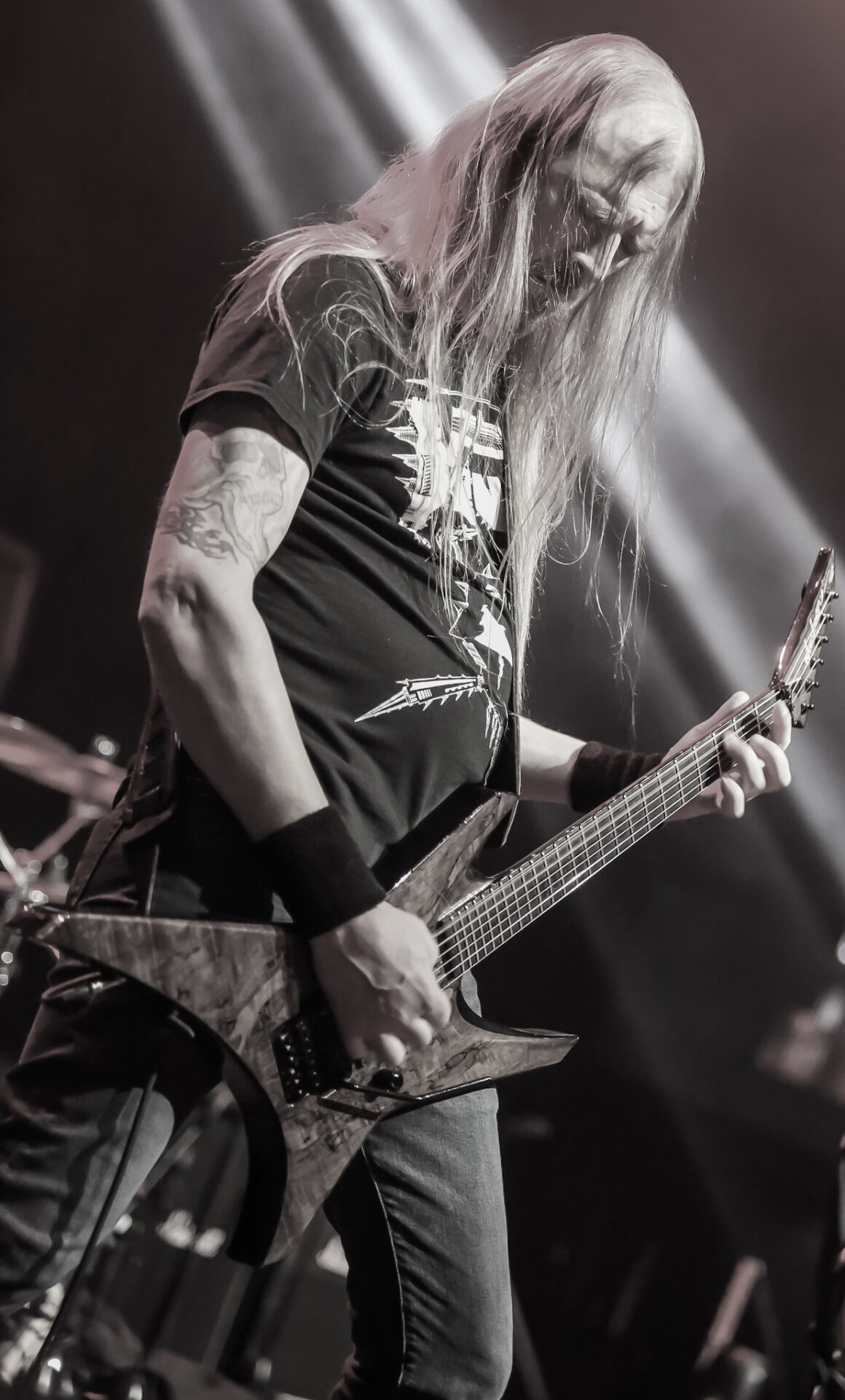
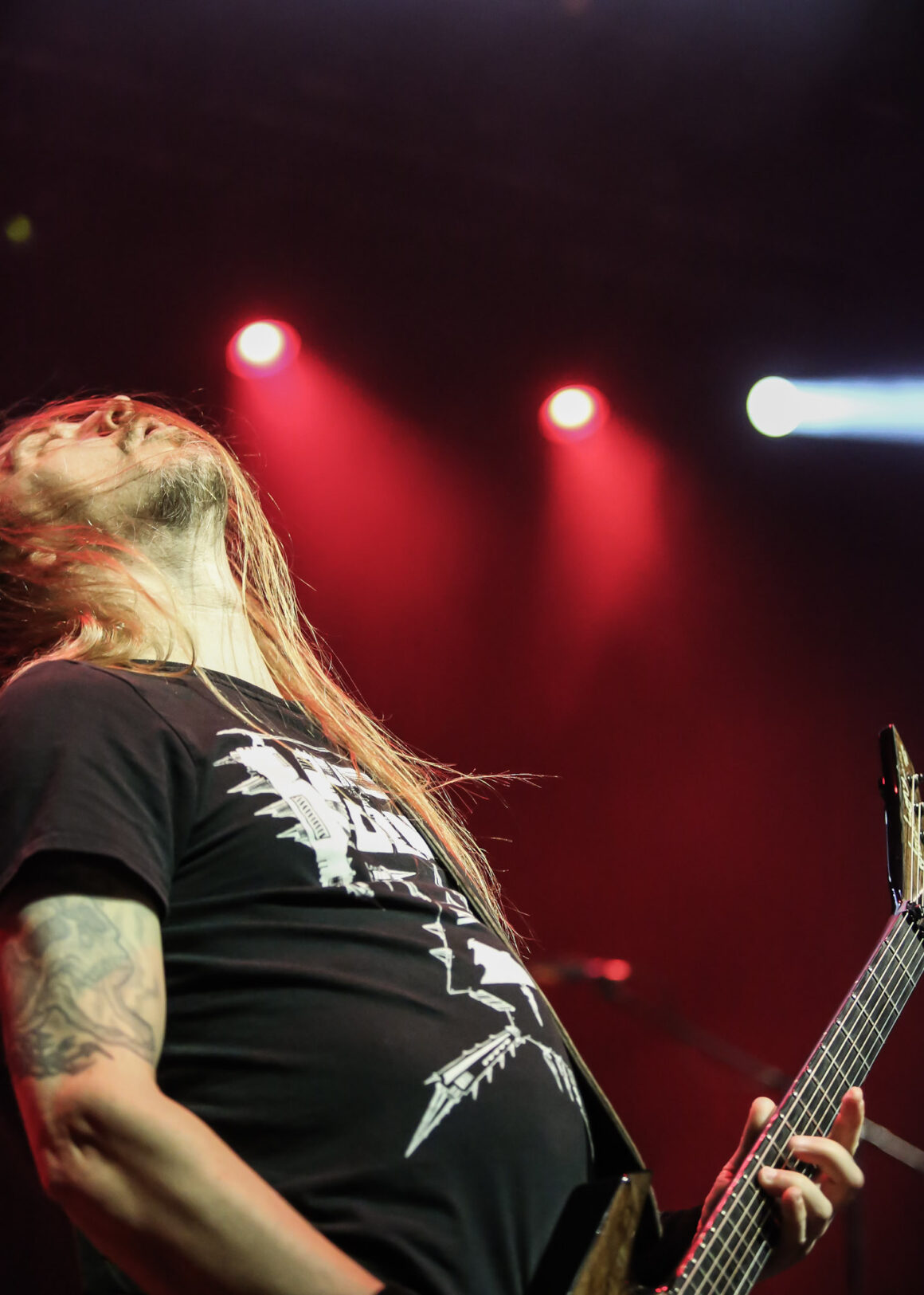
Closing the Ballroom, Hypocrisy brought a sense of resolution that felt both earned and necessary. By this stage, fatigue had begun to settle in—hours of movement, volume, and intensity taking their toll—but their set was structured in a way that worked with that, rather than against it.
From the outset, their melodic sensibilities cut through the density of the mix, offering something immediate and accessible for the crowd to latch onto. It didn’t dilute their heaviness; instead, it sharpened it, giving the aggression a clearer shape and direction.
Their pacing was particularly effective. Rather than maintaining a constant level of intensity, they alternated between more aggressive tracks and those with broader, more anthemic appeal. That ebb and flow created a sense of progression within the set itself, mirroring the arc of the entire day.
The crowd responded accordingly. Where earlier sets demanded energy, this one invited release. People sang along, moved more freely, and embraced the moment with a sense of collective closure. It felt less like a test of endurance and more like a reward for having made it this far.
There was also a confidence in their delivery that anchored the performance. Every transition felt deliberate, every moment placed with purpose. It wasn’t just a closing set—it was a culmination, pulling together the various strands of the day into something cohesive.
By the time they finished, the Ballroom felt complete—exhausted, but fulfilled.
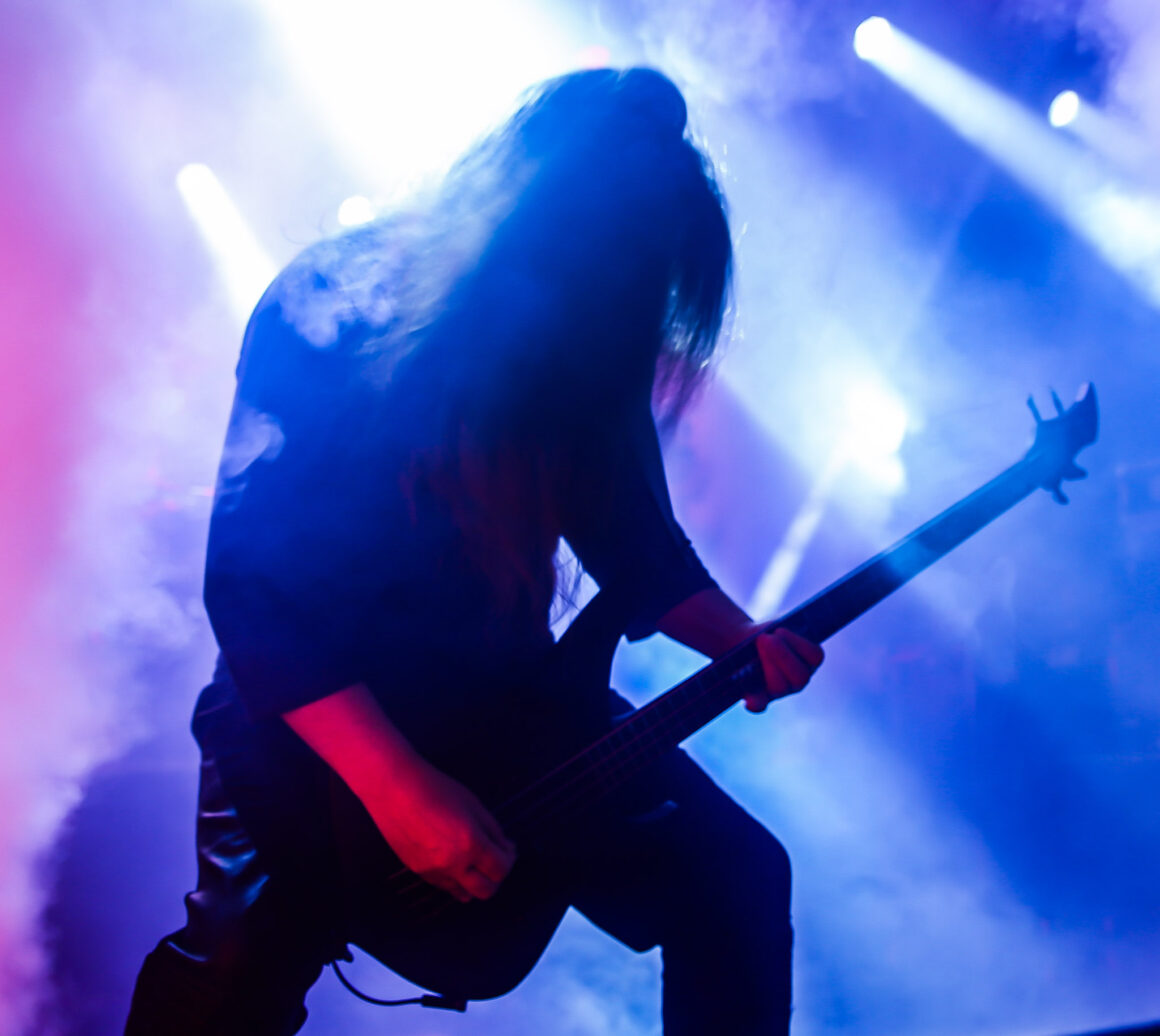
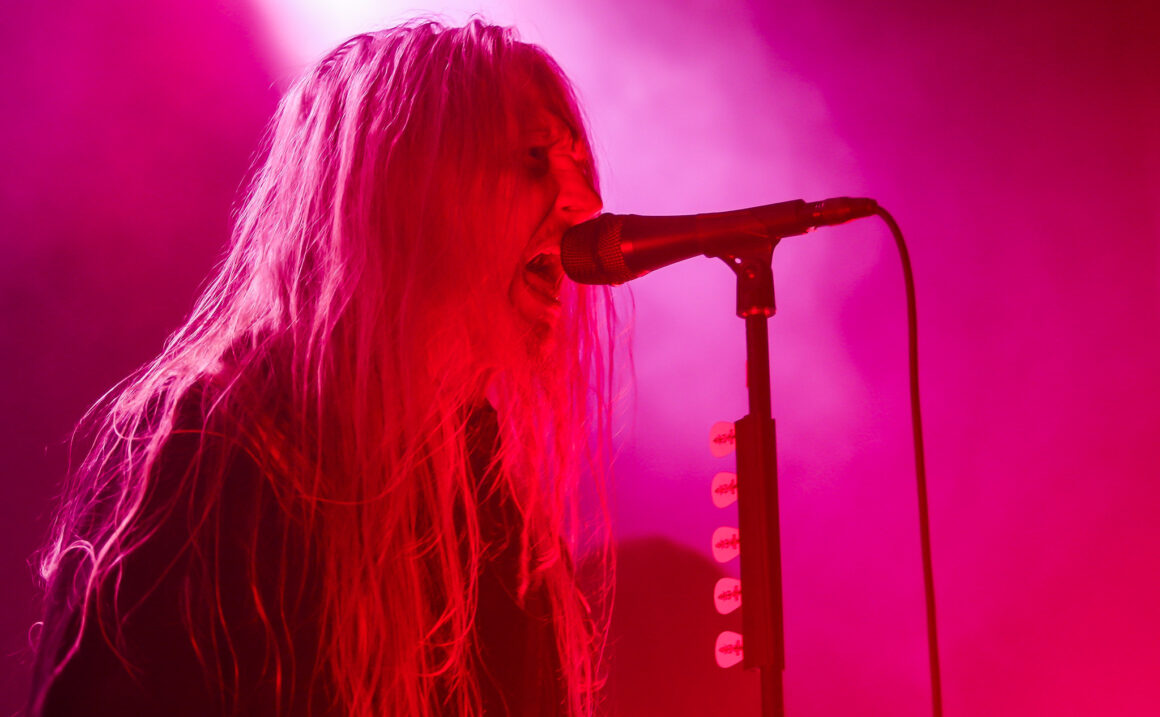
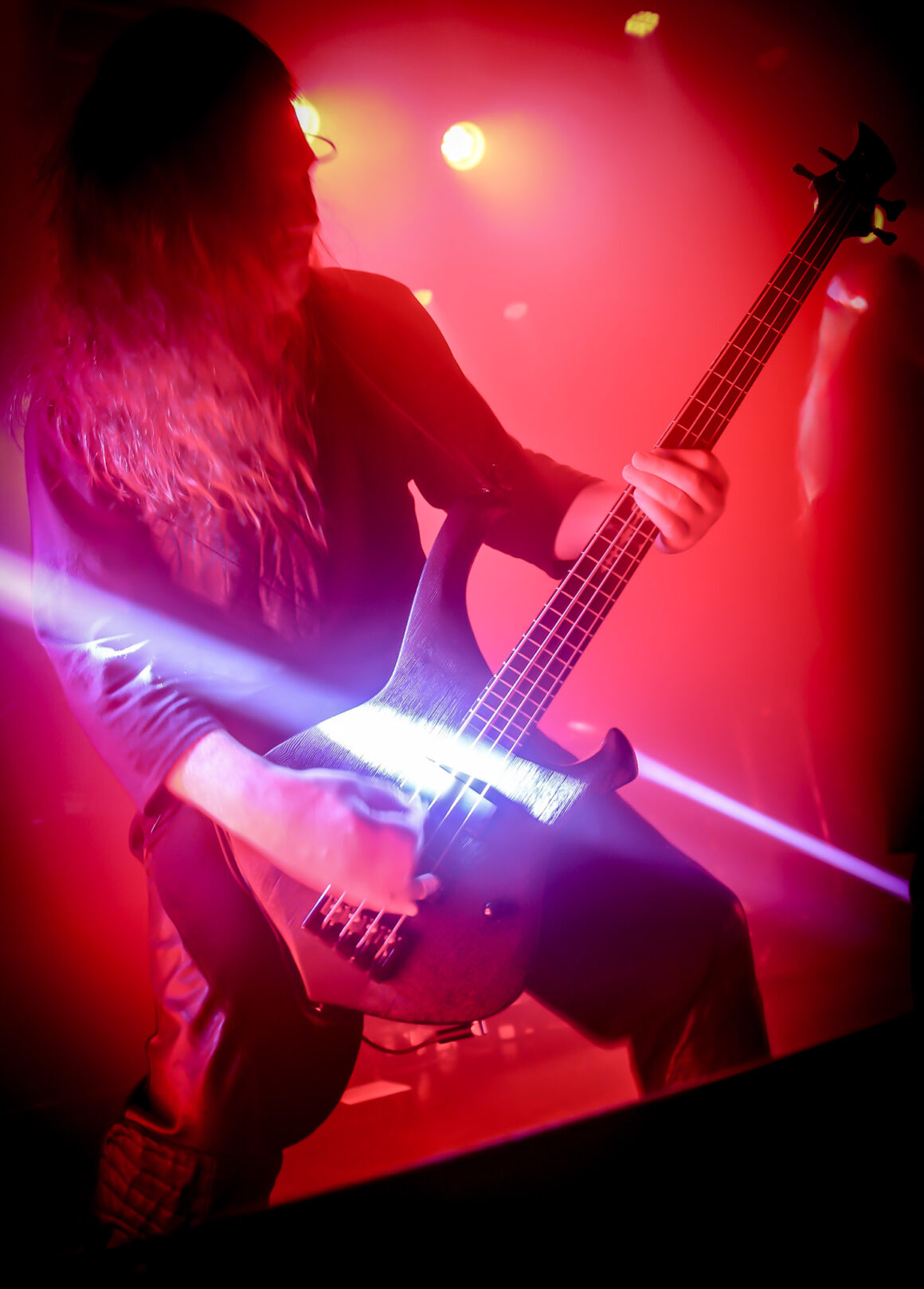
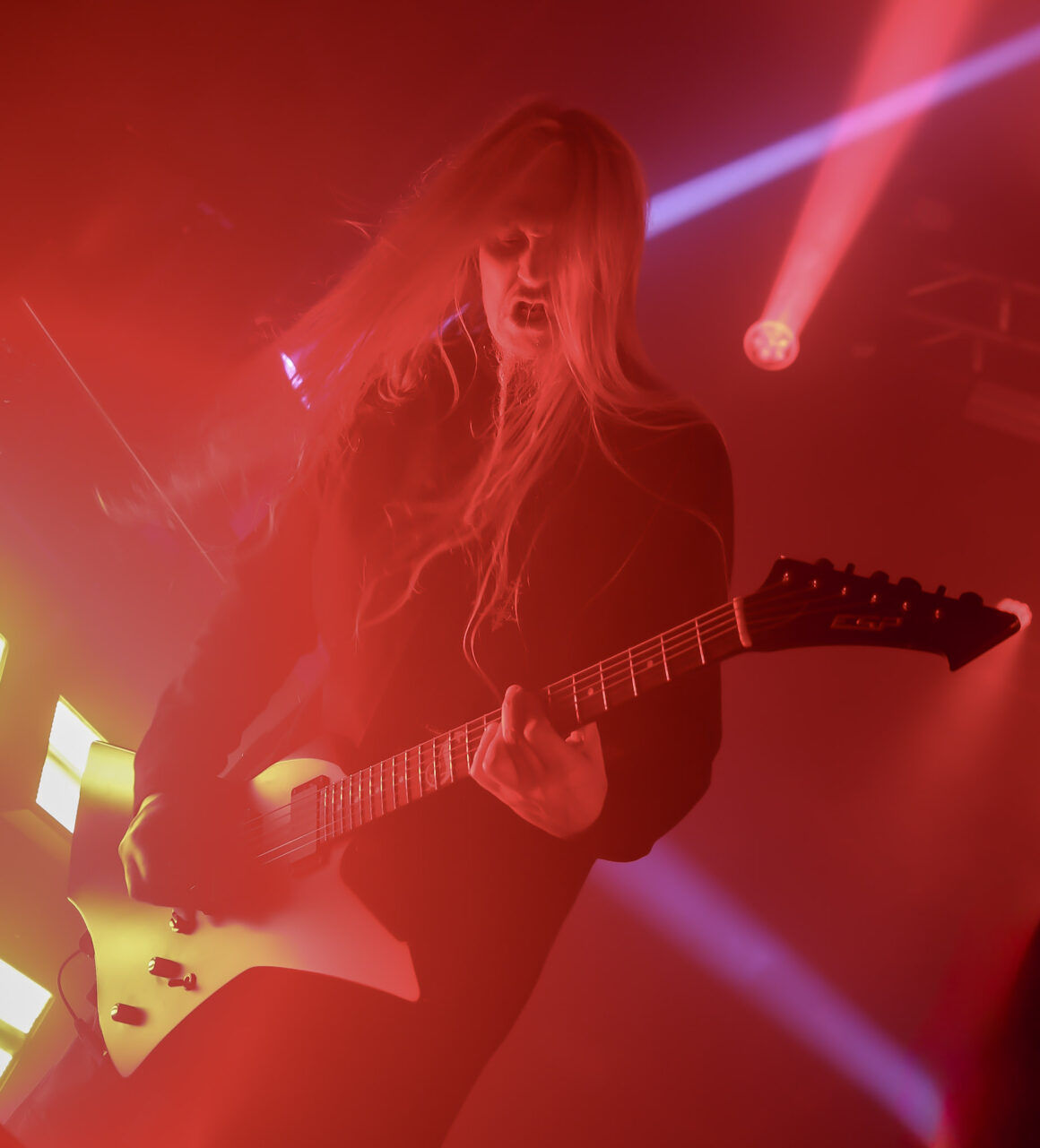
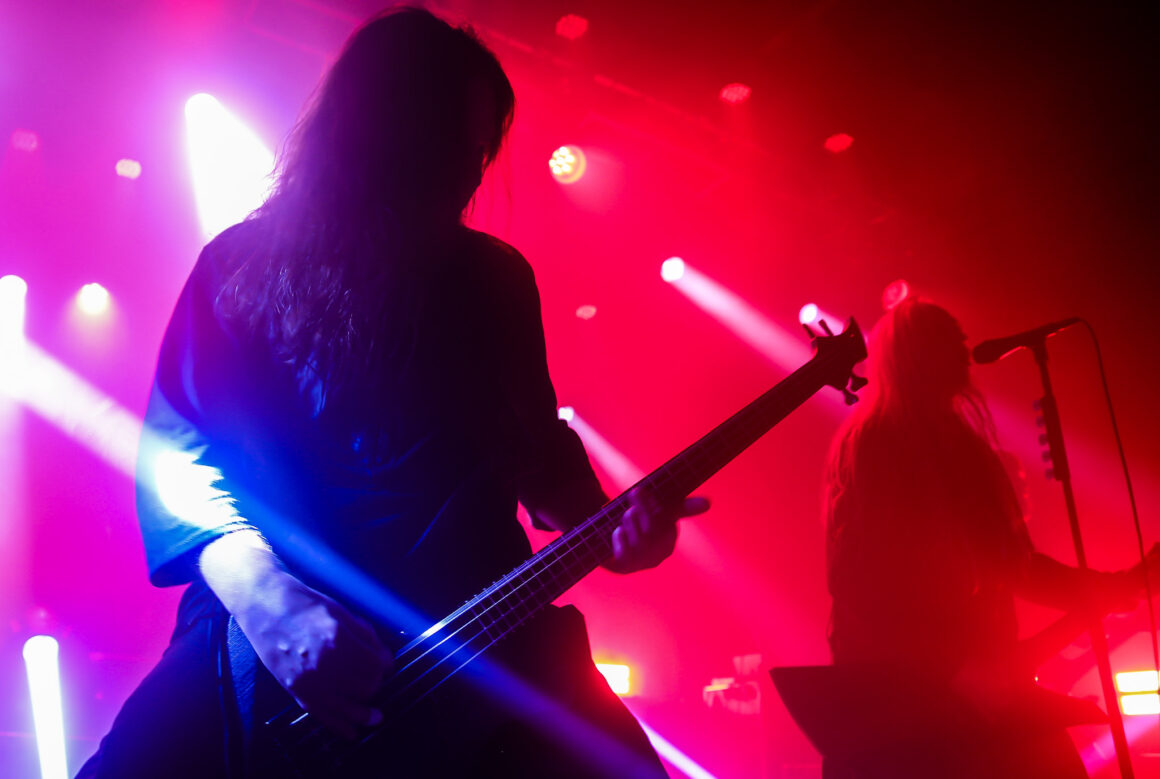
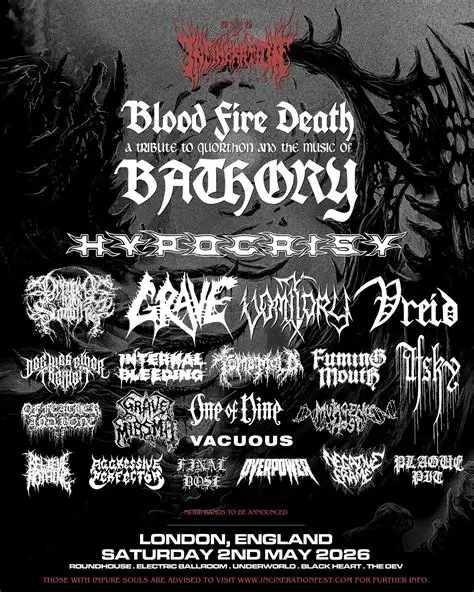
Headlining the Roundhouse, Blood Fire Death delivered a performance that operated on an entirely different scale. Rather than aiming for immediacy or impact, they leaned into something broader—something ceremonial.
Drawing from Bathory’s most expansive material, the set unfolded with a deliberate sense of pacing. It wasn’t about individual songs so much as the cumulative effect, each piece feeding into the next to create a continuous atmosphere.
The rotating vocal approach played a key role in that. With Erik Danielsson, Apollyon, Ghaal and Attila Csihar each taking turns, the material was constantly being reframed. No single voice dominated, and that gave the performance a sense of fluidity—an evolving interpretation rather than a fixed presentation.
The Roundhouse amplified everything. Its acoustics stretched the sound outward, giving each note a sense of space that bordered on overwhelming. Riffs didn’t hit—they expanded, filling the room in a way that emphasised scale over precision.
Where earlier sets thrived on intensity, this thrived on atmosphere. It demanded patience, asking the audience to settle into its pace rather than chase immediate gratification. And in doing so, it achieved something rare: a closing performance that didn’t just end the festival, but recontextualised it.
By the final moments, it felt less like something had been performed and more like something had passed through the space—leaving behind a lingering sense of weight and finality that carried well beyond the last note.
What ultimately defines Incineration Festival isn’t just the performances, but how they interact. Movement between venues creates a shifting, personal experience shaped by choice and chance. You miss things, double back, catch fragments—but that fragmentation is part of the design.
Camden itself becomes an extension of the festival, blurring the line between event and environment. By the end, it feels less like something attended and more like something inhabited.
What remains is not a single narrative, but an impression—layered, chaotic, and deeply immersive. That’s what gives Incineration its staying power.
See you next year, Camden.