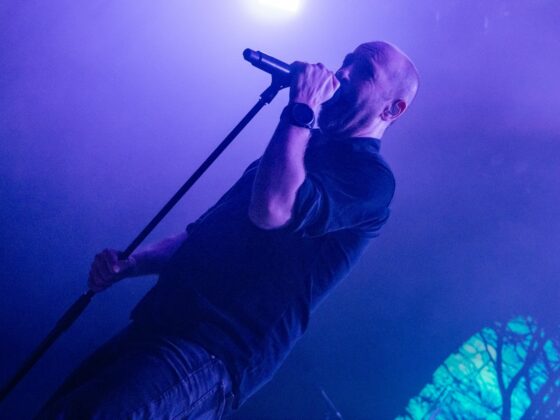
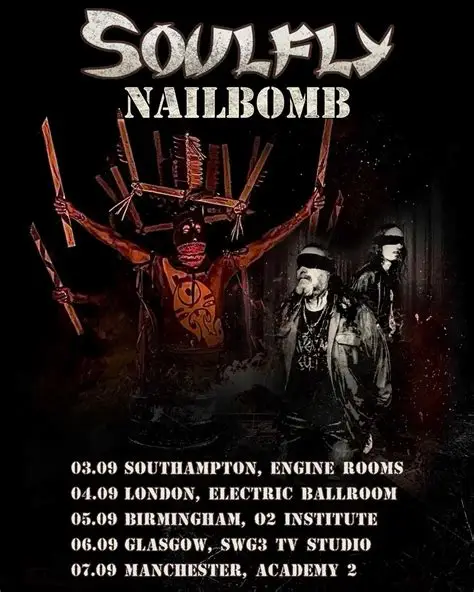
Manchester has never been a city that needs much encouragement to embrace a night of heavy music, but there was something particularly ferocious about the prospect of Soulfly, Nailbomb and Exorcism sharing a bill. Three bands, three very different takes on extreme metal, and one common denominator running through the two main events: Max Cavalera.
On paper, it was an intriguing combination. Soulfly have spent decades developing their own distinctive blend of Groove Metal, Thrash, Hardcore and Tribal influences, while Nailbomb occupies a much darker, more abrasive corner of the Cavalera catalogue. Exorcism, meanwhile, provided the perfect opportunity to kick the evening into gear before the main events took over.
What made the night particularly interesting was that there wasn’t really a sense that the crowd had turned up simply to see Soulfly. Nailbomb had every bit as much, if not more, anticipation surrounding them, and you could see that before either band had played a note. Walking around the venue, Nailbomb shirts seemed to be everywhere. In fact, there appeared to be more Nailbomb merchandise being worn in the crowd than Soulfly gear, which said quite a lot about the anticipation for the project. The merch stand itself backed that up, with several Nailbomb shirts selling out during the evening. For a band whose recorded output is comparatively limited, the level of enthusiasm was remarkable, and there was a real sense that people understood they were witnessing something that doesn’t come around very often.
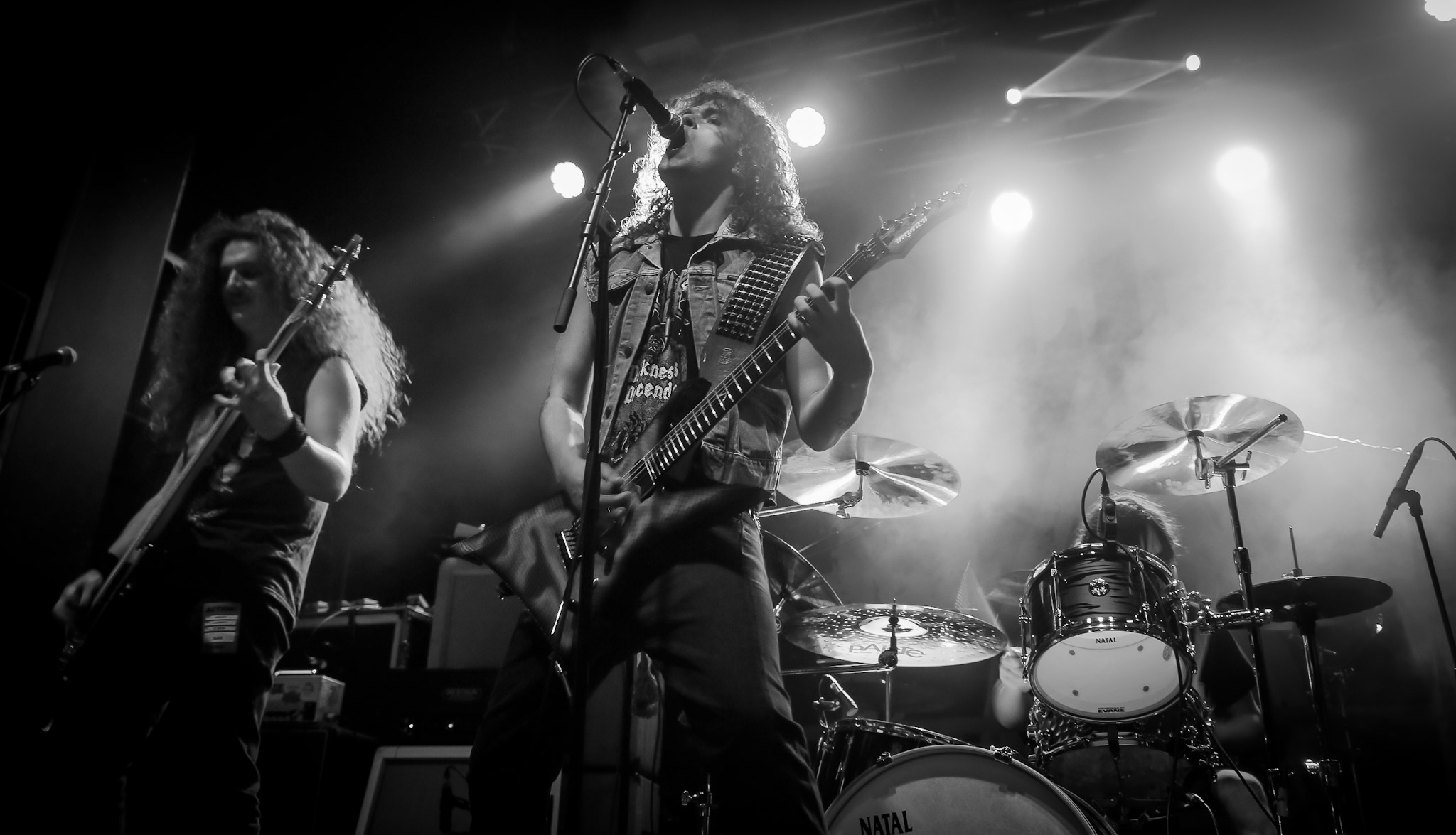
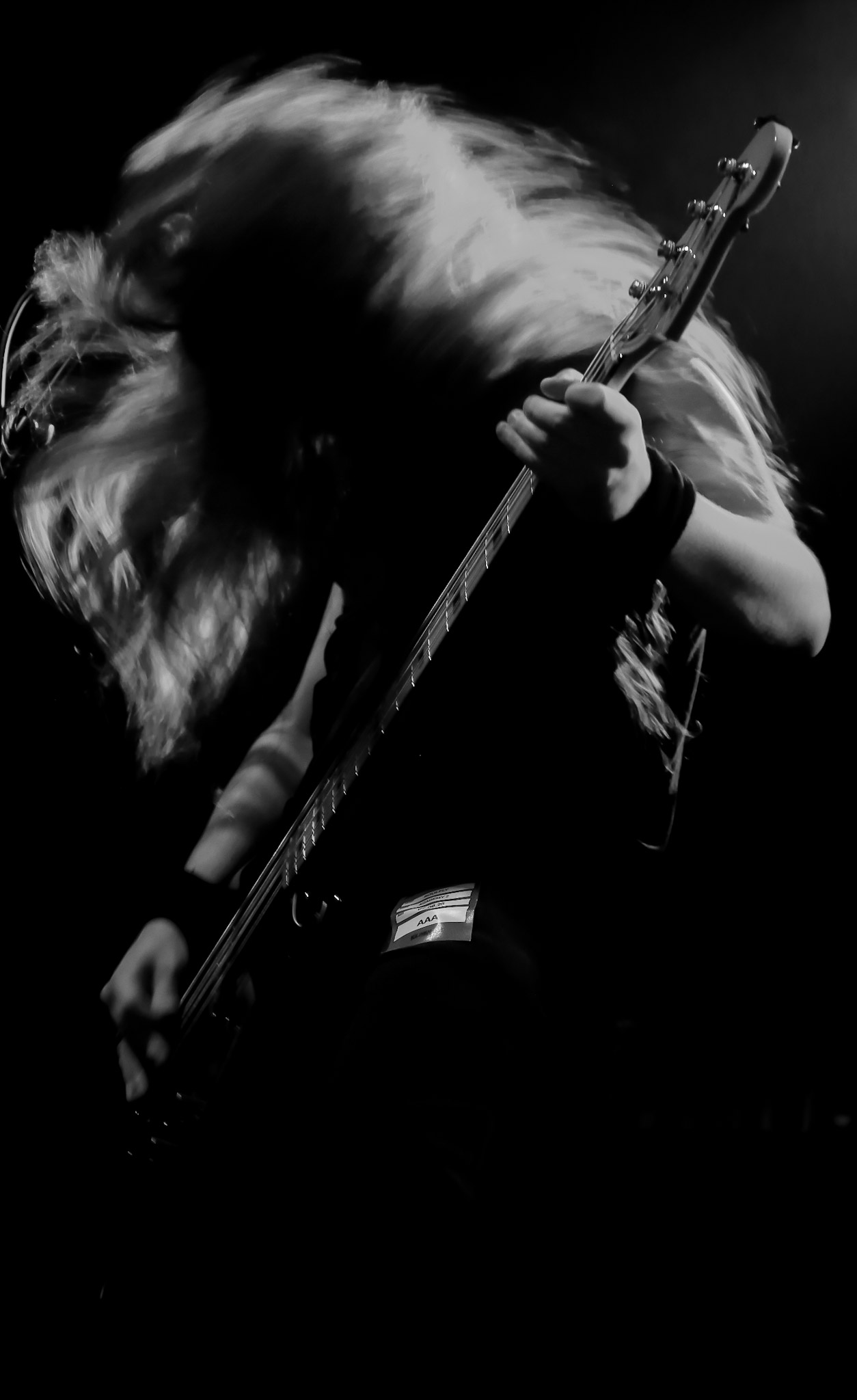
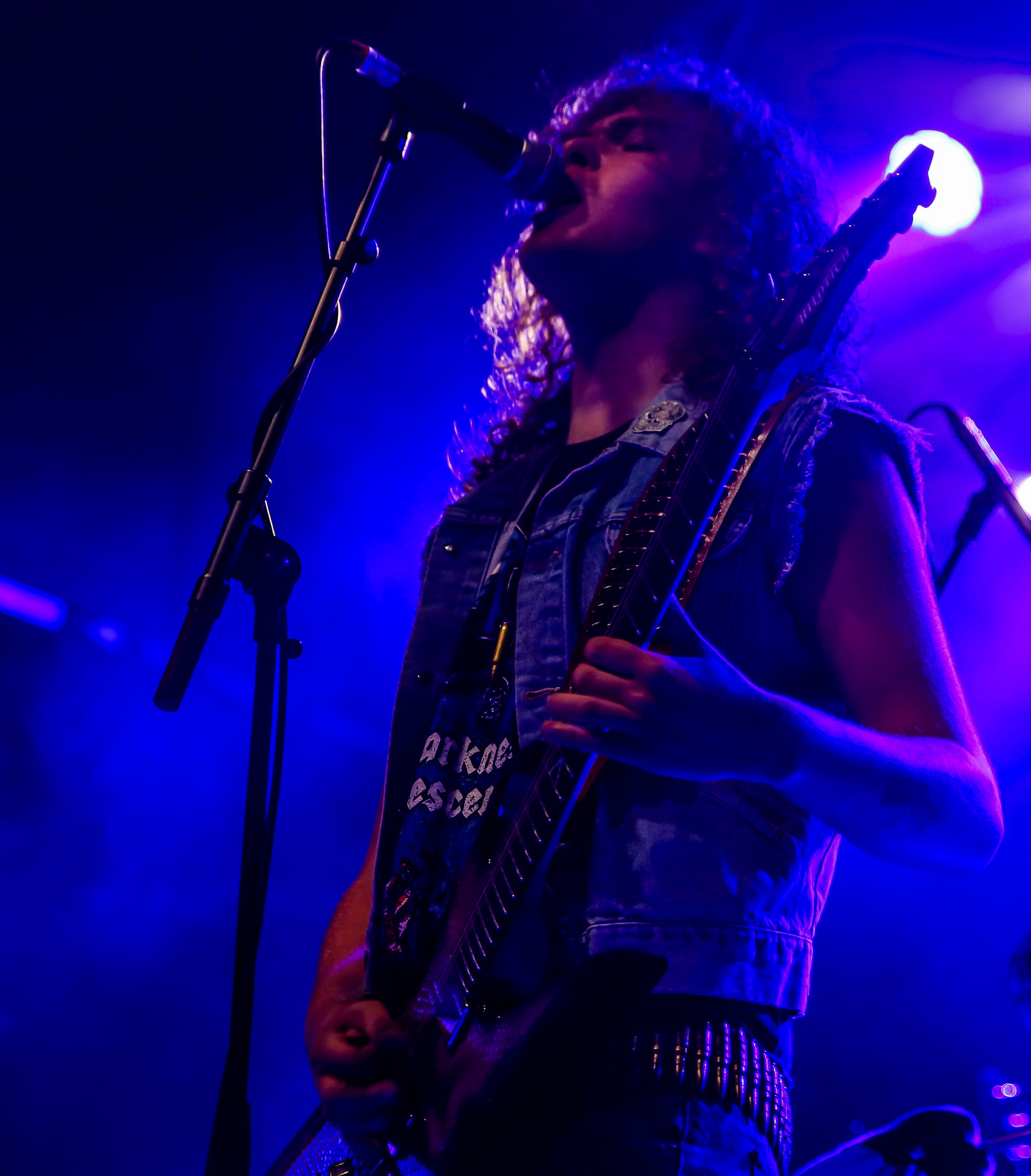
Before the Cavalera machinery properly kicked into gear, Exorcism had the job of getting the Manchester crowd warmed up. It is never an easy position to be in, particularly when the audience knows exactly what is waiting later in the evening, but they approached it with the necessary aggression. The guitars were heavy, the performance was direct and there was very little messing around. They weren’t there to overcomplicate things; they were there to get the room moving, and by the time their set had finished, the atmosphere had noticeably shifted. The room was louder, sweatier and ready for the first of the evening’s major attractions.
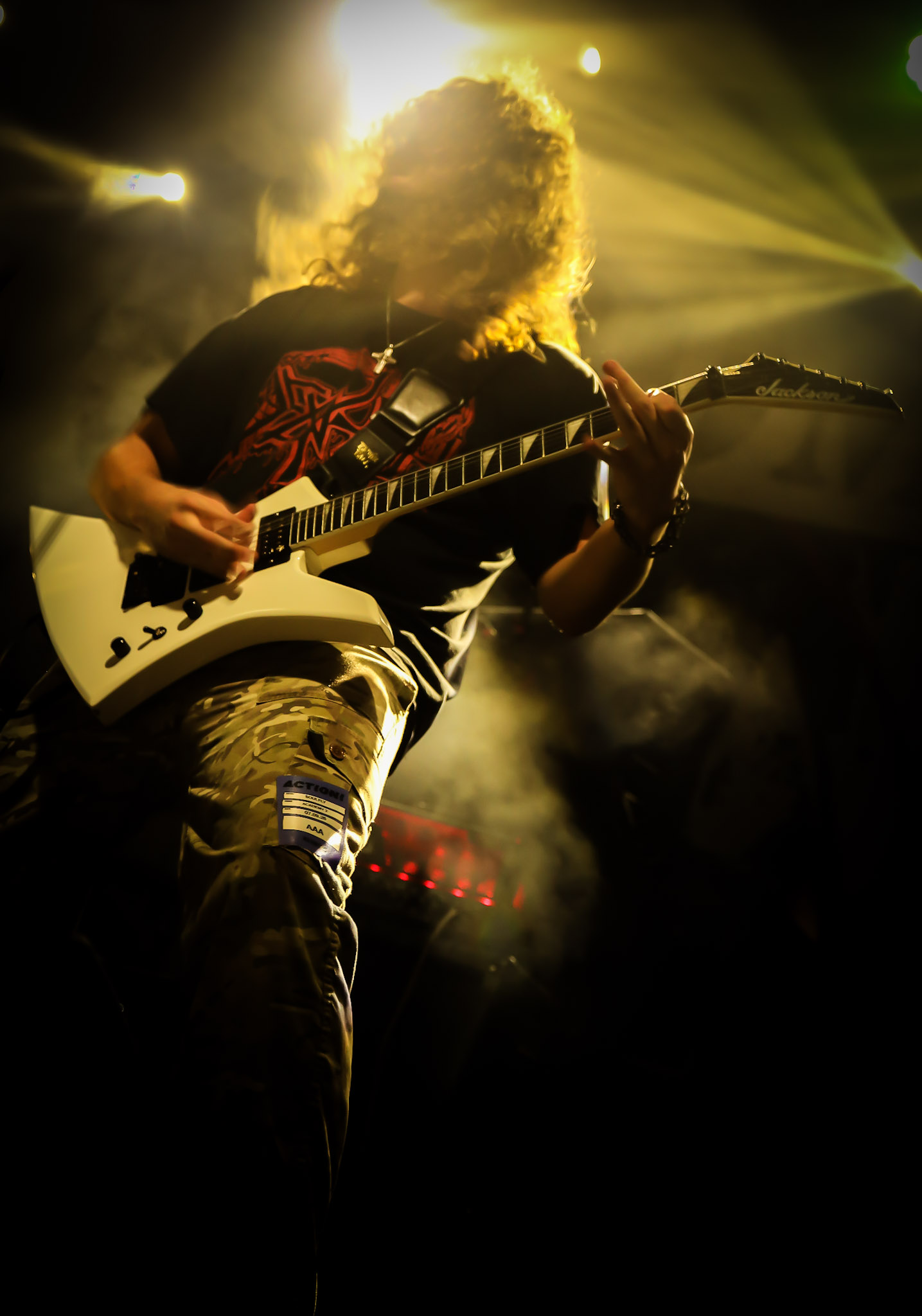
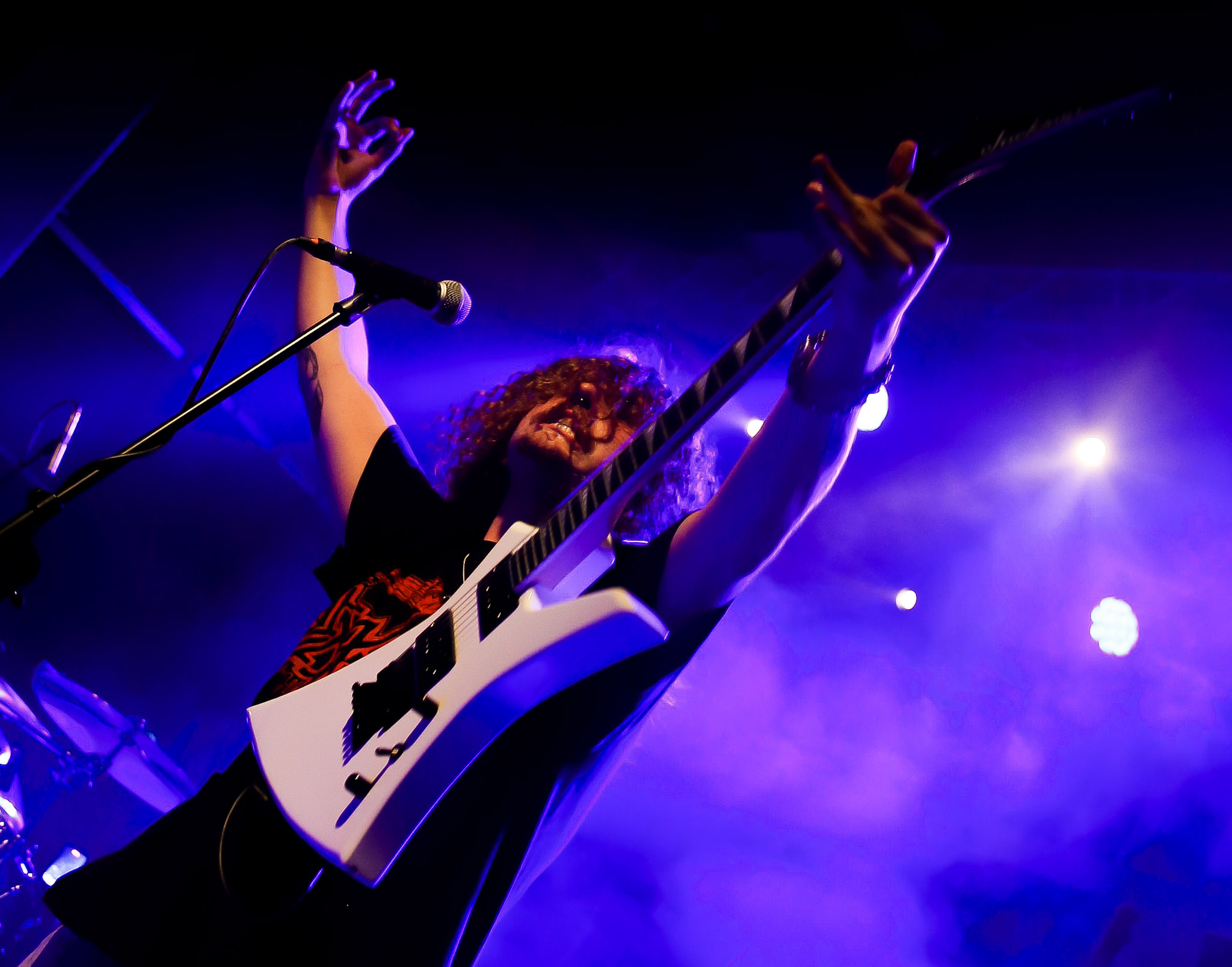
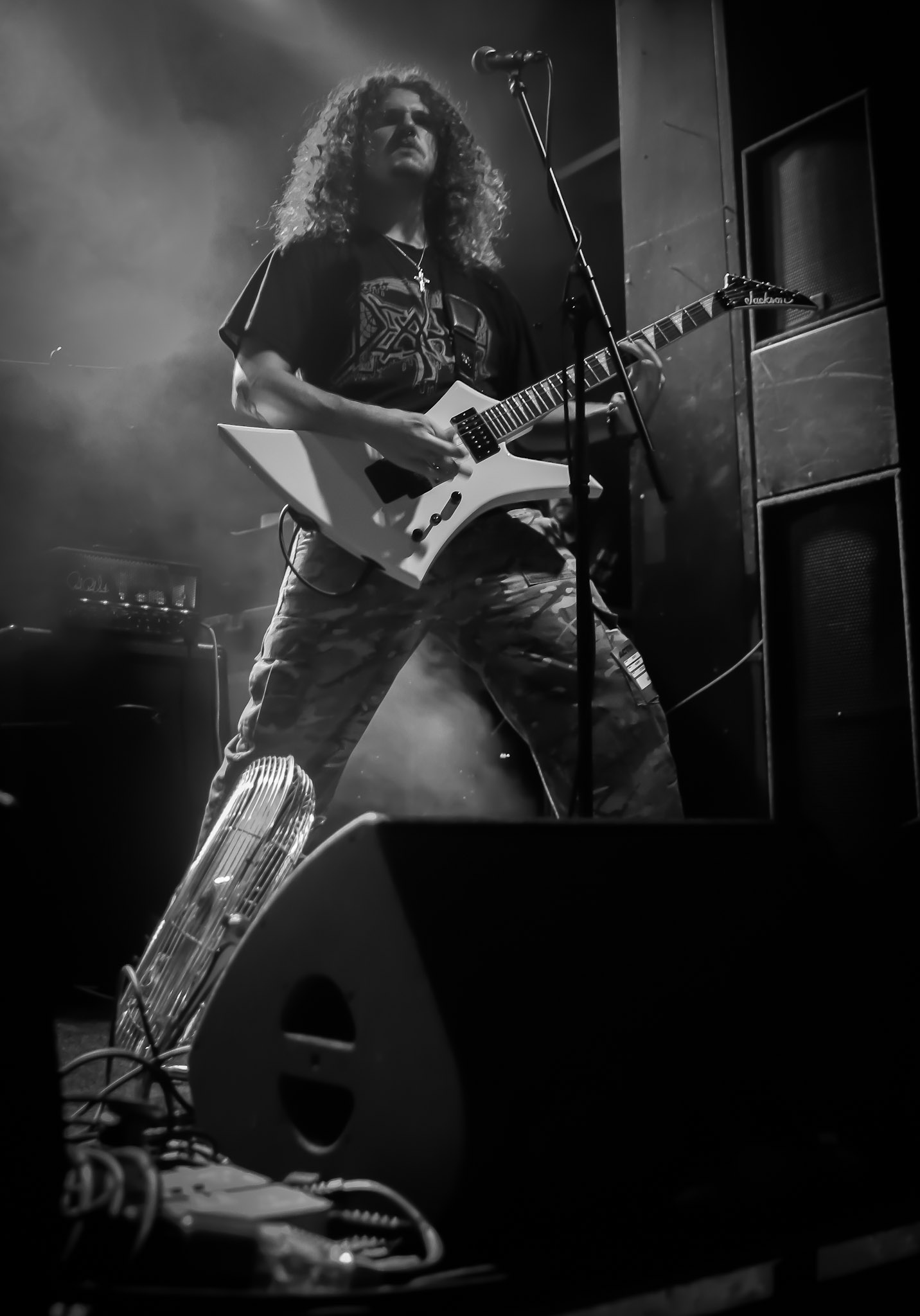
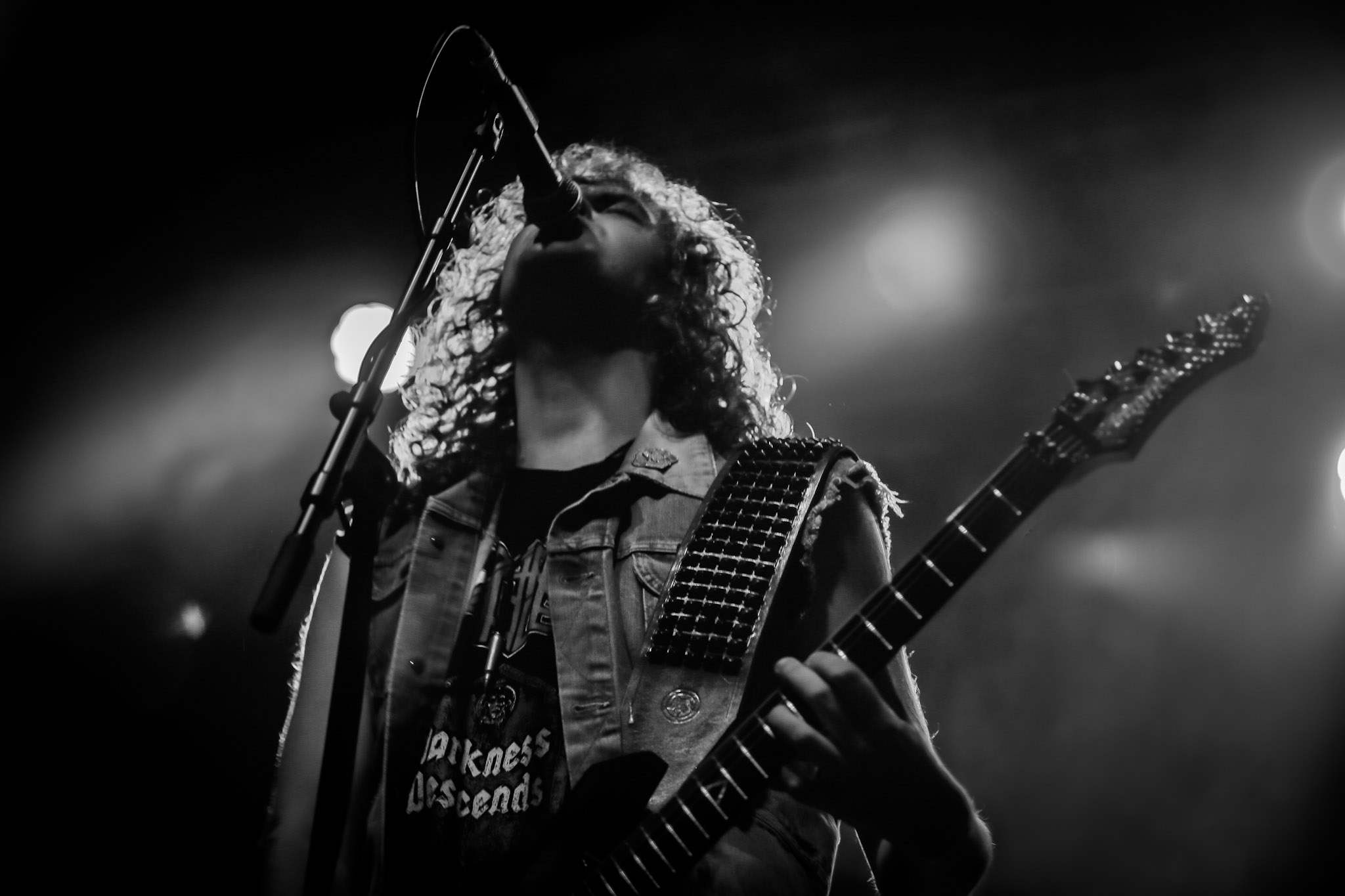
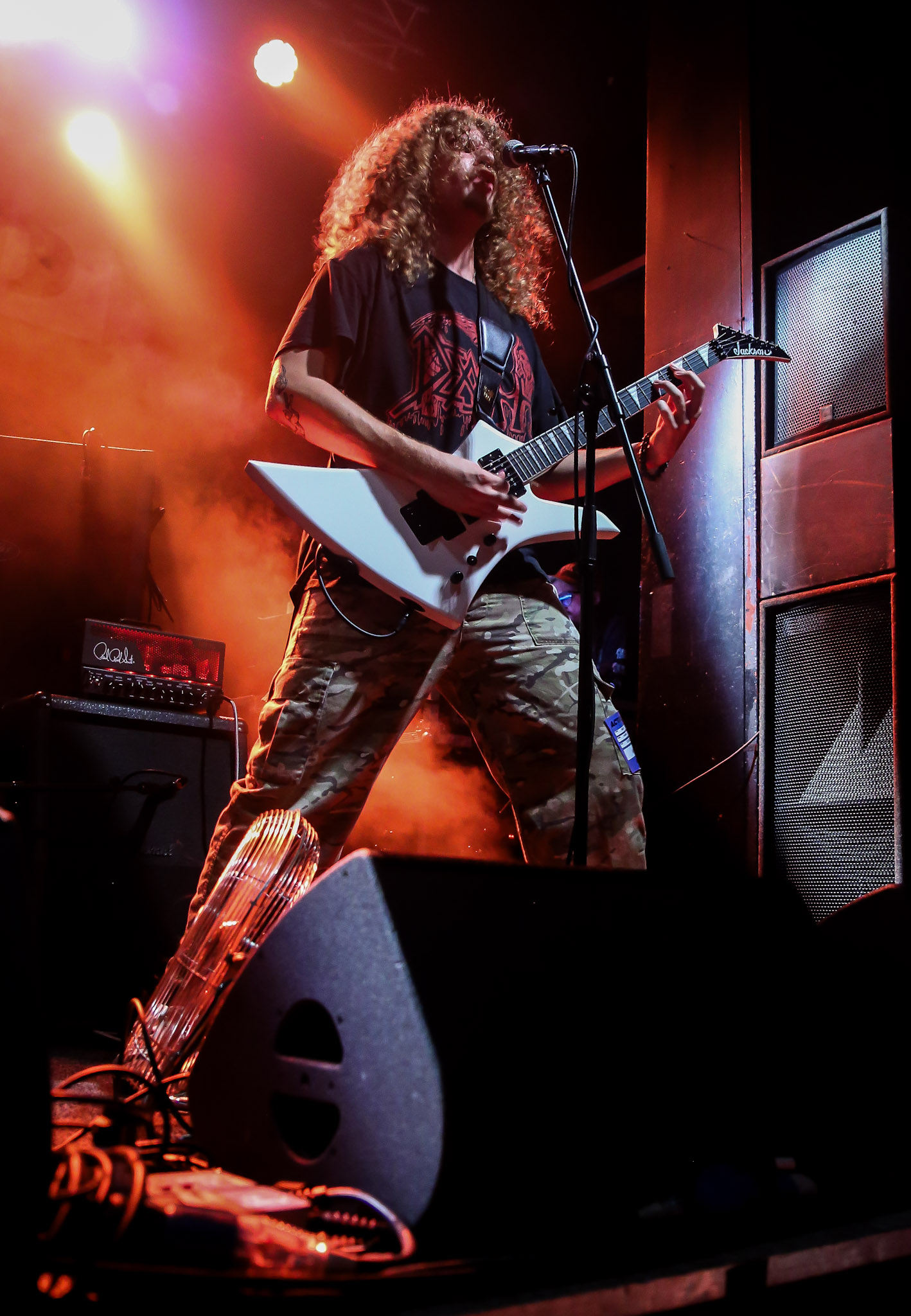
Then came Nailbomb.
If Soulfly represent one side of Max Cavalera’s musical personality — the Groove, the Tribal influences, the huge riffs and the celebratory side of Extreme Metal — Nailbomb represents something altogether more hostile.
Nailbomb’s ‘Point Blank’ isn’t particularly interested in being comfortable. It is abrasive, confrontational and mechanical, combining Industrial noise with Hardcore, Thrash and Extreme metal to create something that sounds as angry now as it did when it was originally released. Hearing that material in a packed venue was a completely different experience, with the relentless pounding of the drums, grinding guitars and Industrial textures creating an atmosphere that felt almost claustrophobic. There was no attempt to make the music sound pretty, and there didn’t need to be. Nailbomb’s entire appeal lies in the ugliness of the sound — the feeling that you’re being dragged through a malfunctioning machine rather than simply watching a band perform on stage.
Manchester responded accordingly, and the crowd reaction made it clear that this wasn’t being treated as a novelty appearance or a support slot that people were patiently waiting through before Soulfly. Nailbomb had its own following in the room, and a sizeable one at that. For a project with such a relatively small catalogue, Nailbomb has developed a cult following that is remarkably dedicated, and the Manchester crowd demonstrated exactly that. People weren’t just familiar with the songs; they had clearly been waiting for the opportunity to see this material performed live, and when the set really got going, the atmosphere became increasingly unhinged.
The sheer number of crowd surfers was insane. It wasn’t the occasional lone body making its way towards the barrier; it was a continuous wave after wave of bodies being launched forward, passing overhead and infiltrating the frontline. As soon as one person disappeared over the barrier, another seemed to be on their way, with the security team having barely a moment to catch their breath before the next wave arrived. From the stage, the crowd must have looked like a constantly moving sea of people, with bodies appearing overhead almost continuously, and it was one of those moments where the energy in the room becomes something physical. Nailbomb’s music was already relentlessly abrasive, but the response from the audience added another layer of chaos to the performance.
There was a sense of danger to it that is difficult to manufacture. The music itself is so uncompromising that a polished, overly choreographed presentation would almost undermine it. Instead, the performance allowed the songs to retain their rough edges, giving them the same confrontational quality that made ‘Point Blank’ such an important record. Nailbomb doesn’t need an enormous back catalogue to make an impact; if anything, the scarcity of performances makes appearances like this feel more significant. The set was short enough to leave you wanting more but intense enough to feel like you’d been hit by a truck.
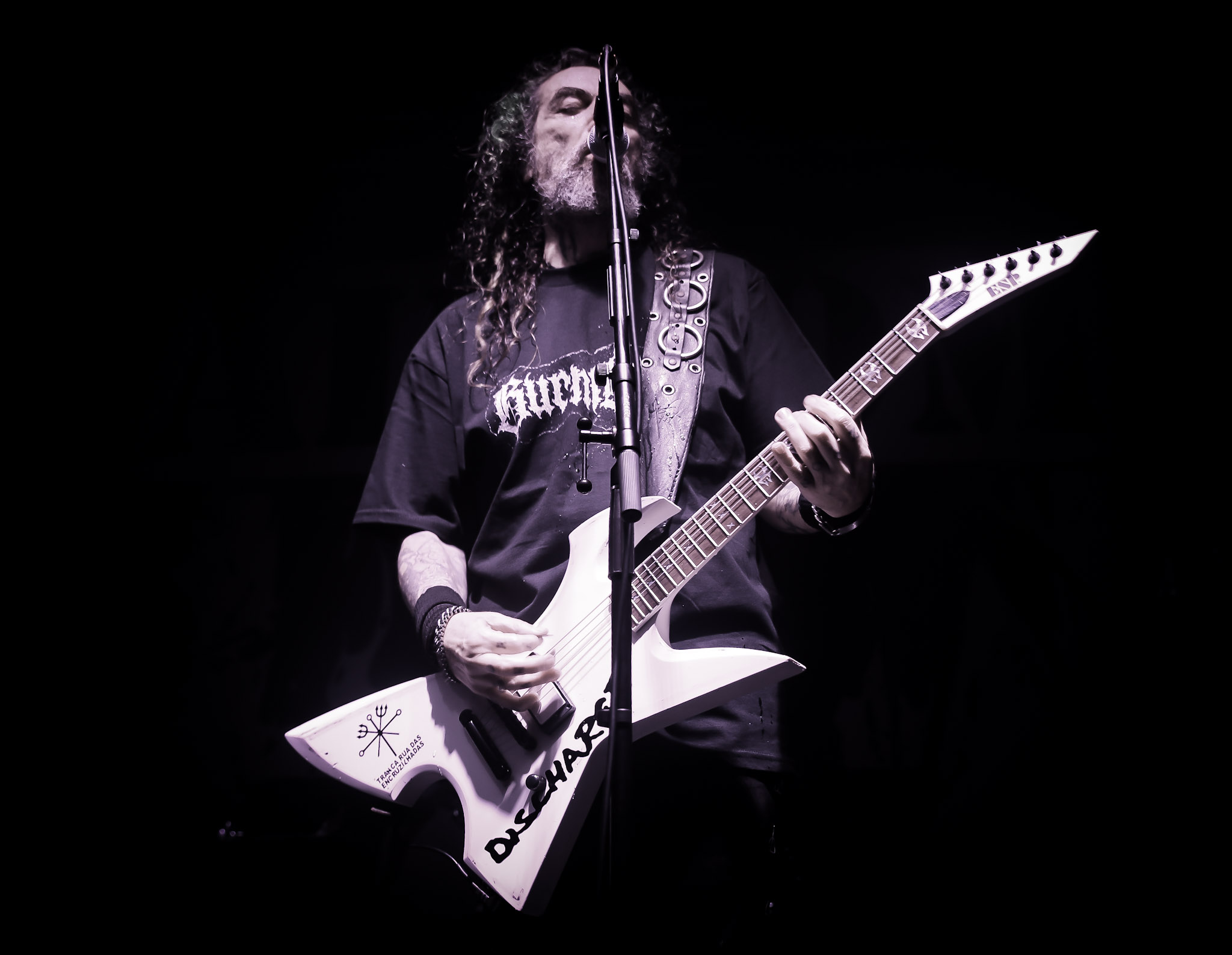
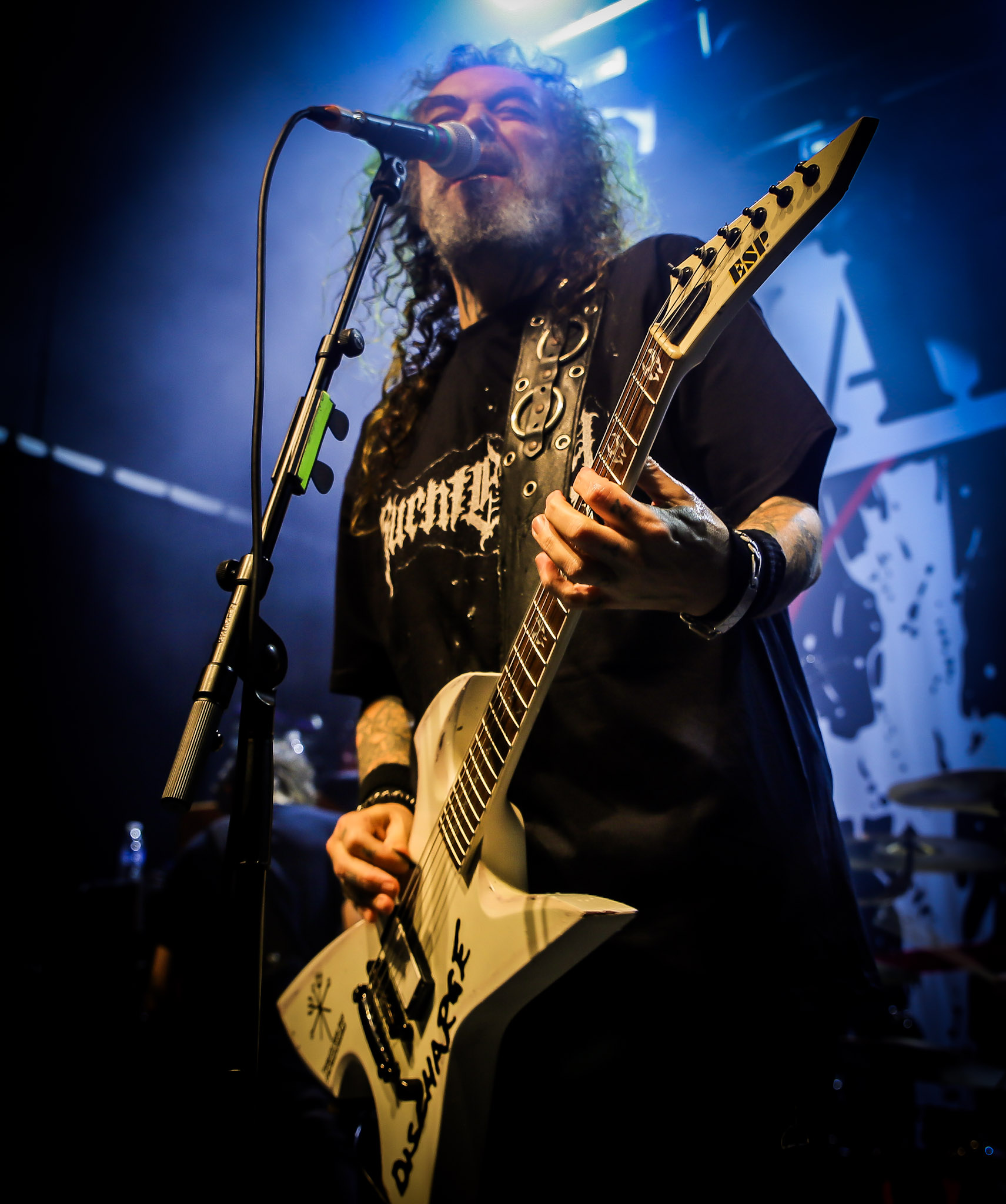
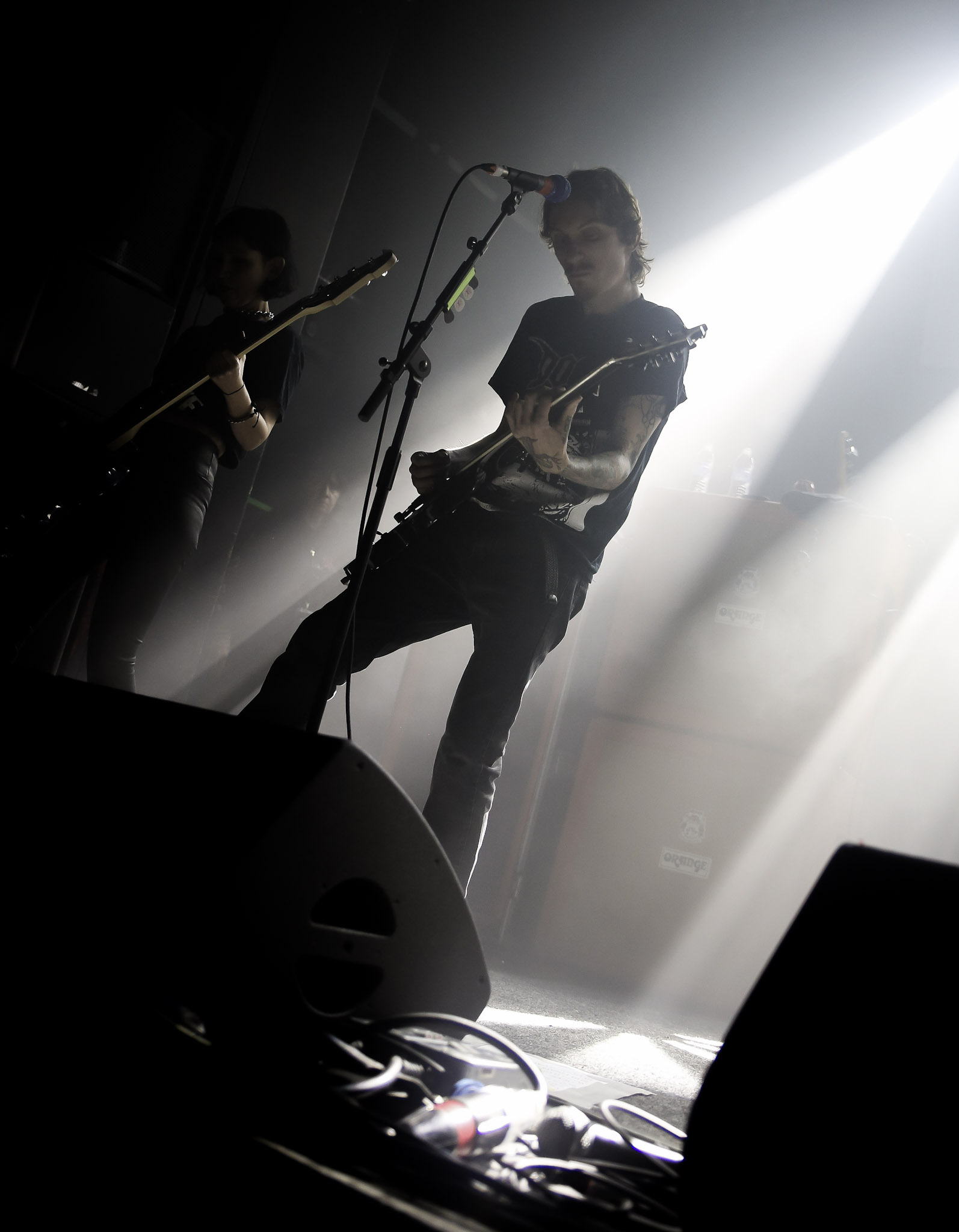
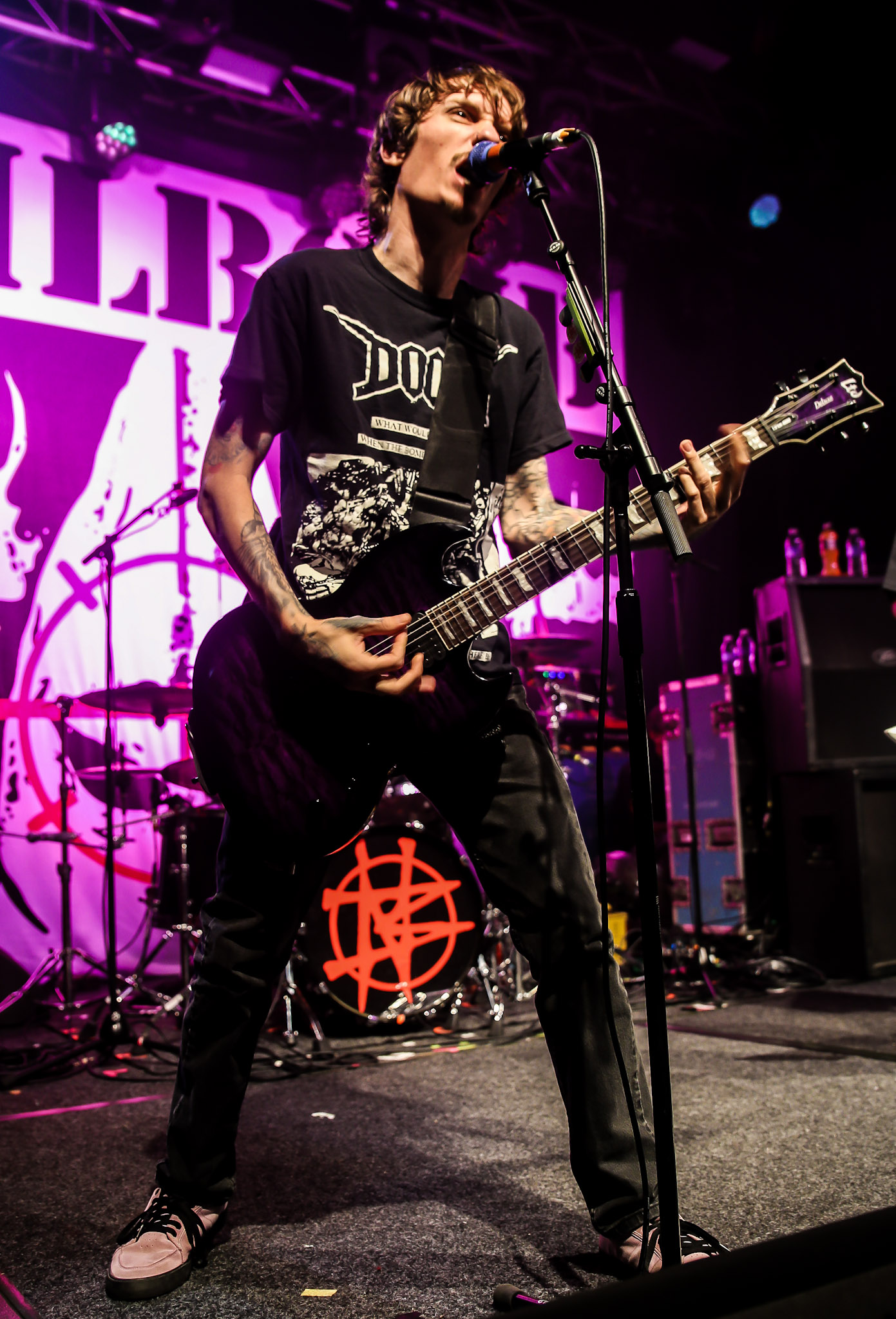
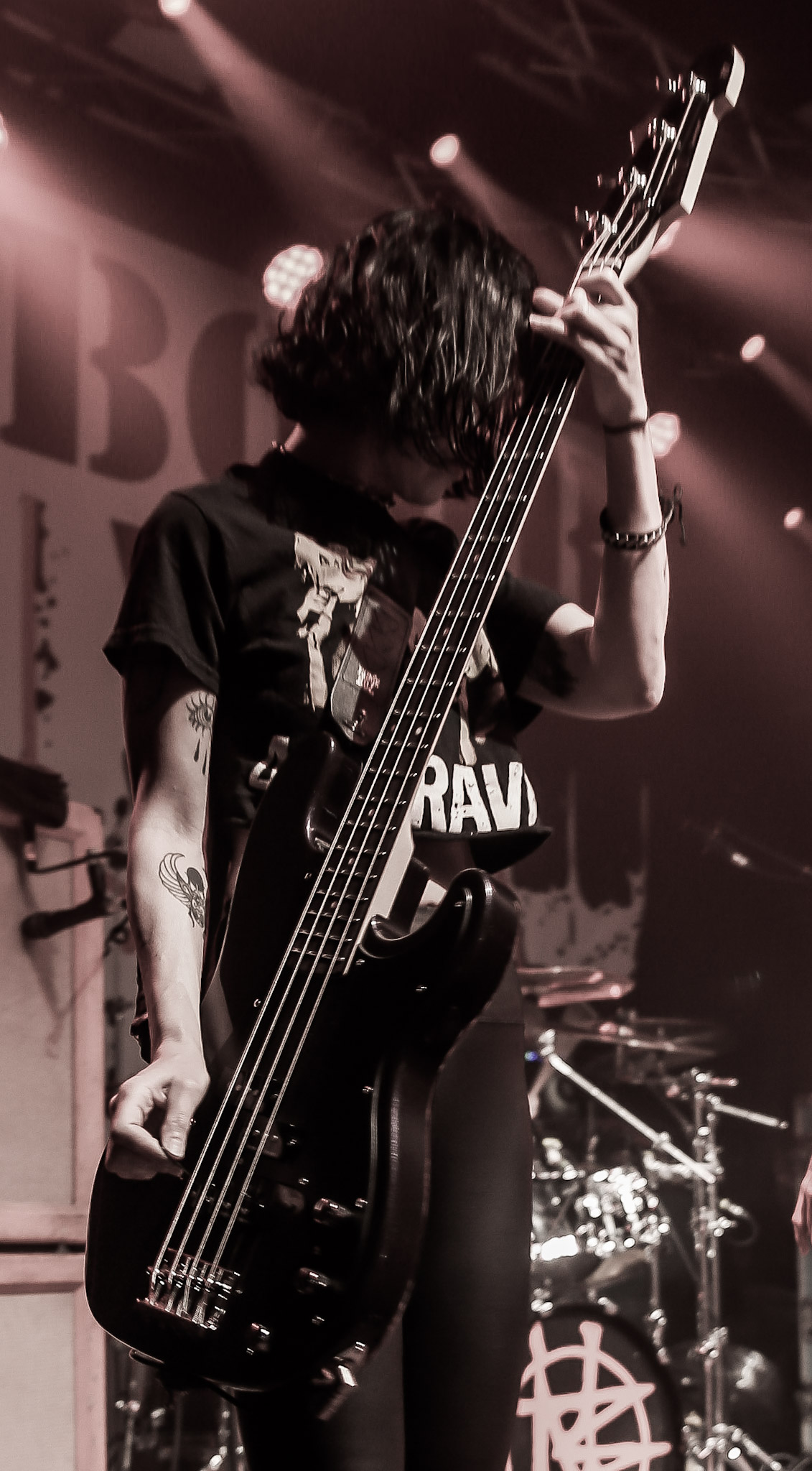
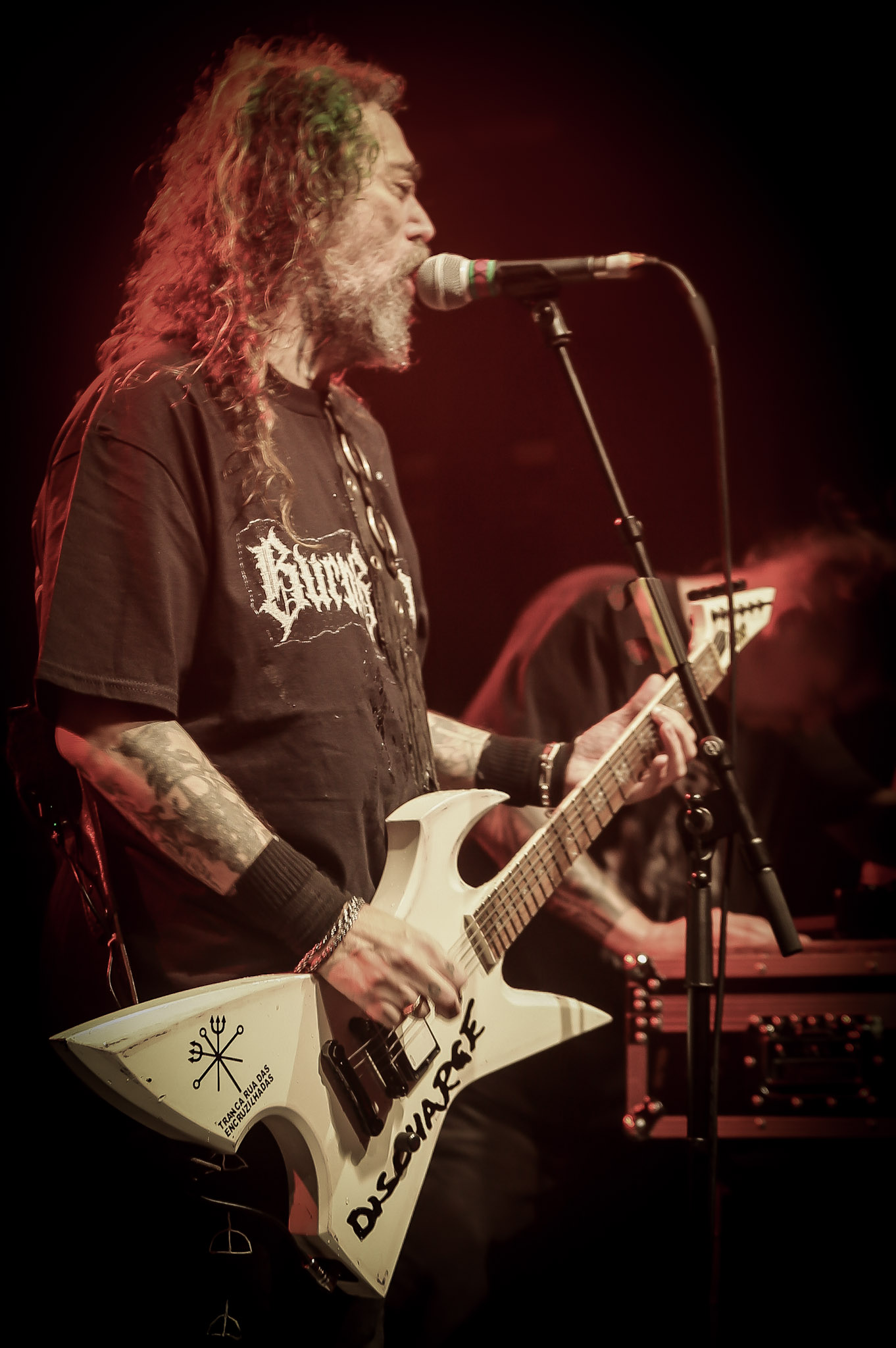
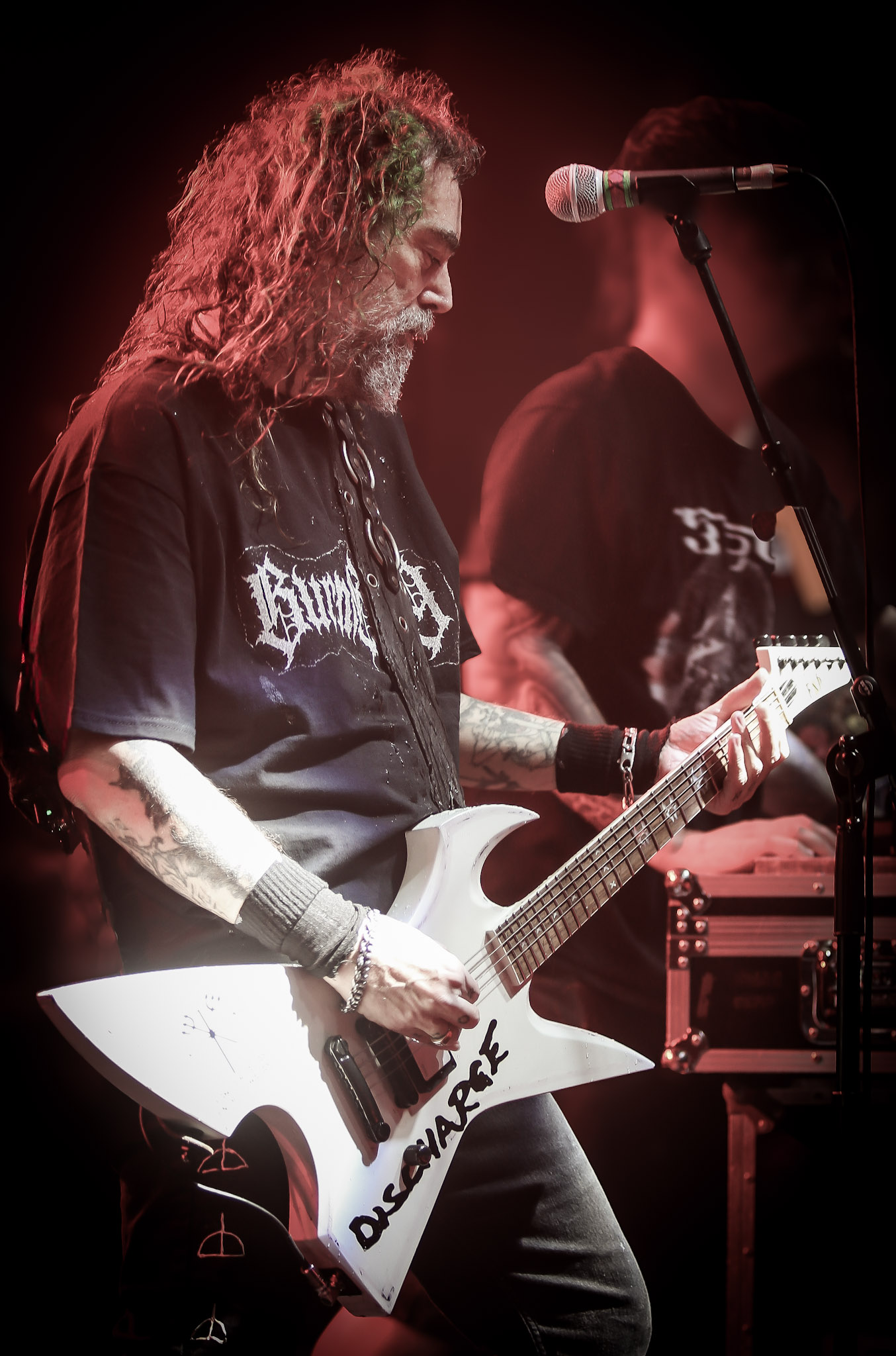
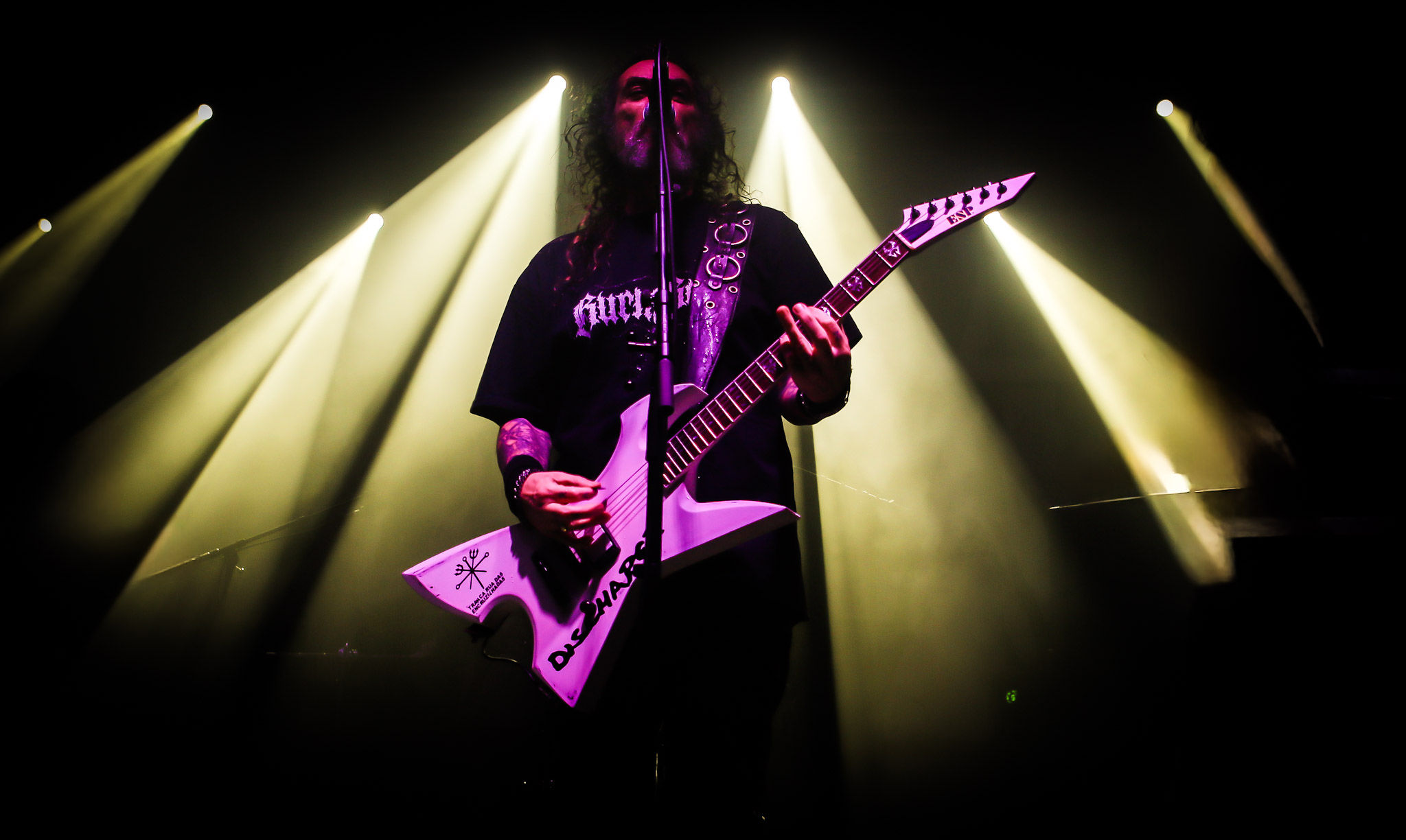
After Nailbomb’s Industrial assault, Soulfly could have been forgiven for feeling almost like a different kind of band entirely, but instead they simply attacked the room from another direction. Where Nailbomb’s sound is cold, mechanical and abrasive, Soulfly’s strength lies in rhythm. Their songs are built to move people, with enormous riffs, physical grooves and a looseness to the music that encourages the crowd to participate rather than simply stand and watch.
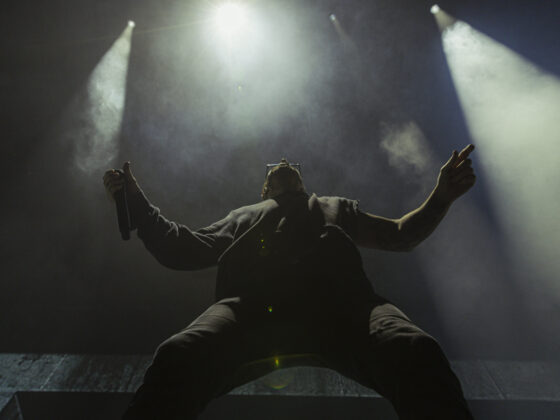
Max Cavalera remains an imposing presence on stage. There is no need for elaborate theatrics when you have spent decades creating music that people genuinely care about. His stage presence is built around the music itself, and the connection with the audience was obvious throughout the performance. Soulfly‘s set felt like a celebration of everything that has made Cavalera such an influential figure in heavy music, with crushing riffs, pounding percussion and the kind of groove that makes it almost impossible to stand still. The crowd responded with an increasingly chaotic mixture of moshing, jumping, shouting and enormous pits.
The energy was particularly impressive given what had already happened earlier in the evening. Nailbomb had delivered an intense and fairly punishing set, yet there was no sense that the audience had run out of steam; if anything, Soulfly gave them a second wind. The difference between the two performances was also one of the reasons the bill worked so well. Nailbomb’s sound is all tension and aggression, while Soulfly’s music has a much more physical, rhythmic quality. Both are heavy, but they attack the listener in completely different ways, and that contrast kept the evening interesting.
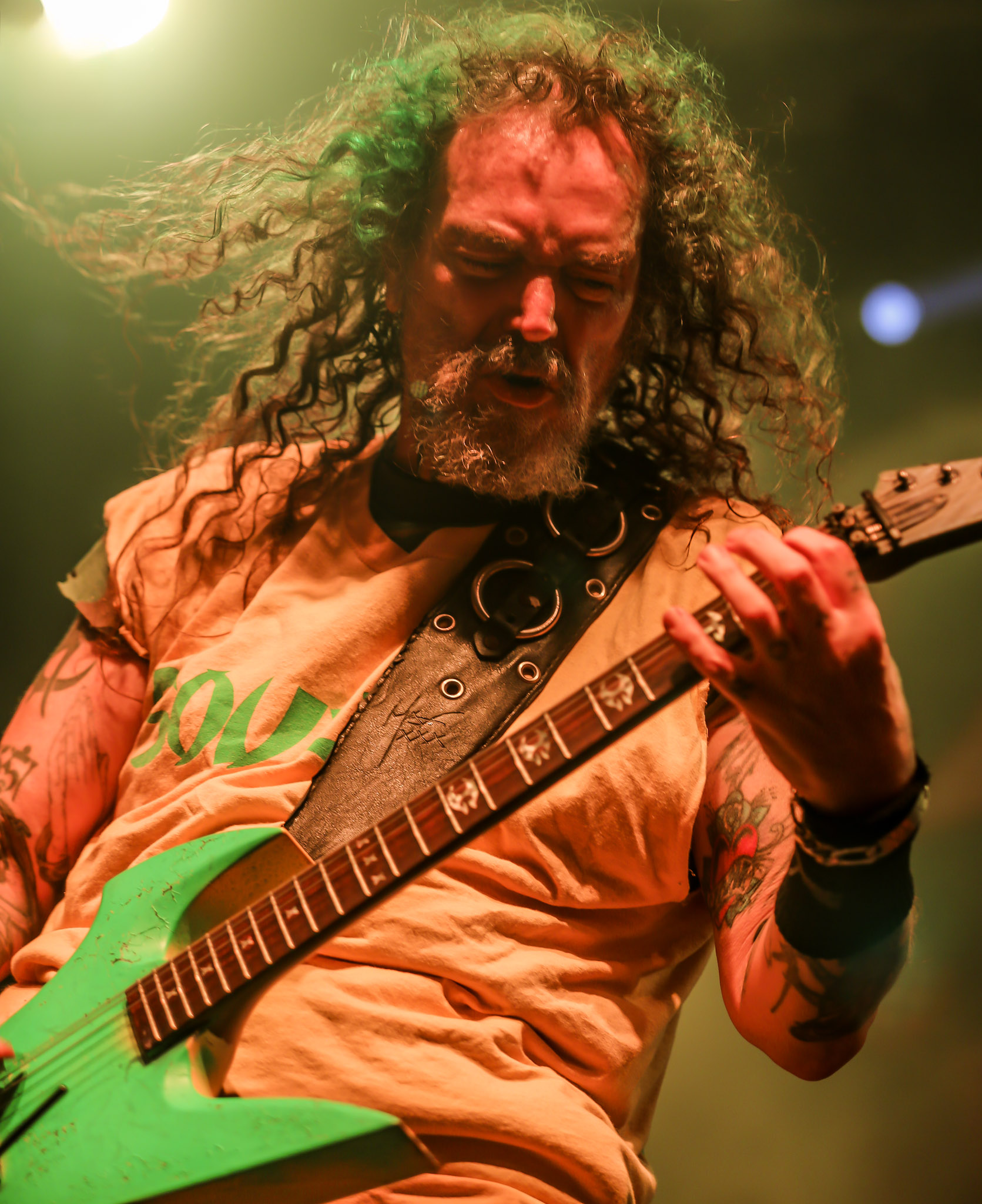
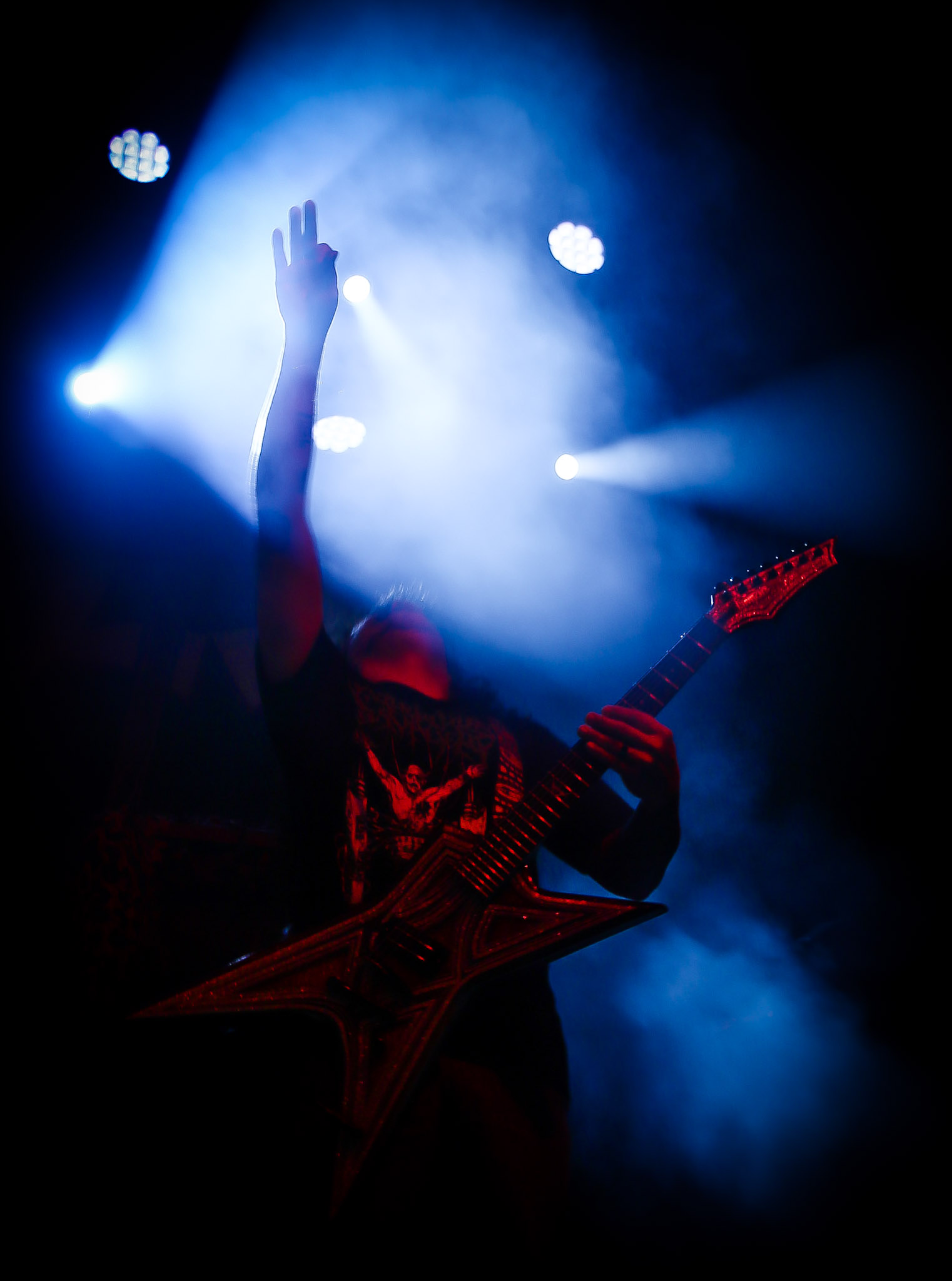
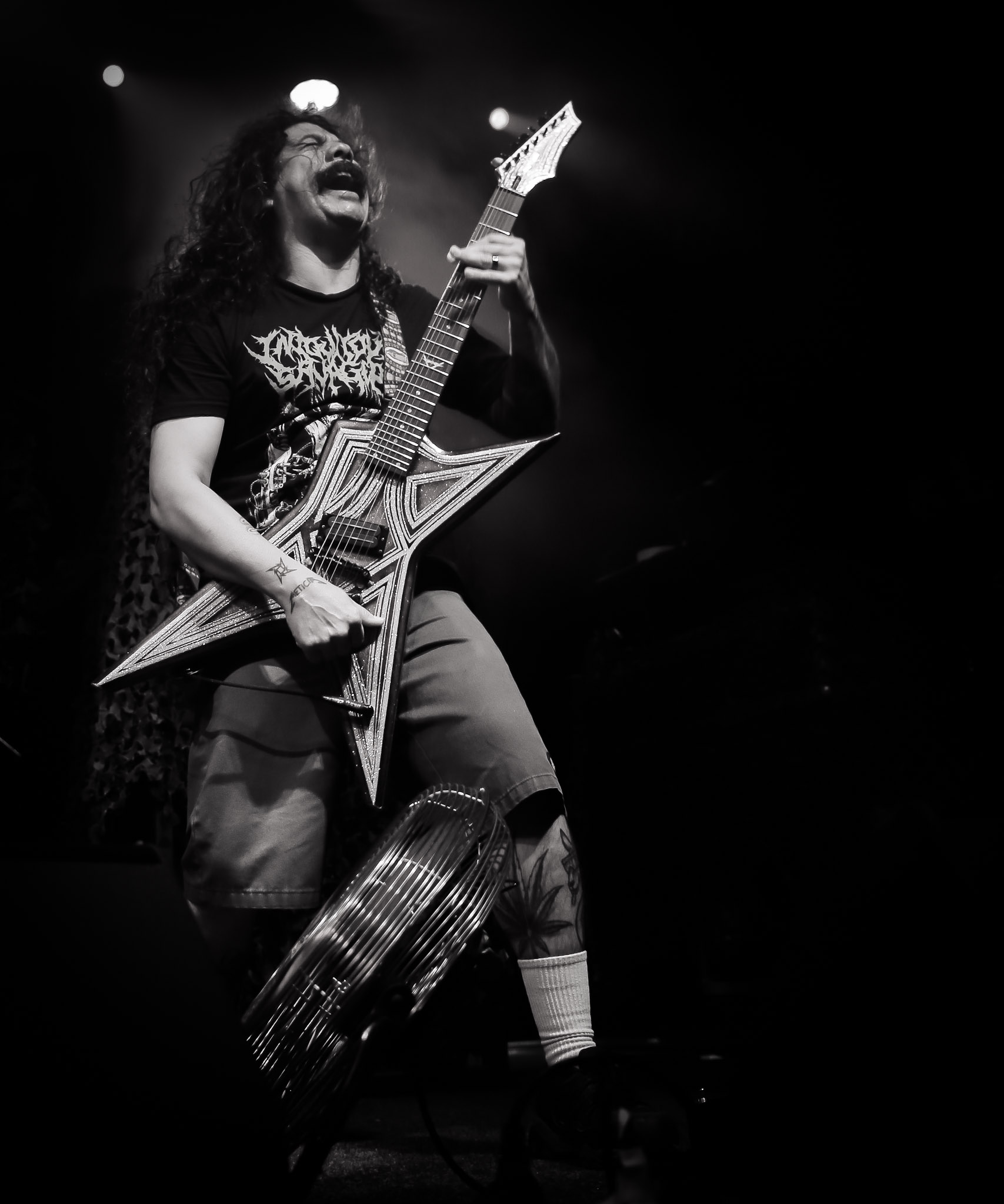
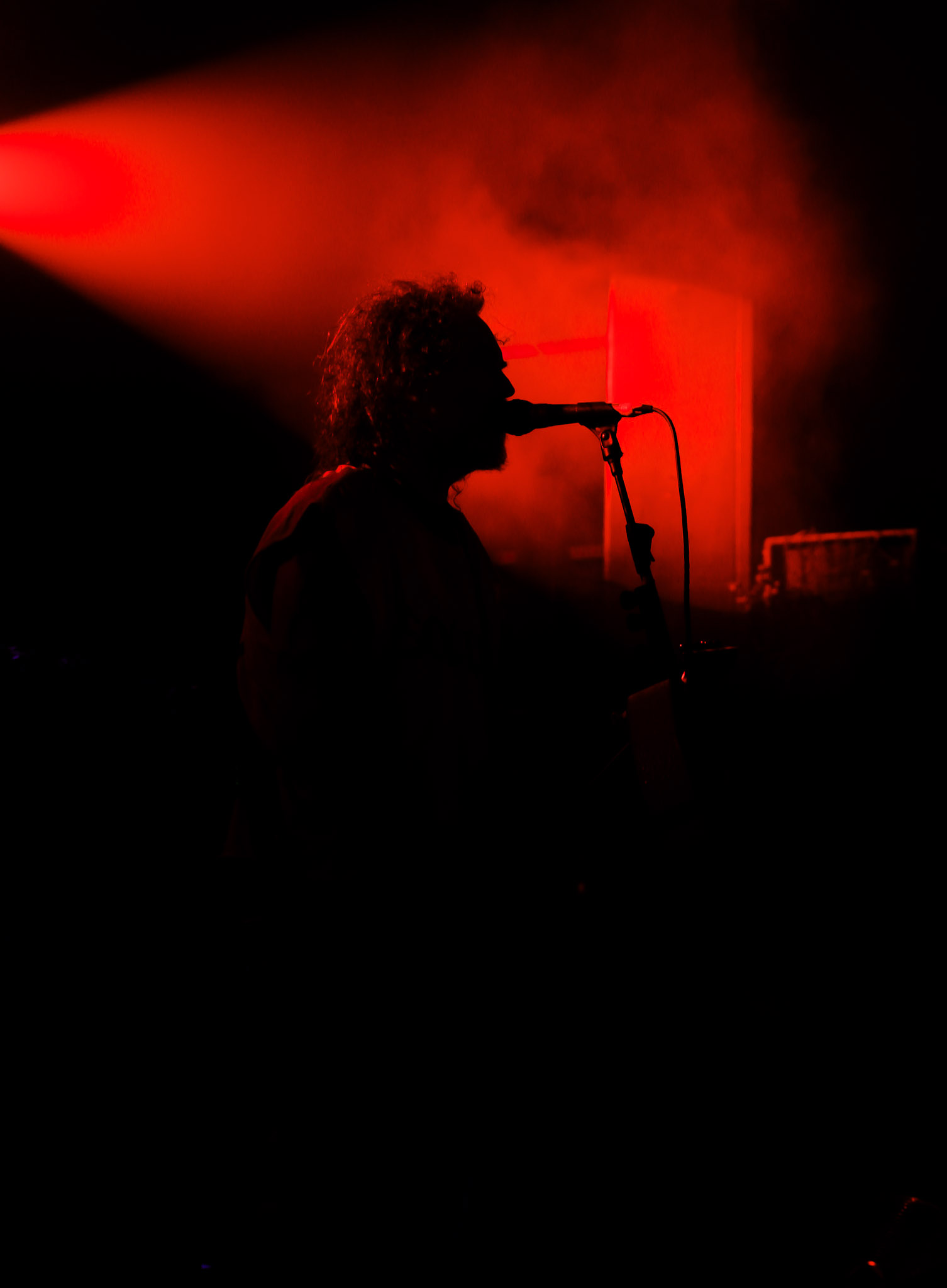
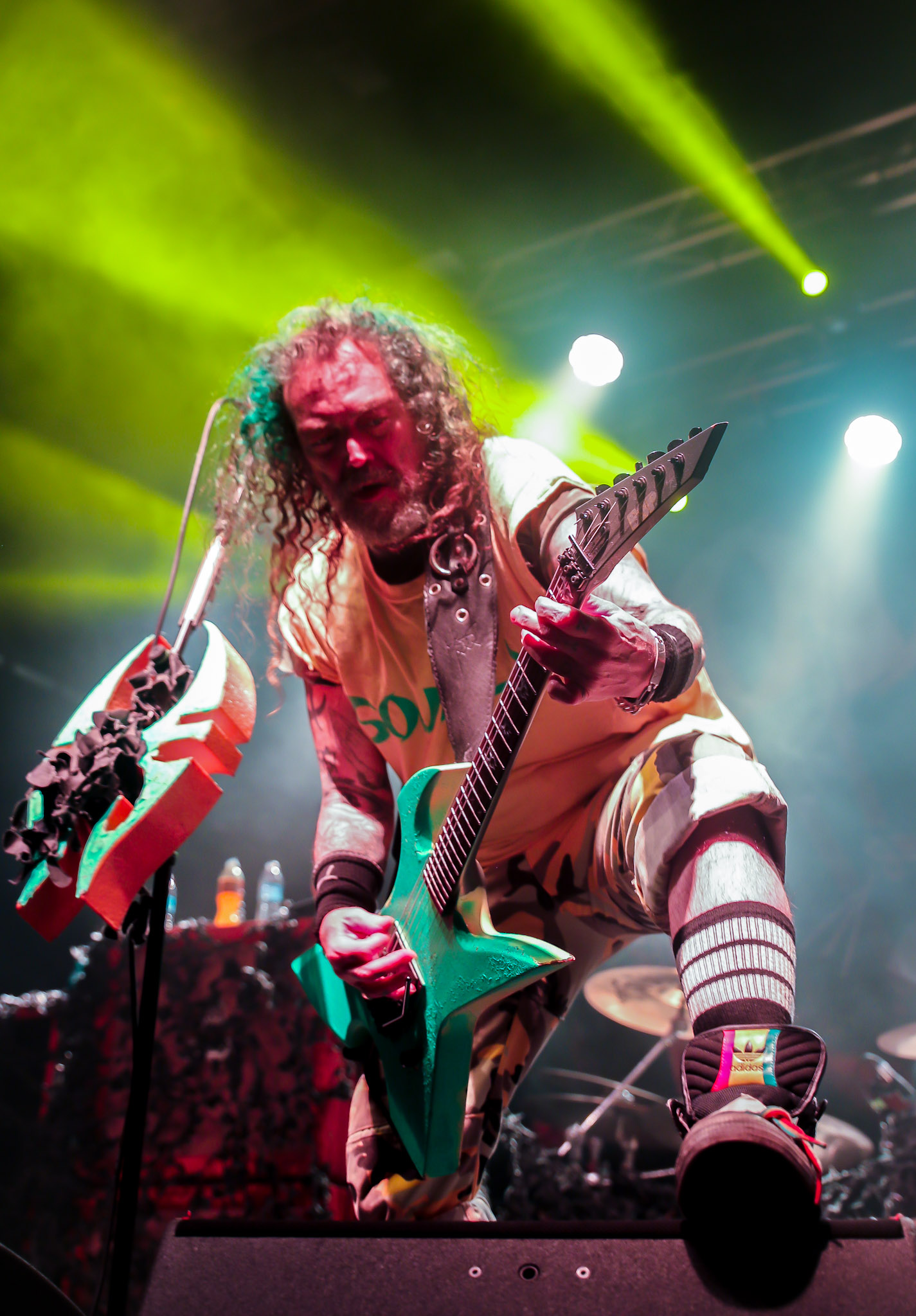
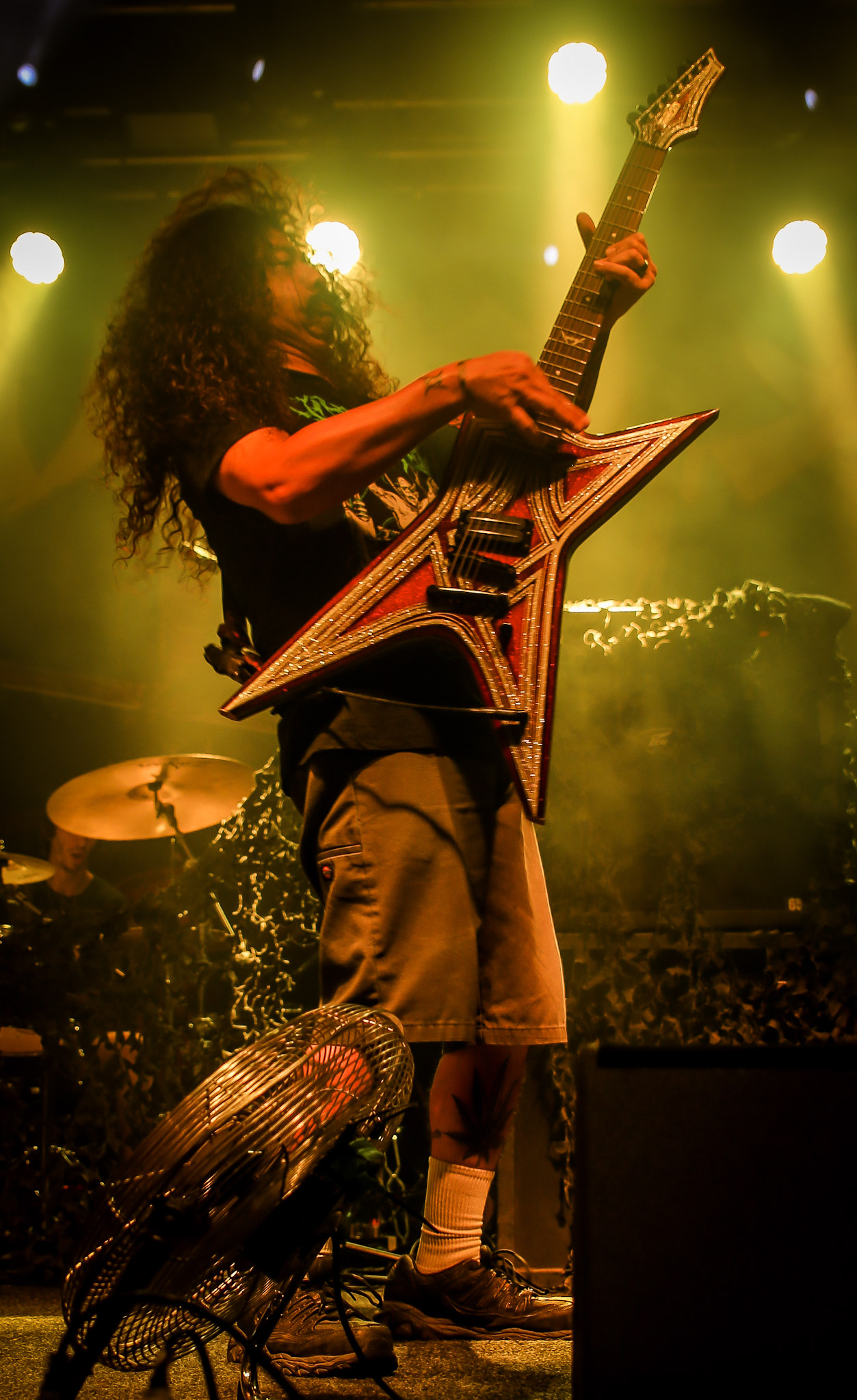
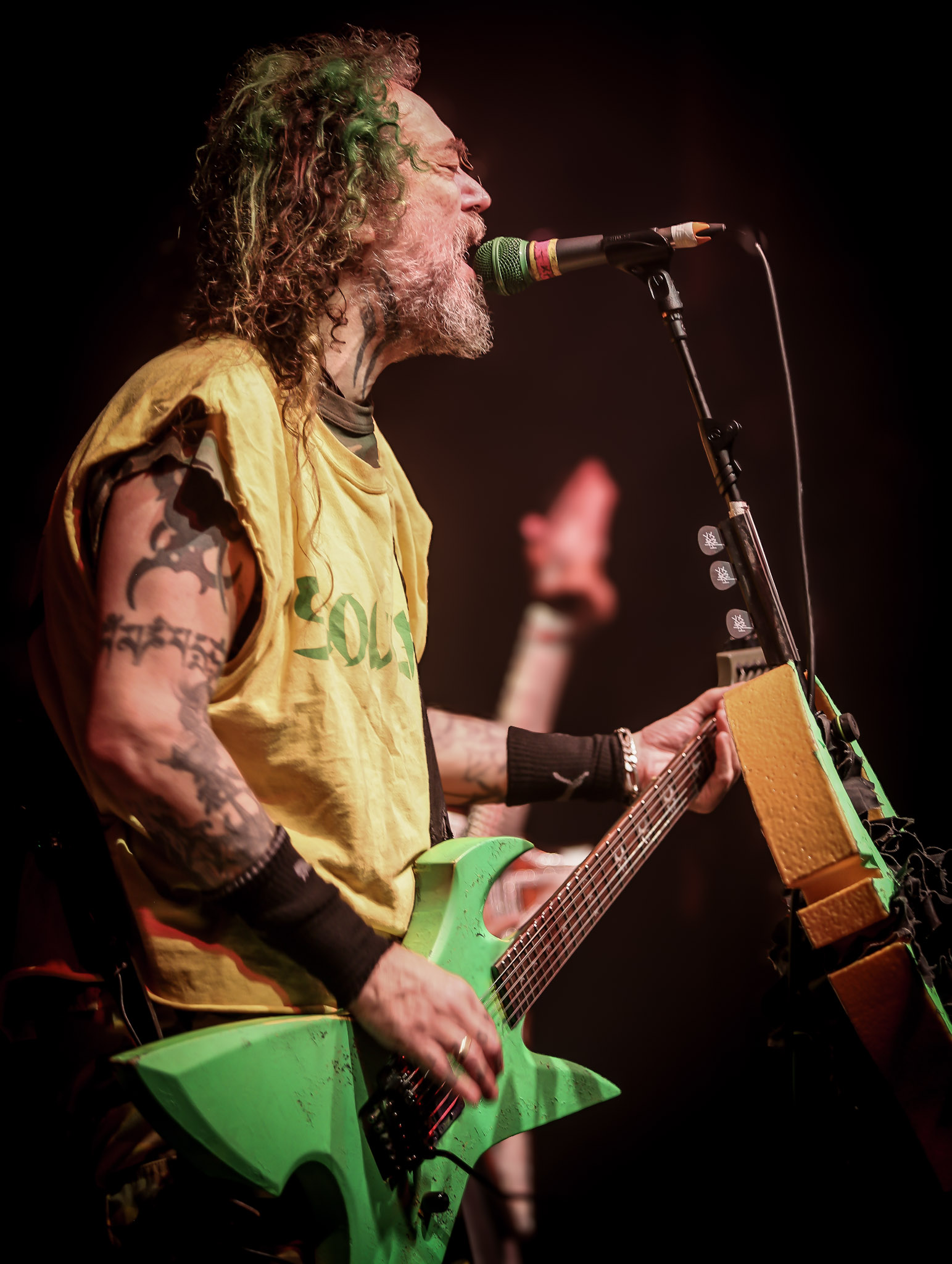
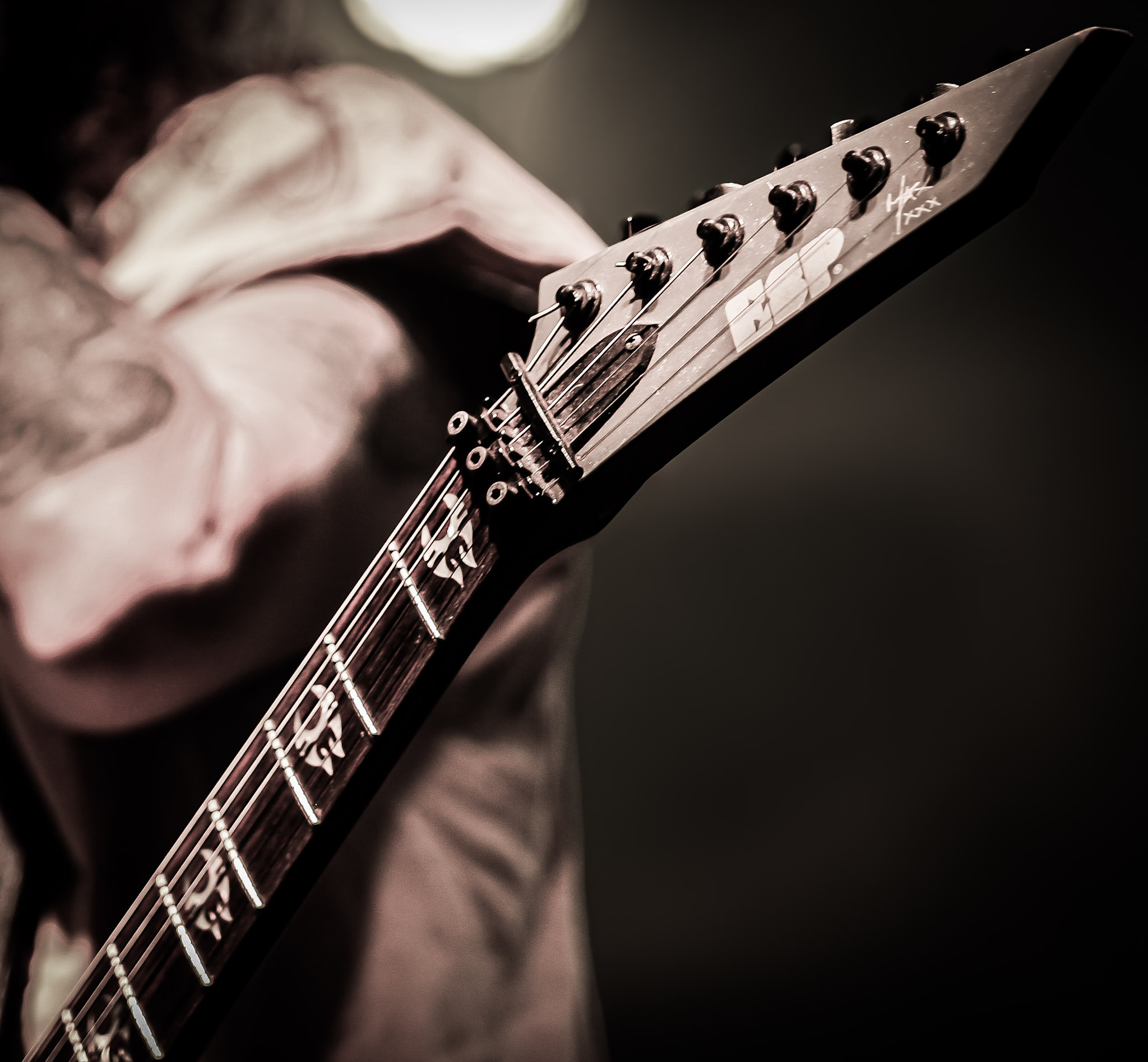
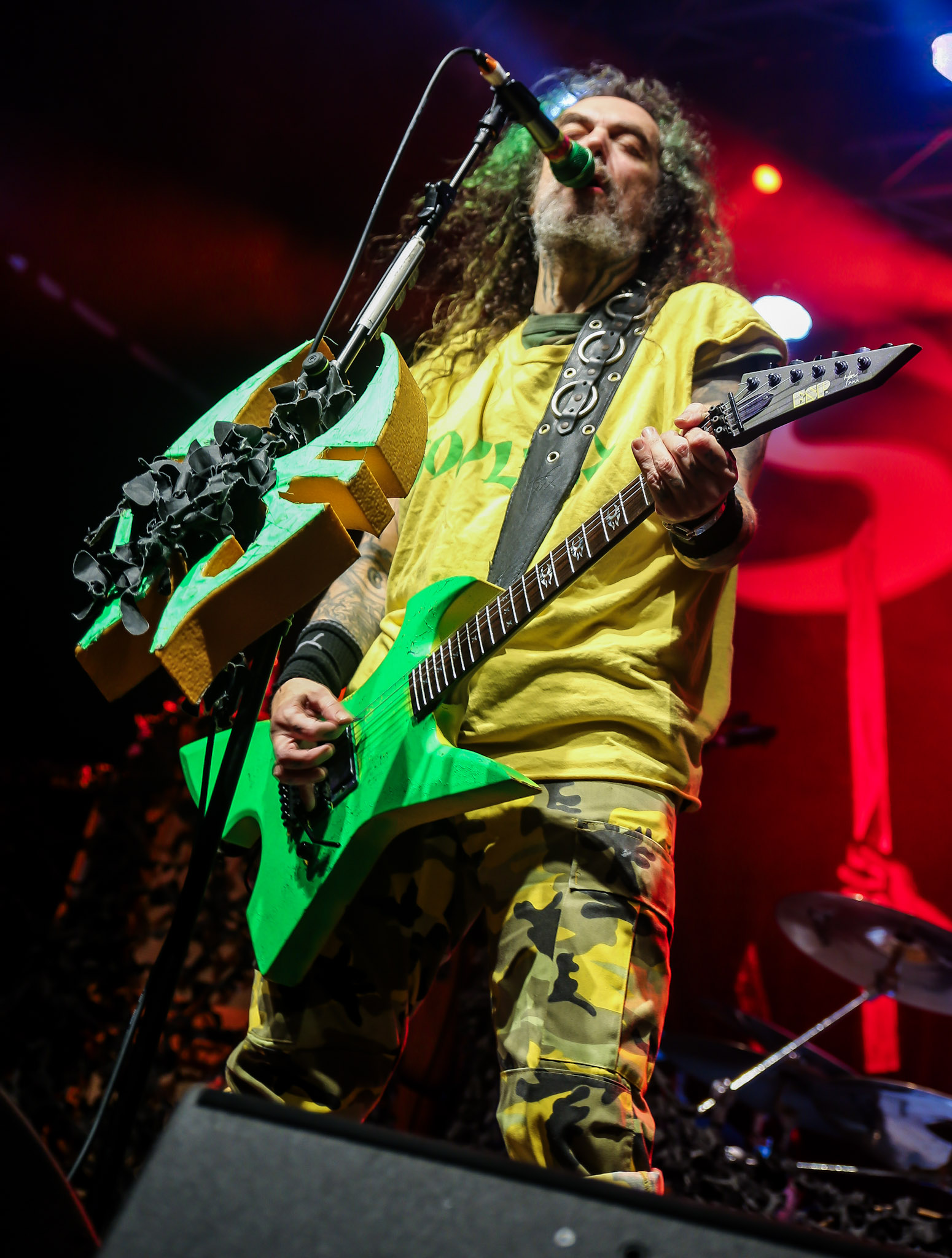
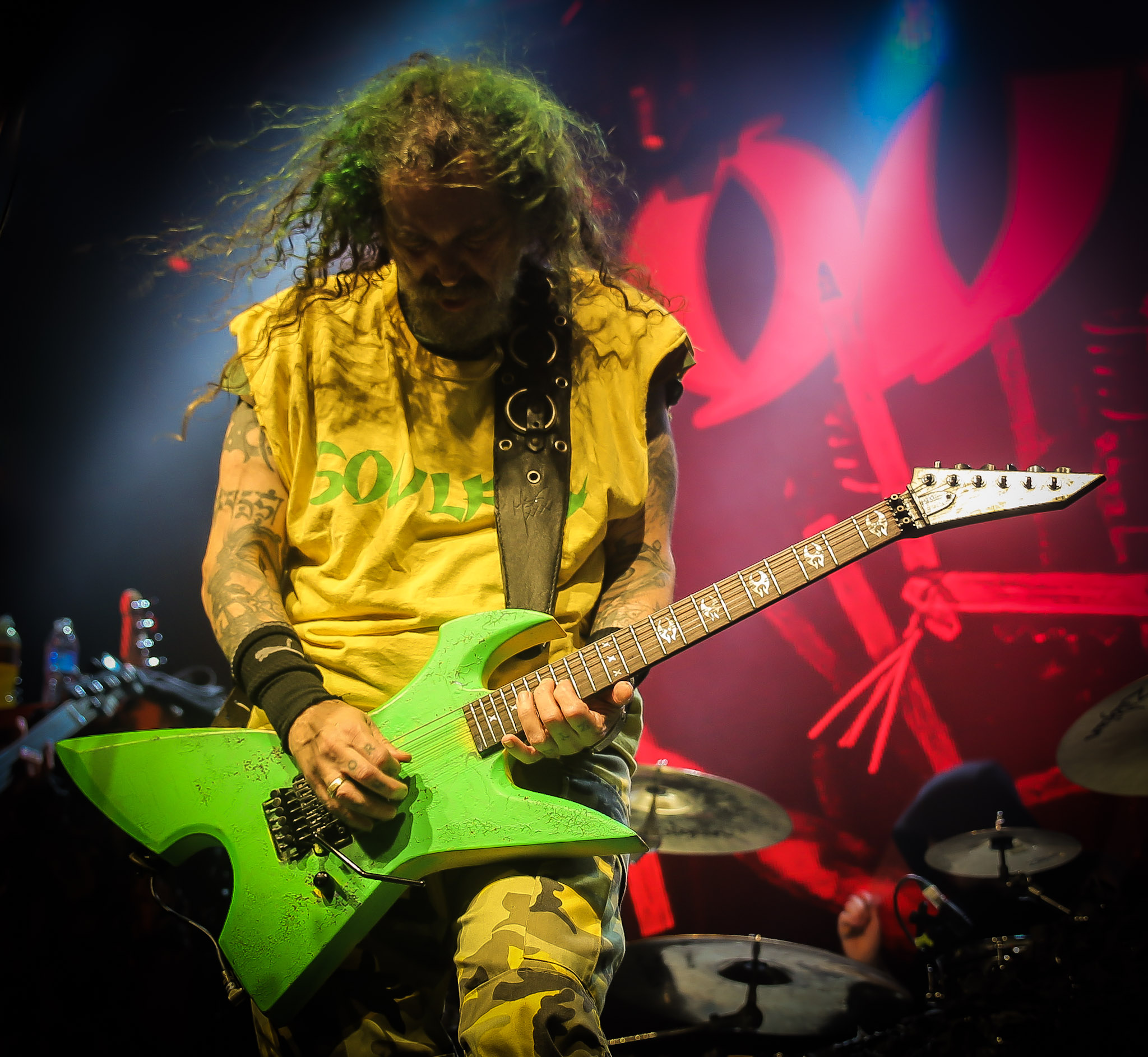
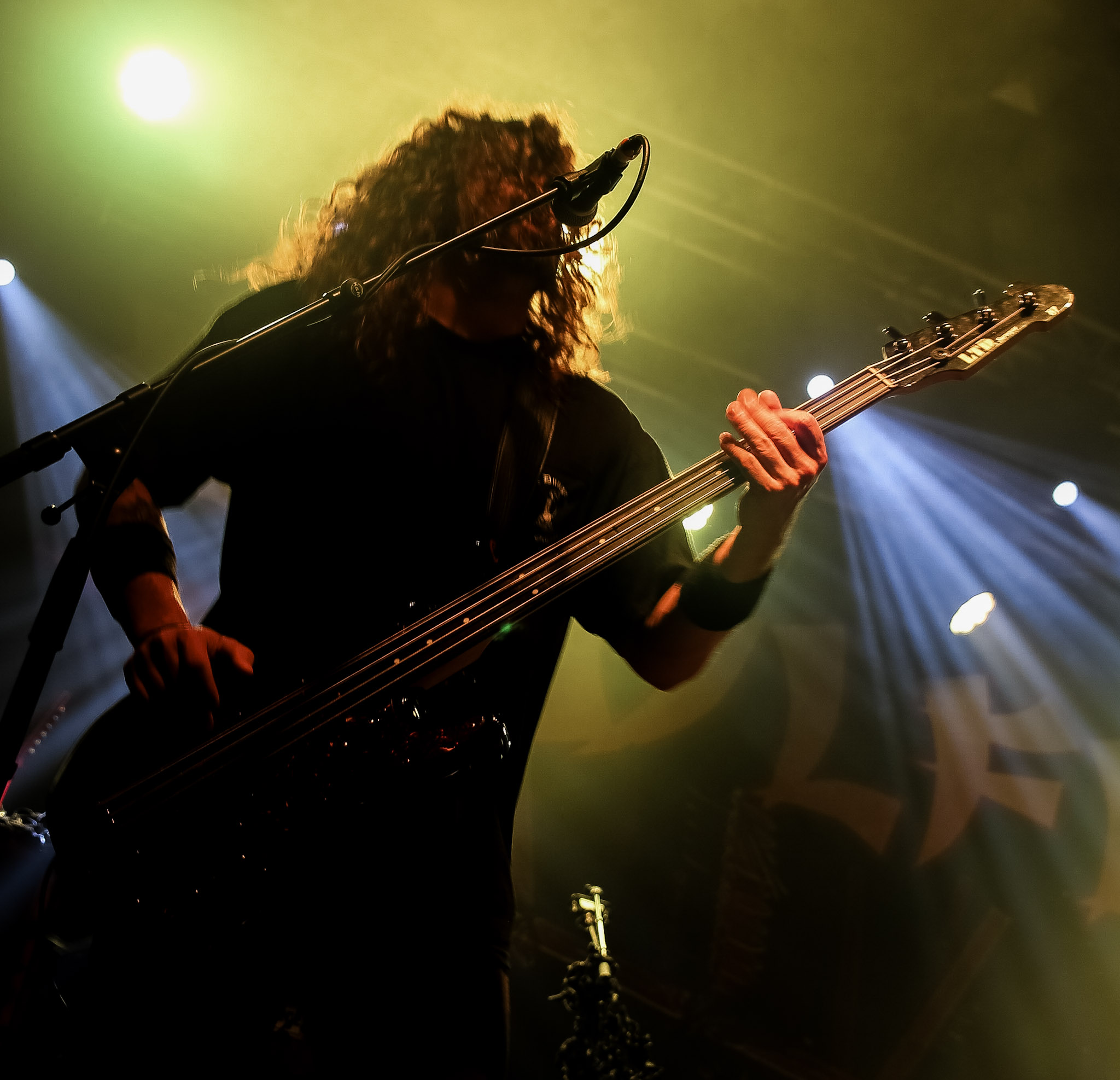
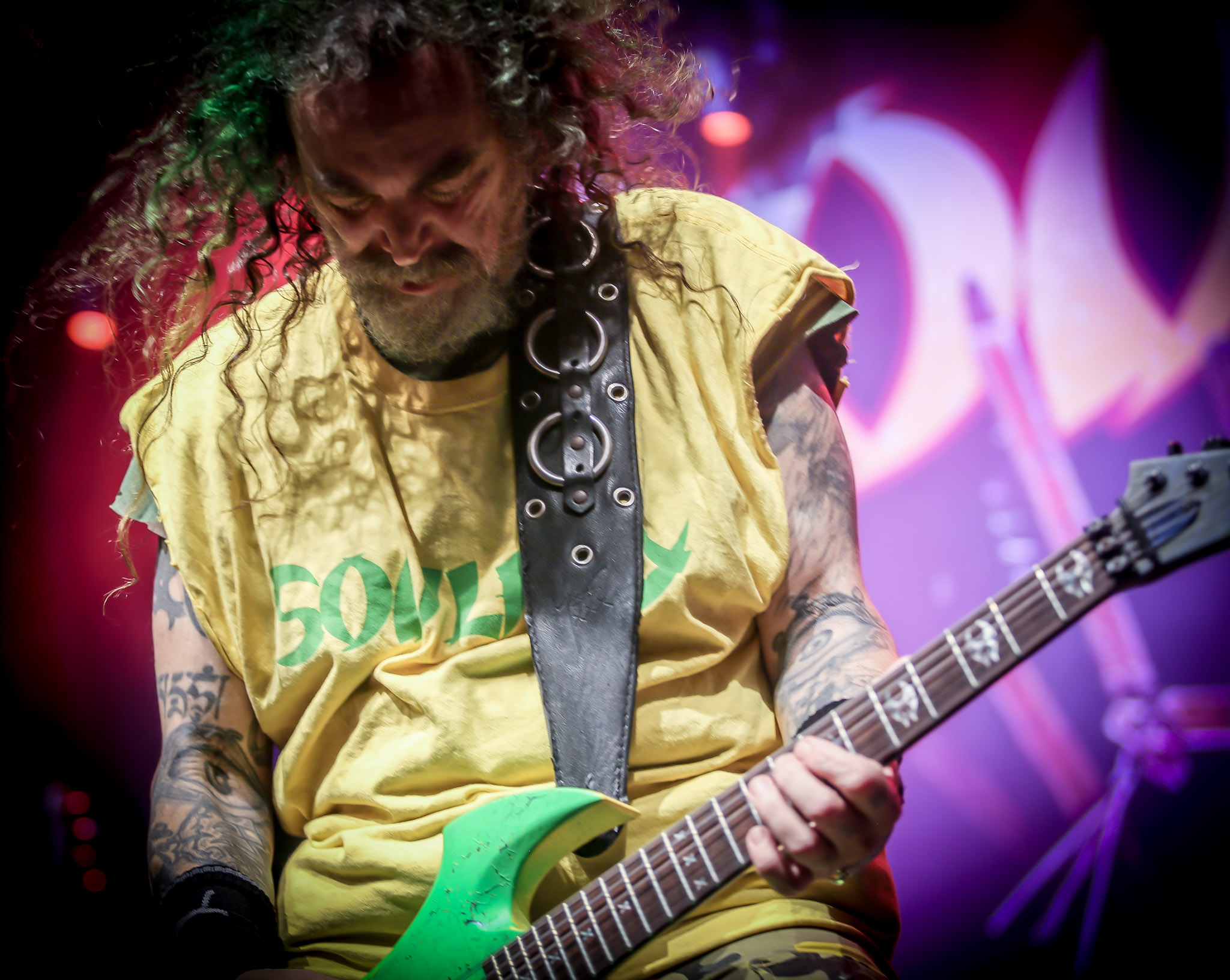
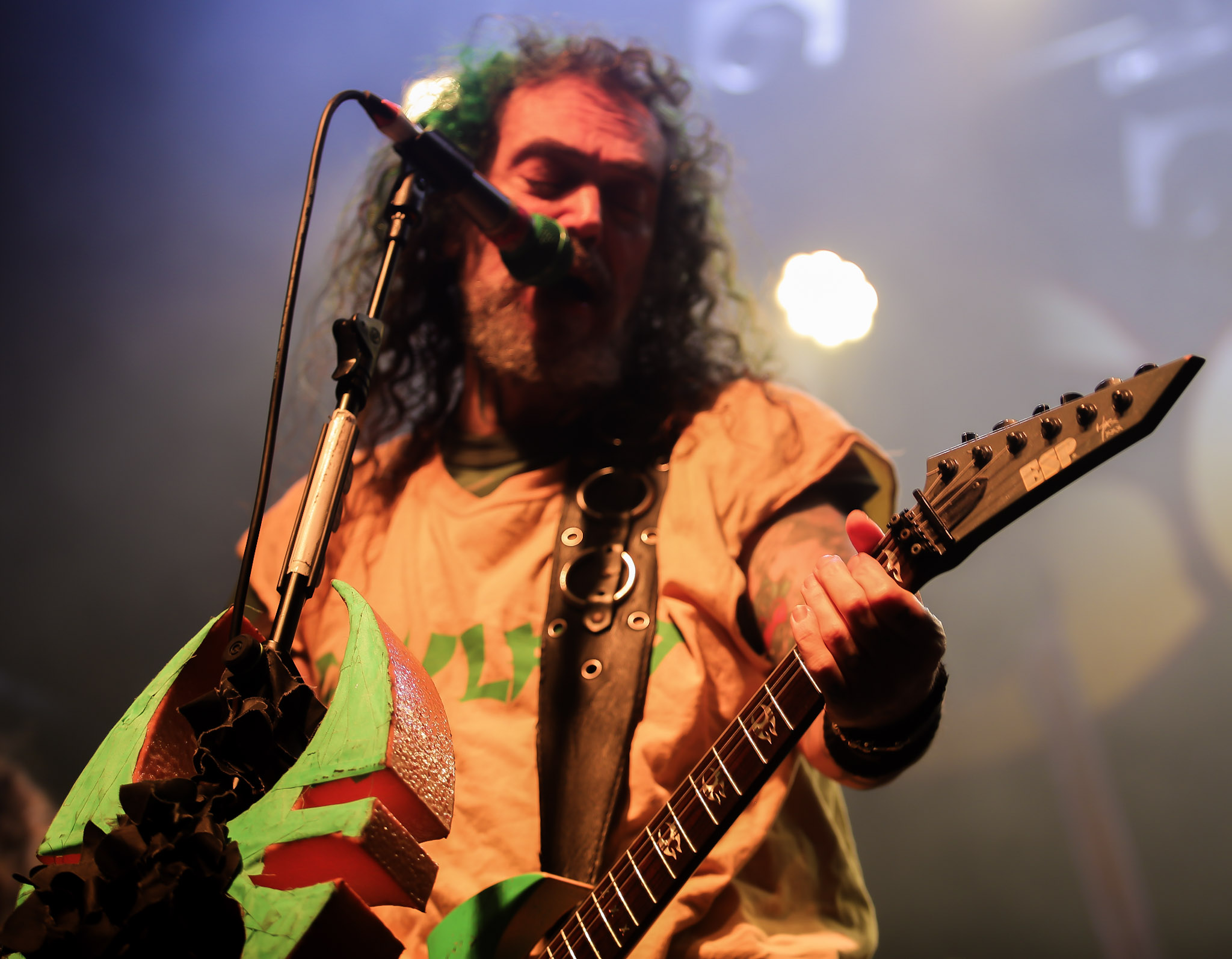
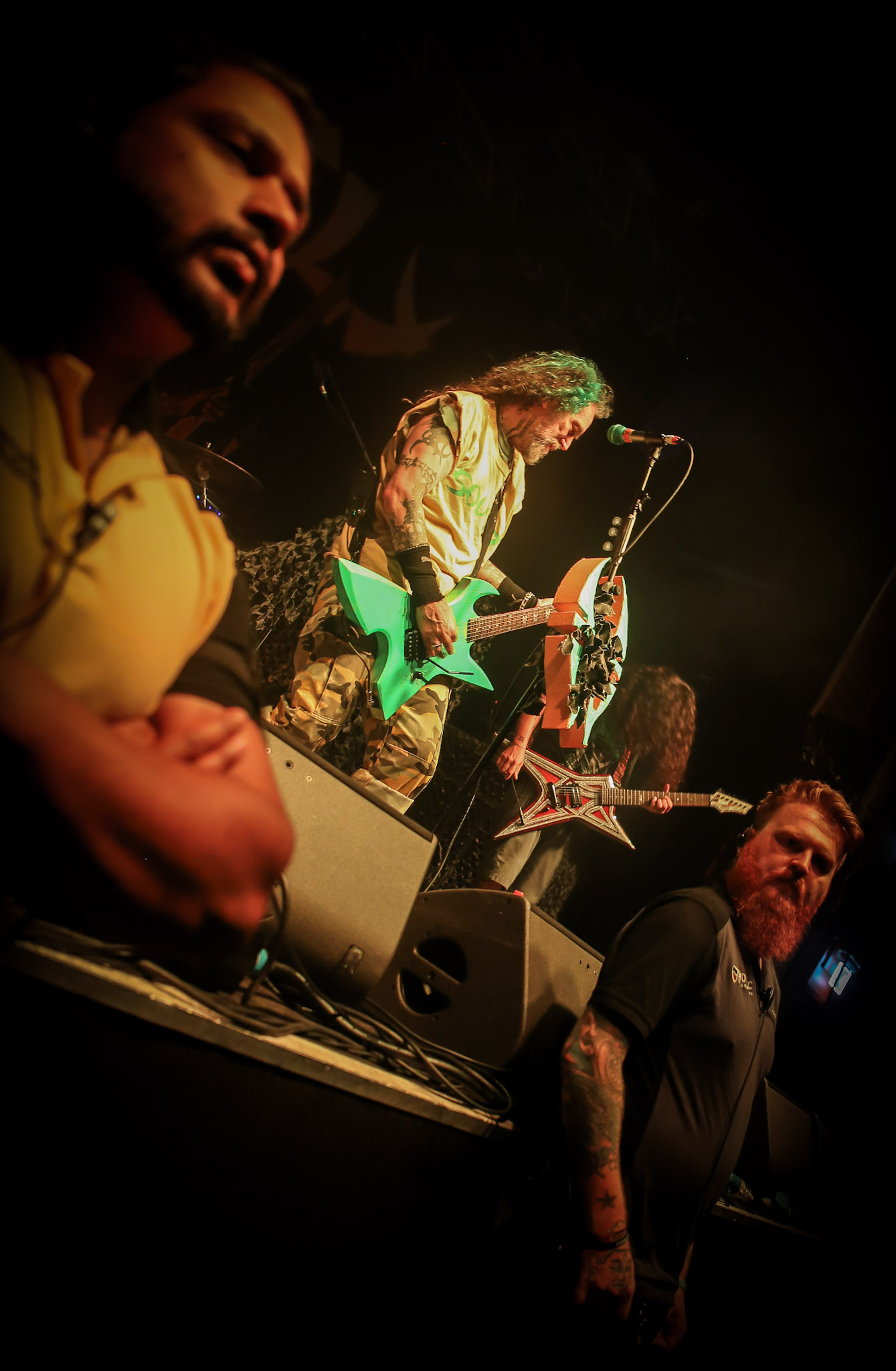
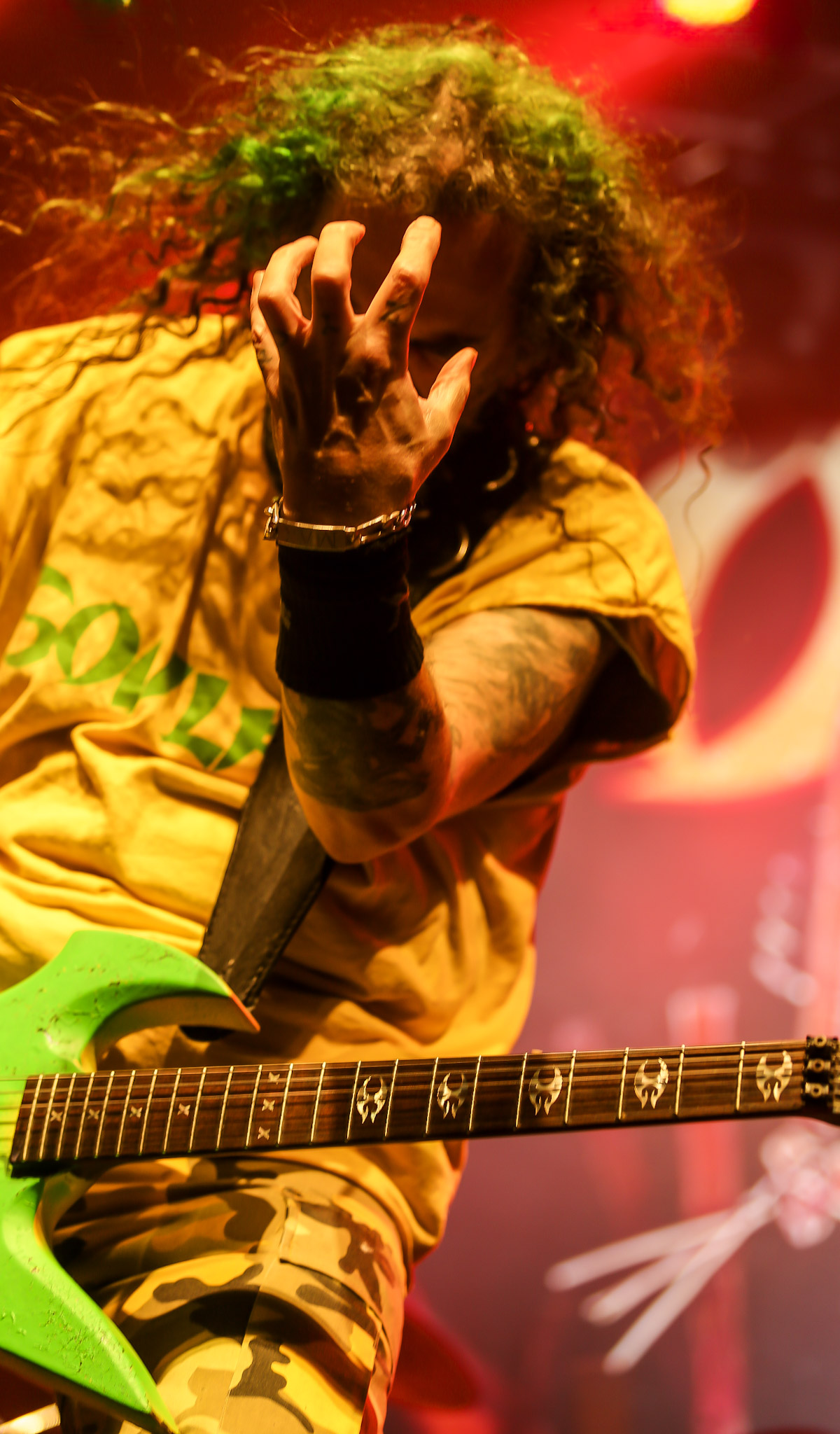
Rather than feeling like three versions of the same show, the bill became a tour through different aspects of Extreme Metal — from Exorcism’s Death tinged Thrash, through Nailbomb’s Industrial Hardcore assault, to Soulfly’s Groove-driven attack.
There was inevitably a sense of history hanging over the evening. Max Cavalera’s career has touched an extraordinary number of corners of heavy music, from his work with Sepultura through Nailbomb, Soulfly and Cavalera Conspiracy. Very few musicians can claim to have been involved in projects that have had such a lasting influence on different generations of Metal fans, yet the evening never felt like a museum piece.
That is perhaps the most impressive thing about Cavalera’s music. These songs might have been written decades ago, but the response from the Manchester crowd suggested that they still have considerable power. Nailbomb, especially, demonstrated how well music that was born from the Industrial and Extreme-Metal scenes of the 1990s can still sound vicious in a modern venue.
The audience itself reflected that longevity. There were clearly people in the room who had been following Cavalera’s work for decades, standing alongside younger fans who had discovered the records more recently, and the shared enthusiasm for Nailbomb was particularly striking. The sea of Nailbomb shirts was almost a visual representation of the band’s enduring cult status, while the fact that the merch stand actually ran out of some Nailbomb designs only strengthened that impression.
Merchandise might seem like a trivial detail compared with the music, but at a gig it can be surprisingly revealing. Bands don’t sell out shirts because people are mildly interested in them; they sell out because fans want something tangible to take home and because there is genuine enthusiasm for what they’ve just witnessed — or what they are about to witness. In this case, Nailbomb clearly had Manchester’s attention.
The crowd was an essential part of the evening. Metal audiences can sometimes be difficult to impress, particularly when a bill is built around established names and the expectation level is already high, but Manchester seemed more than happy to meet the bands halfway. The pits came and went throughout the night, while the crowd at the front remained packed and energetic. There was the familiar mixture of aggression and camaraderie that makes a good metal show such a satisfying experience.
People were there to get battered by the music, but there was also a clear sense of community, which is one of the great contradictions of a night like this. On stage, the music is furious, violent and occasionally downright ugly; in the crowd, however, there is usually an unspoken understanding that everyone is there for the same reason. You can throw yourself into the pit, get knocked around for a few minutes and then find yourself helping someone back to their feet. That spirit was present throughout the evening, and it was exactly the kind of environment in which Nailbomb and Soulfly make sense.
The real success of this Manchester show was that none of the three acts felt like an afterthought. Exorcism provided a suitably heavy opening assault, Nailbomb delivered the evening’s most abrasive and unexpected experience, and Soulfly finished things with the groove, power and sheer stage presence you’d expect from one of metal’s most enduring names.
But Nailbomb arguably provided the biggest talking point. The reaction to the band was impossible to miss. From the number of Nailbomb shirts circulating around the venue to the merch stand selling out of several designs, and from the relentless waves of crowd surfers to the sheer physical intensity at the barrier, Manchester made it abundantly clear that this was not simply a case of fans turning up early for Soulfly.
There was genuine, equal anticipation for Nailbomb — and the performance justified it. The sight of wave after wave of crowd surfers being propelled towards the barrier, combined with the sea of Nailbomb shirts throughout the venue, made it clear just how deeply this project has embedded itself in the consciousness of extreme-metal fans. For a band with such a small catalogue and such a sporadic live history, that level of devotion is remarkable.
For Soulfly, meanwhile, it was another reminder of why Cavalera remains such an important figure in heavy music. Decades into his career, he can still walk onto a stage, plug in a guitar and unleash a crowd into complete chaos. The music remains capable of connecting with both longtime fans and a younger generation, and the sheer physical response from the Manchester audience demonstrated that these songs have lost none of their power.
Ultimately, this was a night that celebrated the heavier side of Cavalera’s musical legacy without feeling trapped by nostalgia. The music was still aggressive, the riffs still hit hard and the crowd still went absolutely mental, leaving Manchester suitably battered by the experience.
Three bands, three distinct sounds and one hell of a night. Loud, uncompromising and gloriously chaotic, it was exactly the way a metal gig should be.