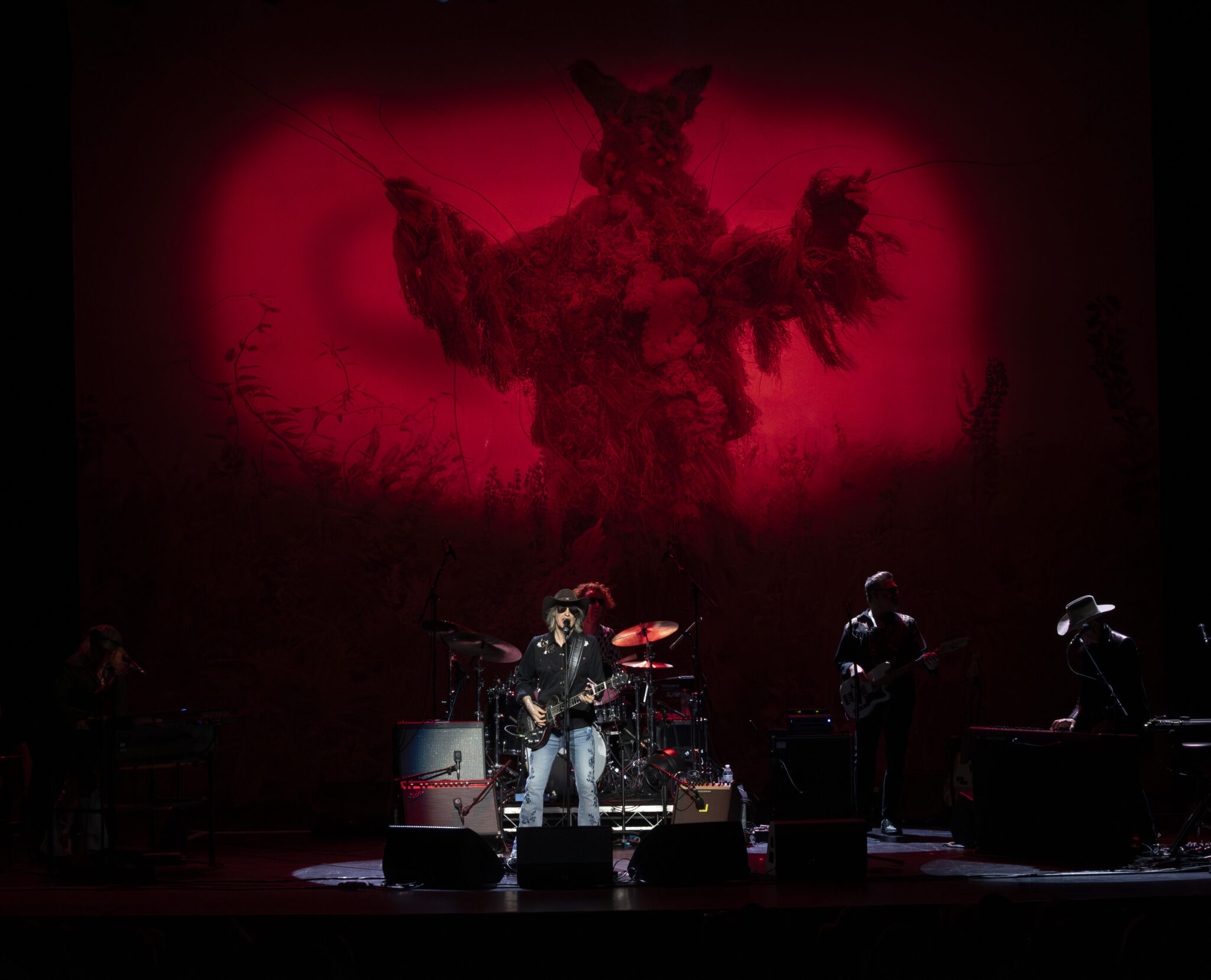
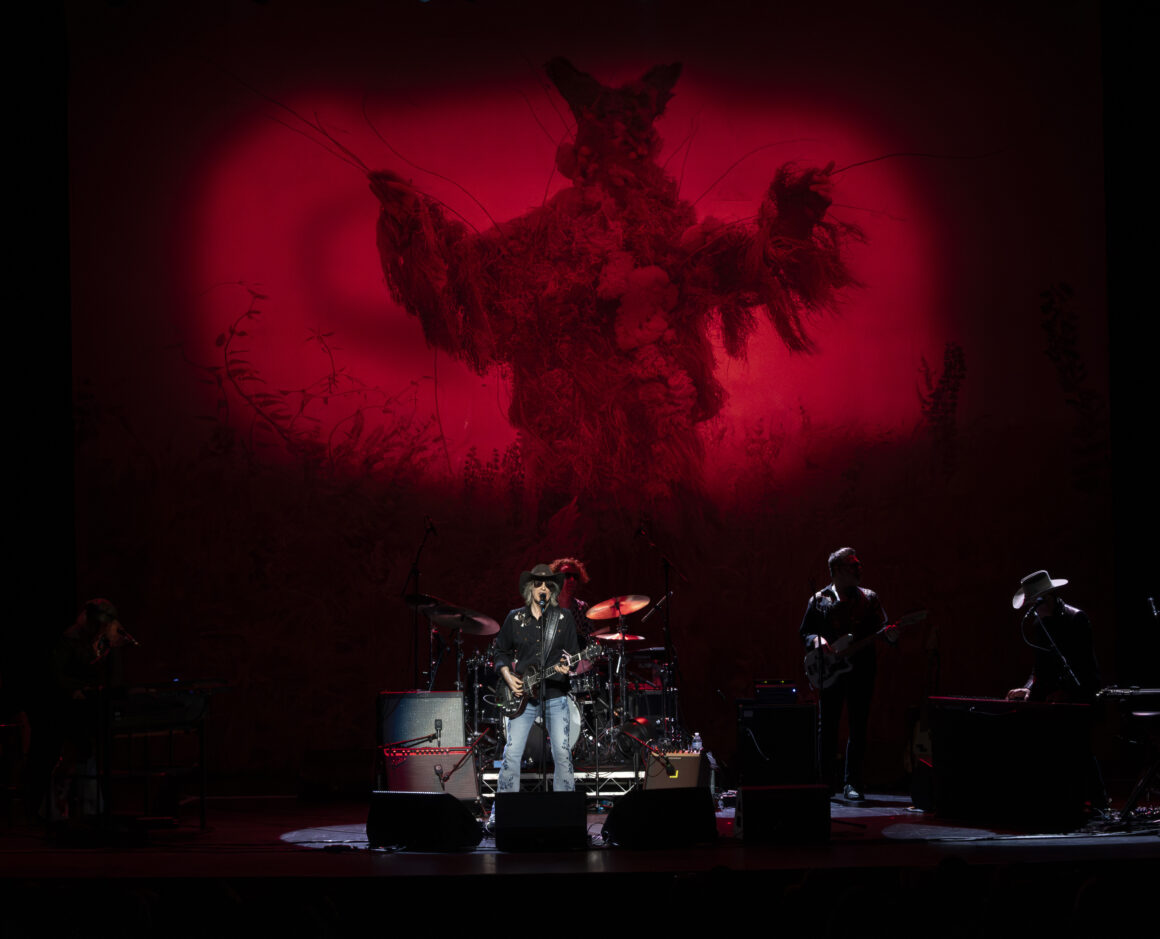
The State Theatre always feels slightly unreal at night. Gold detailing climbs the walls like something from another century, massive chandeliers hang impossibly overhead and the vast room seems almost too majestic for something as unruly as a rock concert.
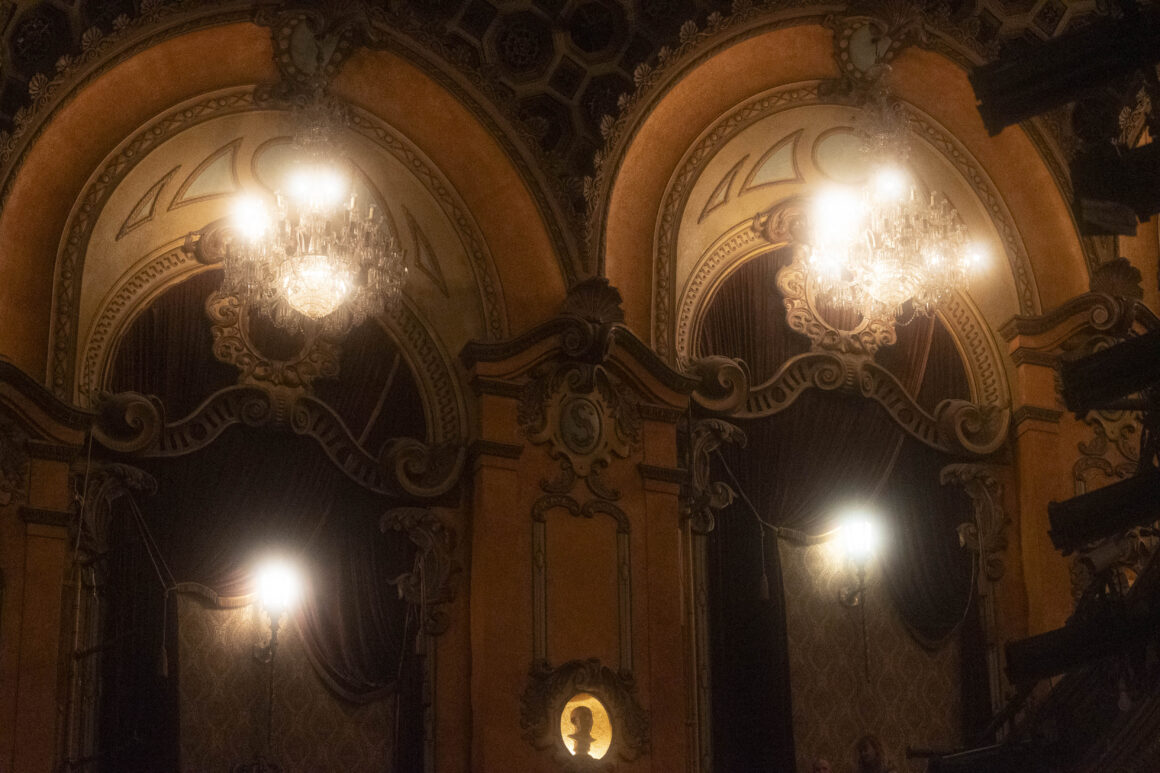
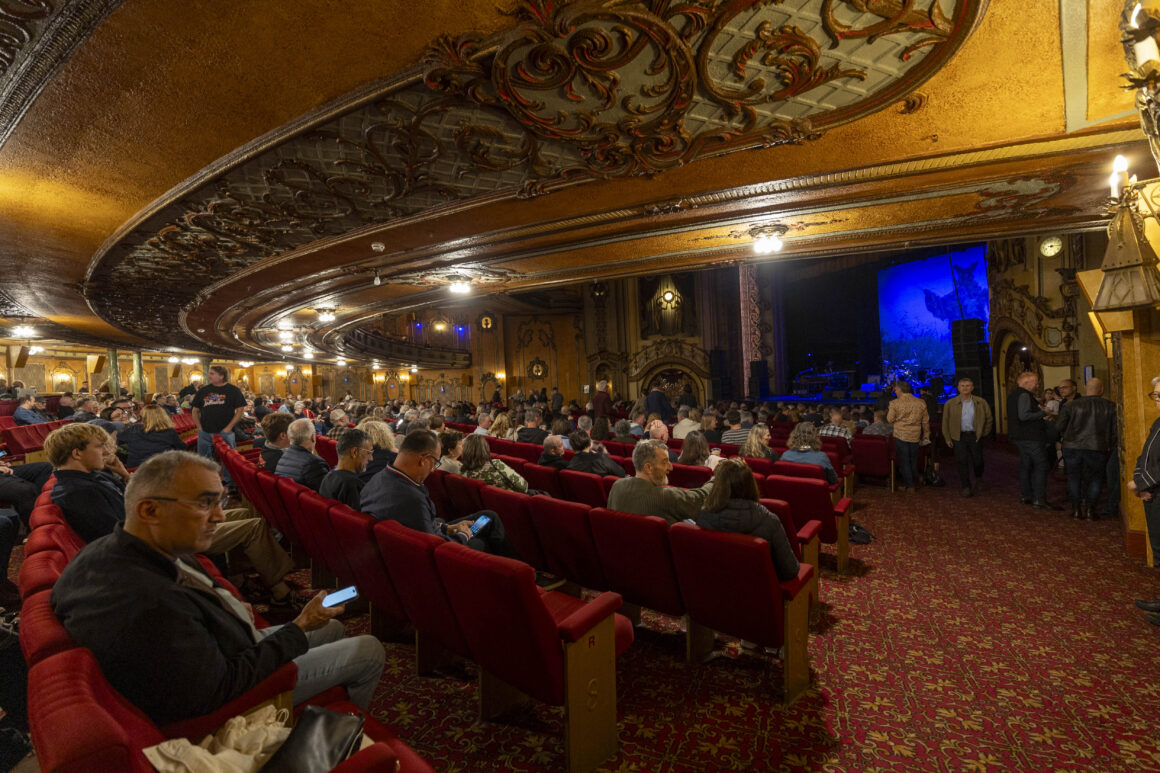
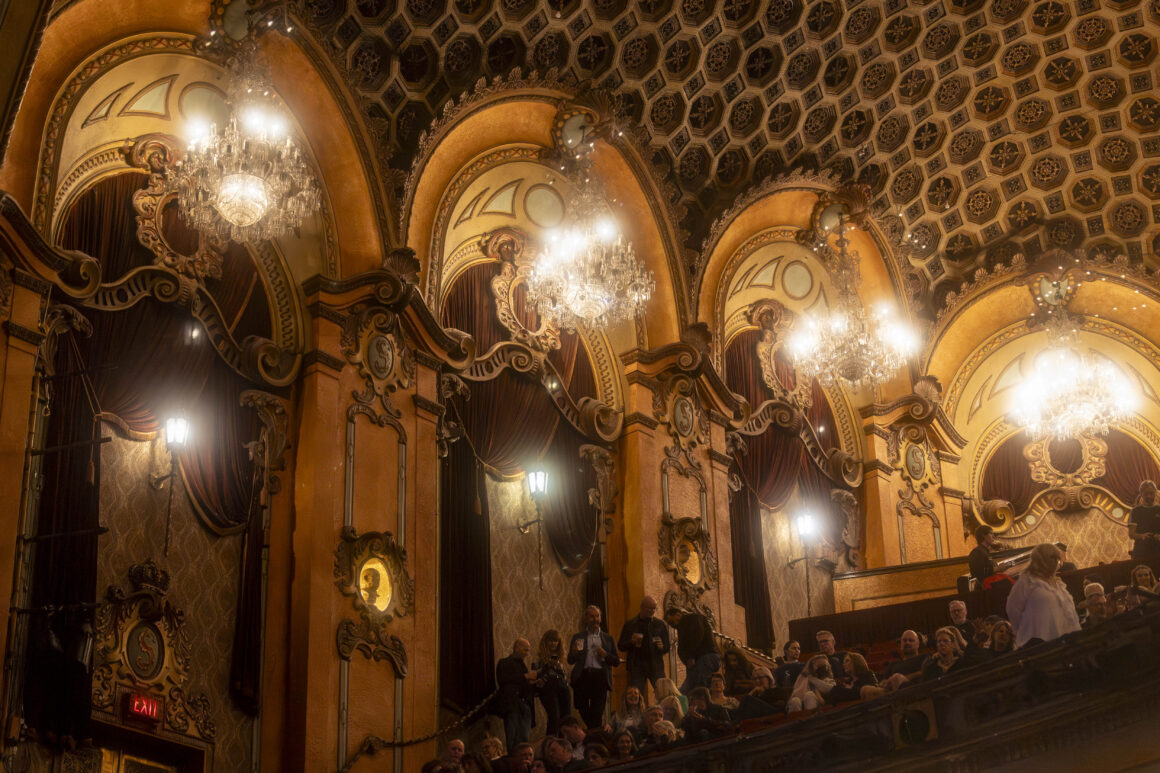
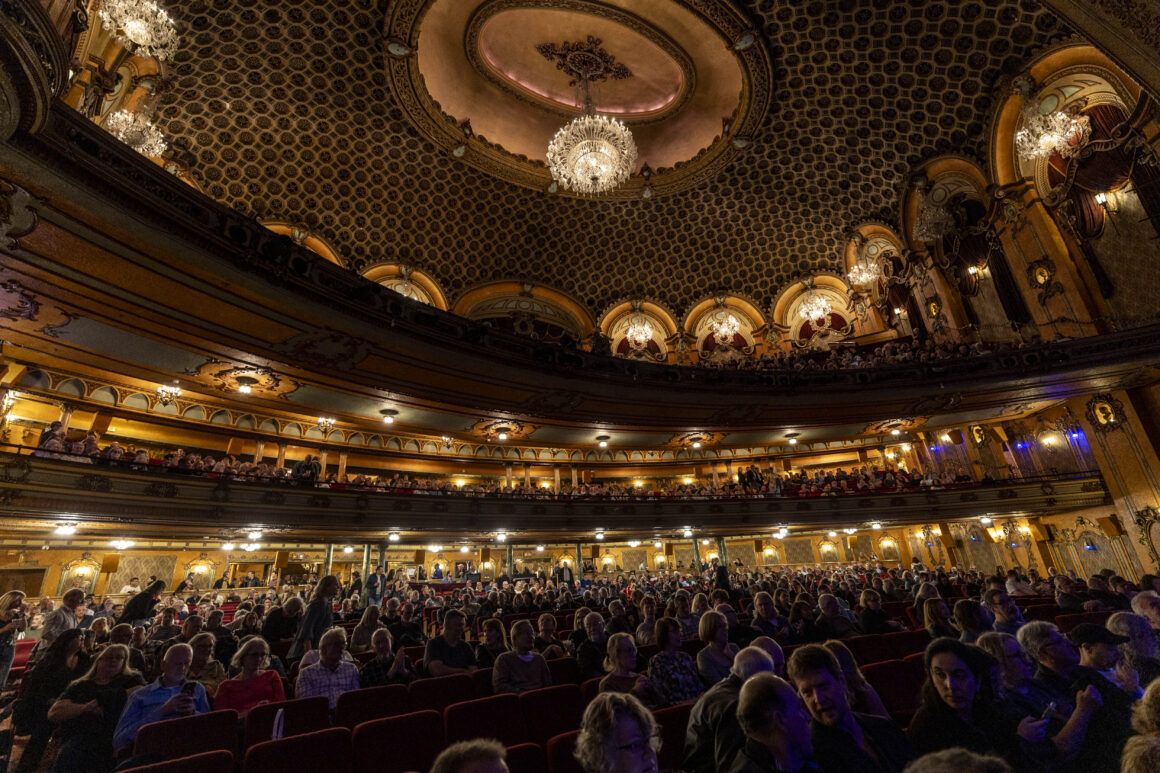
Tonight however, that strange old-world majesty suits The Waterboys perfectly. More than a decade since their last Australian tour, the band return carrying forty years of mythology, reinvention and what was once called “The Big Music.”
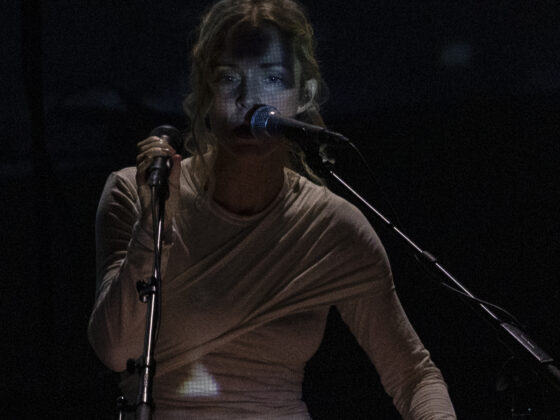
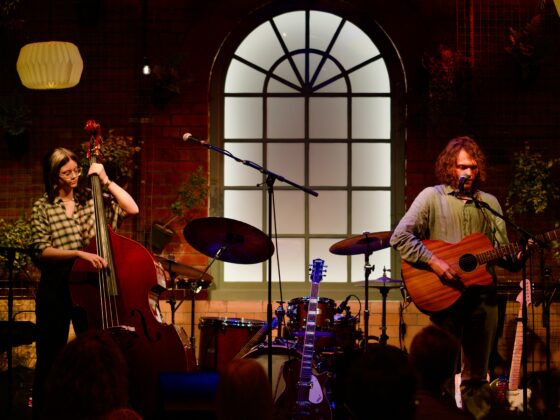
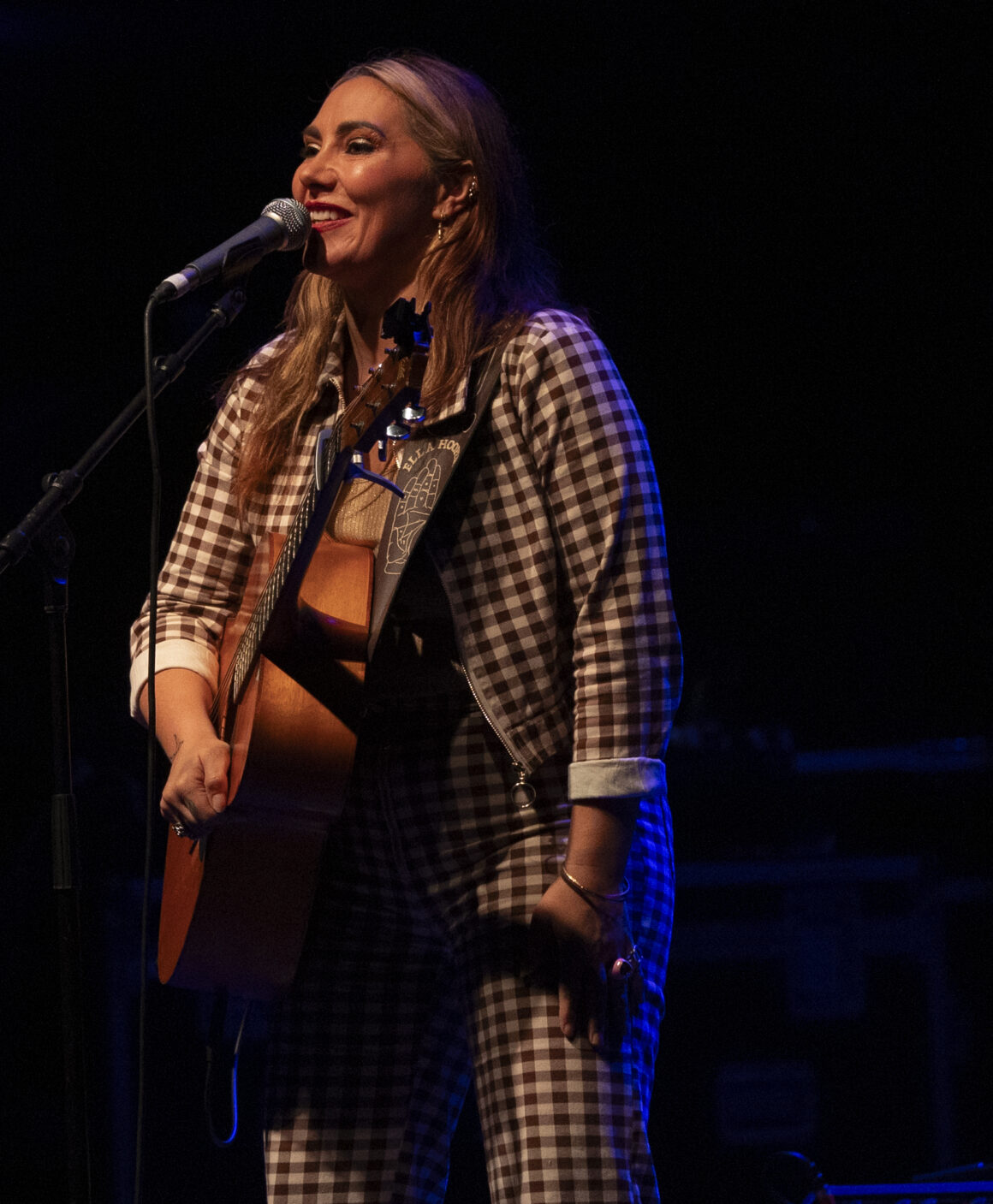
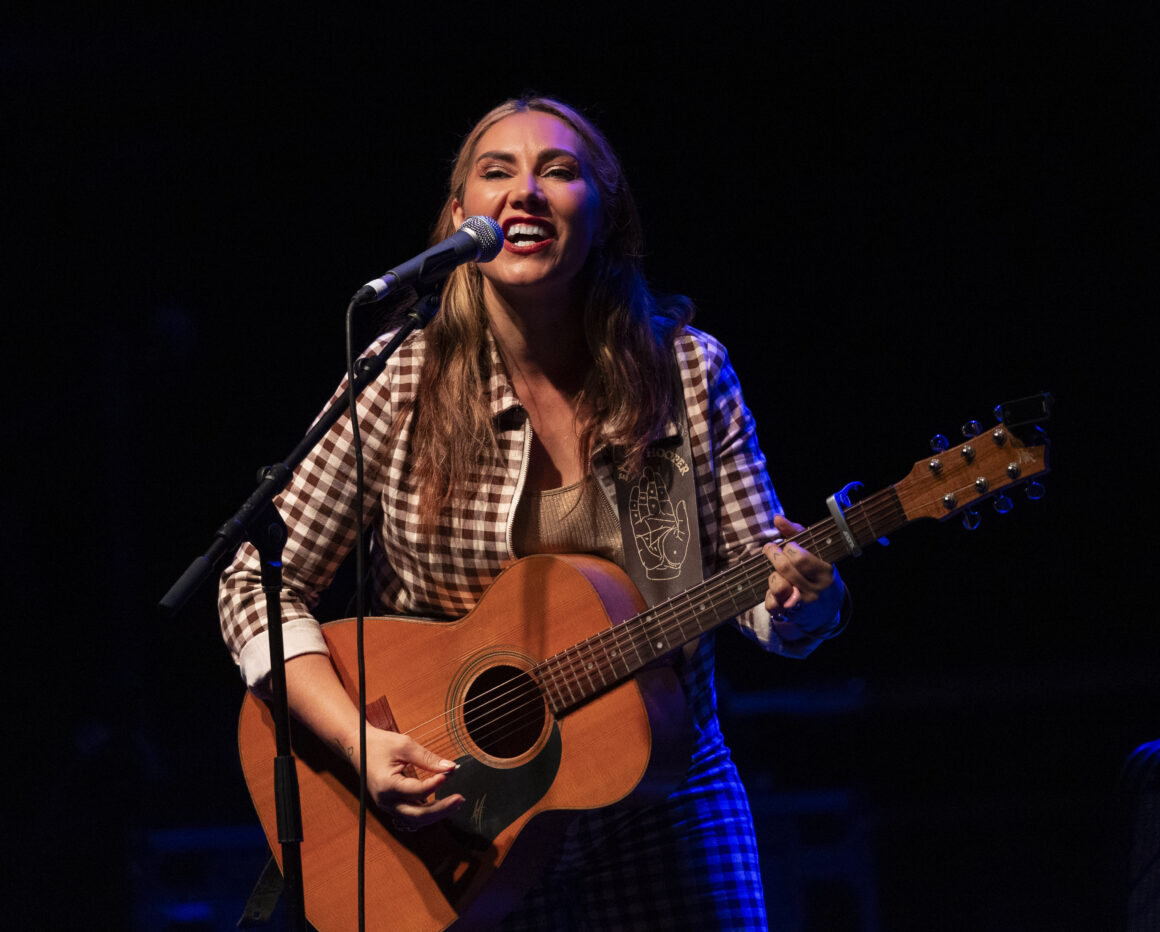
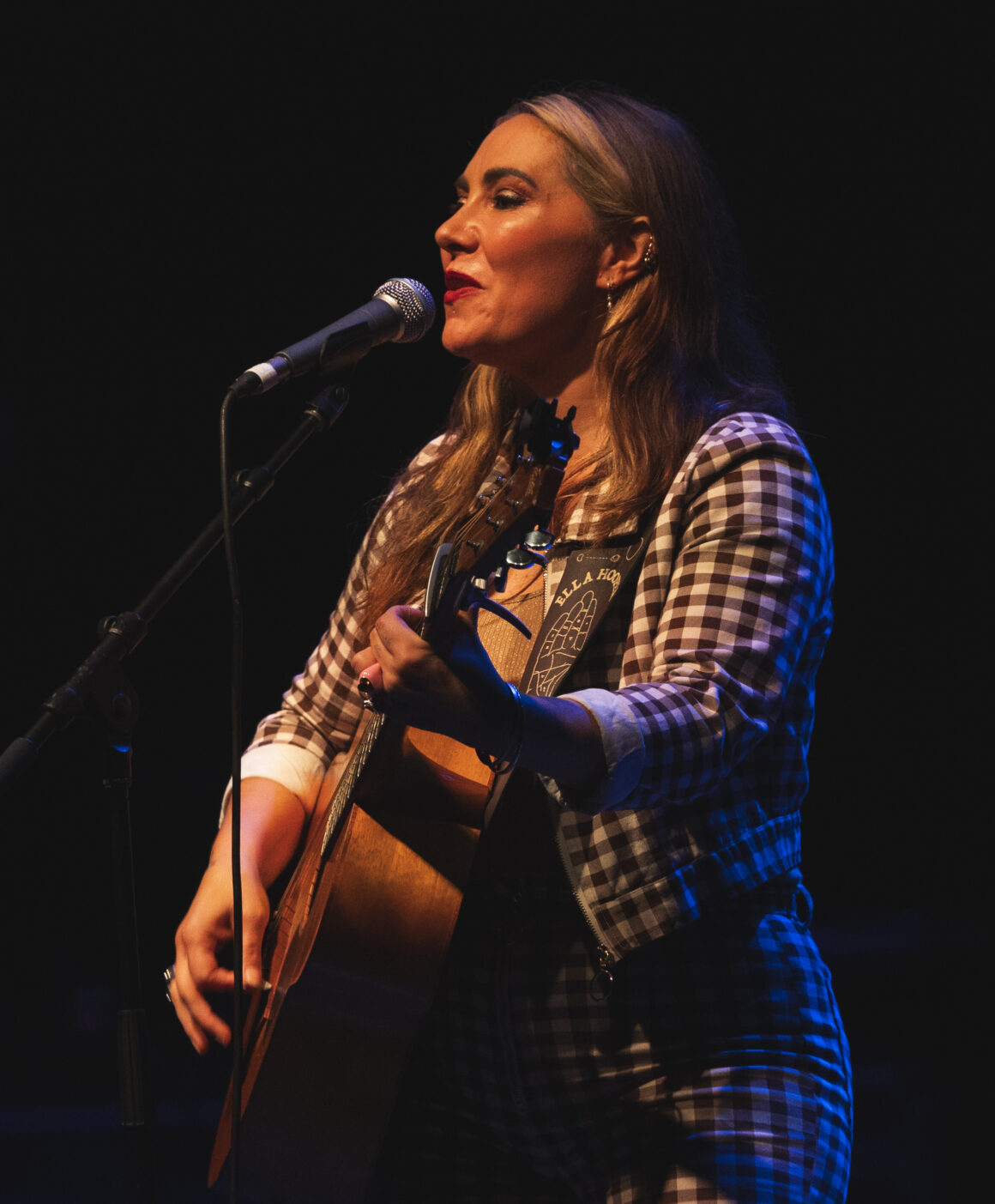
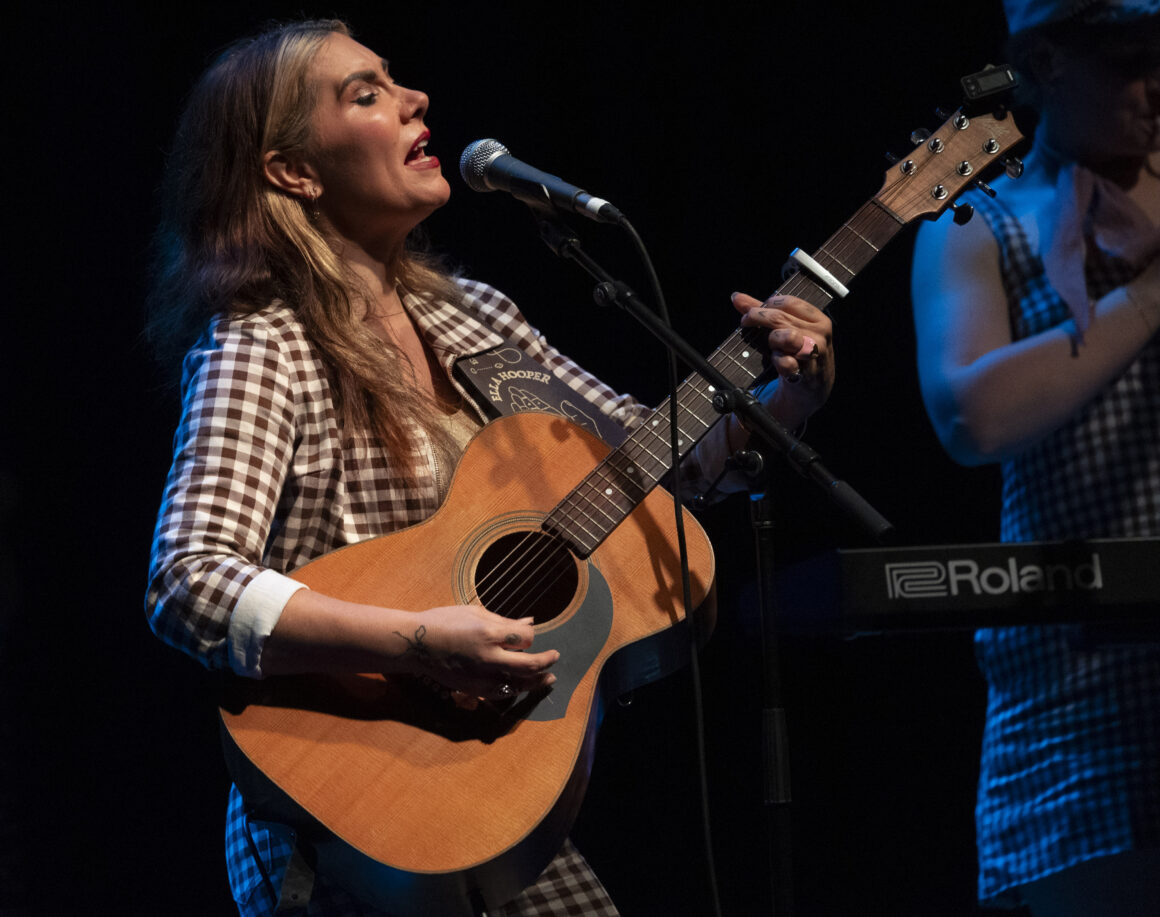
Before that, Ella Hooper walks onto the stage with easy warmth and zero interest in overcomplicating things. Best known as the voice of Killing Heidi, Hooper strips everything back tonight, leaning into the sharpness of her songwriting and the grain in her voice rather than nostalgia. There’s still a flicker of the restless energy that made Killing Heidi feel so immediate in the late ‘90s, but now it’s tempered with something looser and more lived-in. In a venue this grand, intimacy can sometimes evaporate into the ceiling. Hooper manages to pull it inward instead. Introducing new material for an upcoming album that is being shaped between Australia and Nashville, she laughs that the only thing still missing is a cowboy, or more specifically, a “cowman.”
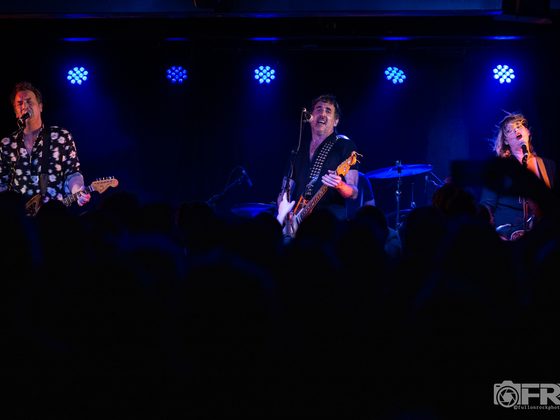
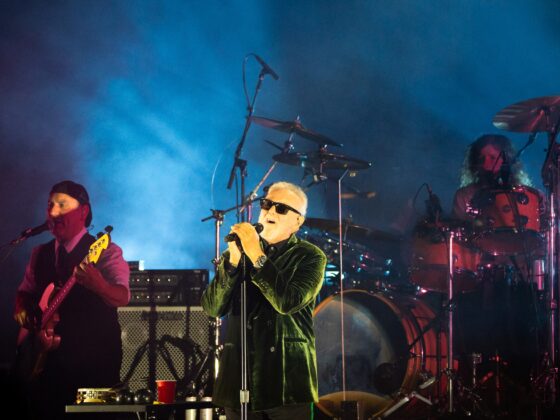
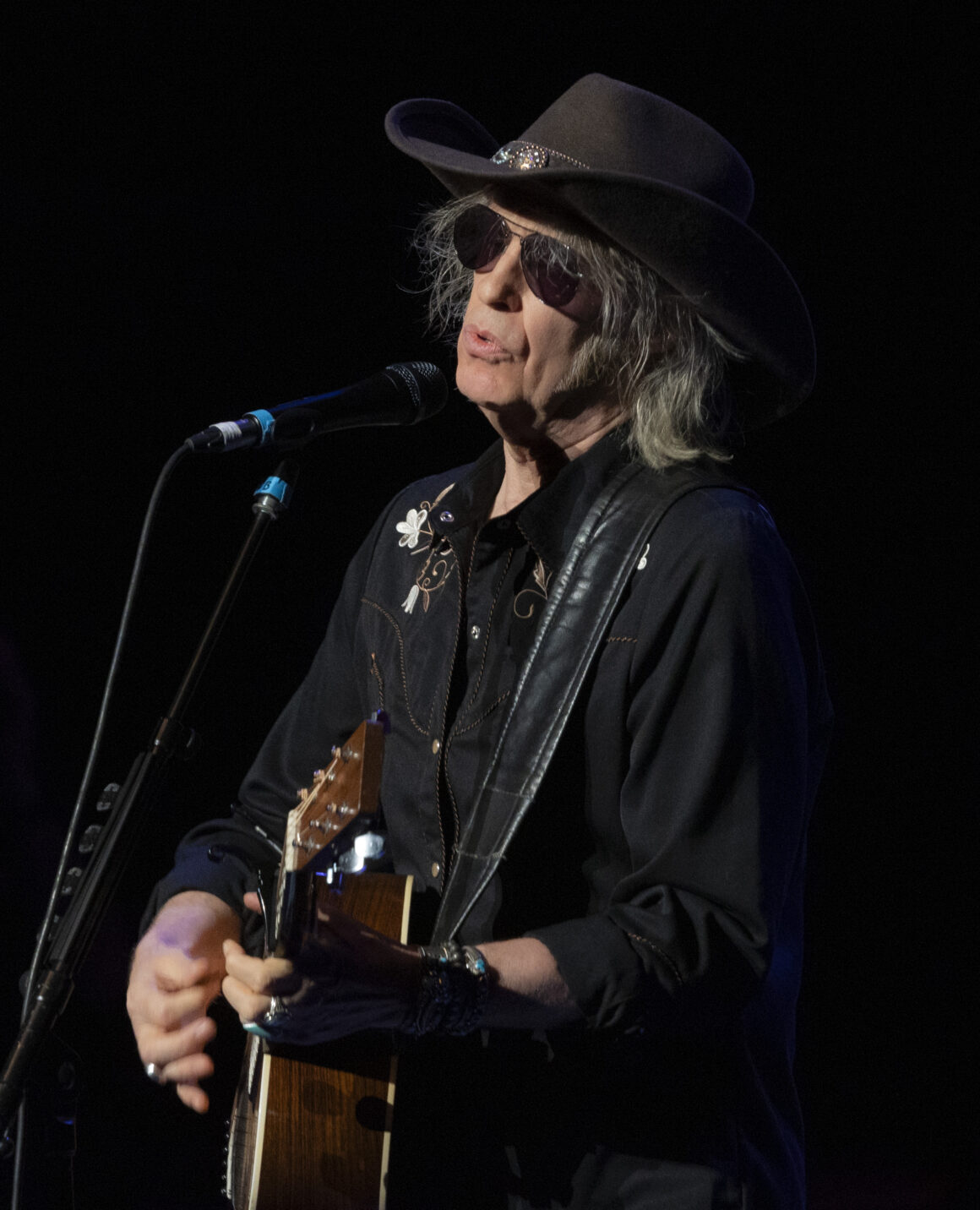
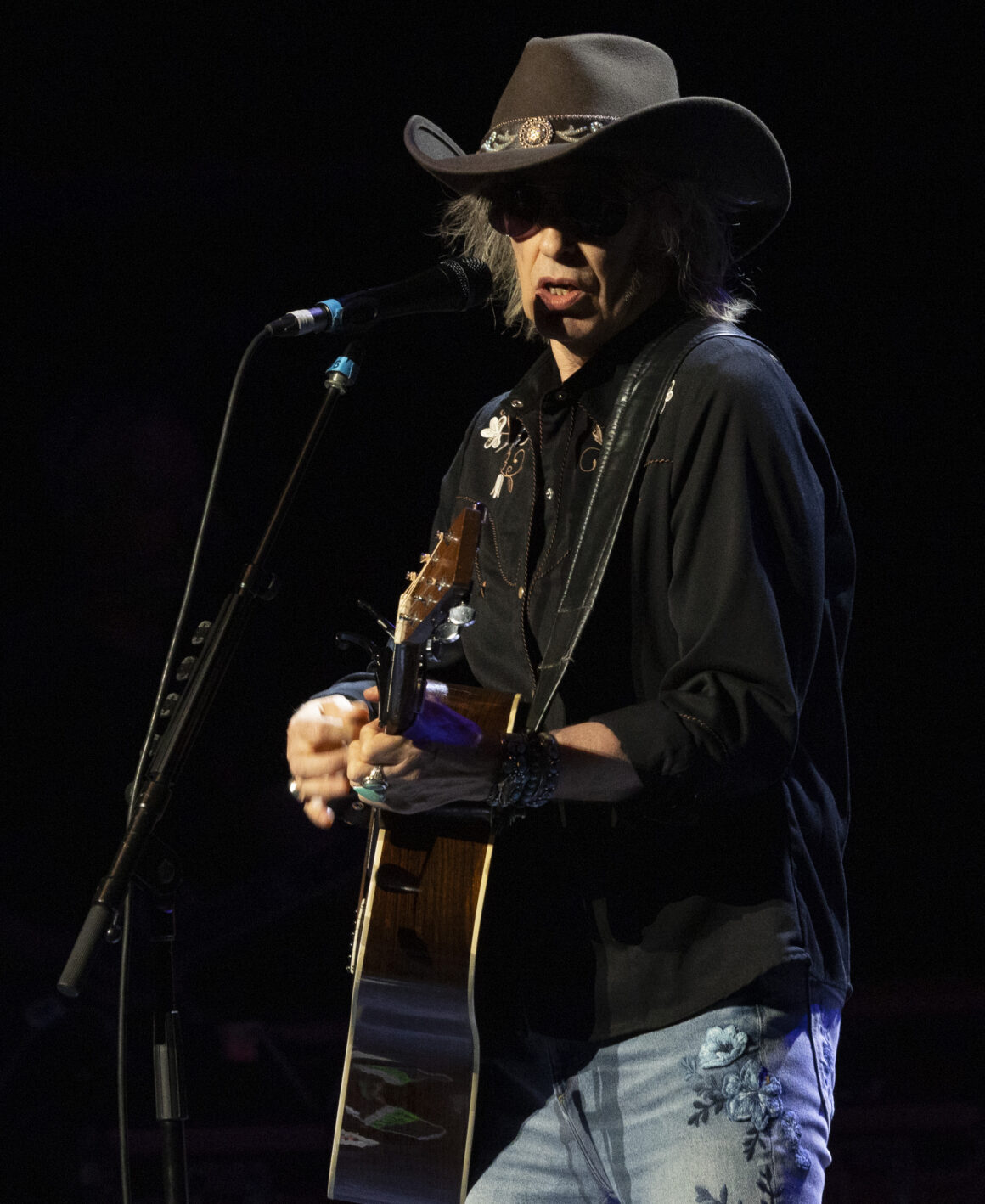
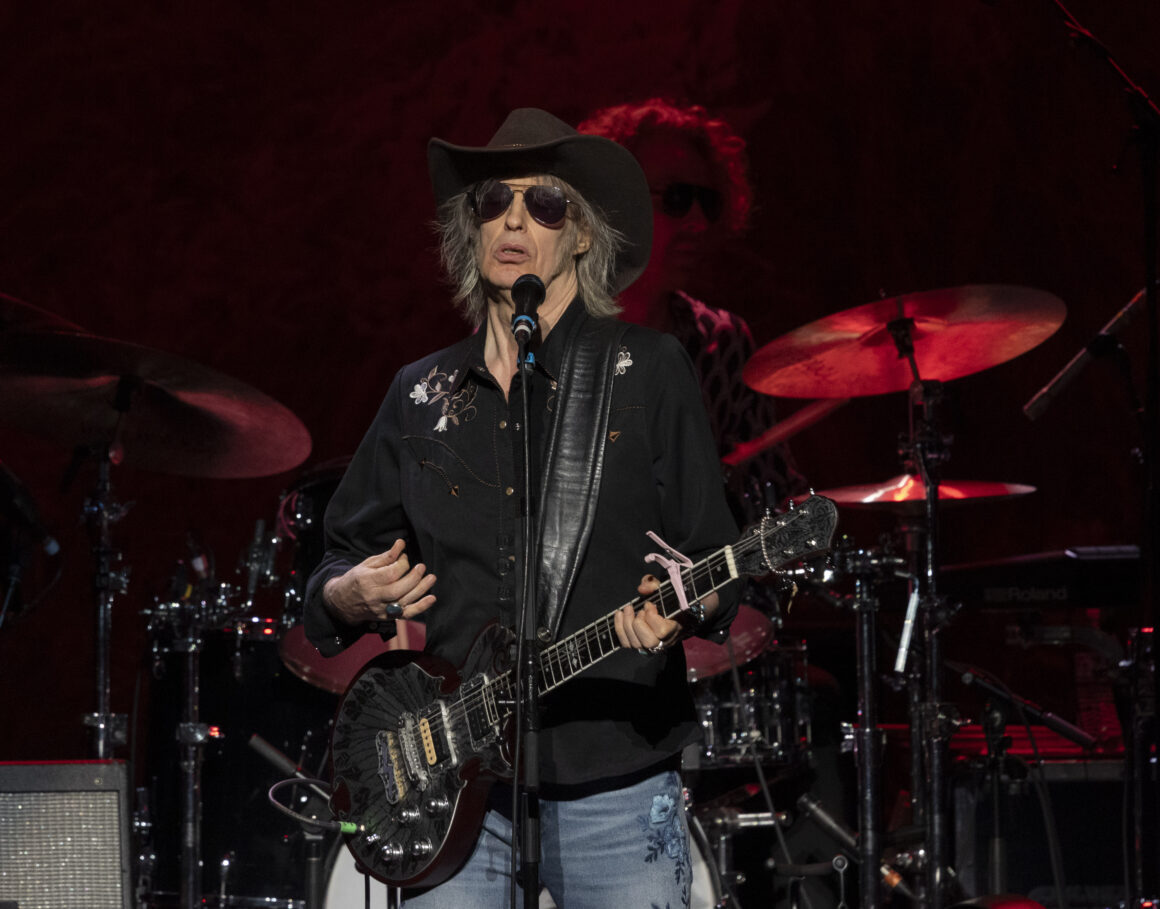
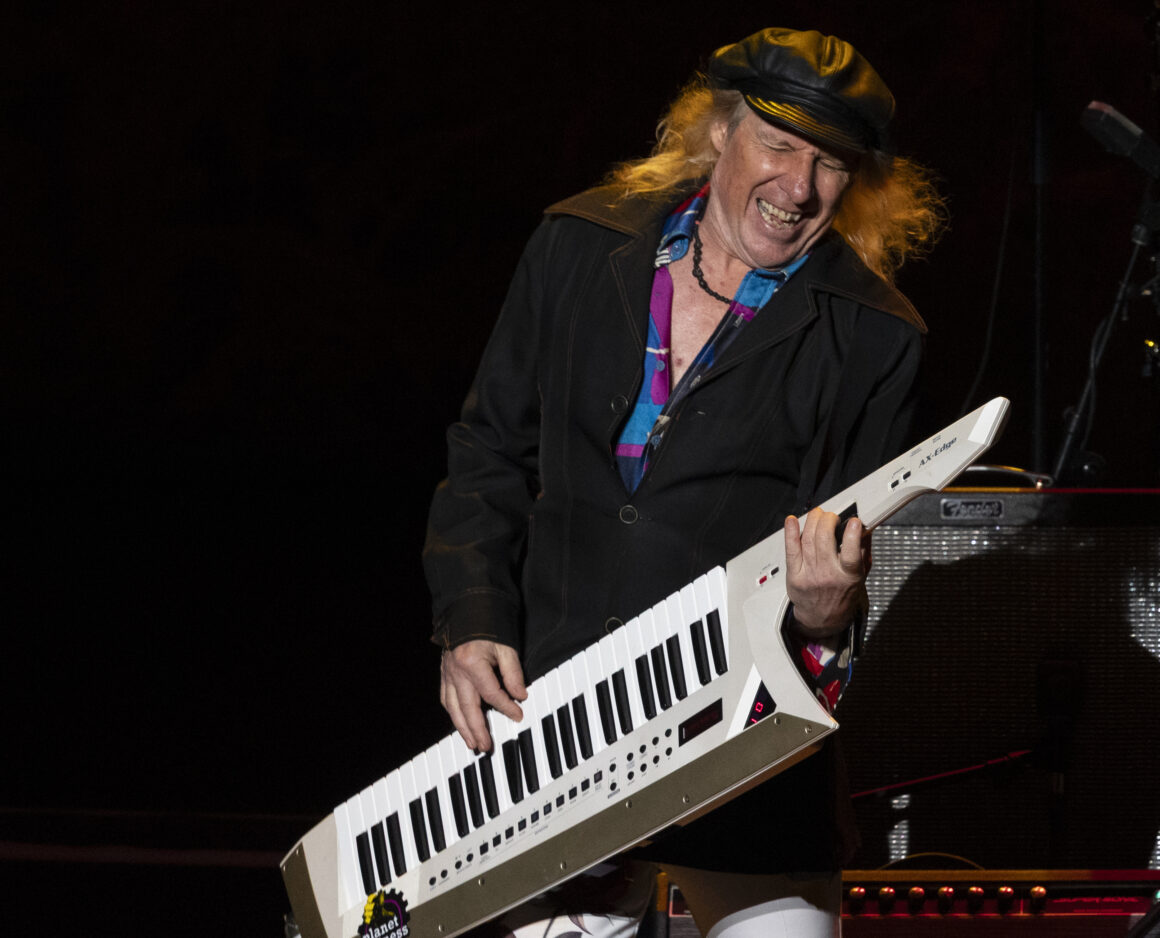
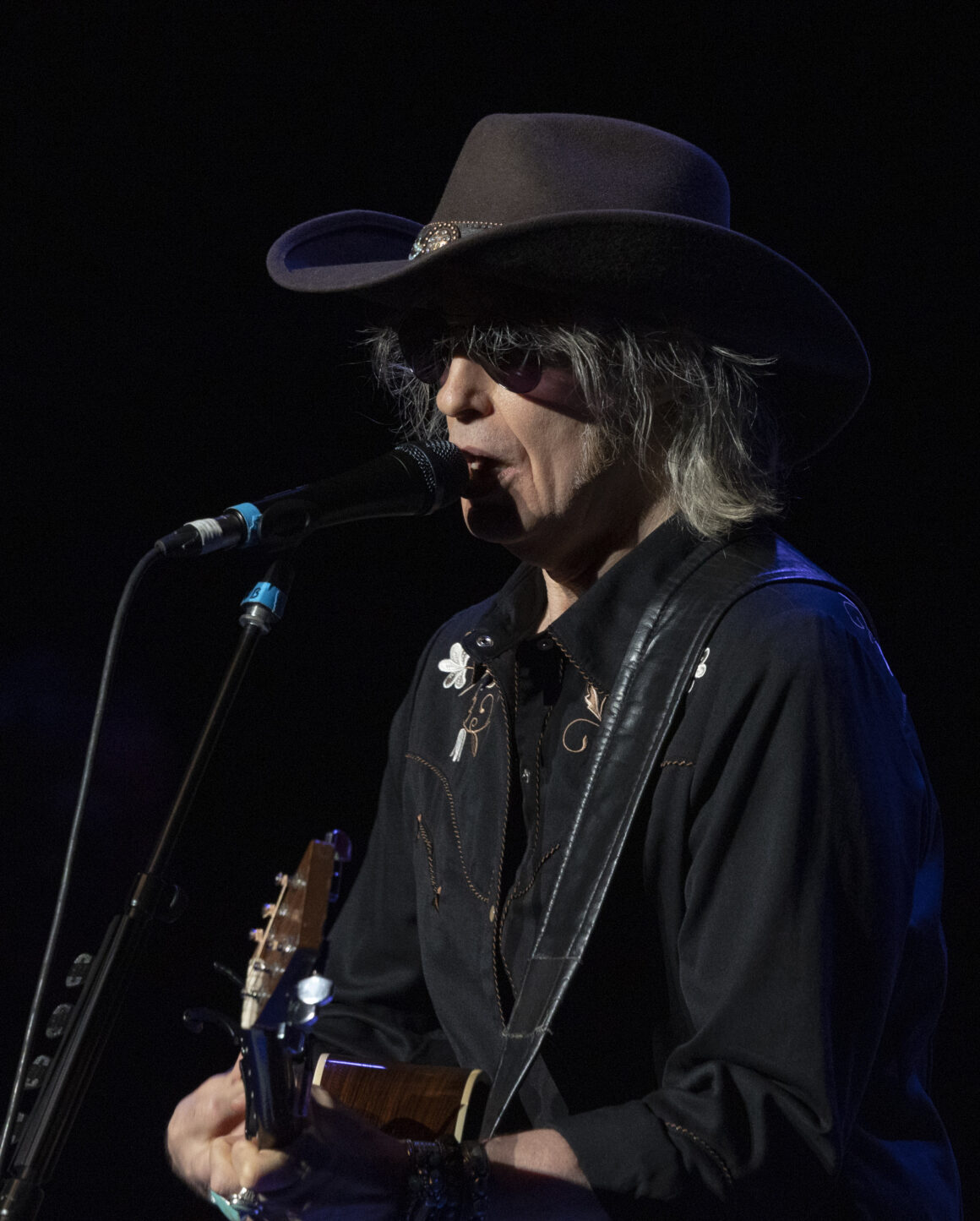
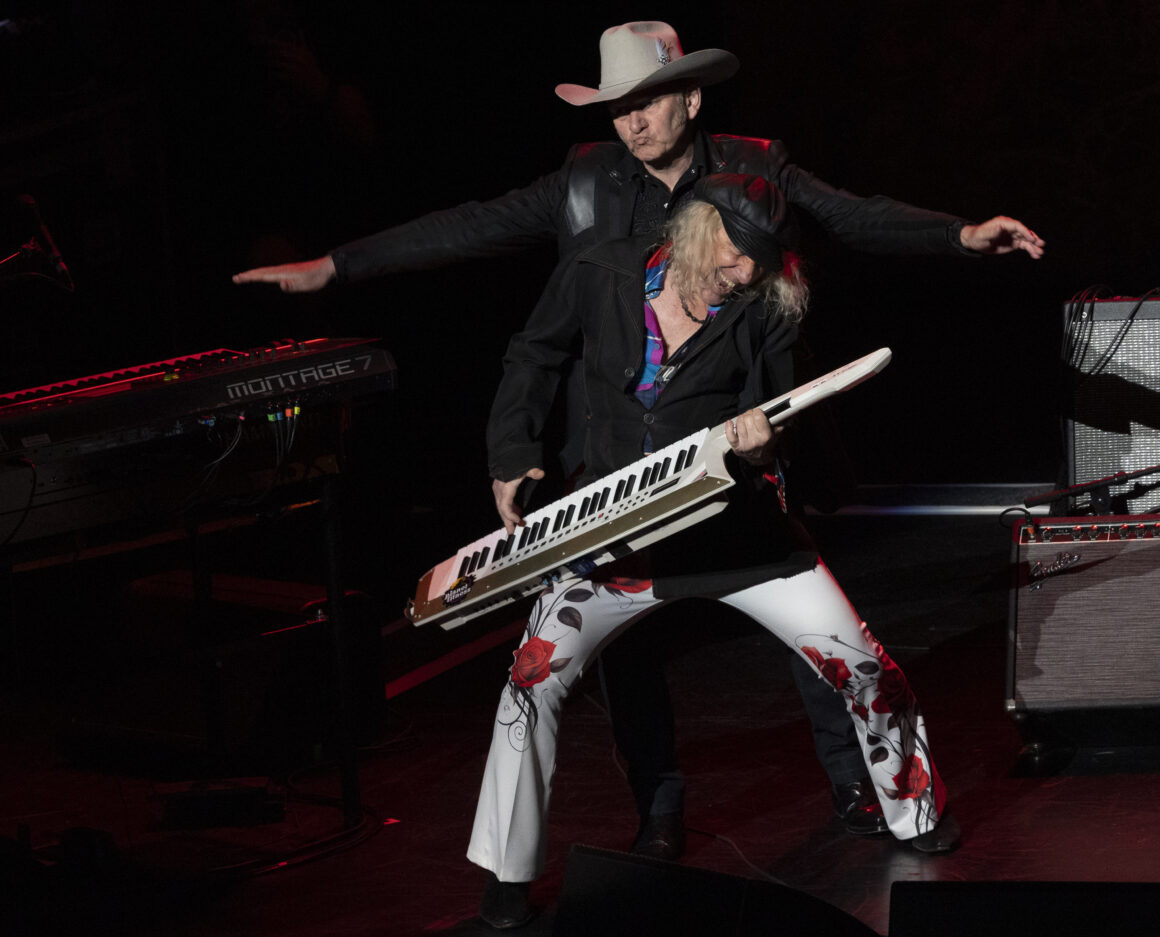
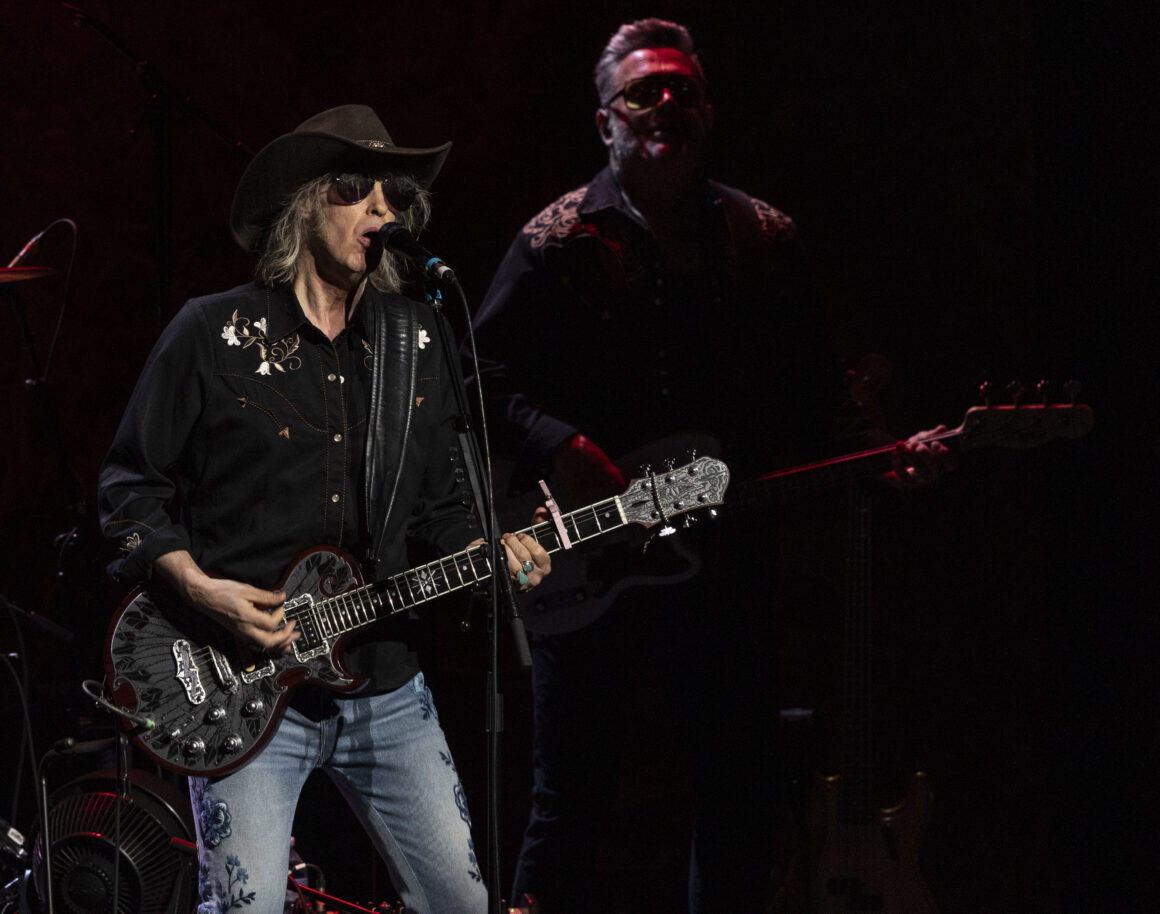
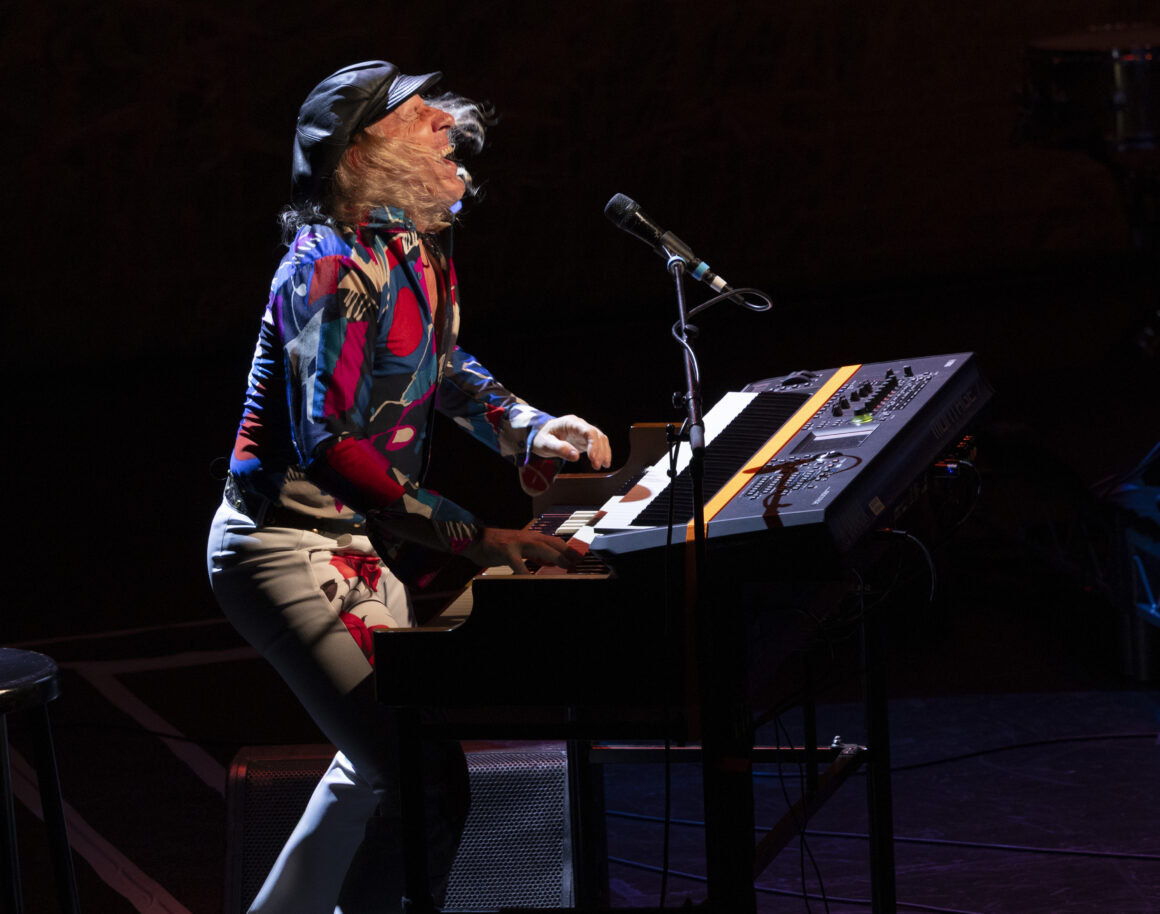
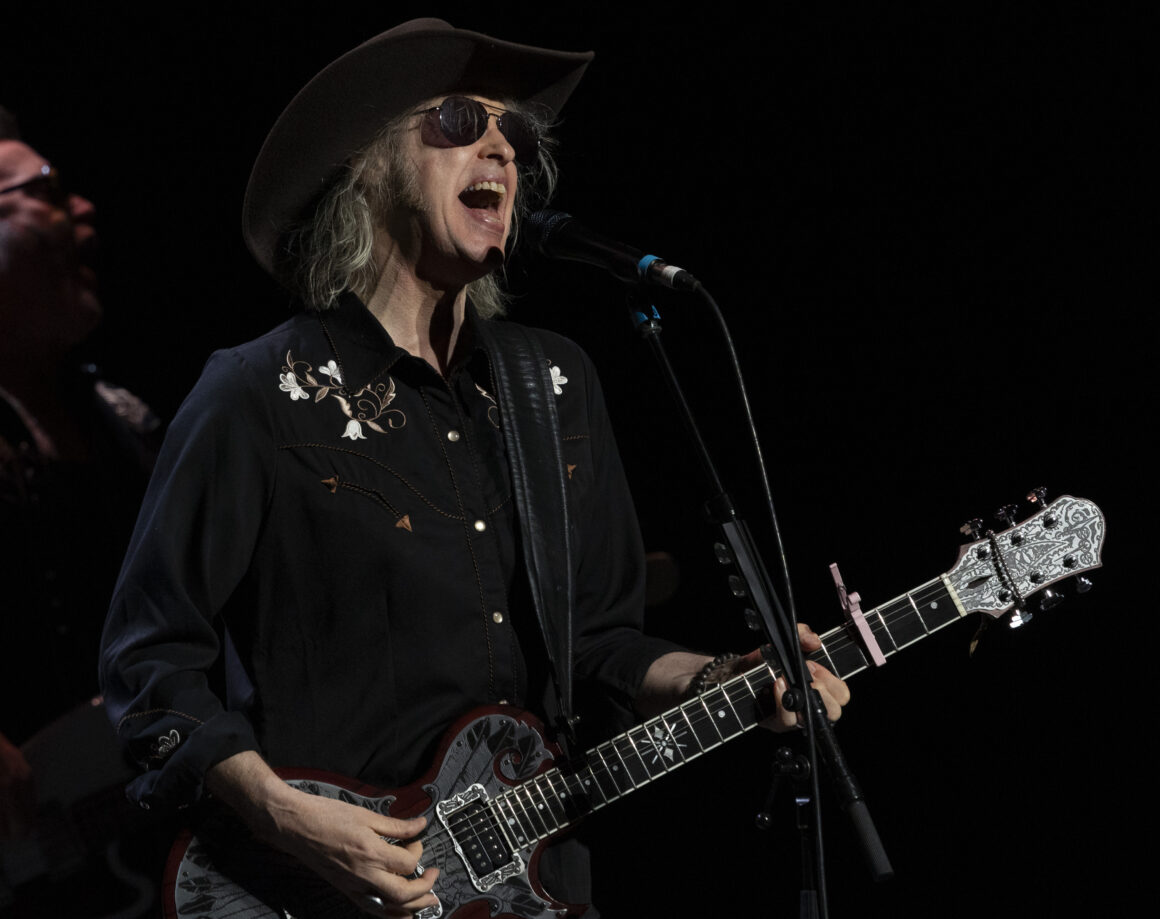
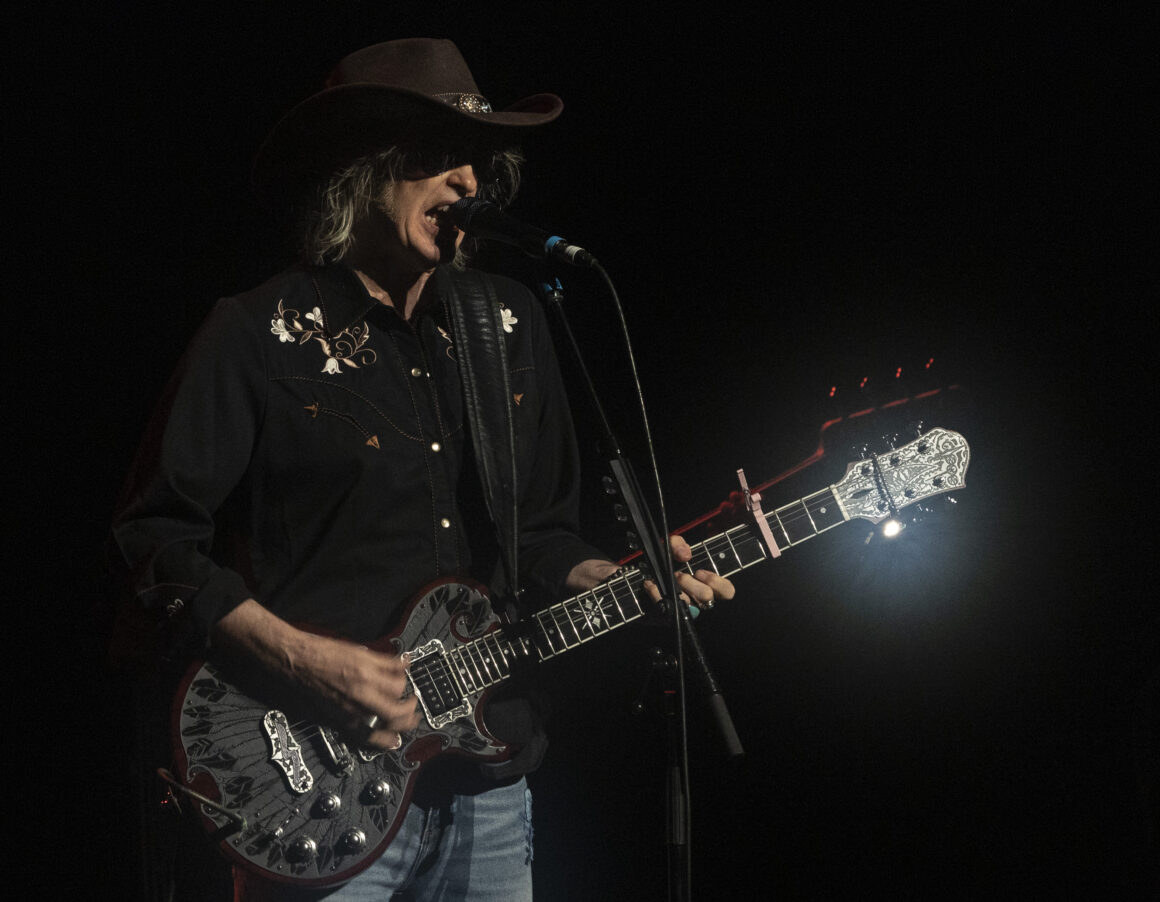
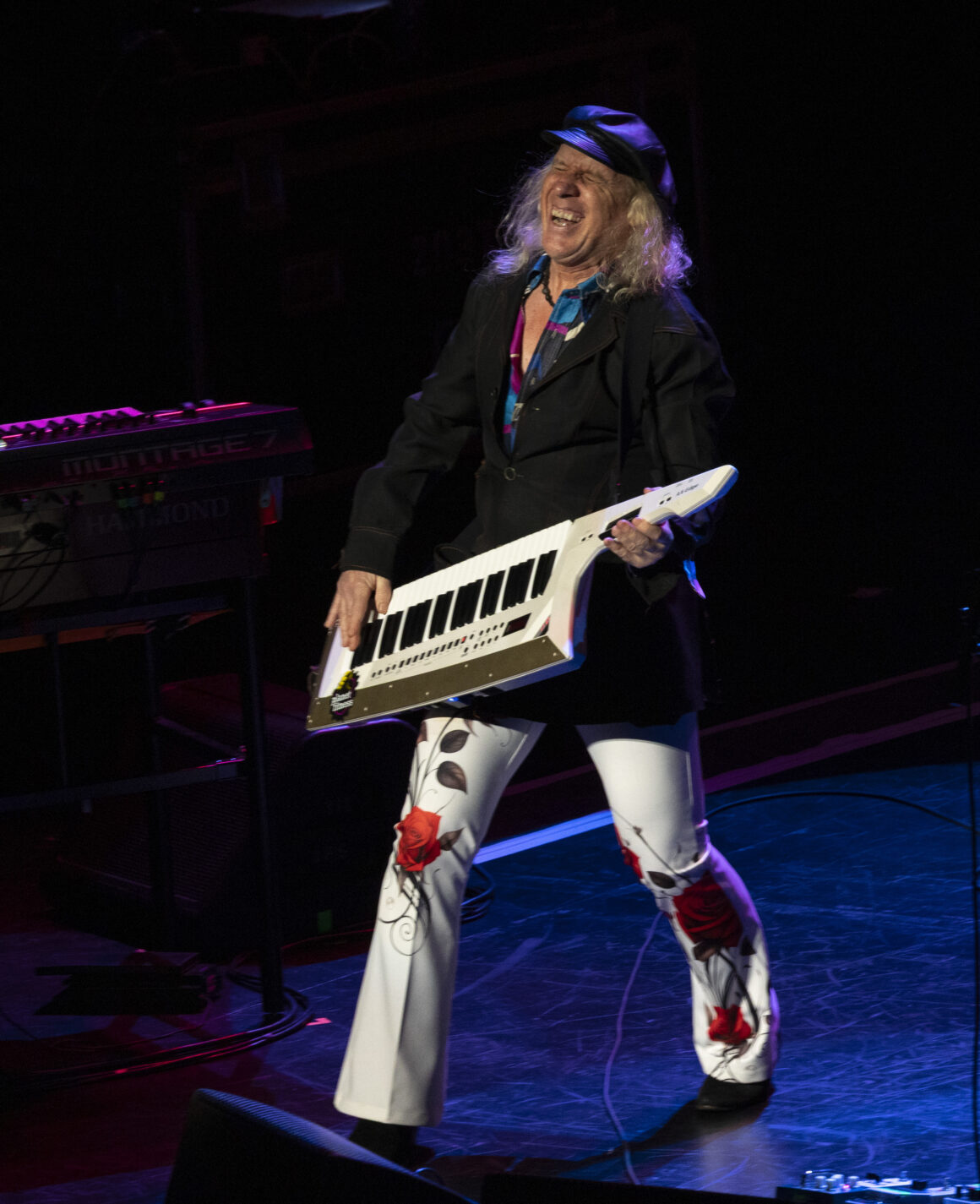
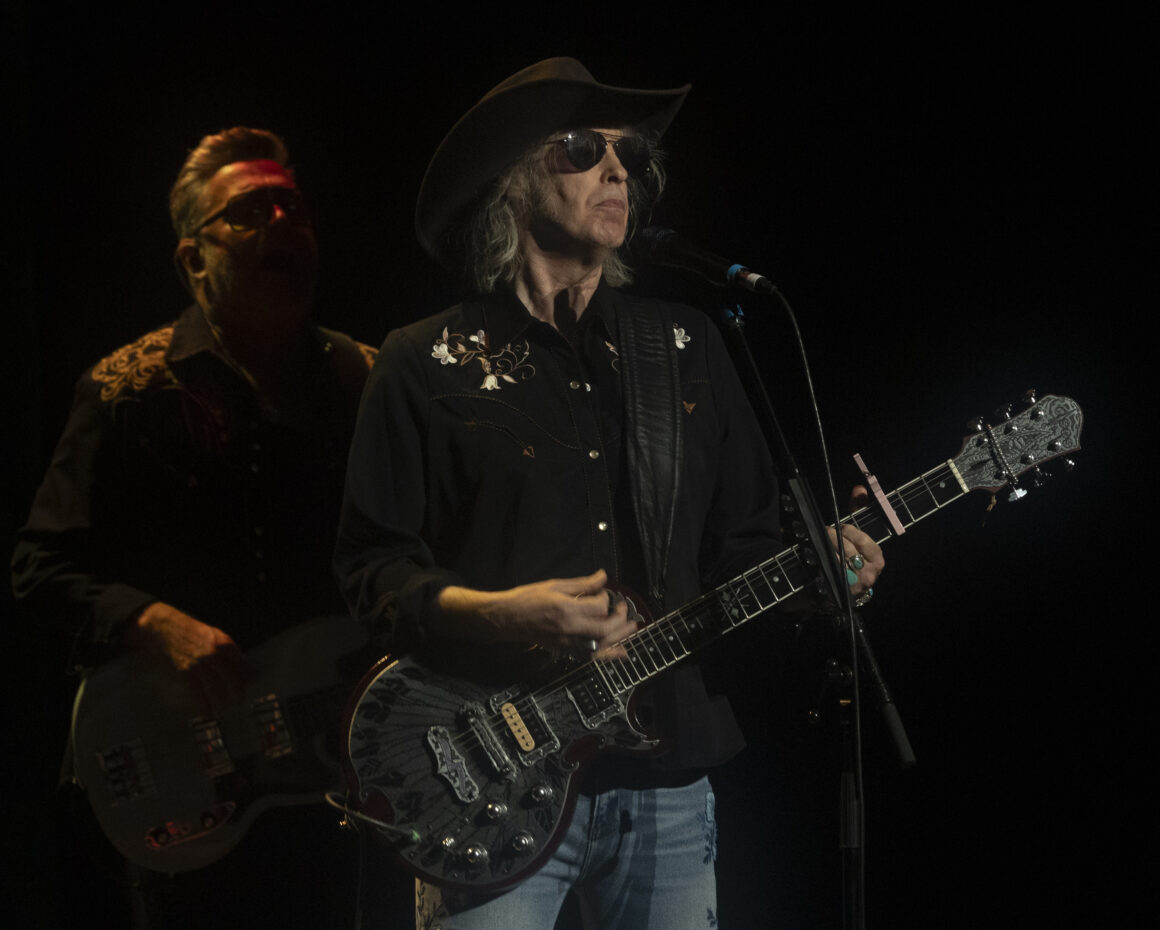
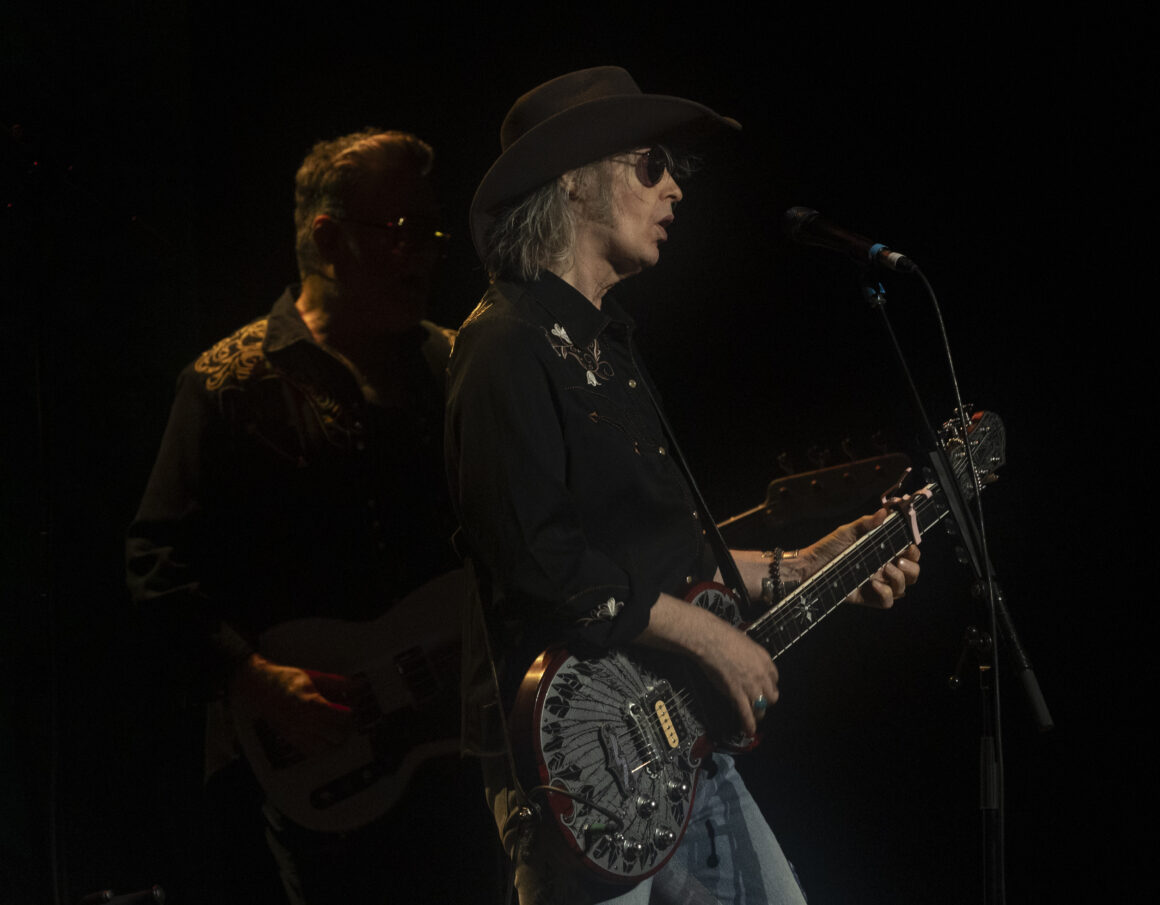
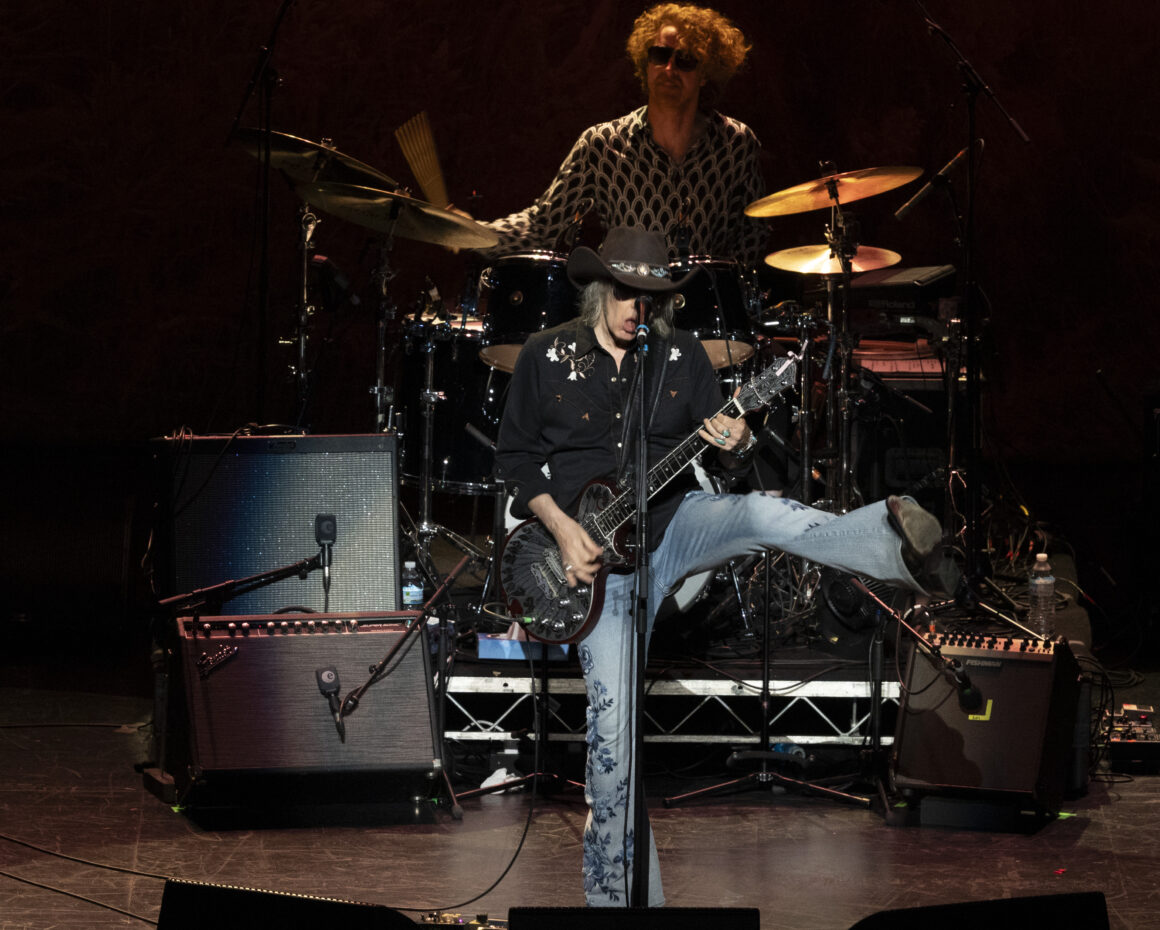
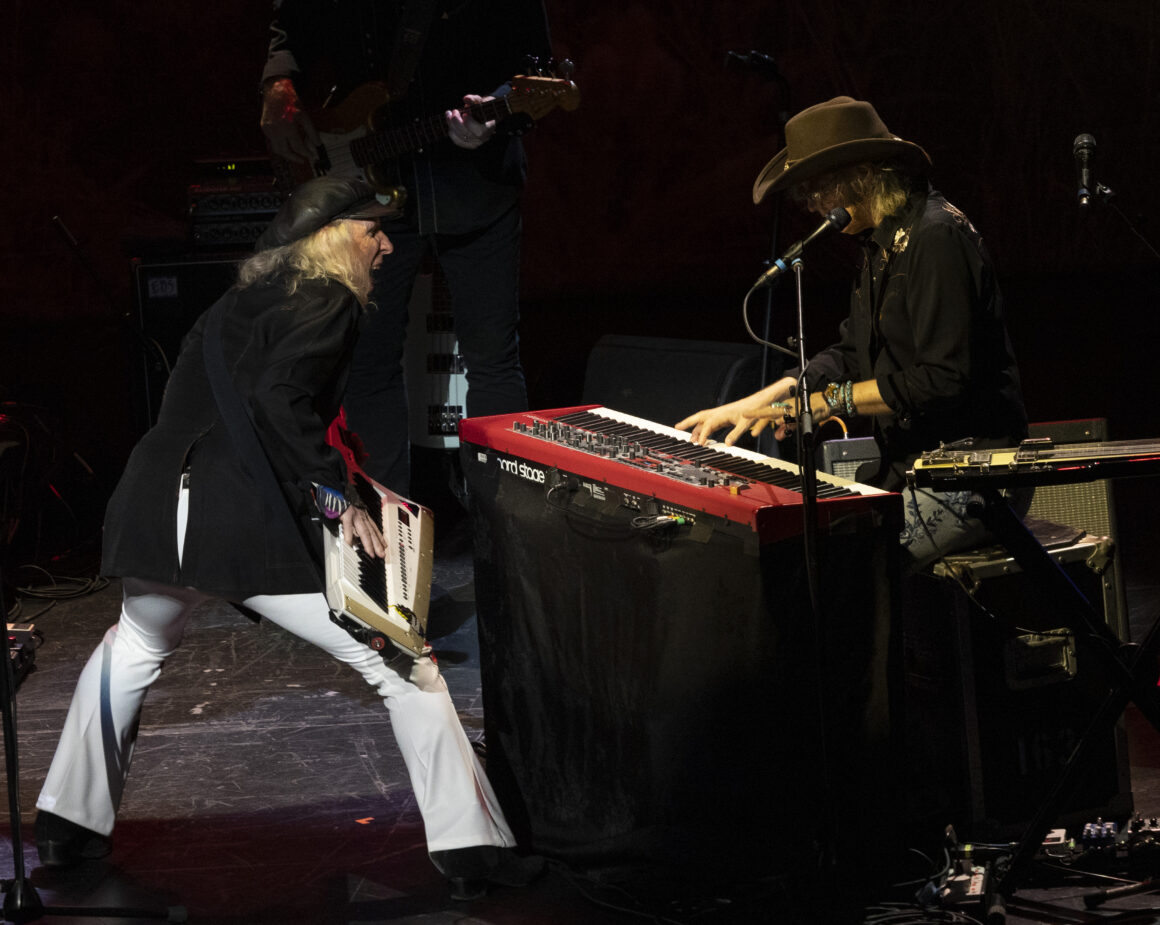
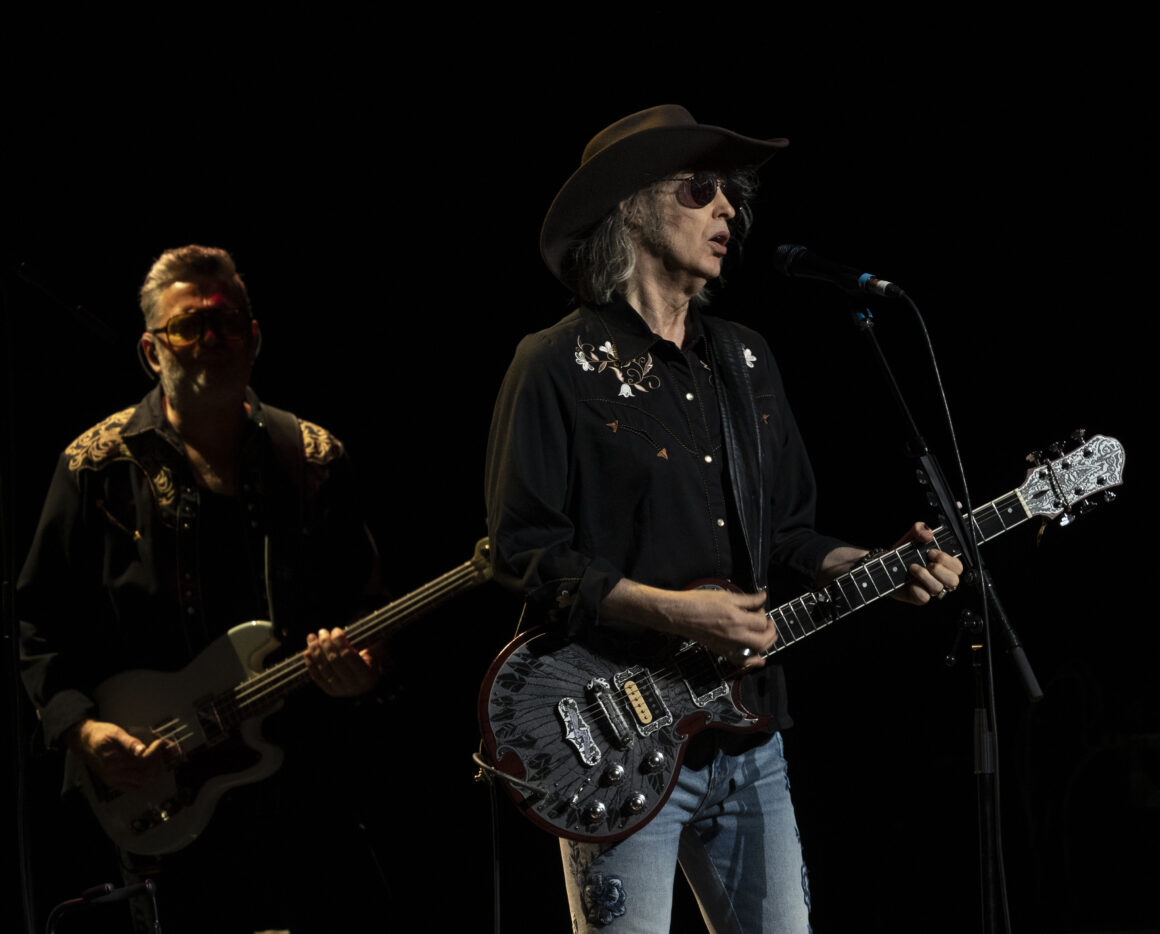
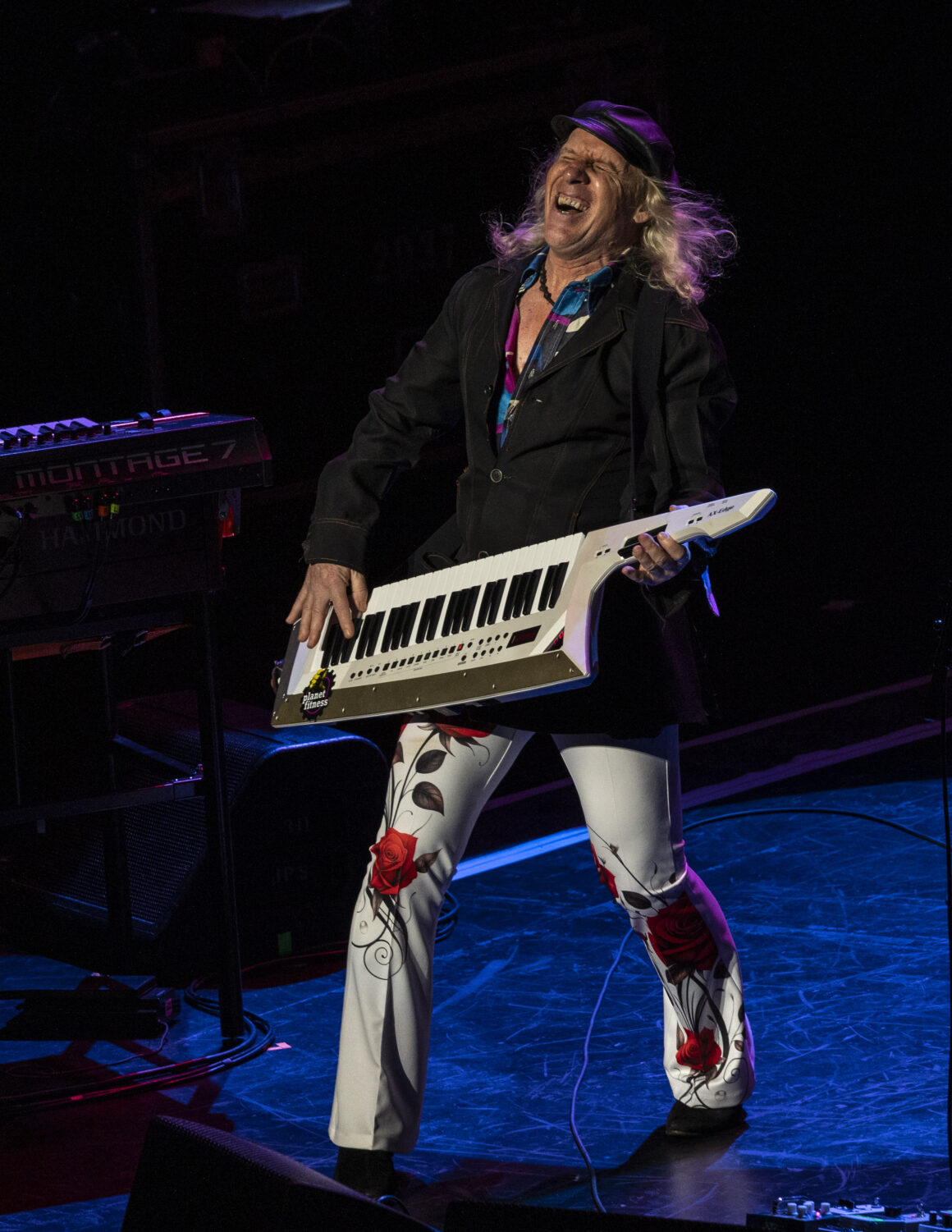
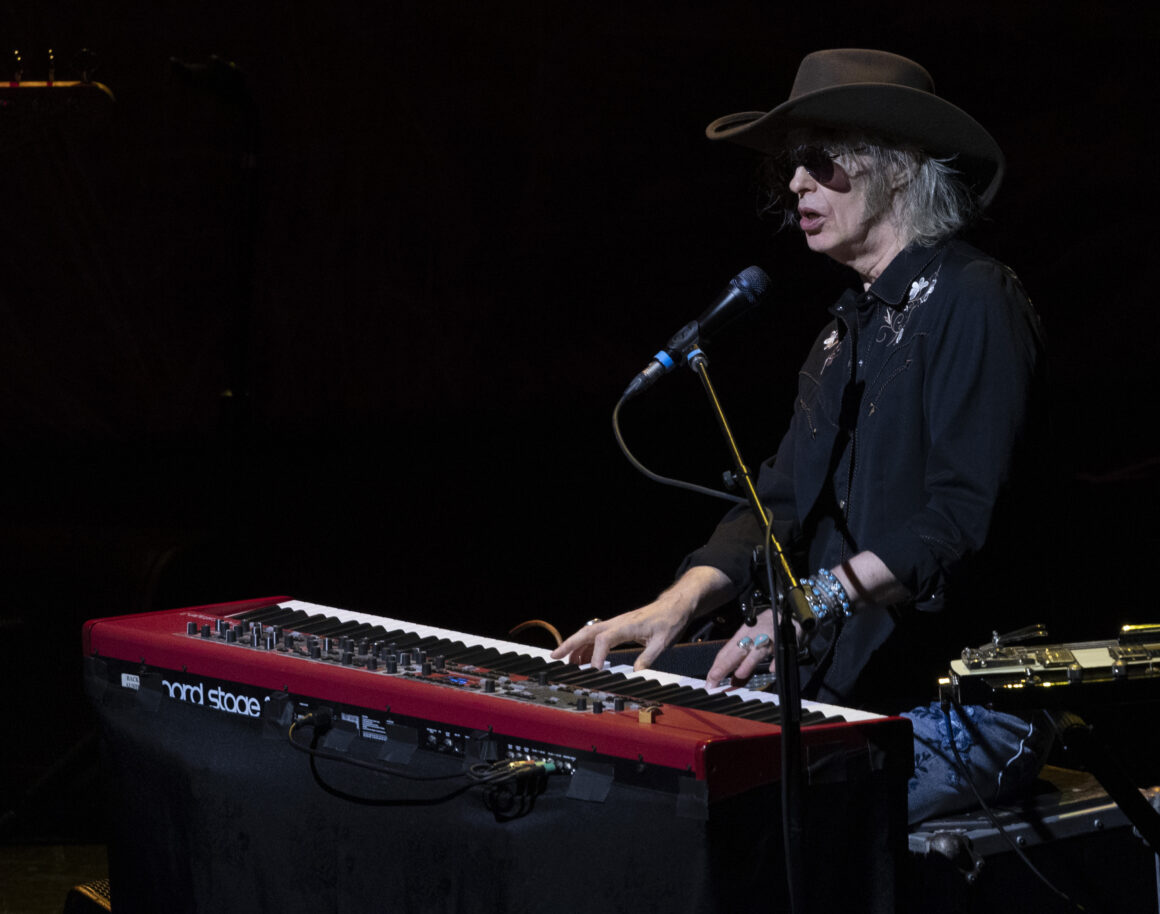
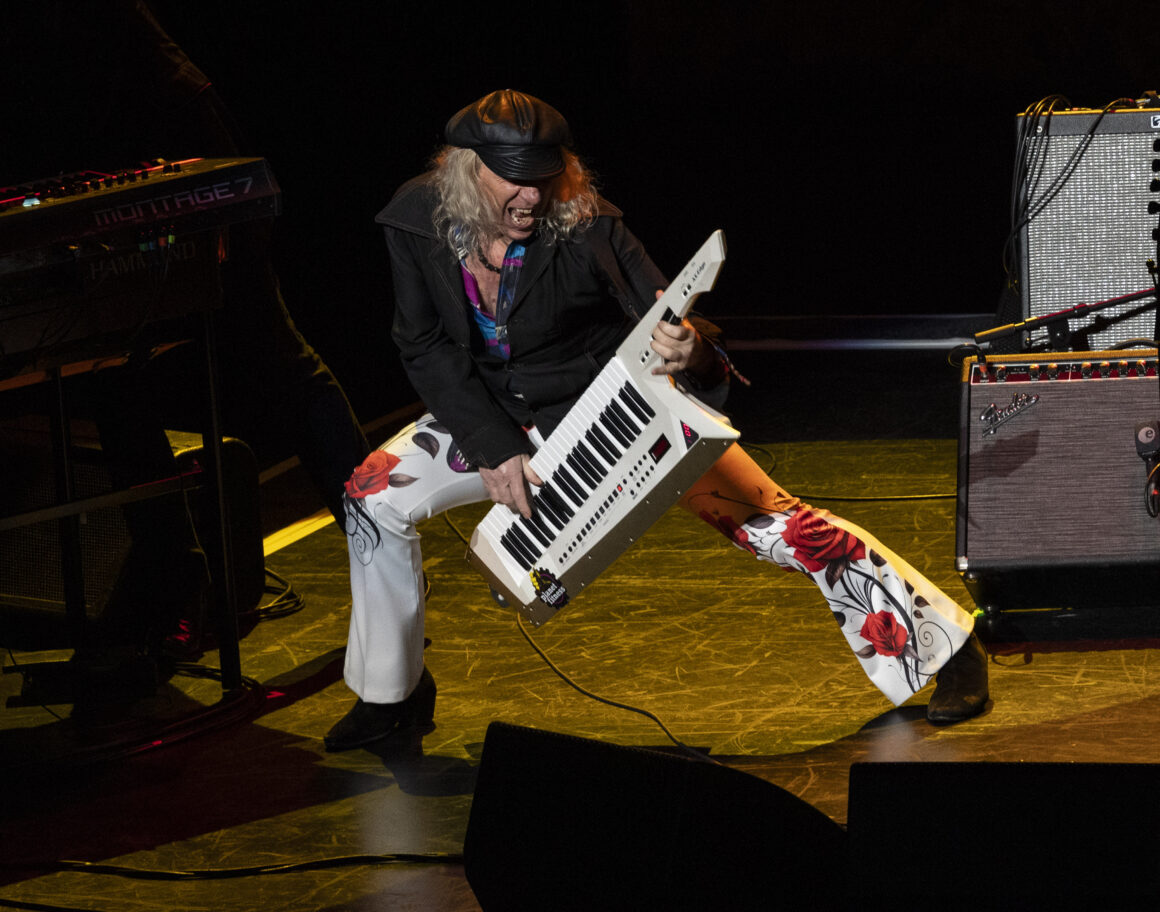
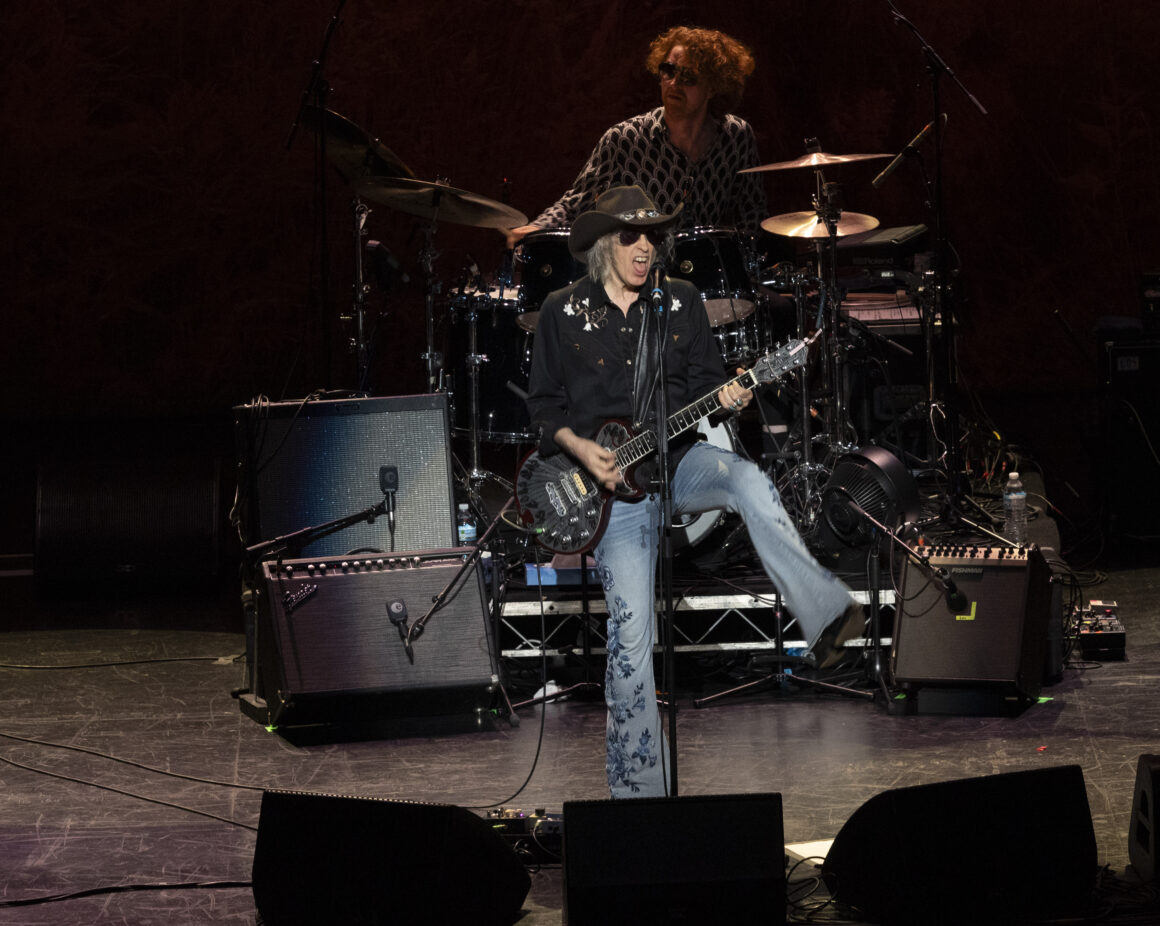
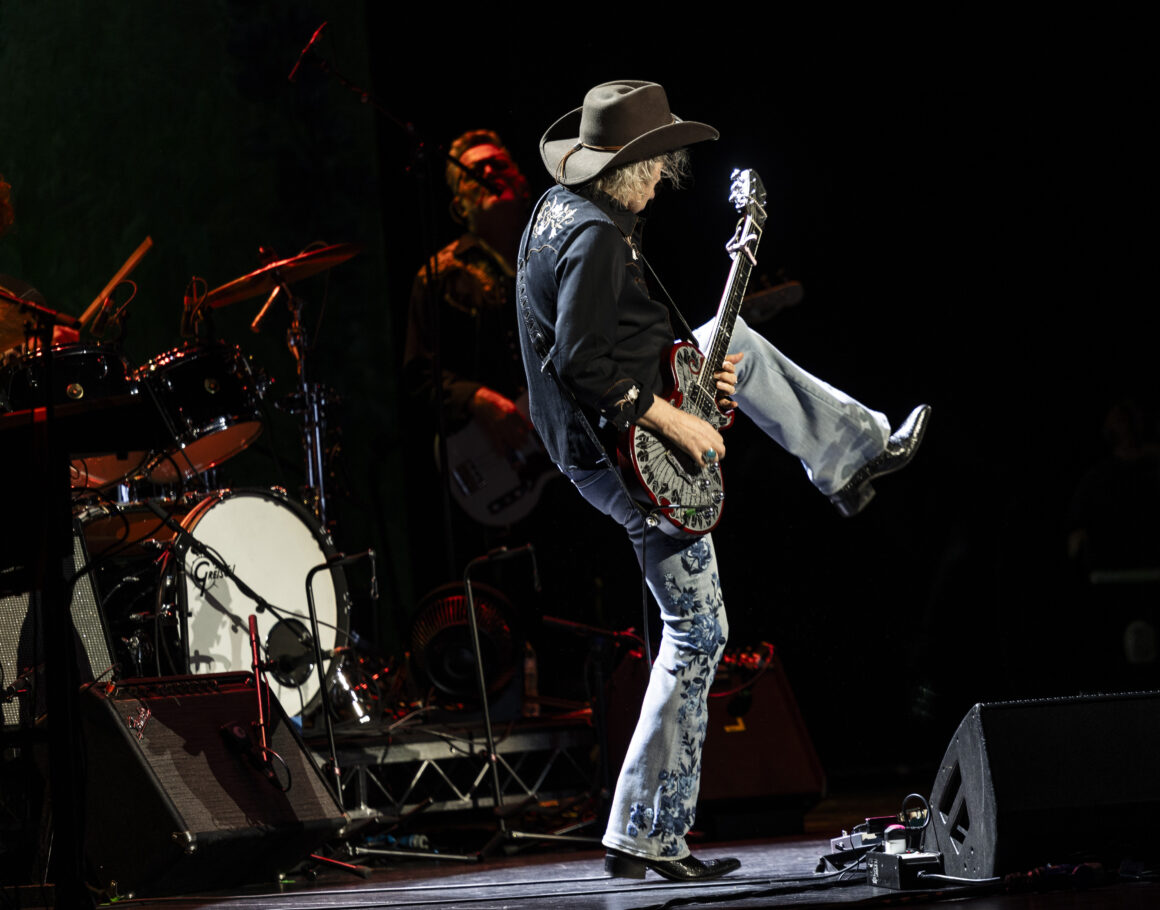
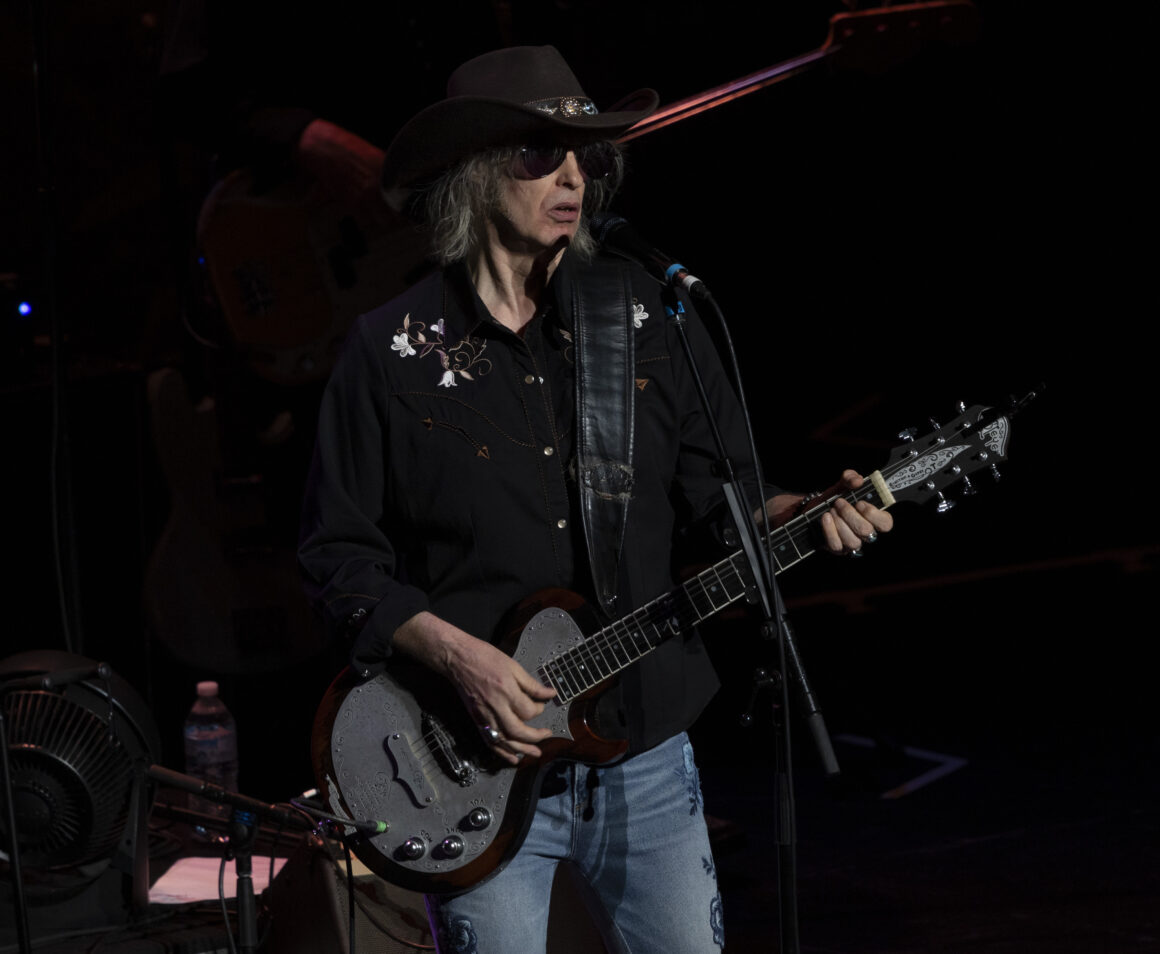
The current Waterboys lineup moves with the confidence of musicians who understand exactly how elastic their catalogue can be. Double keyboards from Brother Paul and James Hallawell give the songs an enormous sweep, while Aongus Ralston and Eamon Ferris lock the rhythm section into something muscular without ever losing the looseness that keeps The Waterboys from sounding overly polished. The band open the set with the new single Don’t Even Have To Say His Name, with Scott spitting lines like “Who put the dogwhistle back in style? / Who makes every white supremacist smile?” The target hardly needs identifying, a reminder that Scott has never seemed particularly interested in staying politically quiet. Scott himself prowls the stage like someone still fascinated by where these songs might end up next. His interplay with Brother Paul is funny as they both ham it up. Brother Paul, whose childhood favourite band was KISS, at one stage gives us a full-on organ solo in honour of that band. He also plays a portable keyboard, punching out AC/DC chords like Angus Young has temporarily joined a prog-folk revival band. Mike Scott calls it “that white thing.”
The band recently released the sprawling album Life, Death And Dennis Hopper which was inspired by a photograph Scott discovered of Hopper and his abandoned photography archive, it could easily have collapsed under the weight of its own ambition. Instead, the songs feel alive and exploratory tonight. You can hear echoes of the collaborators who helped shape the album — Bruce Springsteen, Fiona Apple, Steve Earle — but it still unmistakably belongs to Scott’s peculiar orbit.
Still, there’s an audible shift inside the State Theatre whenever the older material emerges. Glastonbury Song and Fisherman’s Blues still carry enormous emotional gravity, while The Whole Of The Moon lands exactly as expected: huge, ecstatic and communal. Even now, decades later, the song still feels oversized in the best possible way, all uplift and yearning crashing through the theatre’s ornate walls. Somewhere inside it sits the lingering spirit of Karl Wallinger too, whose arrangement work helped shape the song into something immortal.
The Waterboys have spent four decades refusing to stay fixed in one genre for too long. Folk, rock, Celtic soul, country, noise, chamber pop — it all bleeds together inside these songs now. But what ties the entire night together is Scott’s continuing obsession with transformation itself. The music is never treated as static. Songs stretch, mutate and wander depending on the room they’re in.
And inside the State Theatre tonight, surrounded by velvet, chandeliers and several generations of fans, The Waterboys sound like a band still chasing whatever might happen next.
The tour continues to Melbourne, Brisbane and New Zealand, tickets HERE.
Images Deb Pelser