
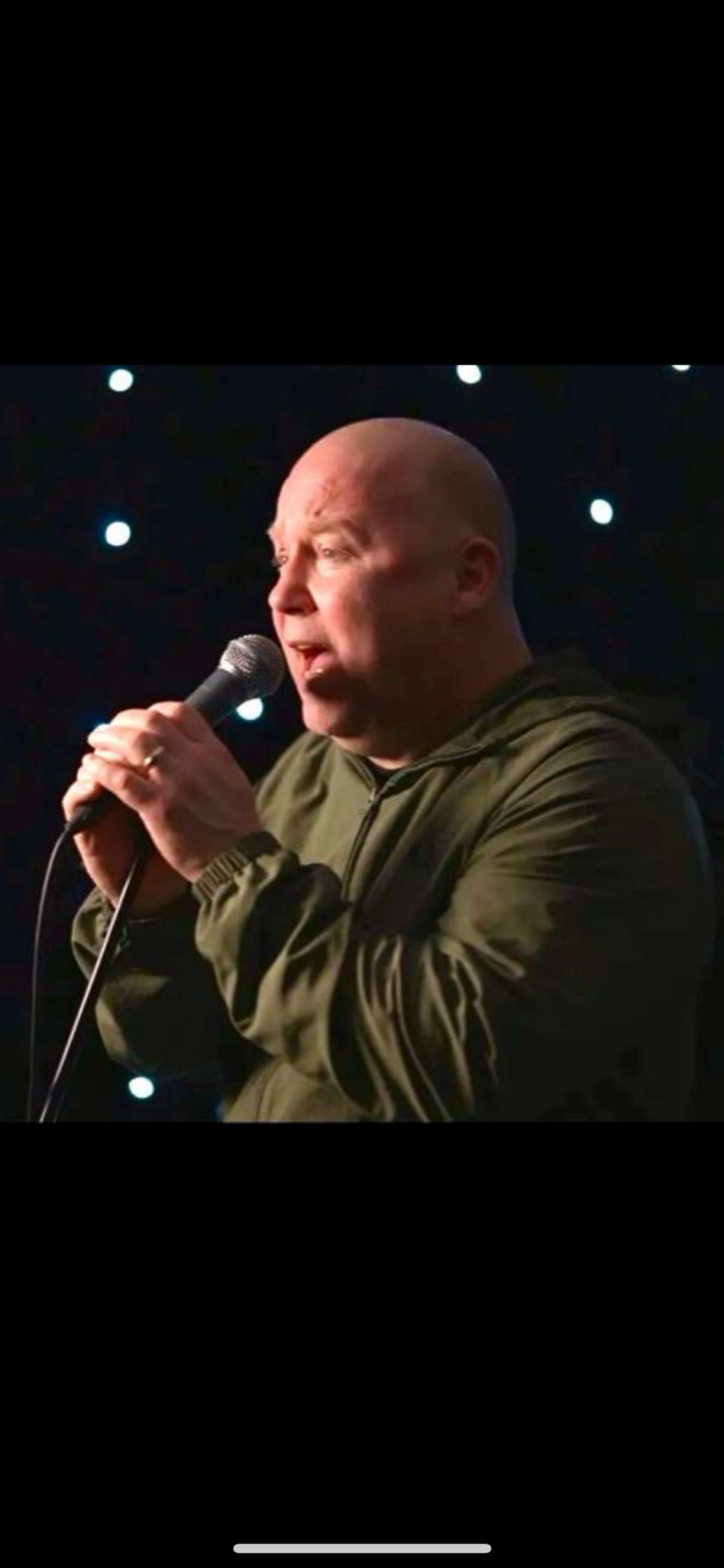
Ireland-based singer-songwriter Mick Rochford returns with ‘Sticks and Stones’, a heartfelt pop-rock ballad that shines a light on the lasting impact of bullying while delivering a message of resilience, empathy, and hope.
Blending elements of pop rock, folk, and emotionally driven balladry, the single occupies a reflective space that balances vulnerability with quiet strength. Built around an understated arrangement and direct, honest lyricism, ‘Sticks and Stones’ prioritises emotional truth over grand production, offering listeners an intimate and deeply personal experience.
For Rochford, the song emerged as much from listening as it did from writing. Drawing on his own experiences, conversations with friends and loved ones, and stories shared by members of the public, ‘Sticks and Stones’ presents a collective portrait of how bullying can leave lasting emotional scars long after the moment has passed.
Rather than simply revisiting painful experiences, the track aims to encourage dialogue around an issue that continues to affect people of all ages.
“I created this track for anyone that has suffered at the hands of a bully at any stage of their lives,” Rochford explains. “Some words are personal experience, some are from people I know and love, and some are from the general public. It was very difficult to write and convey this important message that it’s not acceptable to be bullied by anyone for any reason and to start the conversation.”
That honesty sits at the heart of the song. Rochford does not attempt to soften the realities of bullying or diminish its consequences. Instead, ‘Sticks and Stones’ confronts those experiences directly while offering hope that healing begins through openness, understanding, and shared conversation.
The release continues an impressive period of momentum for the Ireland-based artist, who has steadily built an international audience as an independent musician. Having first established himself as a drummer performing with bands since the 1990s, including supporting legendary Irish rock outfit Aslan at major venues across Ireland, Rochford has successfully transitioned into a solo career that continues to gather pace.
Recent milestones underline the scale of that growth. Viral single ‘Killing Me Today’ has surpassed 3.1 million TikTok views, while ‘War Child’ has generated more than 1.2 million views and ‘I’ve Got Something to Say’ has exceeded 555,000 views on the platform. Across streaming services, Rochford has amassed more than one million Spotify listening minutes during 2025, alongside nearly five million Spotify playlist impressions.
His music has also received airplay on more than 200 radio stations worldwide, earned two interview appearances on FM104, and achieved notable chart success. ‘Killing Me Today’ reached No. 29 on the Euro Indie Music Chart, while several of his releases have appeared in the Euro Indie Top 100.
Taken together, the figures highlight the remarkable rise of an independent artist finding audiences through consistent songwriting rather than a single breakout hit. Rochford’s music continues to resonate across streaming platforms, radio, and social media, where multiple songs have attracted sustained international attention.
His forthcoming debut album, I’ve Got Something to Say, brings together this prolific creative period into a full-length collection shaped by lived experience, emotional honesty, and the straightforward songwriting approach that has become his trademark.
Away from music, Rochford’s career reflects an equally strong commitment to leadership and community service. He has served as CEO of Ireland’s national children’s cancer charity, while also leading Jax Bathroom Suppliers as CEO and working as a kickboxing coach. Those diverse roles mirror the same values of discipline, accountability, and compassion that underpin his songwriting.
With ‘Sticks and Stones,’ Mick Rochford delivers more than a moving ballad. He offers an important conversation starter, one that acknowledges the enduring effects of bullying while reminding listeners that speaking openly about harm is often the first step towards healing, understanding, and lasting change.
Listen below:


