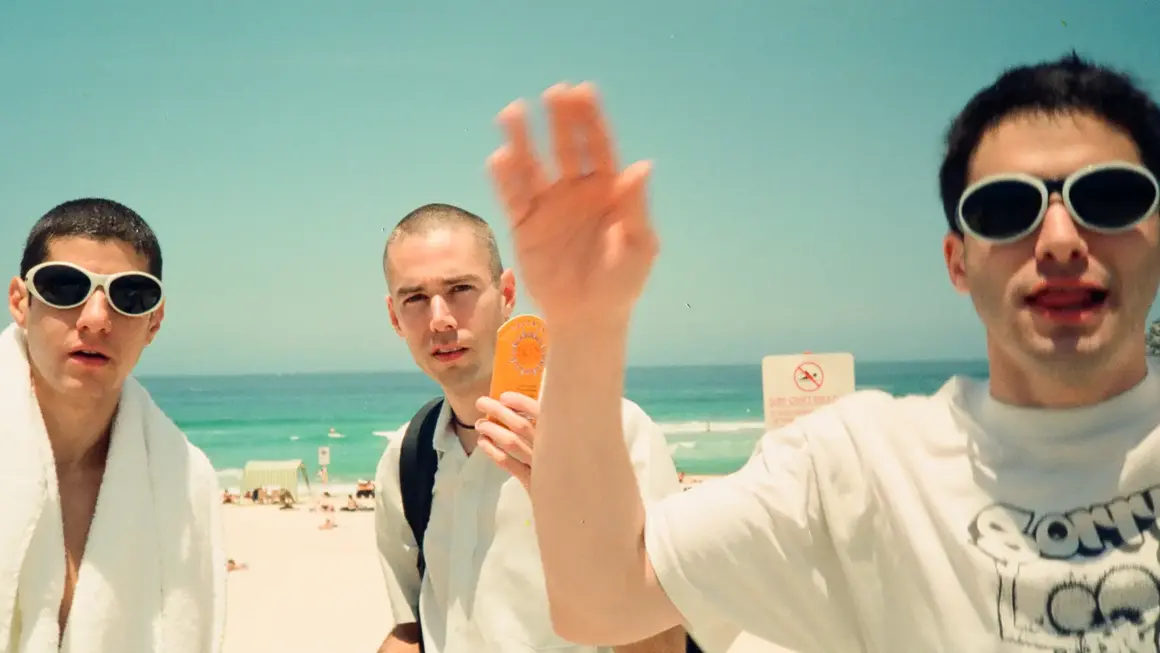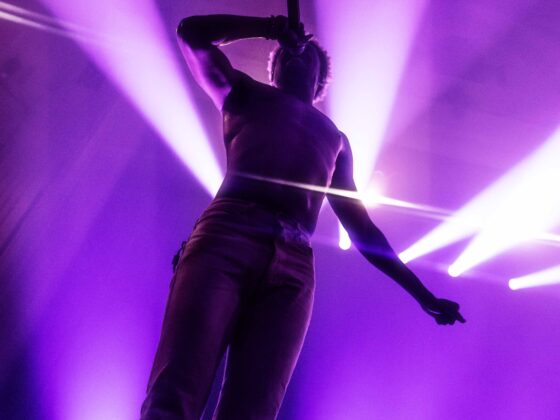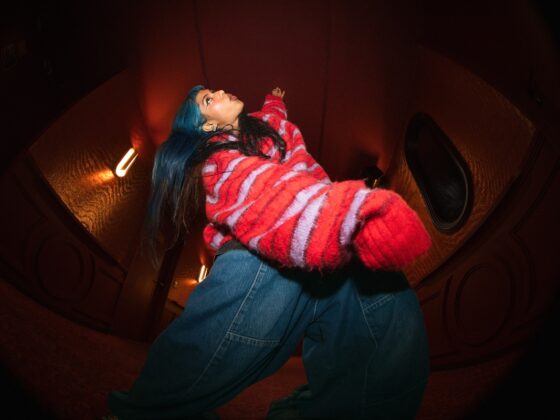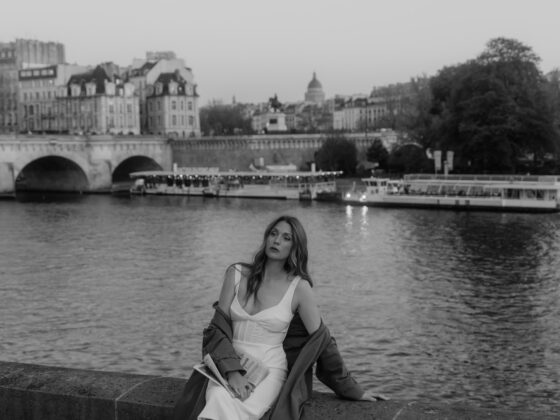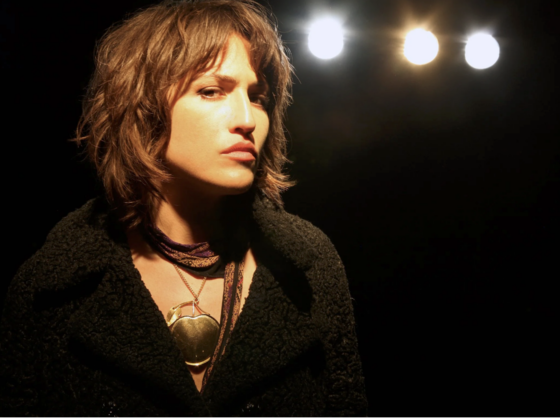
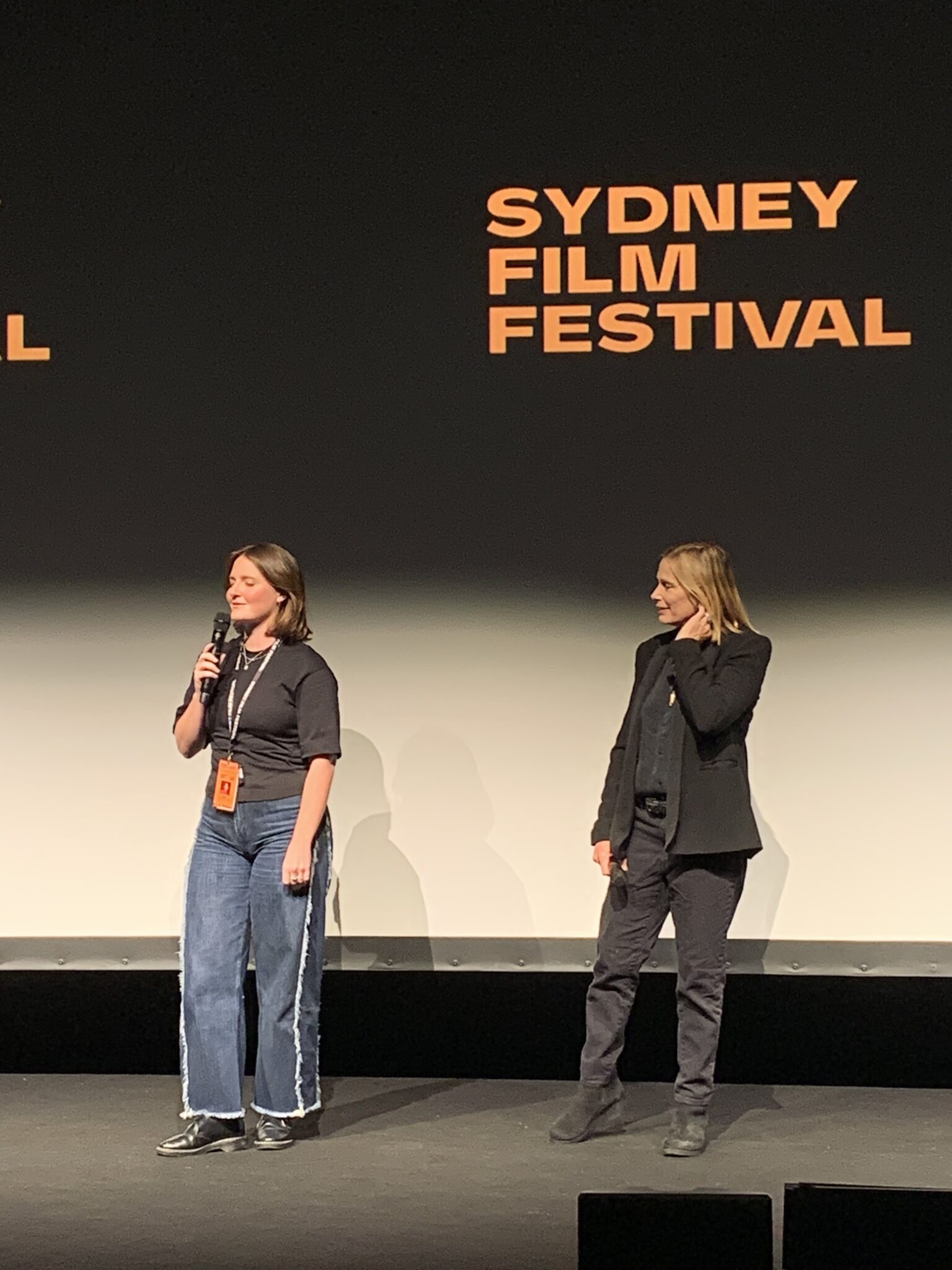
There is something almost unbelievable about The Best Summer. What began as footage shot casually by filmmaker Tamra Davis while accompanying the Summersault festival around Australia in 1995 and 1996 has emerged three decades later as an extraordinary time capsule, one that screened at this year’s Sydney Film Festival with Davis on hand to discuss the remarkable journey these tapes took before finally seeing the light of day.
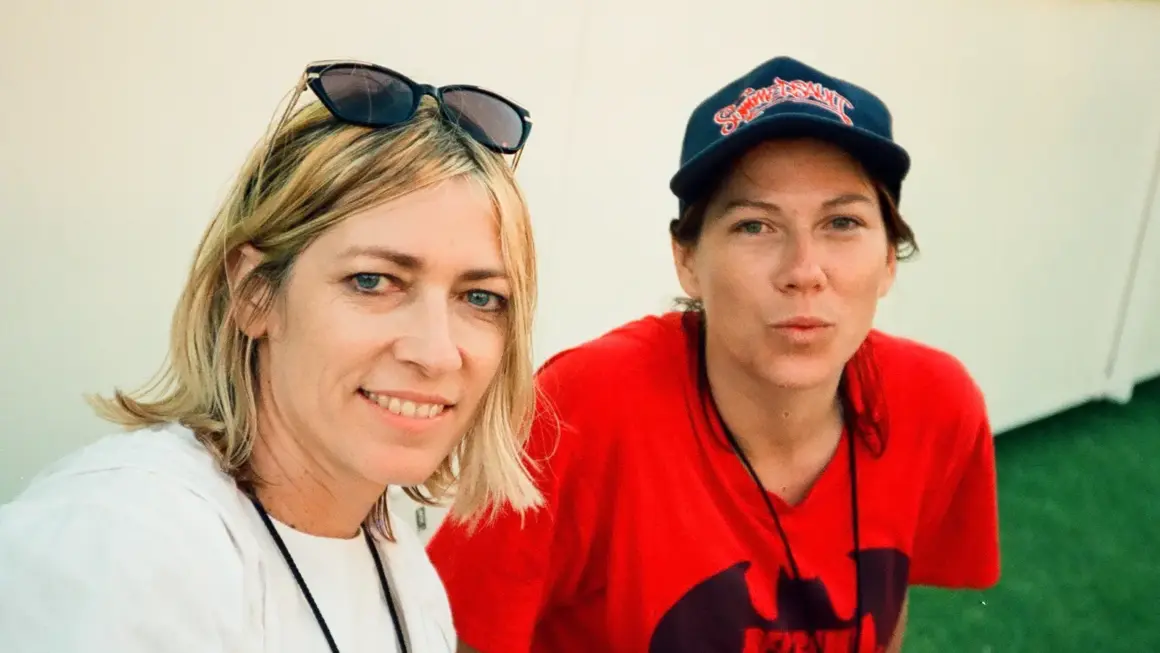
Davis joined the the Summersault touring festival as it snaked across Australia in late 1995 and early 1996, armed with Sony Hi8 camcorders, she captured a remarkable collection of candid moments between some of alternative music’s most important figures. The unlabelled tapes then sat forgotten in boxes at her Malibu home for almost three decades. She rediscovered them when her family had to evacuate their home during the Palisades fires in early 2025. Imagine her surprise when after connecting her camcorder again, she watched the moments that she had captured so many years ago on the tiny screen. She decided to edit the material together to make The Best Summer.
Speaking during a post-screening Q&A in Sydney, Davis explained that the concert audio was left untouched, while modern technology was employed to salvage interview recordings that were originally almost impossible to hear. The result preserves the rough edges of the era rather than polishing them away.
Featuring backstage encounters and performances from Beastie Boys, Beck, Sonic Youth, Foo Fighters, Pavement, Bikini Kill and more, The Best Summer captures these artists before the machinery of modern touring transformed everything. Promoter Stephen “Pav” Pavlovic’s Summersault festival now seems almost impossibly intimate. Bands travelled together on buses, stayed in the same hotels and mingled freely, creating an atmosphere that feels worlds away from today’s billion-dollar touring industry.
Much of the film’s warmth comes courtesy of Kathleen Hanna, who acts as a de facto interviewer, coaxing frequently hilarious and revealing moments from her fellow musicians. Viewed through the lens of history, there is something particularly moving about her exchanges with Beastie Boys member Adam Horovitz. Their relationship began during this period and, nearly thirty years later, the pair remain married.
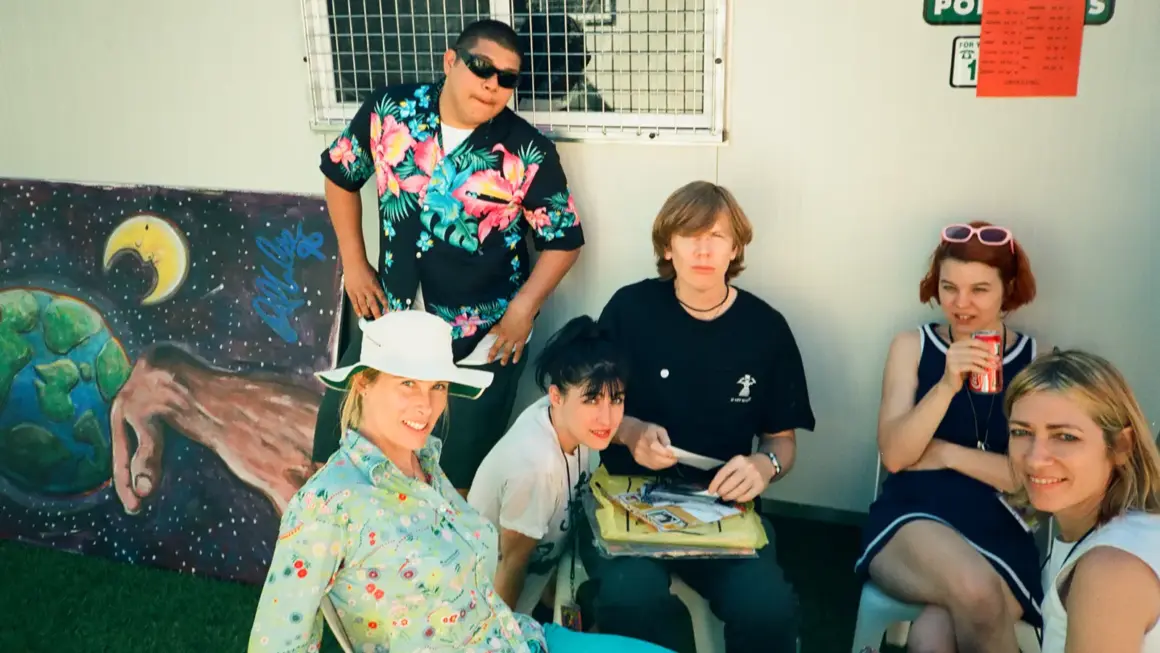
Elsewhere, seeing a young Dave Grohl chatting with Hanna carries an unexpected emotional weight. Coming relatively soon after Kurt Cobain’s death, there is a sense of musicians finding solace and community together while navigating the aftermath of one of alternative music’s defining tragedies. Later, Grohl’s unforgettable appearance alongside the Beastie Boys for a rendition of ‘Sabotage’ during the Asian leg of the tour stands as one of the film’s great highlights.
There are moments of pure tenderness too. Kim Gordon and Thurston Moore appear at the height of Sonic Youth’s powers, accompanied by their young daughter Coco, still in nappies and sucking on a dummy. Knowing what the future holds for many of the people onscreen gives these fleeting scenes a whimsical quality.
What makes The Best Summer so compelling is that it documents a version of music culture that no longer exists. Before smartphones, before social media and before corporate touring became an exercise in military precision, these artists were simply young musicians sharing buses, hotel rooms and jokes. Davis’ camera catches them in moments of boredom, excitement and friendship, revealing the humanity behind some of alternative rock’s most revered names.
The movie is a slice of music history that was never meant to survive and one that is unlikely ever to be repeated. That these tapes emerged from dusty boxes almost thirty years later only adds to the magic. Sometimes the greatest discoveries aren’t hidden in vaults. They’re waiting in someone’s garage.