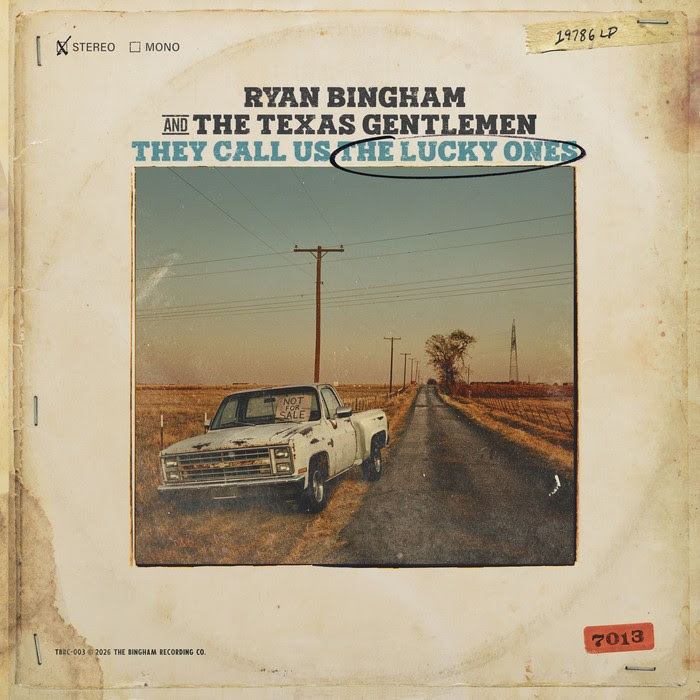
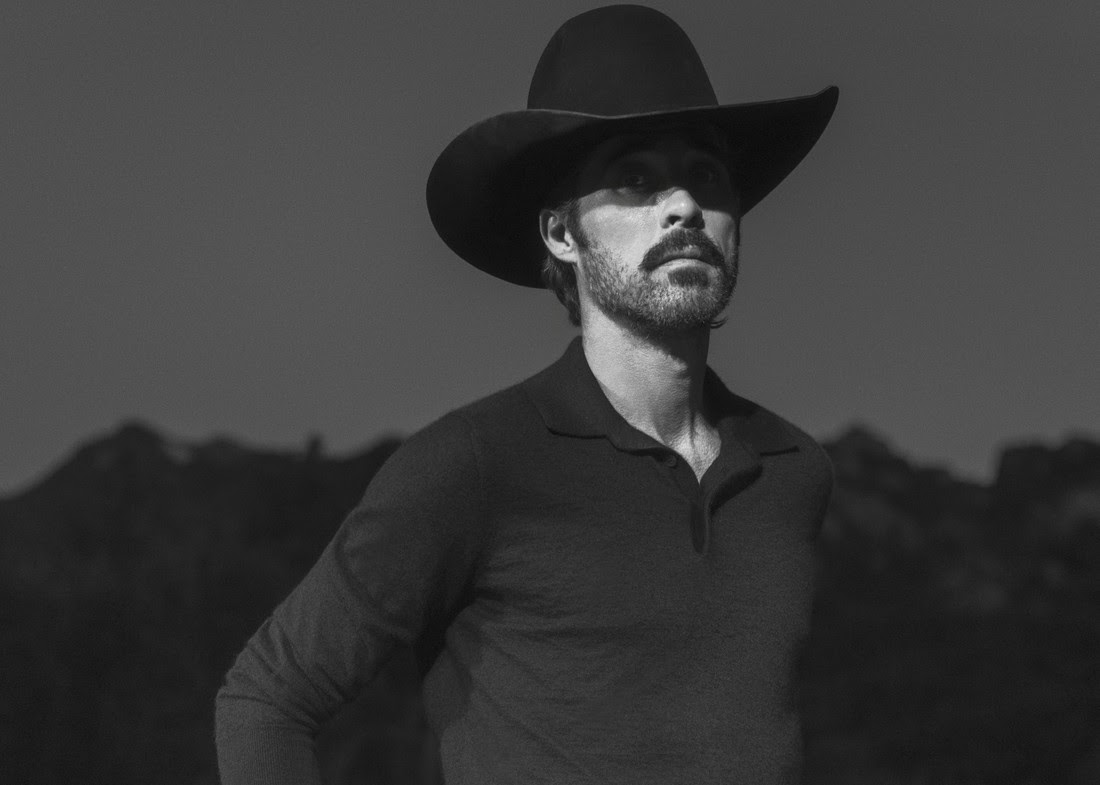
Ryan Bingham has just released a new album, ‘They Call Us The Lucky Ones’ backed by The Texas Gentlemen, this is his first full-length album in more than seven years and it lands with the confidence of an artist no longer trying to smooth out the rough edges.
Across its 10 tracks, They Call Us The Lucky Ones circles life on the road, survival, exhaustion and the strange gratitude that can emerge after years spent burning through uncertainty. There’s still grit in Bingham’s voice, that weathered half-growl that has always made his songwriting feel lived-in rather than performed, but the record also carries flashes of warmth and optimism that give it a different emotional texture to some of his earlier work.
Recorded largely live with minimal overdubs, Bingham has described the sessions as the most enjoyable recording experience of his career, and that sense of spontaneity runs through the entire project. The Texas Gentlemen lock into the songs with an instinctive chemistry, giving the album a relaxed but deeply musical pulse. Piano, organ, pedal steel, fiddle and ragged electric guitars drift in and out of focus without ever crowding the songs themselves.
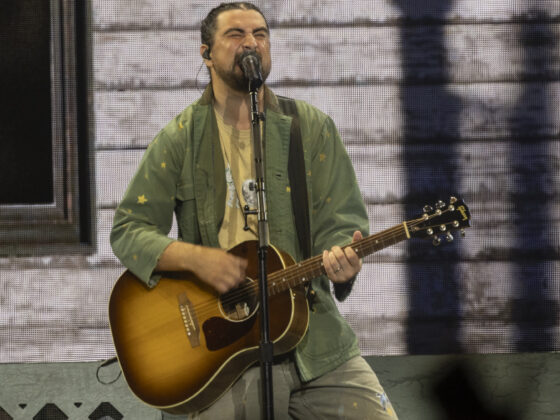
Bingham’s sense of lived experience has always been central to his appeal. Long before the awards and television roles, he was drifting between rodeos, bars and oil towns, absorbing the kind of hard-won stories that still sit at the centre of his songwriting today. From writing the Oscar-winning “The Weary Kind” for Crazy Heart through to his role as Walker on Yellowstone, Bingham has consistently carried himself less like a polished Nashville figurehead and more like an outsider documenting life as he finds it. Across studio albums, live releases and projects like 2023’s Watch Out For The Wolf, his work has remained grounded in rawness, independence and emotional honesty. Even outside music, whether leading Jeff Nichols’ SXSW-debuted short film Love Letter to Texas or launching his own festival, label and bourbon brand, Bingham continues to build a world that feels unmistakably tied to his own mythology rather than anyone else’s expectations.