Hobart does spring the way Midge Ure‘s old band did melancholy: grey, bracing and faintly European. By the time the queue snaked down Liverpool Street, the wind coming off kunanyi had teeth, and the coats stayed on well into the foyer. It felt oddly appropriate. If any music was built for a cold night under old theatre lights, it is the music of a man who once made a number-two hit out of a viola solo and a city he’d barely visited.
It has been a long road to this stage. When I spoke to Ure a few weeks ago, he recalled getting to Perth for the final show of his last Australian tour just as COVID shut the world down, and a health scare that scuppered last year’s return. “Engine sorted,” he told me. On tonight’s evidence, it’s purring.
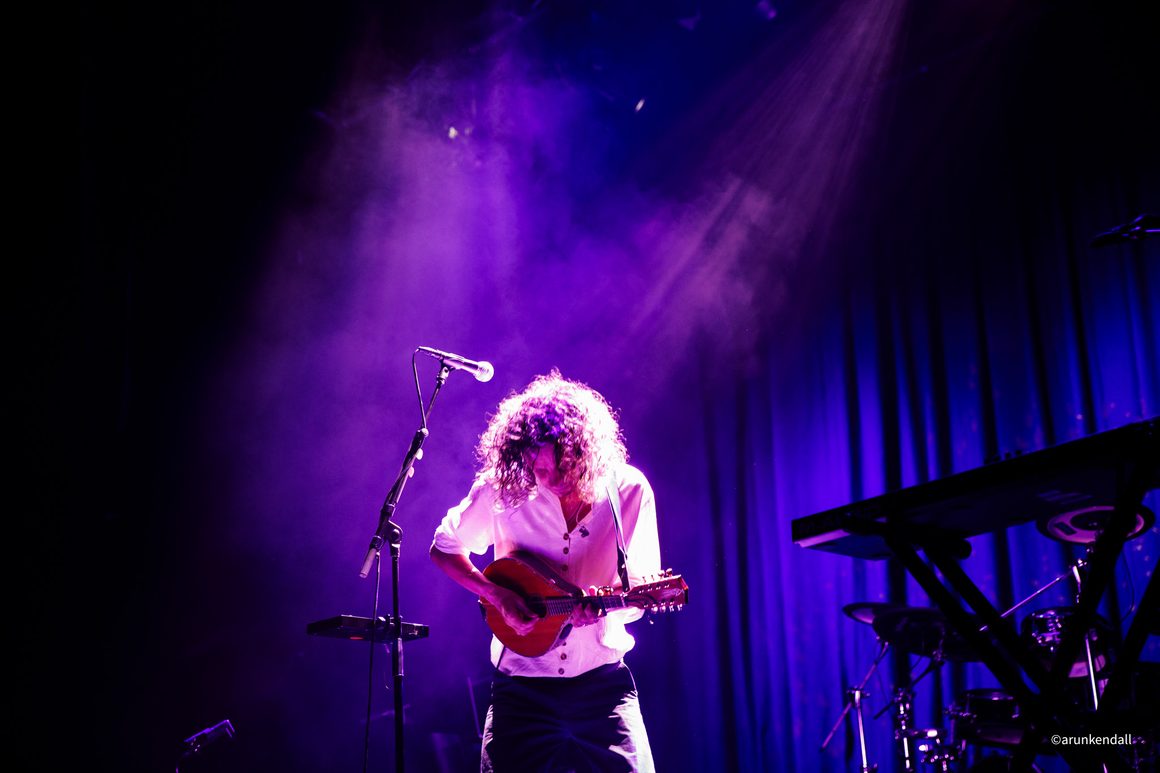
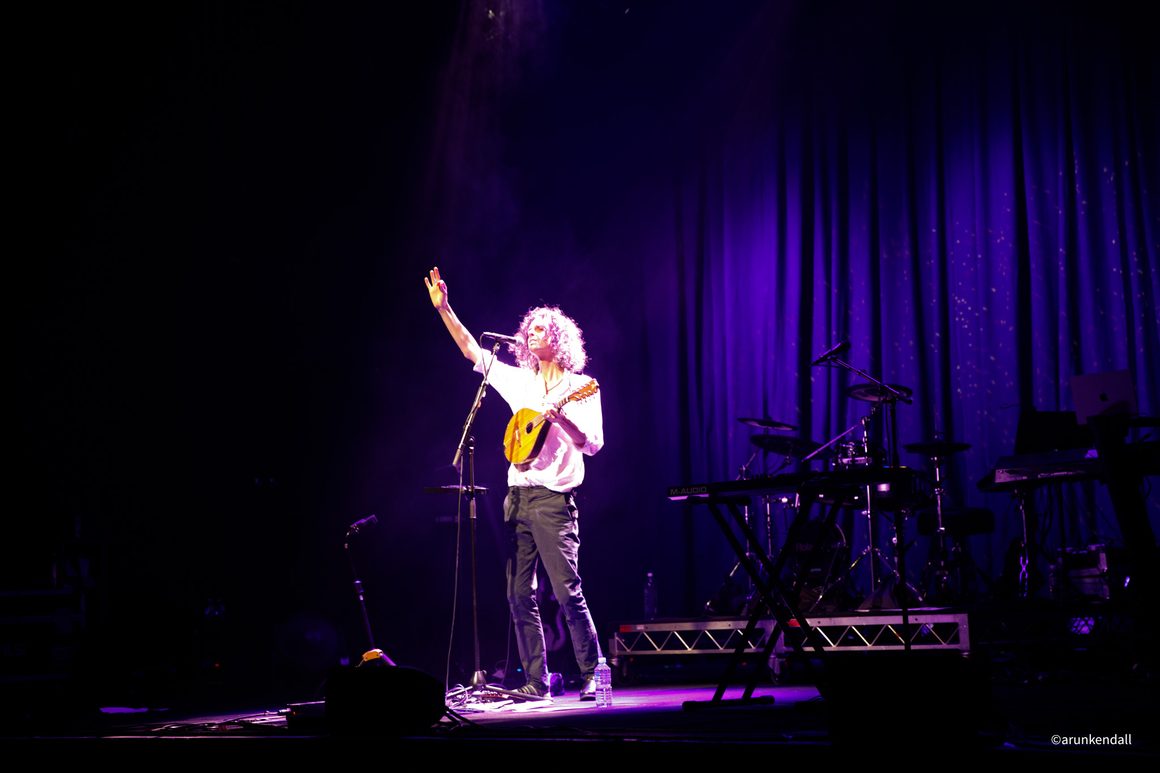
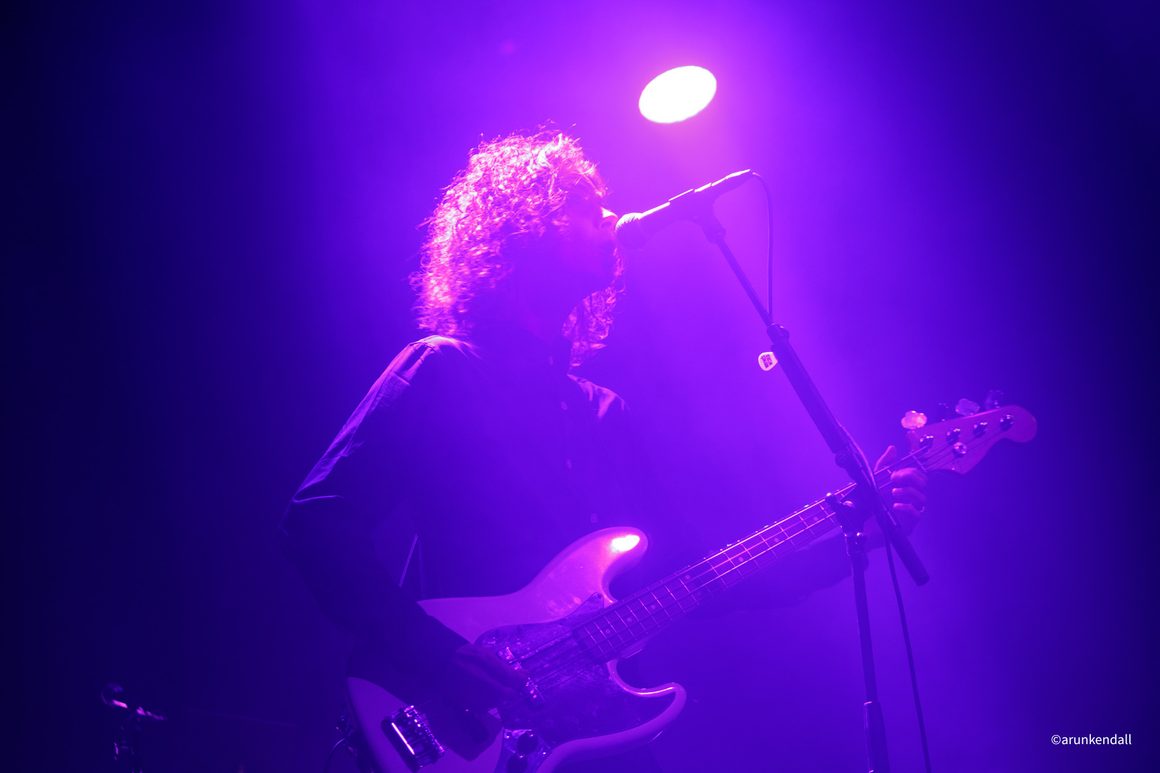
First, though, Cole Stacey, walking out alone with a mandolin and the easy confidence of someone who knows he’ll be back later. Stacey is one half of India Electric Co., who form the core of Ure’s touring band, and he’s very much the warm-up act who doesn’t need warming up. His between-song banter was dry and genuinely funny, poking gentle fun at the weather, the double shift ahead of him, and his admiration for Hobart. But it was the voice that silenced the room: clear, supple and unforced, with a folk singer’s control and a pop singer’s sense of where a melody wants to go. A smart, charming set that won over a crowd who hadn’t come for him and left talking about him.
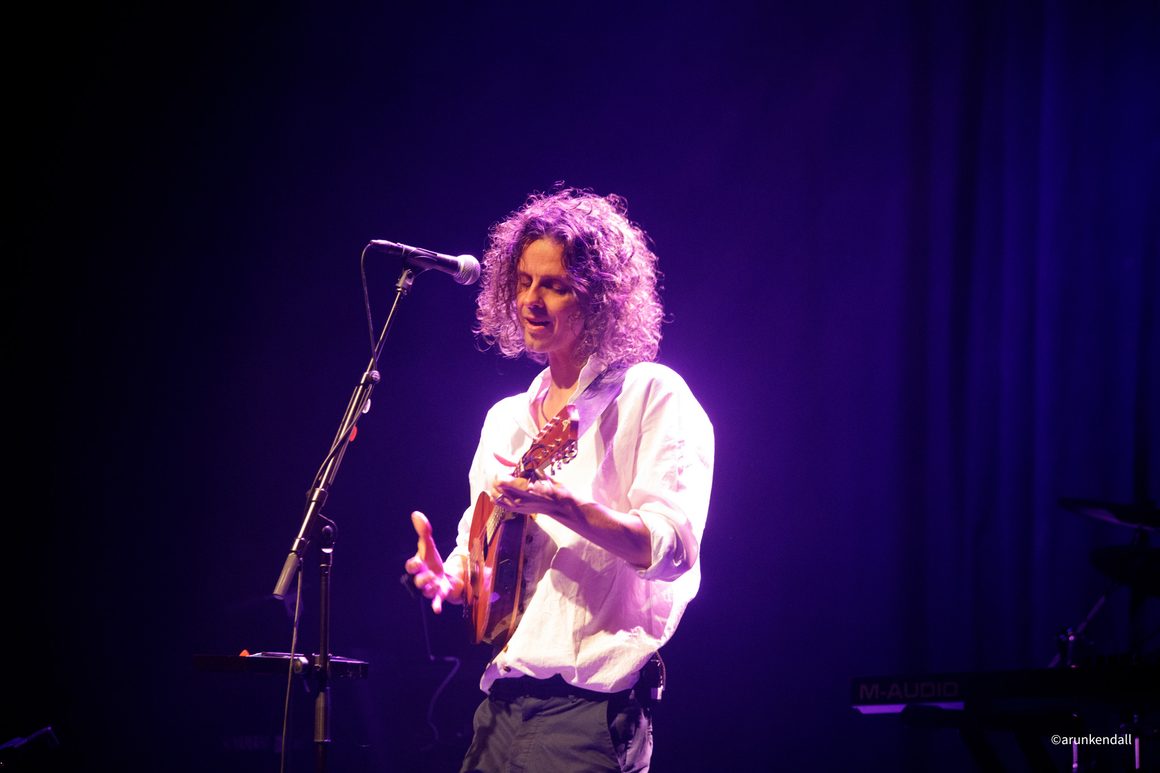
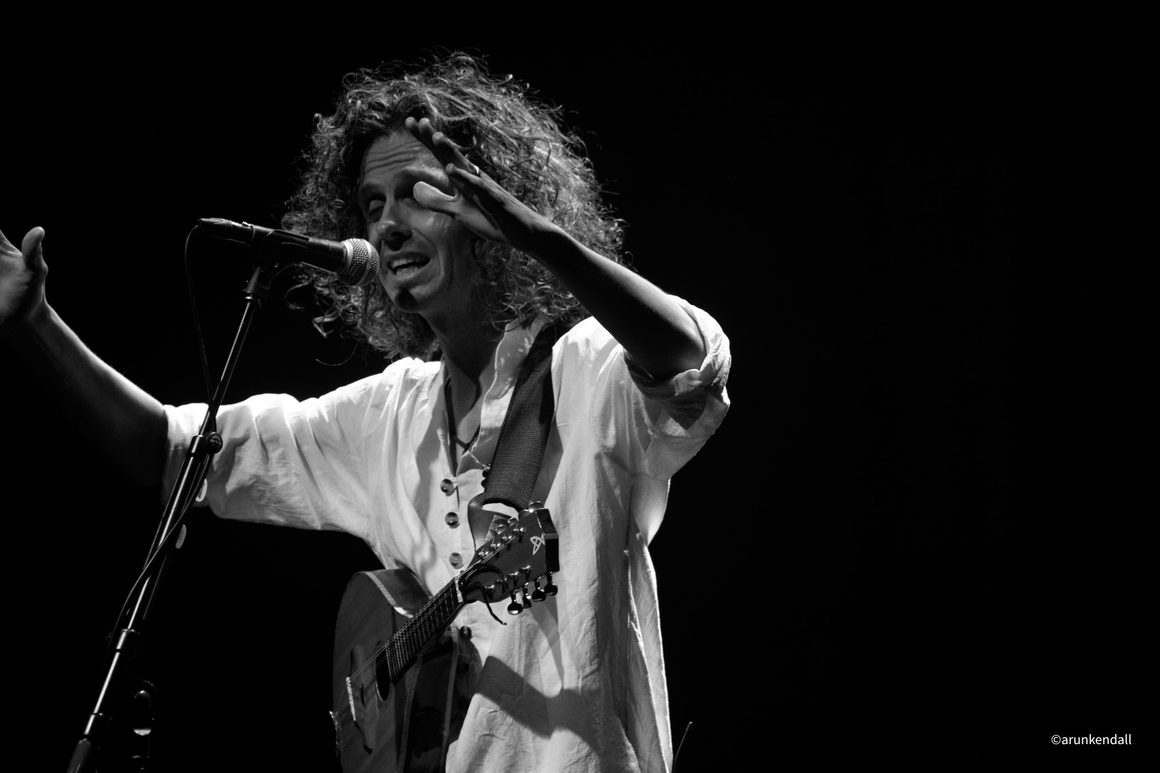
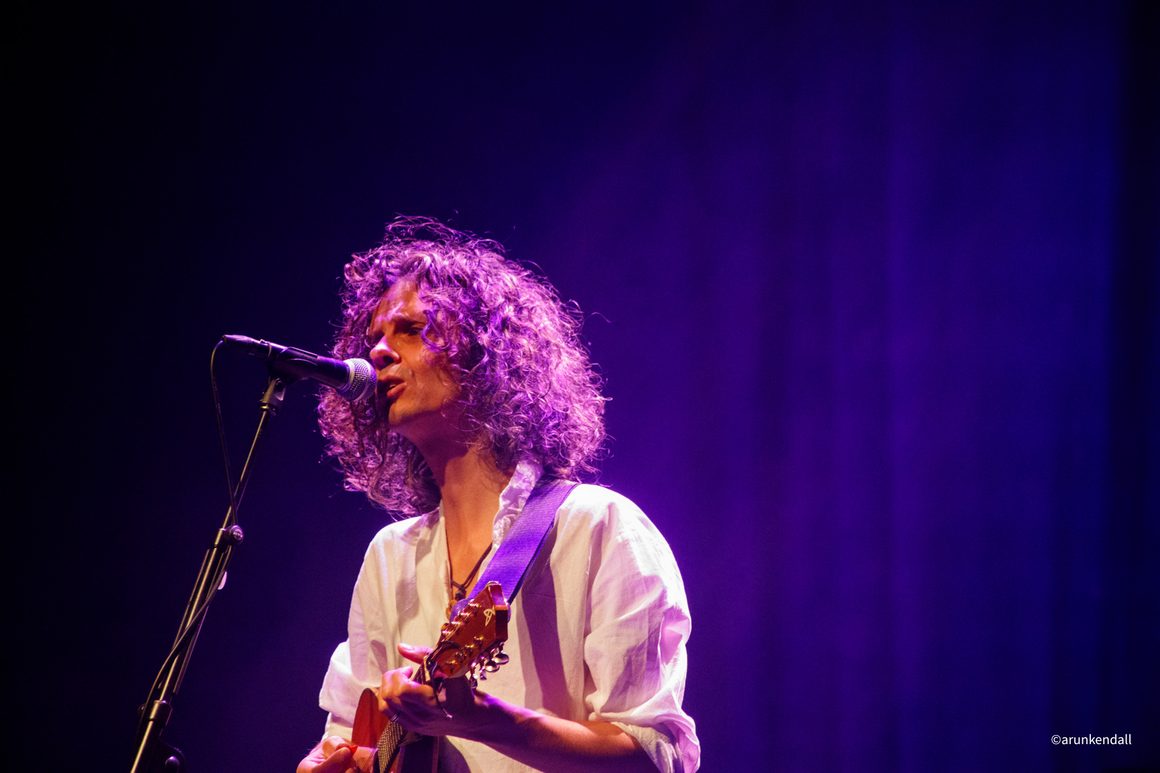
Ure opened with ‘Dear God’, then reached straight back to Visage for ‘Again We Love’, and the tone of the night was set: this was going to be the whole story, not just the singles.
The Catalogue: The Hits title is a promise, and Ure keeps it, recounting how he wanted the tour to be just The Catalogue but marketing insisted on adding ‘The Hits’. Or as one detractor had apparently yelled at him, the hit. At which point he wryly introduced his alleged one hit, ‘If I Was’.
In our interview he was adamant he wouldn’t be the sulking artist who refuses to play the songs people have paid to hear, and he has a theory that half of any audience was dragged along by a partner and knows only the hits. Those partners were well served. But the trick, as he put it, is not to paint by numbers, and the deeper cuts are where the night came alive. ‘Passing Strangers’ had its old coiled urgency, while ‘I Remember (Death in the Afternoon)’ and ‘Your Name (Has Slipped My Mind Again)’ were reminders of how strange and ambitious Ultravox’s album tracks could be.
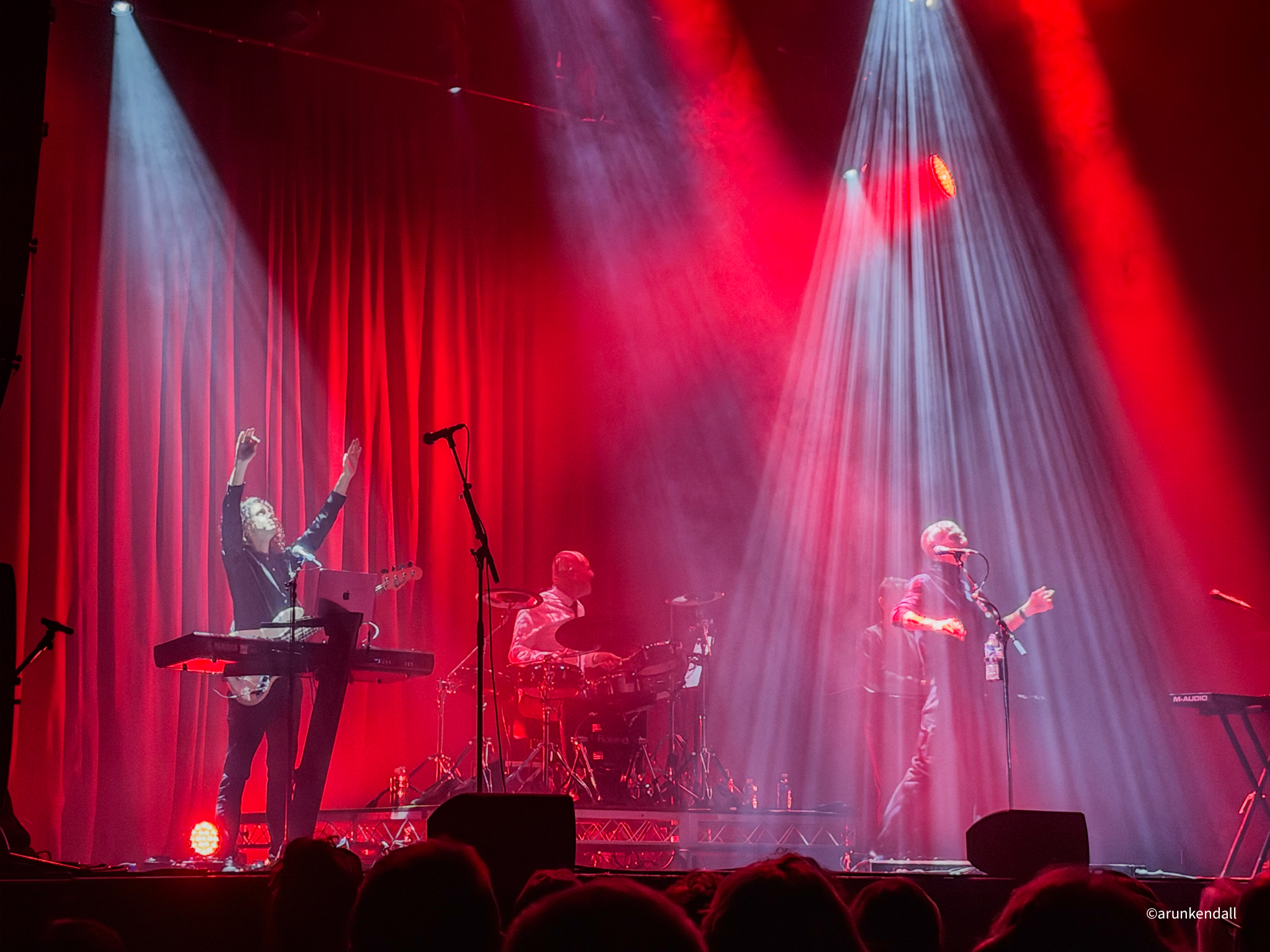
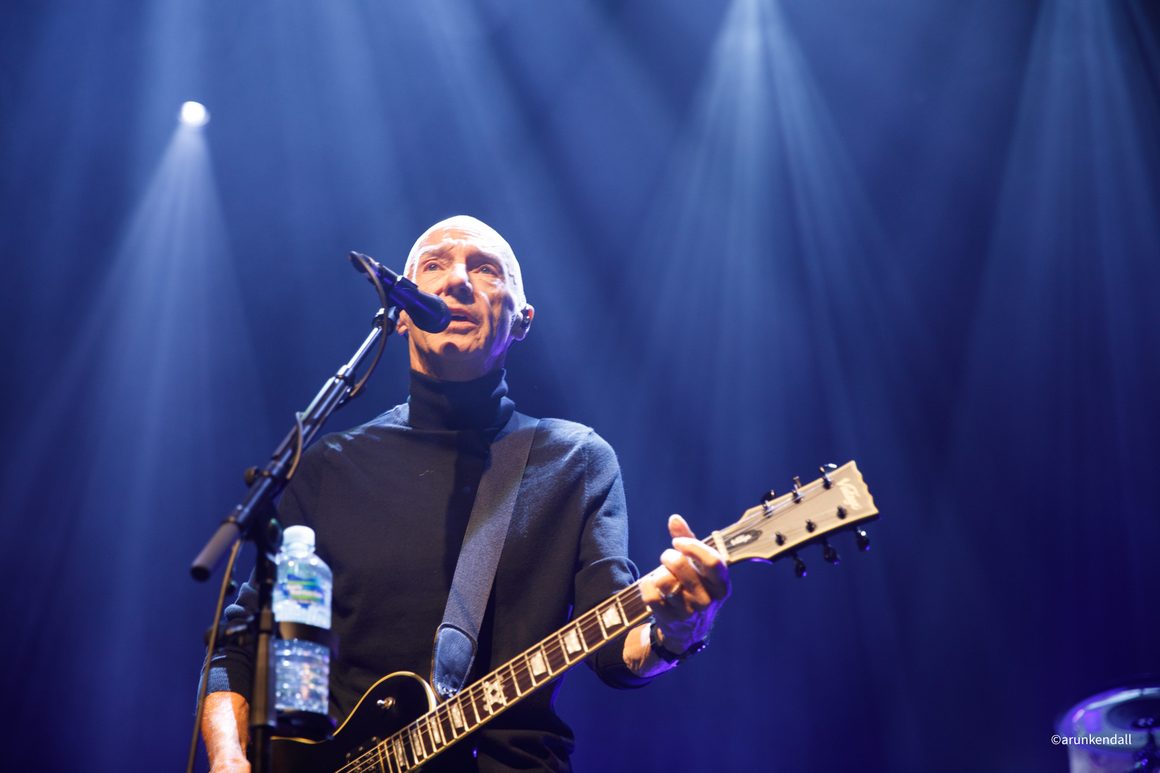
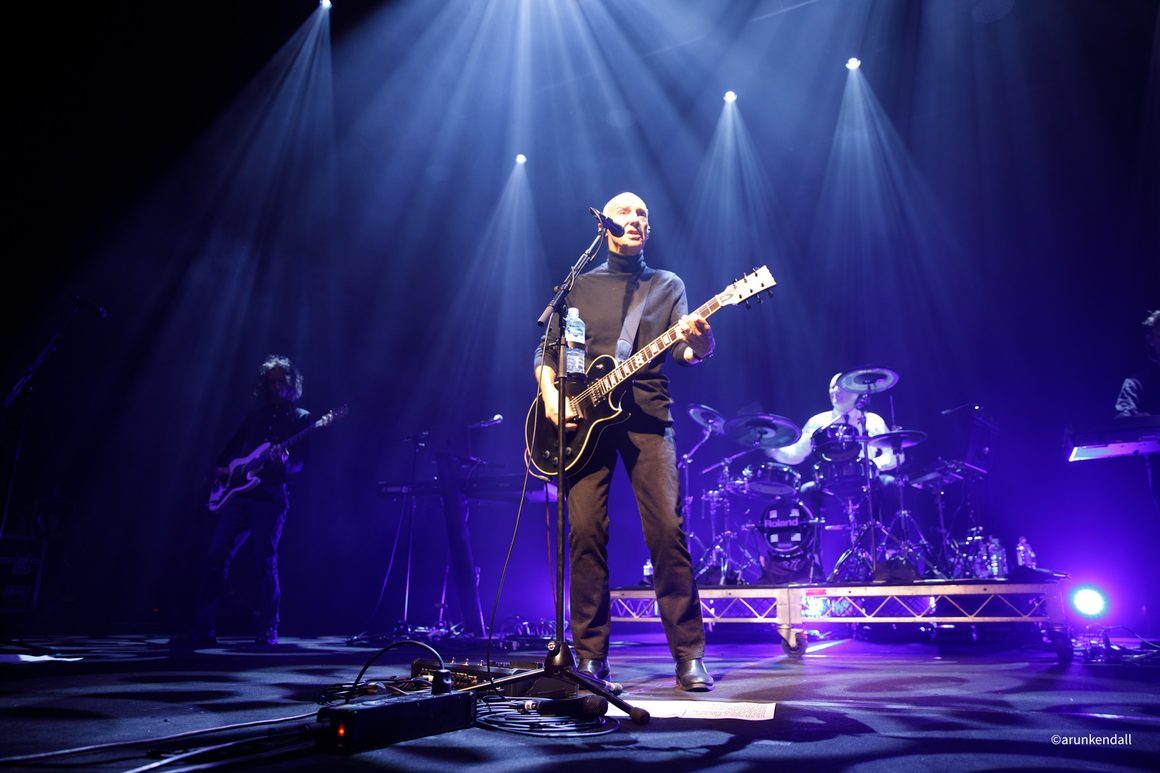
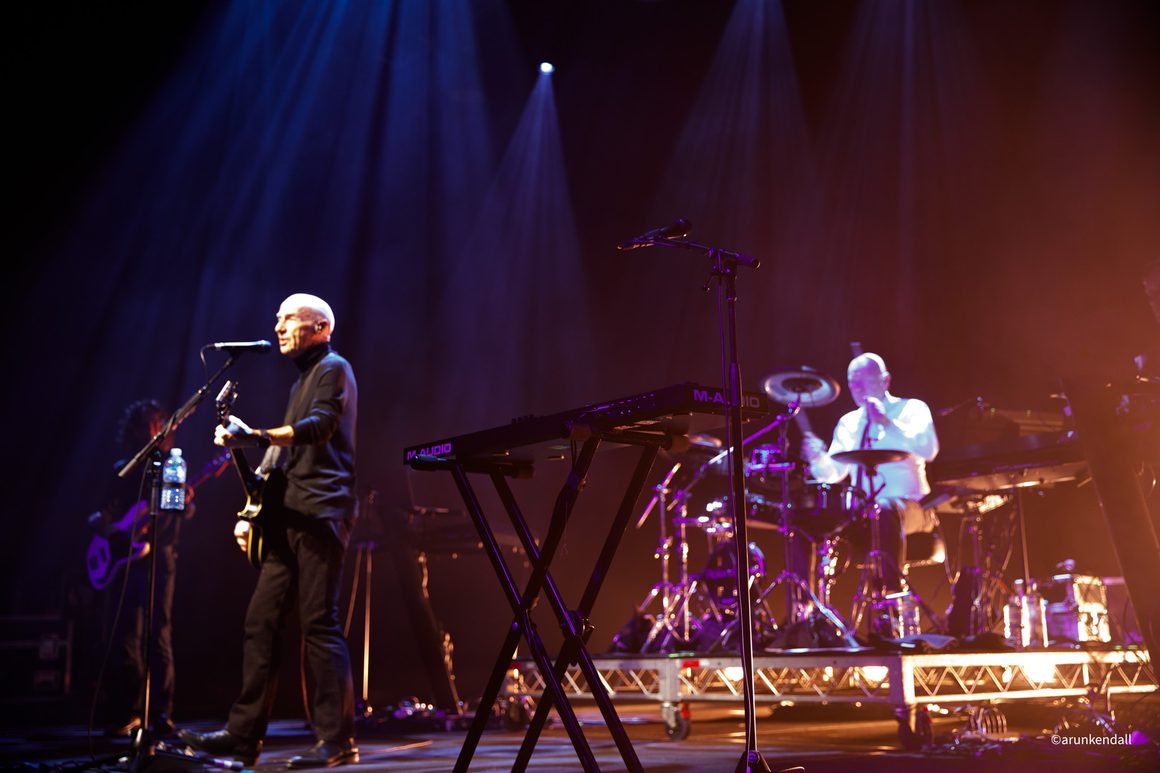
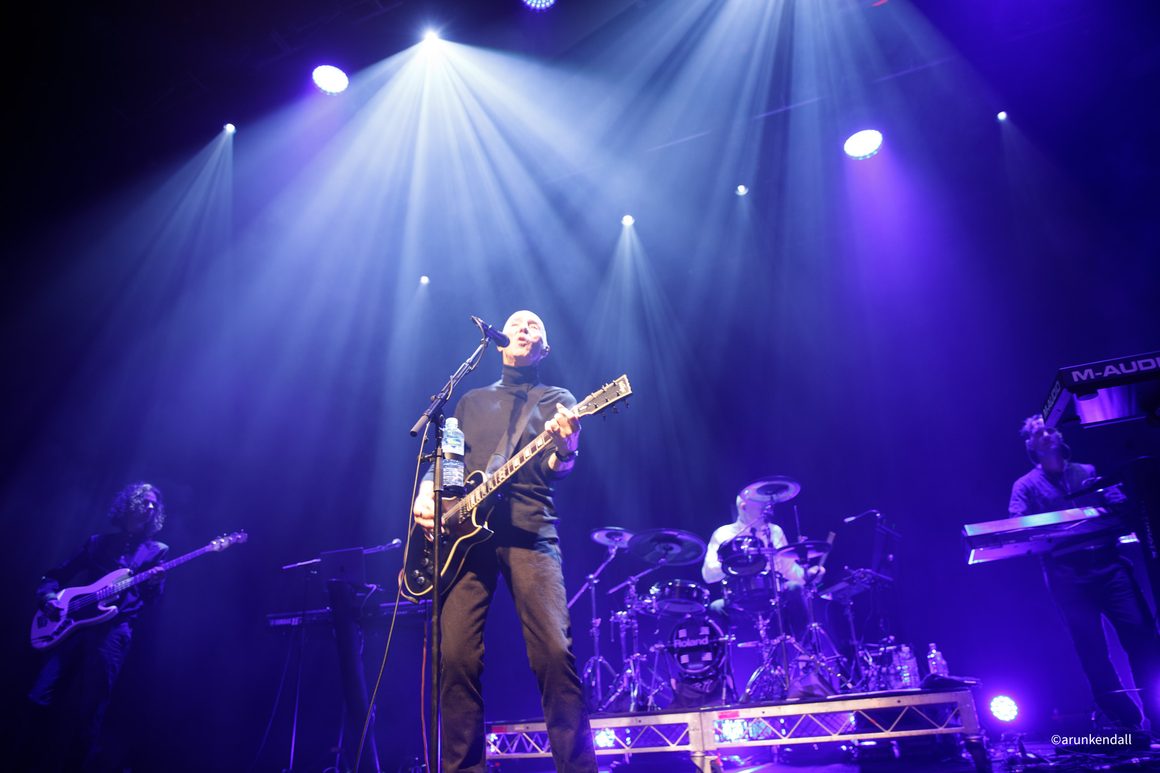
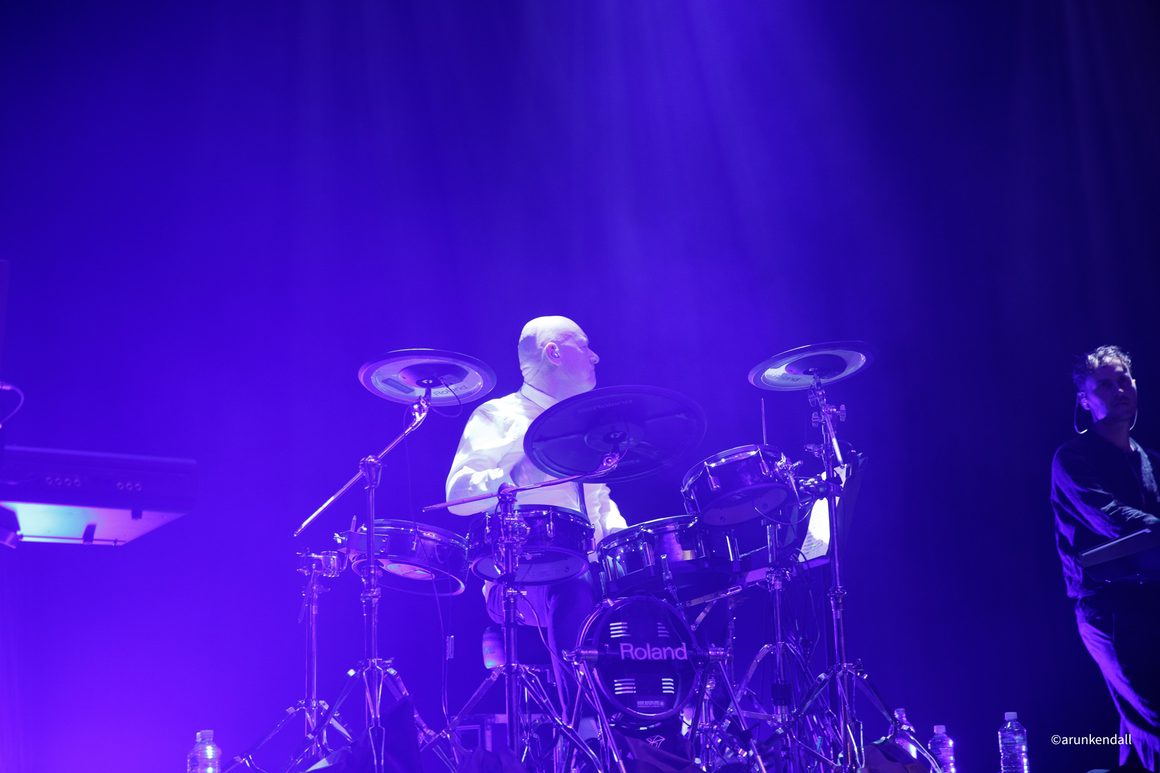
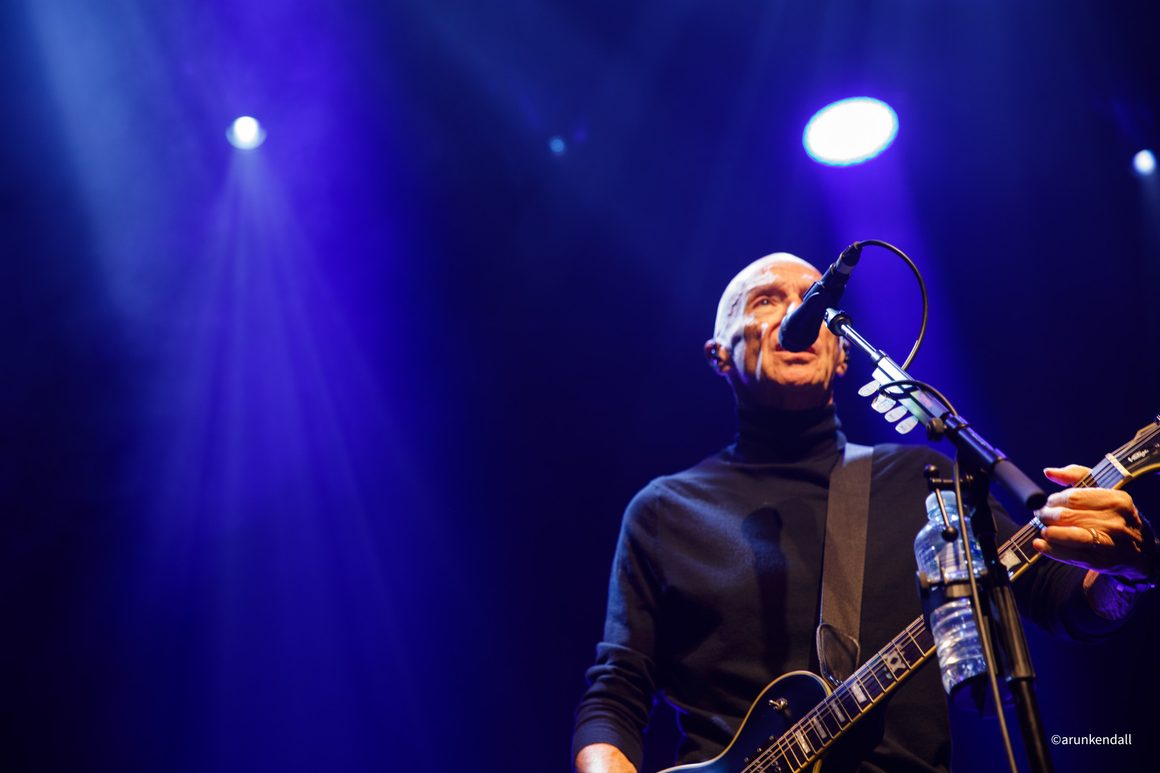
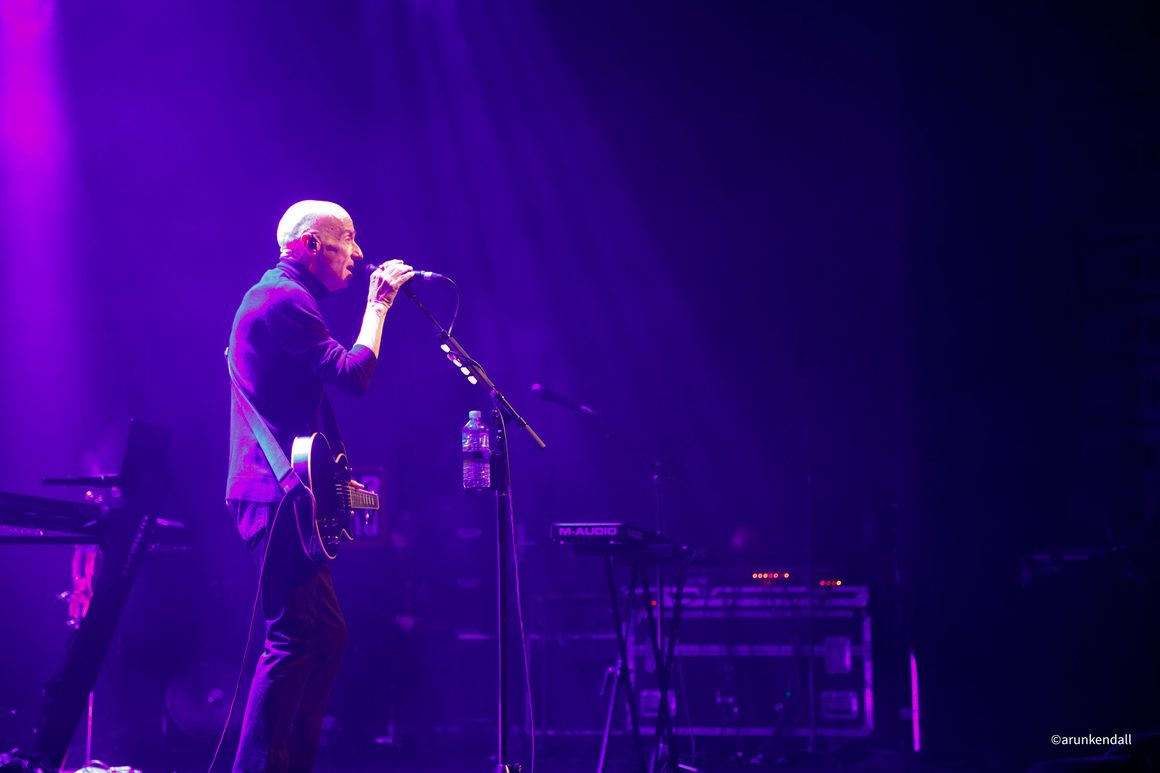
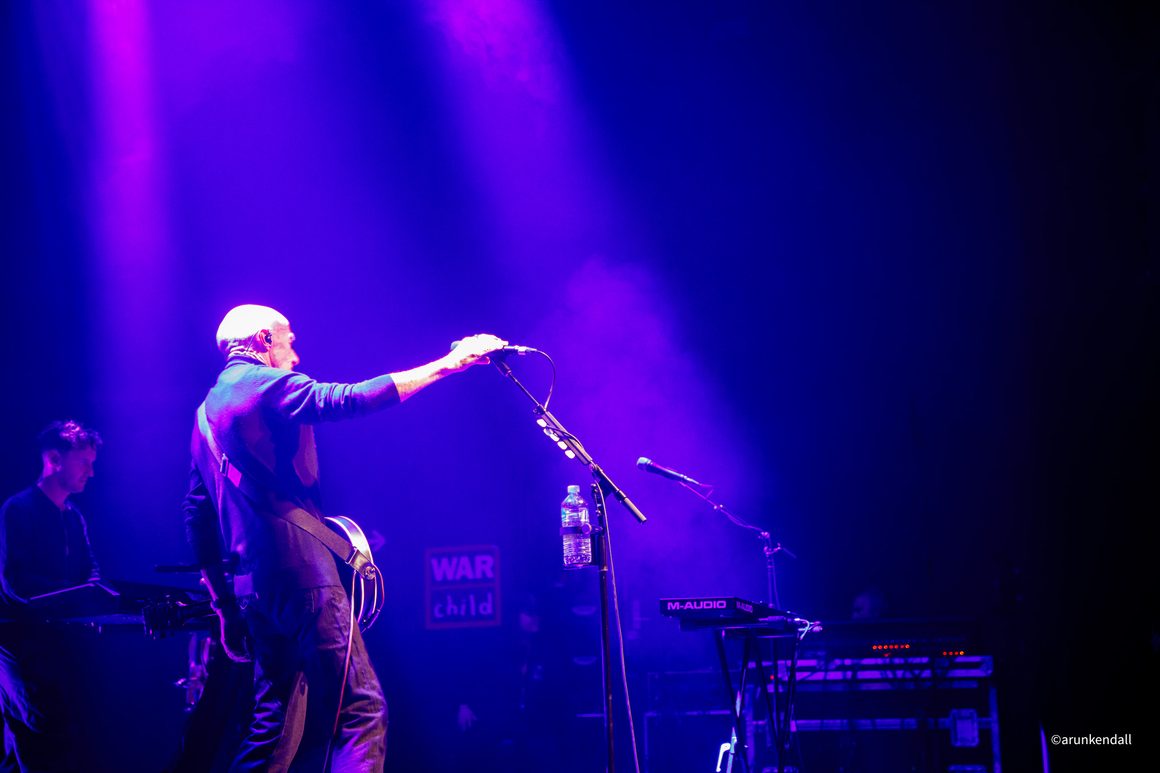
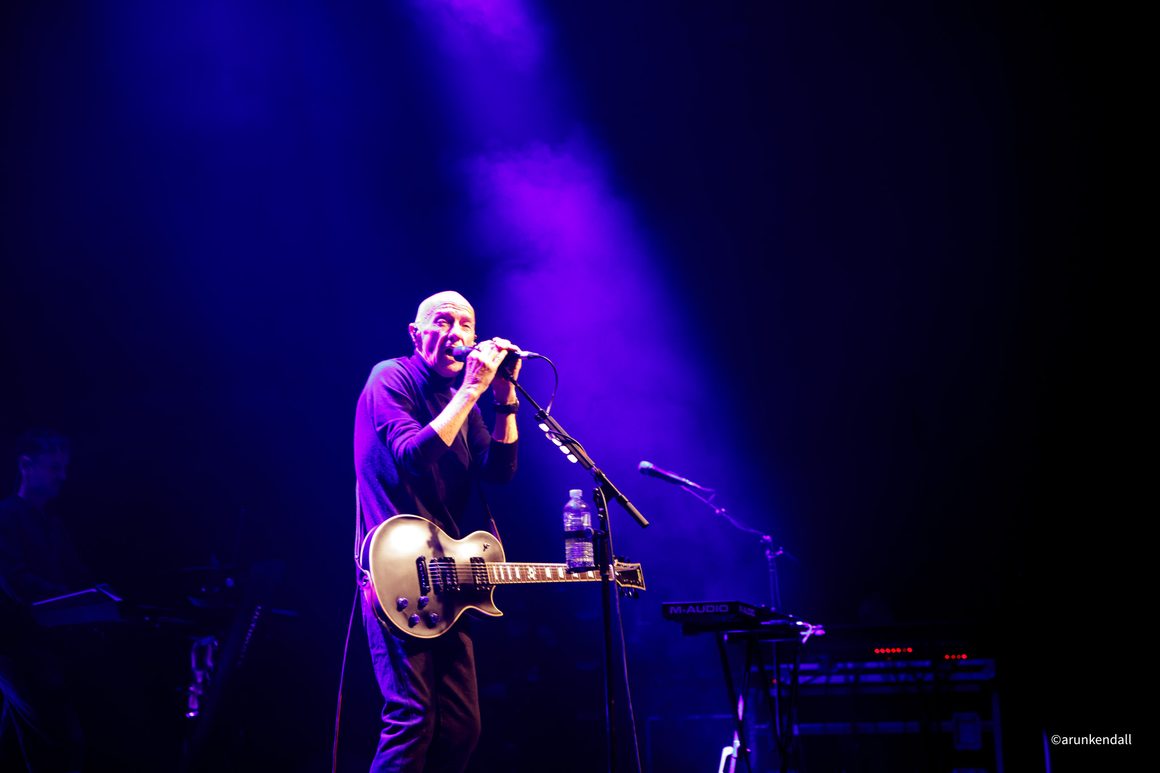
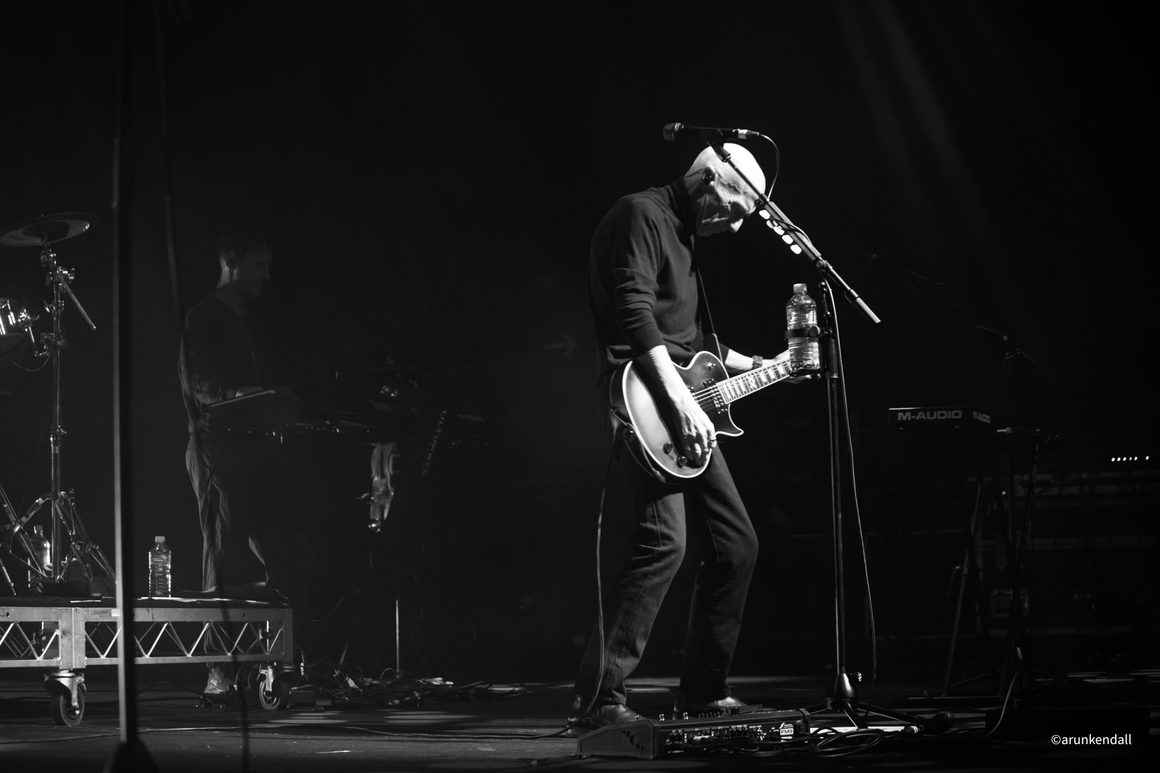
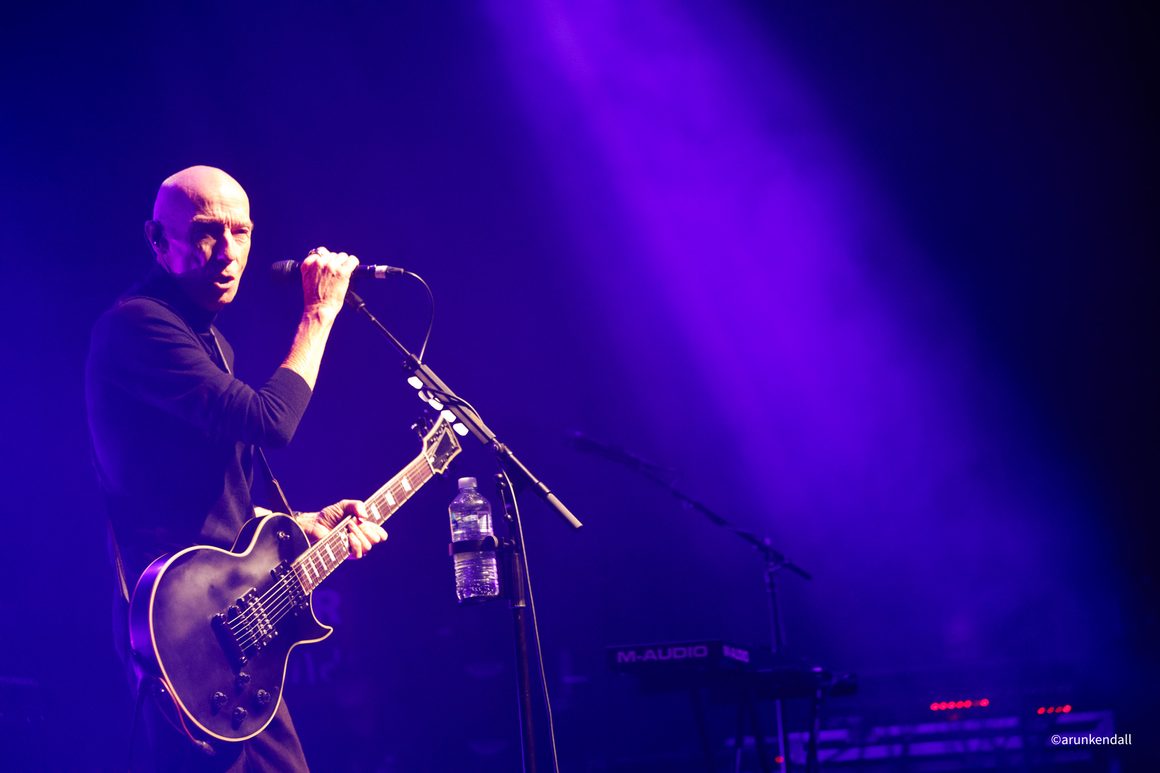
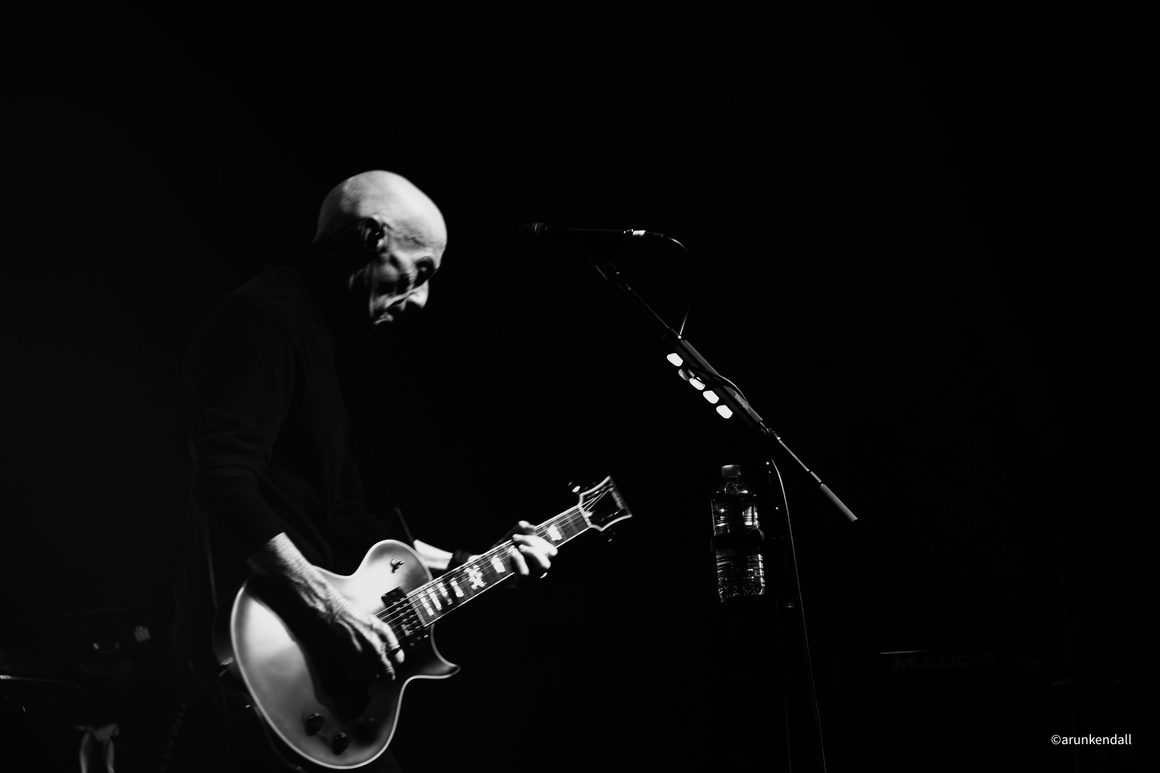
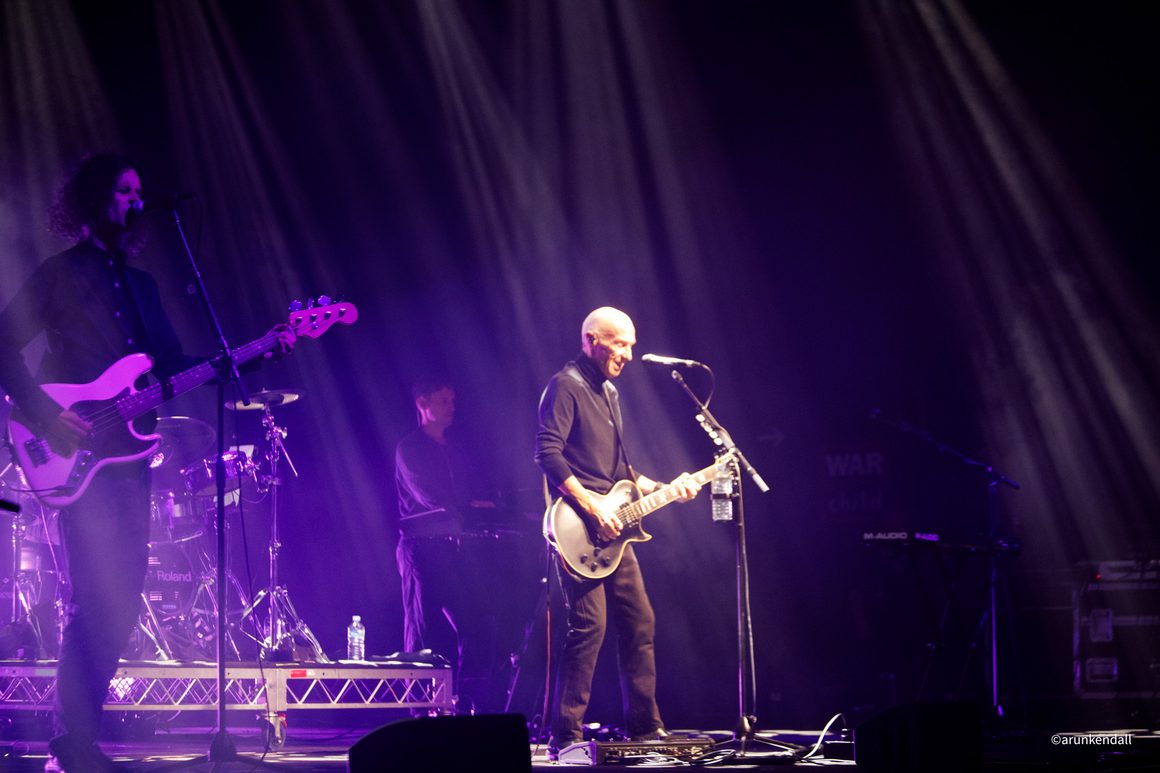
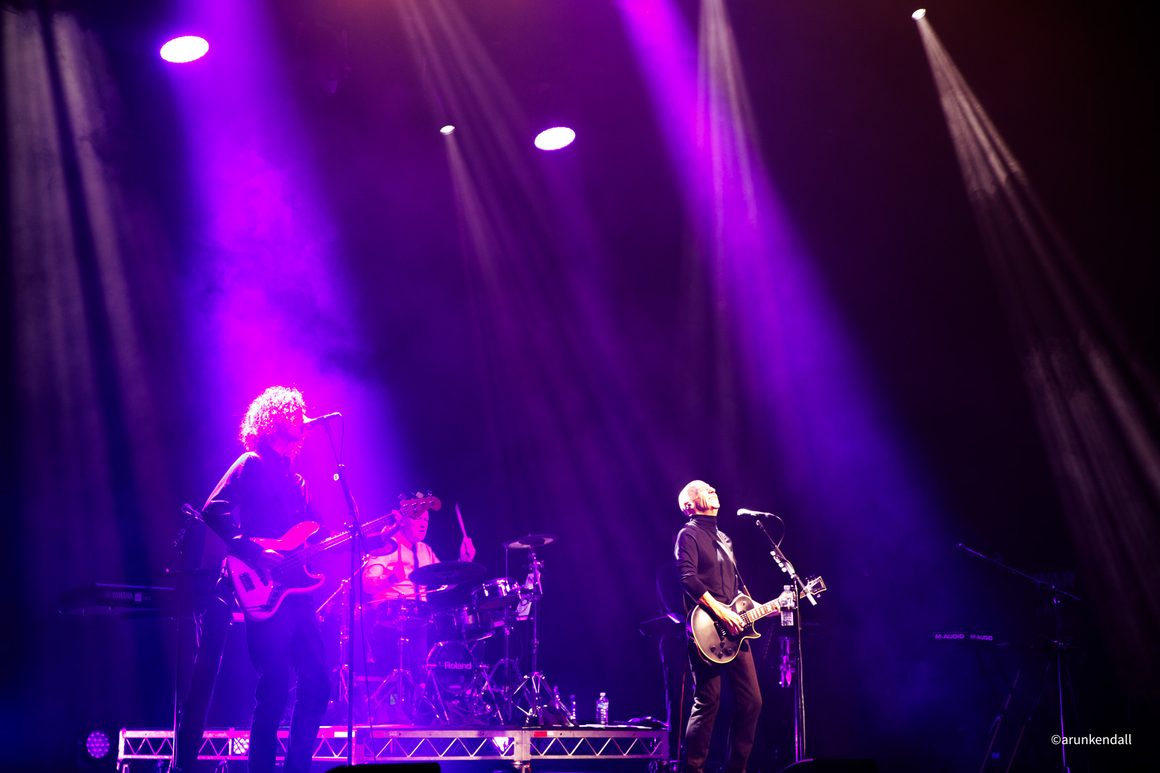
And then ‘Astradyne’, the moment of the night. The opening track from ‘Vienna’ has always been the band’s mission statement: seven minutes with no vocals, no chorus and no concession to radio. Live, it was a revelation. Russell Field’s drums drove it like a train through a frozen landscape, the synth lines swelled until they filled every corner of the old theatre, and when the violin took the melody the hairs on my arms stood up. Ure stood back and let it build, guitar slung low, clearly relishing it. It was exactly the music he told me Ultravox were trying to make back then: no holds barred, fitting no format or genre. The roar at the end was as loud as anything the hits got all night. For a song without a single word, it said more about why this music endures than anything else in the set.
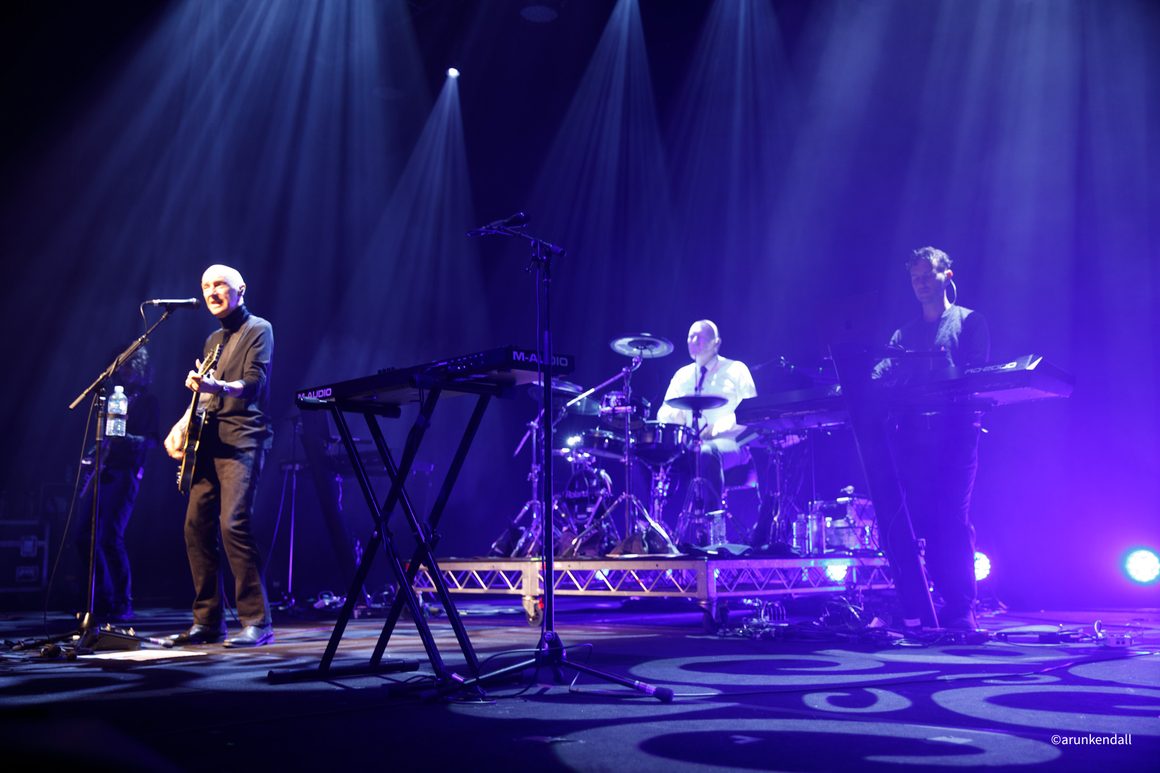
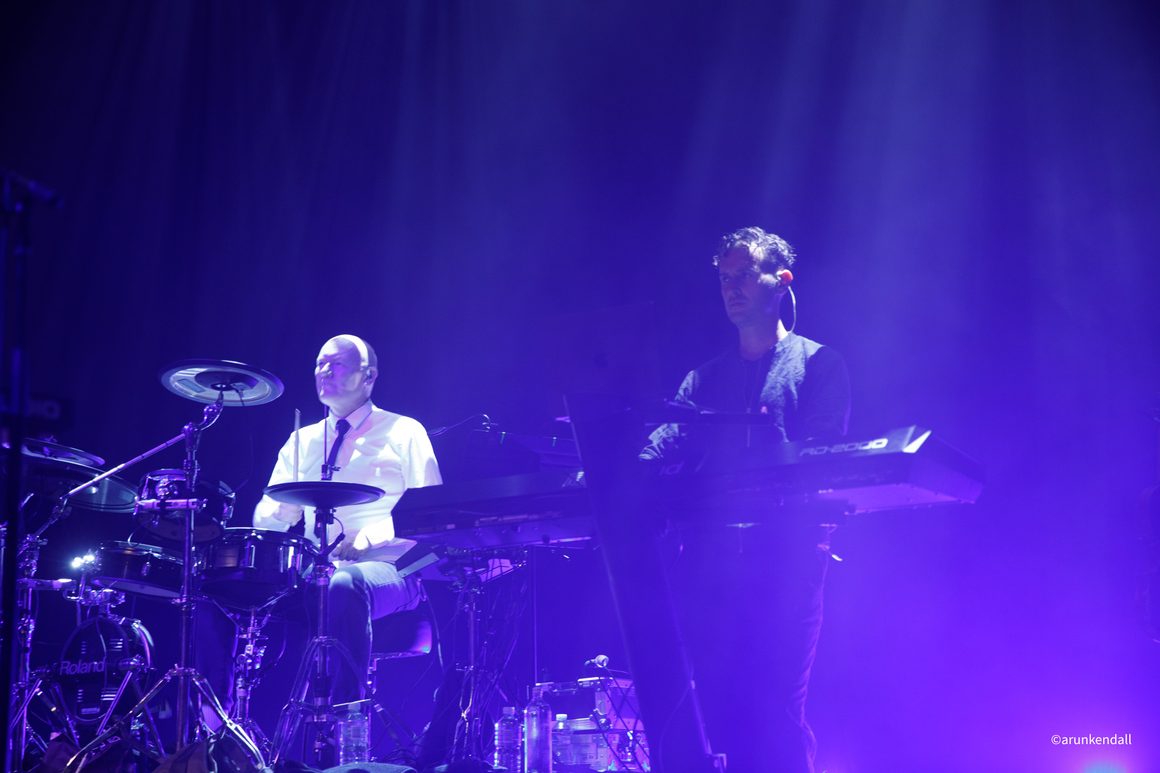
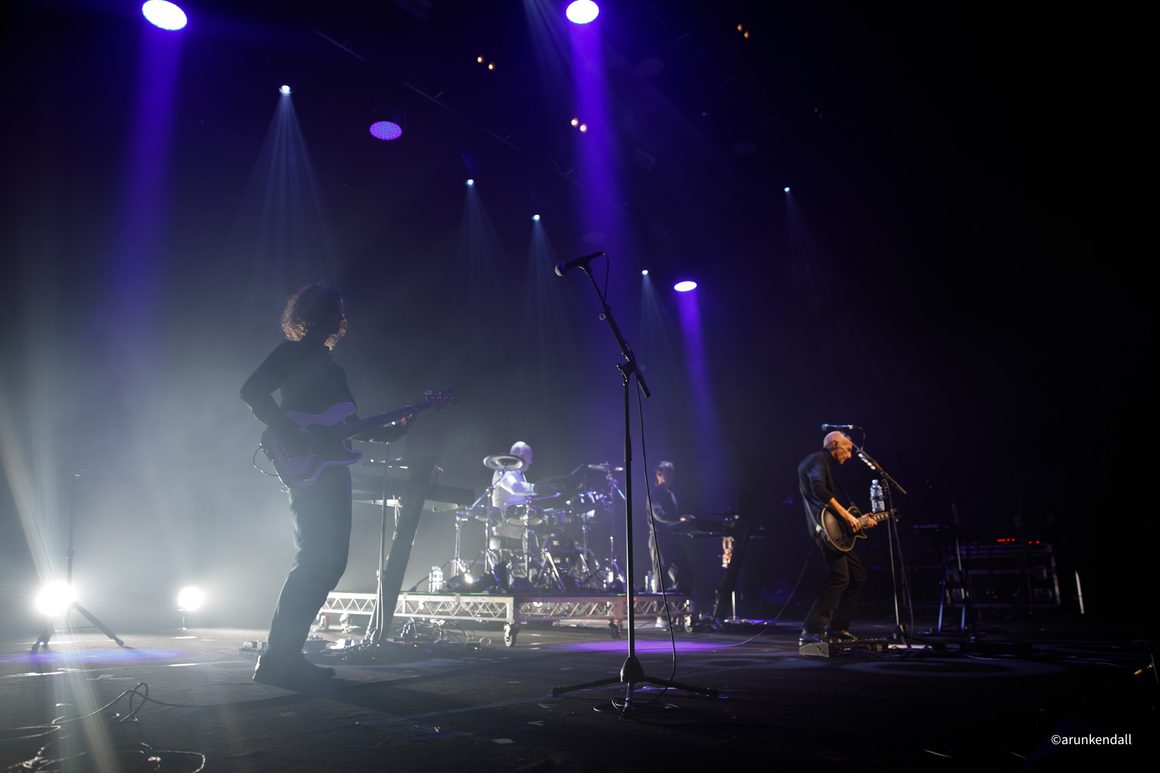
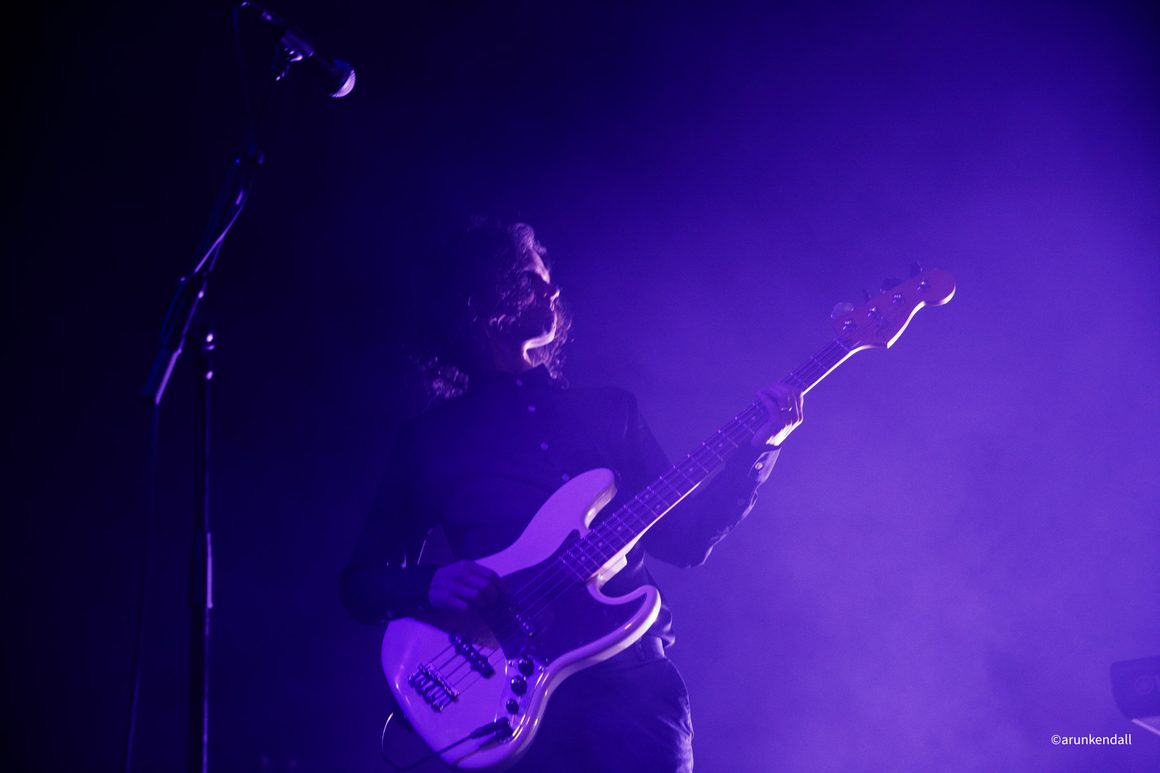
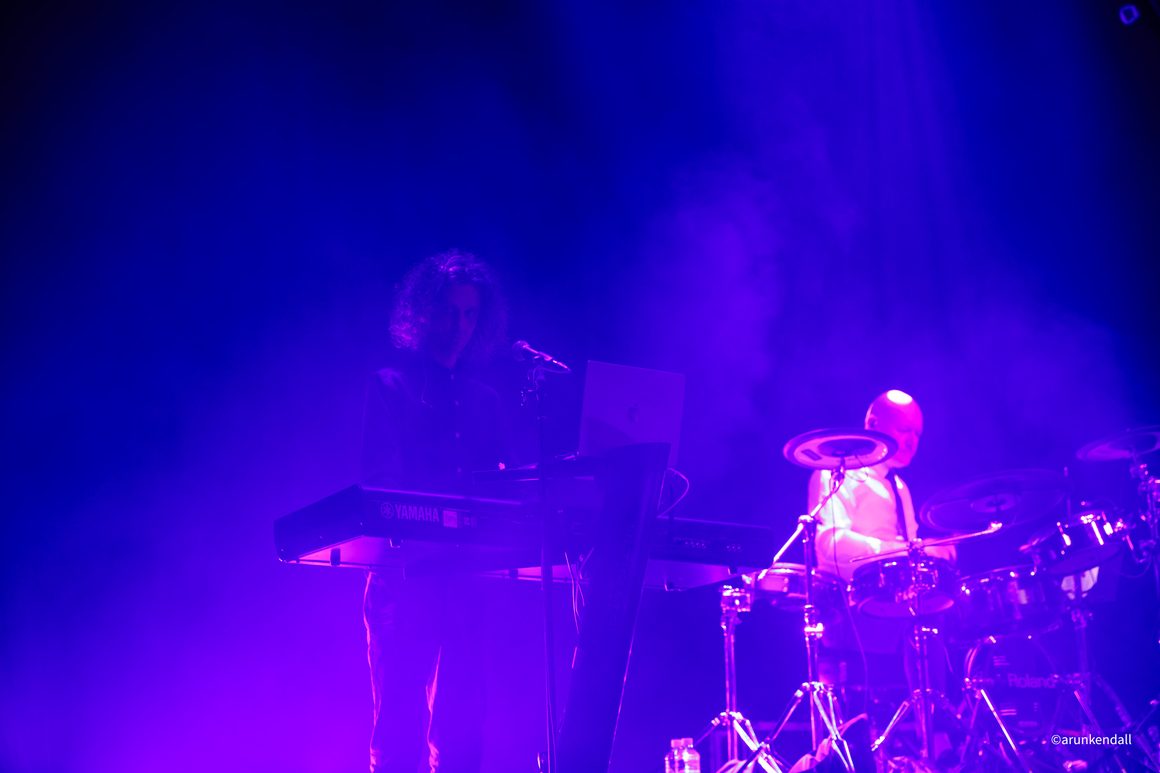
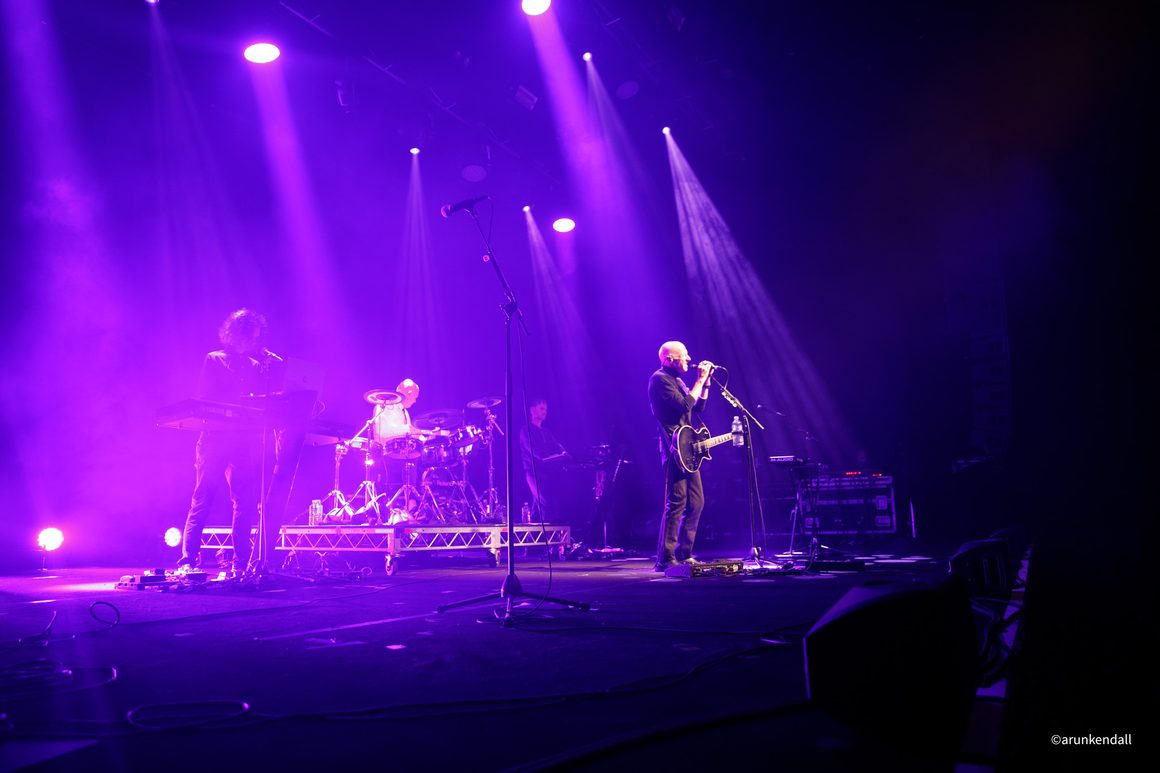
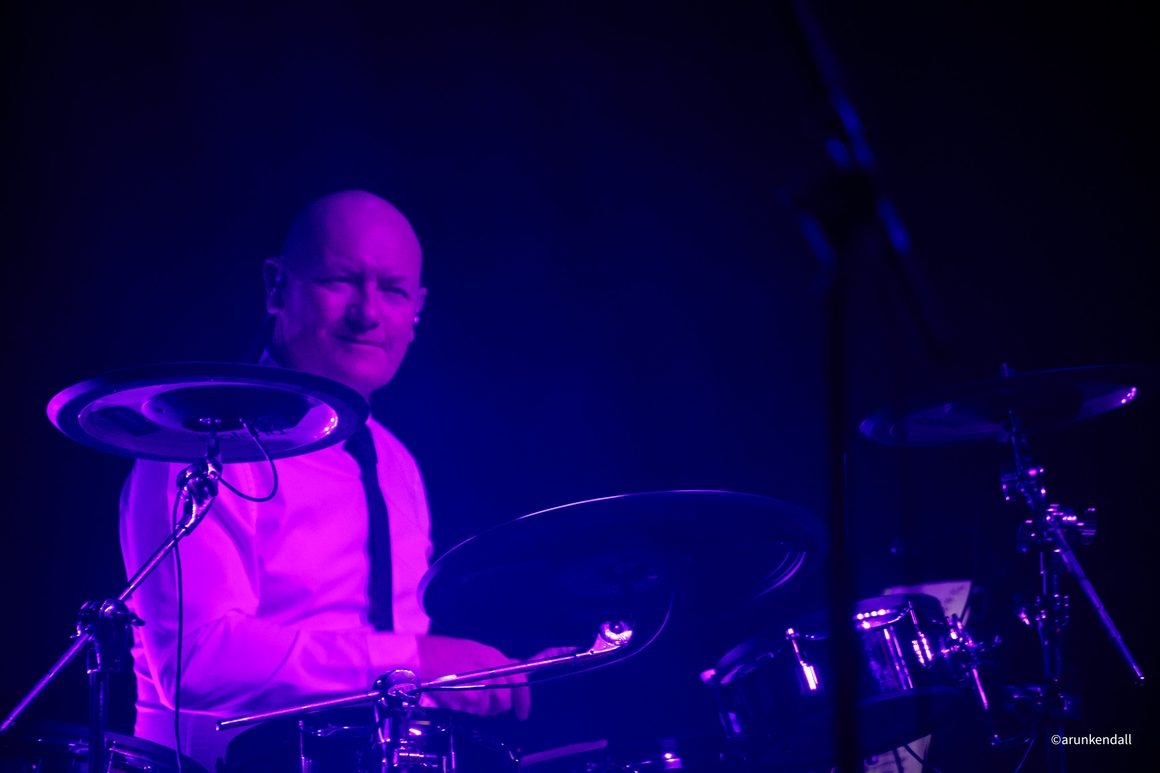
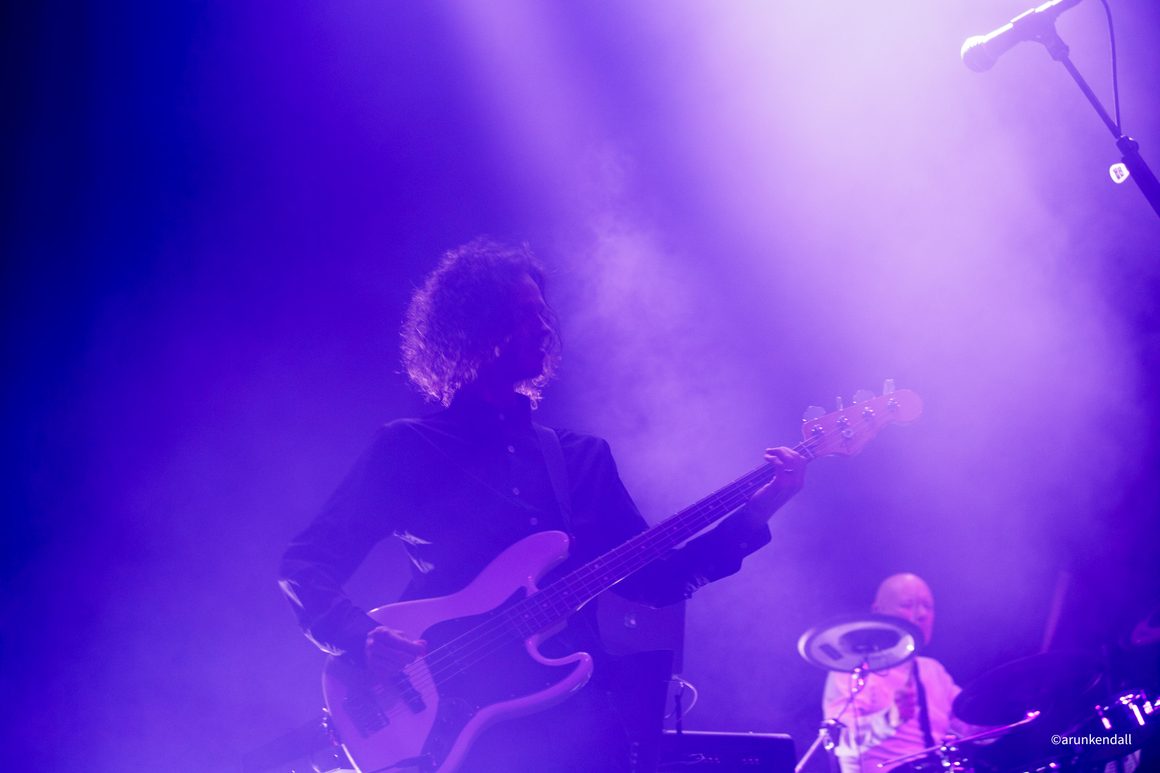
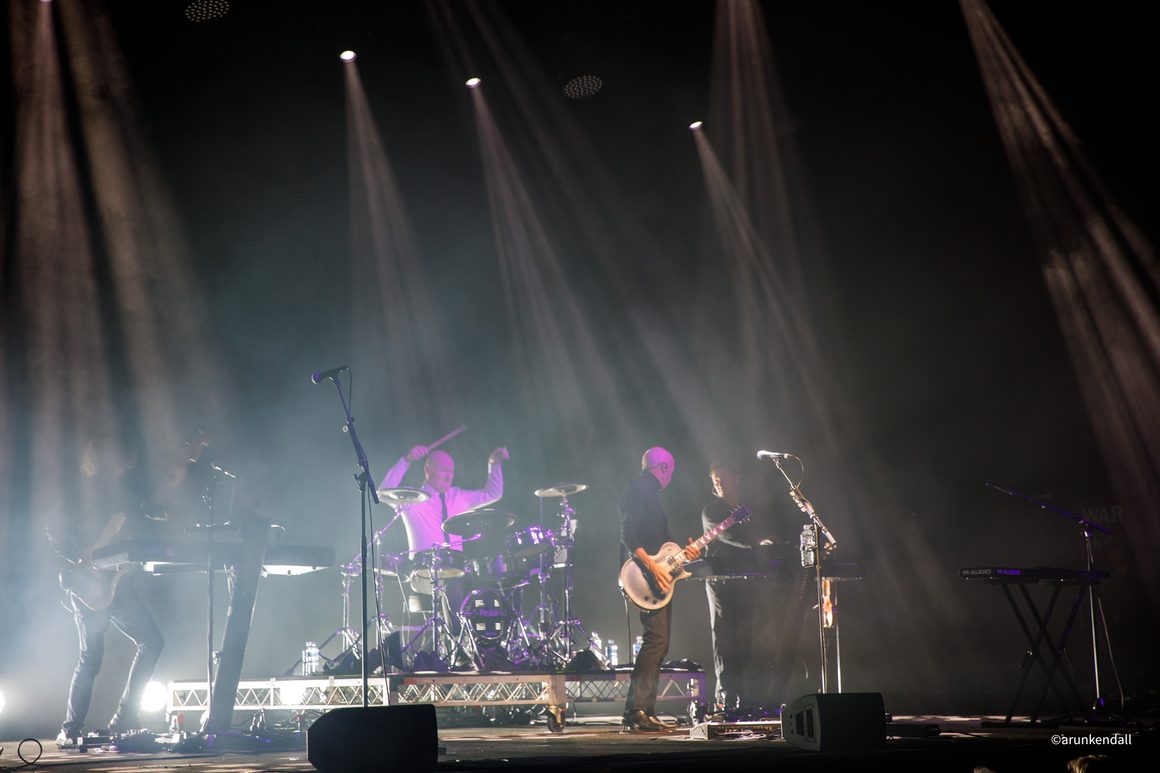
Much of that is down to the band. Field, Ure’s drummer for the best part of three decades, is the engine room, and the India Electric Co. pairing of Stacey and Joseph O’Keefe are the secret weapon, swapping between keys, guitar and violin with no apparent effort. Ure told me he’d heard them through the curtain at his acoustic shows and “bludgeoned” them into joining. It shows. They don’t recreate the records so much as reinterpret them, and the violin lines in particular gave the Ultravox material an earthy, almost folk edge that suited it.
‘If I Was’ got the first proper singalong, his 1985 solo number one sounding sweeter and less polished than the record. ‘No Regrets’, the Tom Rush song he took into the charts in 1982, was delivered with a wry weight that comes from a man who actually has the years behind him to mean it. ‘New Europeans’ and ‘All Stood Still’ brought the pulse up again, and ‘Monster’ made the case that the newer material sits comfortably among the old.
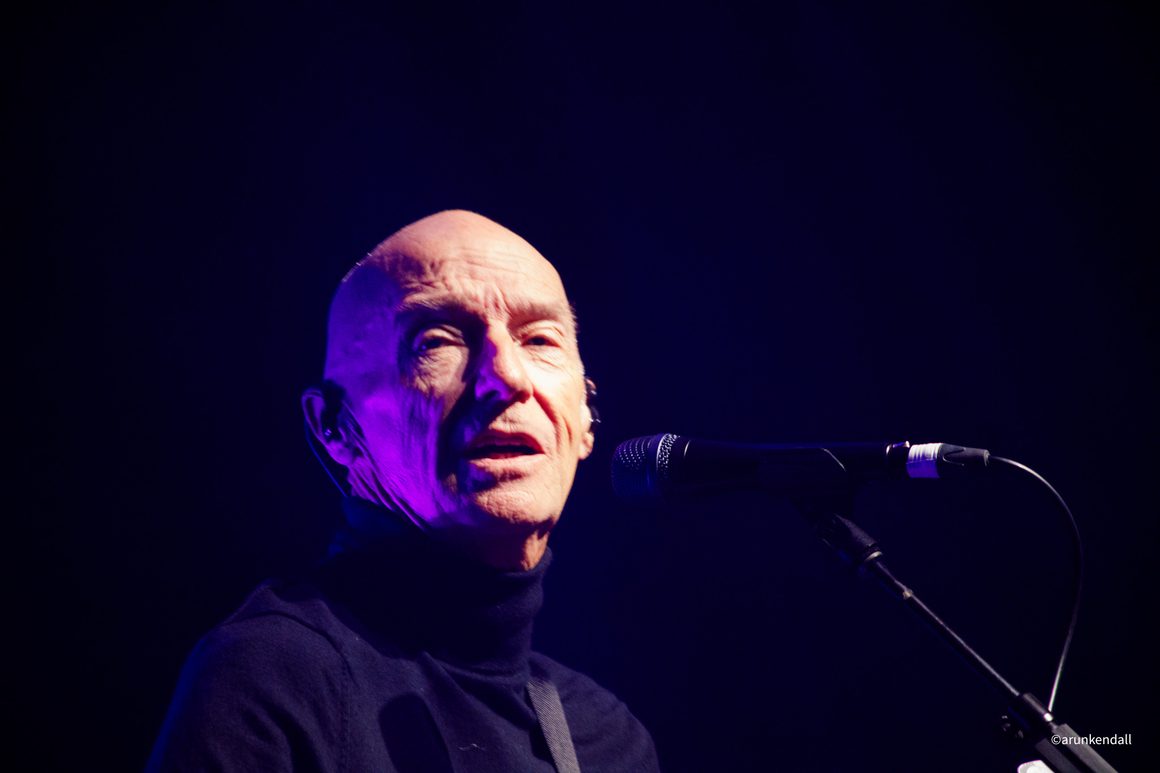
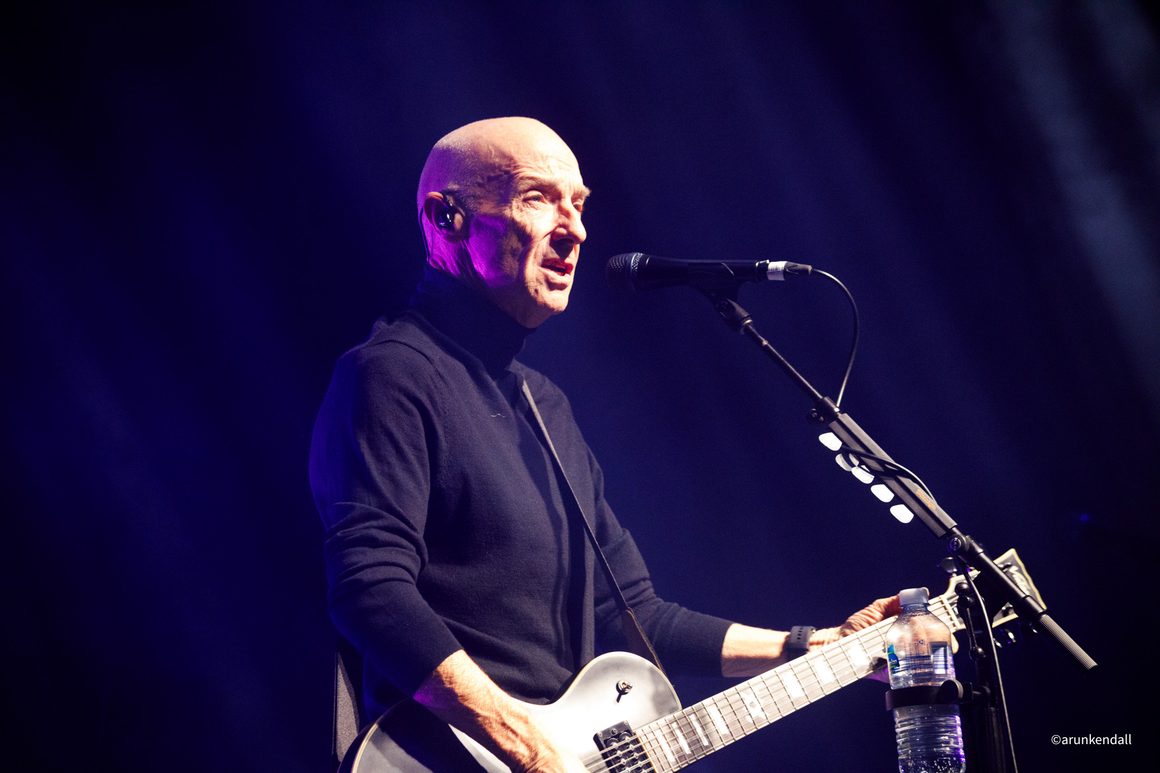
Then ‘Vienna’. You could feel the room lean in as the piano began. Ure has said the band used to listen to it in the studio at the end of each night and wonder where it came from. Forty-five years on, the question still hangs in the air. His voice soared on the climb, O’Keefe’s violin solo drew a roar, and the old grievance of Joe Dolce’s ‘Shaddap You Face’ keeping it off the top spot felt very far away. Ure joked to me that he has no gripes with Australia, though the rest of the UK might. Hobart, at least, gave it the number one reception it always deserved.
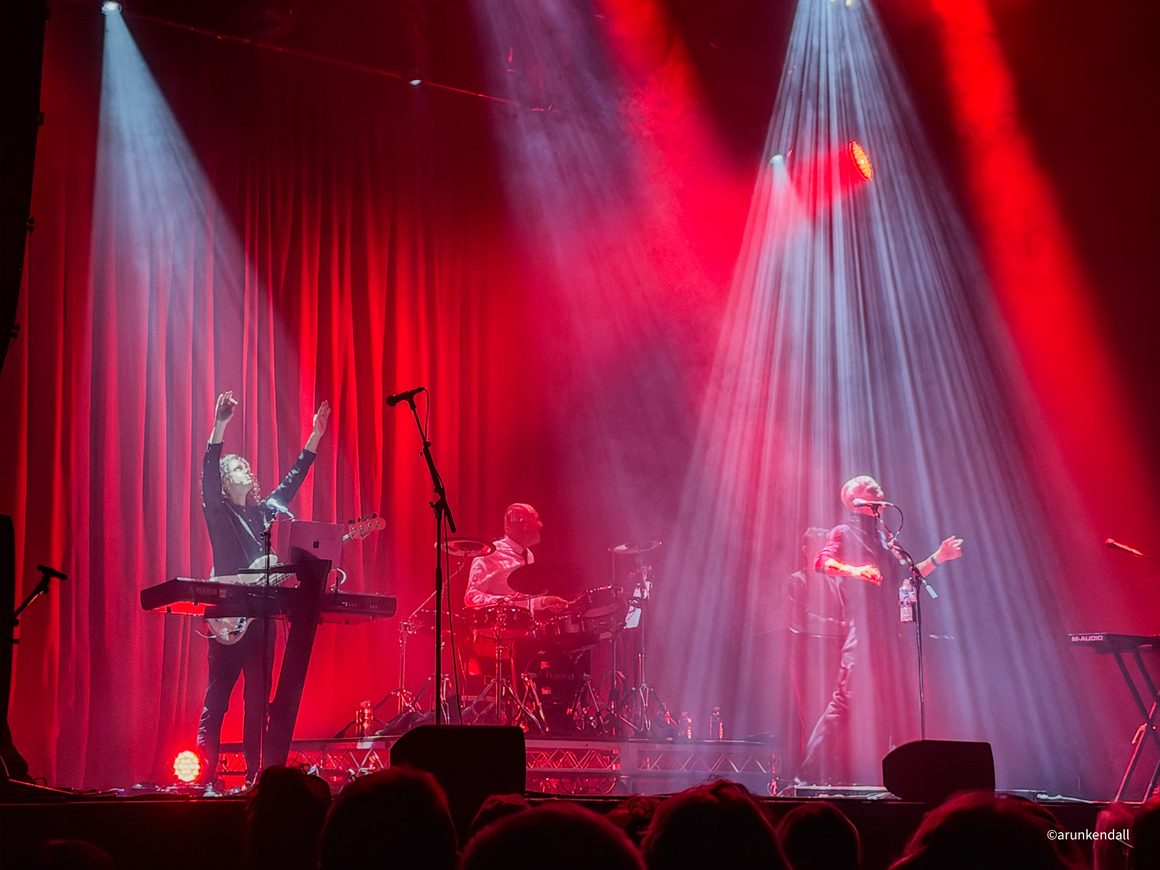
On invitation, noting there weren’t any brutal security people monitoring proceeds, Ure invited the audience in the seated theatre to dance, and indeed they did with great enthusiasm.
The run home was relentless: ‘Reap the Wild Wind’, ‘The Voice’ with its pounding finale, Visage’s ‘Fade to Grey’ turning the stalls into a slightly self-conscious New Romantic dancefloor, and ‘Dancing With Tears in My Eyes’, which remains one of the great bleak pop singles of the 1980s.
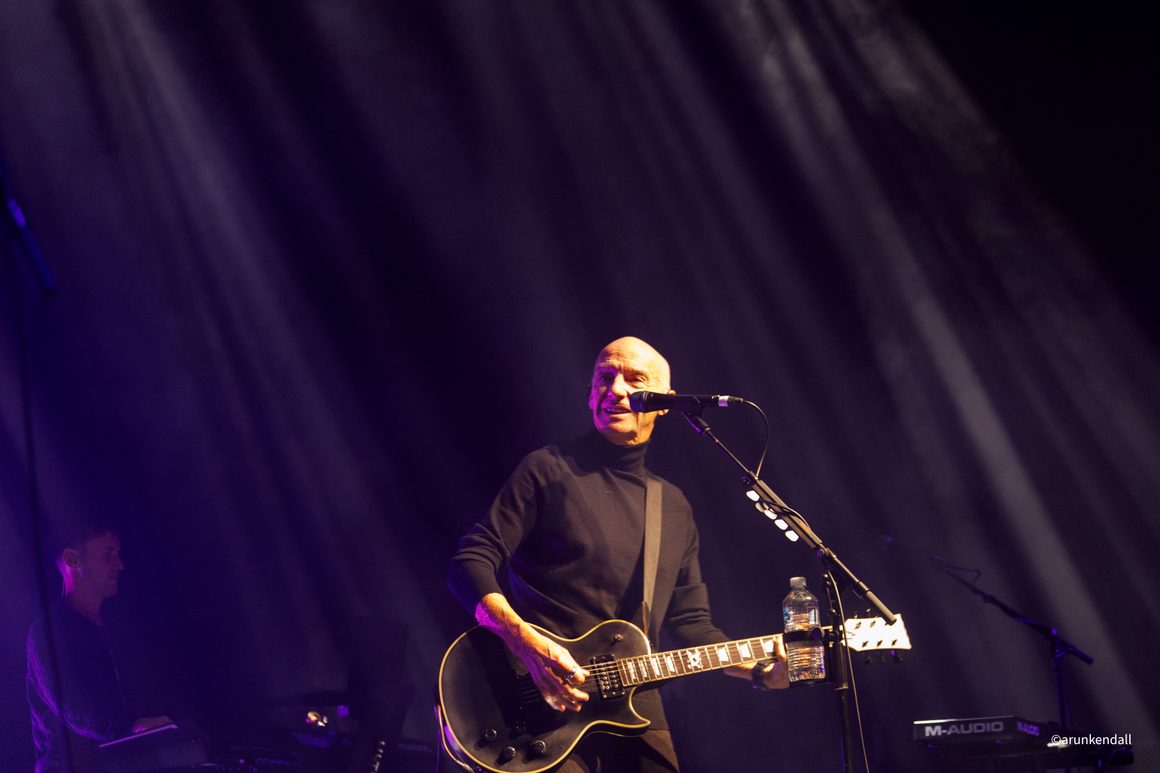
The encore ‘Hymn’ closed the night with the whole room singing along. Indeed, throughout the gig, Ure worked the audience like the seasoned veteran he is – getting the crowd to sing and clap along with gusto with his great charm.
Ure told me he sometimes revisits these songs and feels like he’s singing someone else’s material. If so, he’s a generous custodian. He sings them with conviction, he lets the band reshape them, and he clearly still loves the noise they make. When I suggested to him that creativity doesn’t have a use-by date, he agreed with gusto, railing at an industry that tells artists their time is up. Tonight was the proof. Nobody left the Odeon thinking they’d been to a nostalgia show. They walked back out into the cold having seen a working musician, at the top of his game, finally finishing the tour the world interrupted.
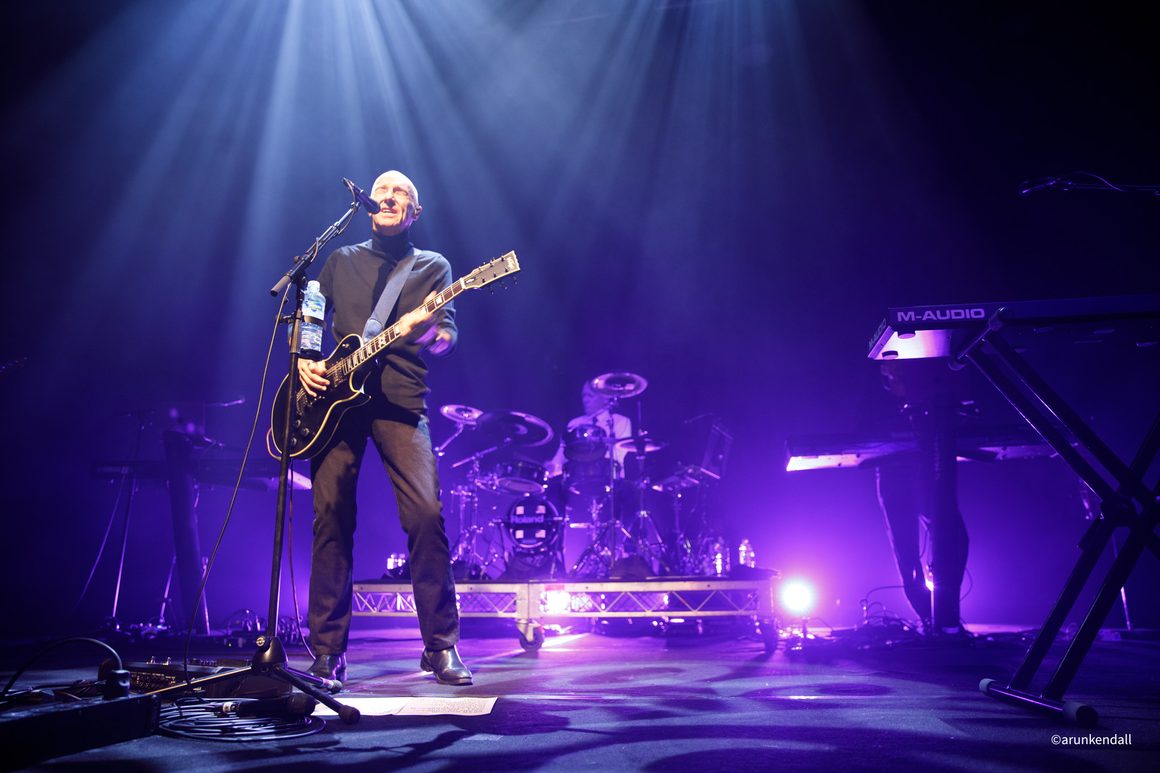
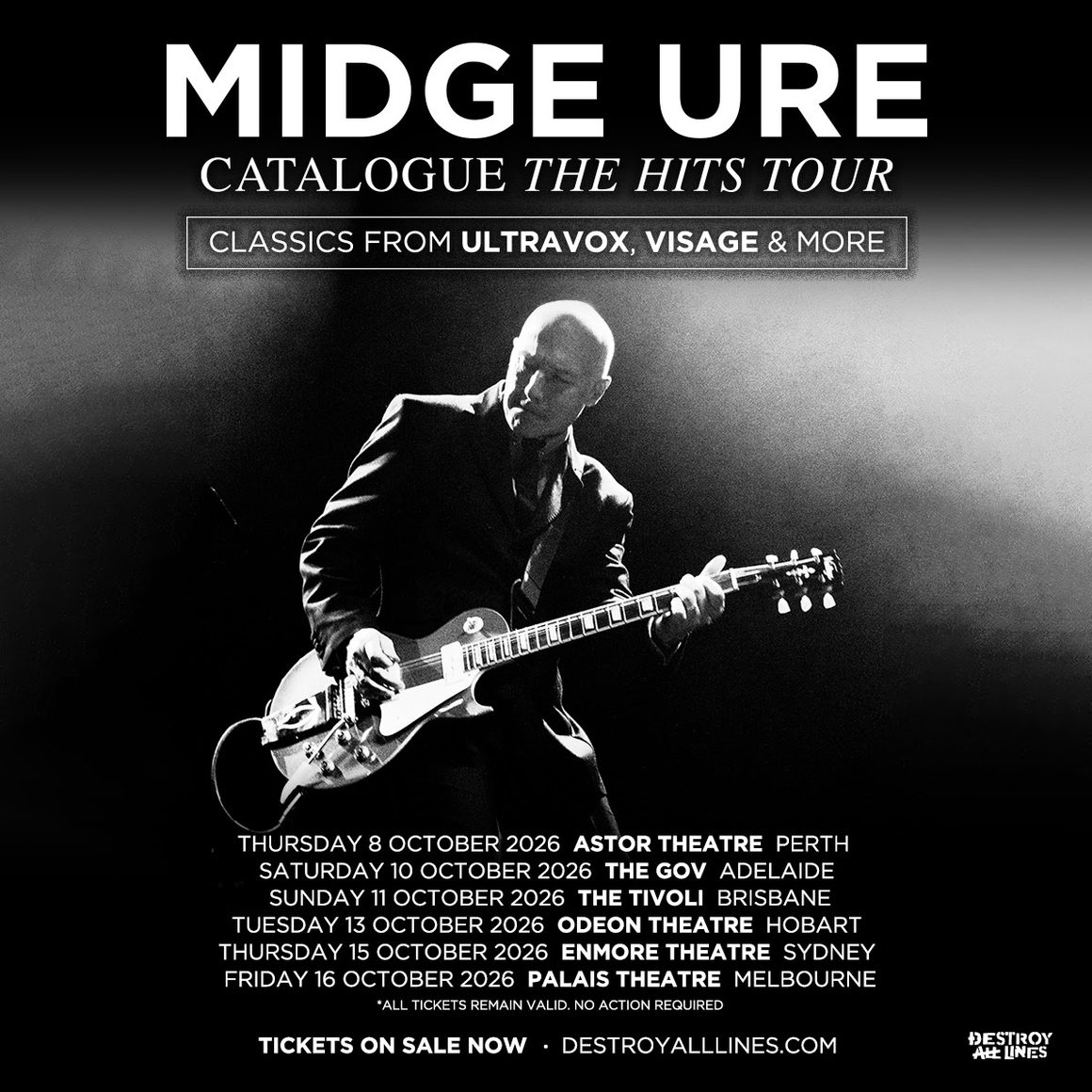
The tour continues in Sydney and Melbourne in October – dates below and tickets available here through Destroy All Lines.
Feature Photograph and Gallery: Arun Kendall